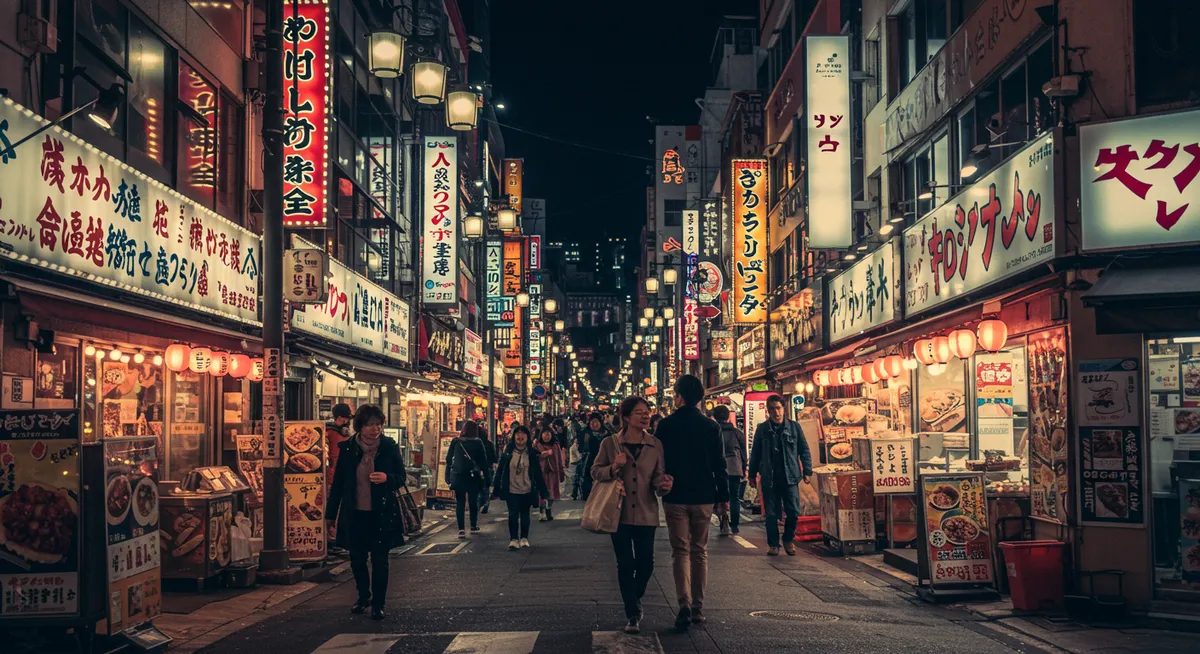
TL;DR: Fukuoka's nightlife revolves around four main districts. Nakasu is the neon-lit entertainment heartland with riverside yatai stalls. Tenjin offers trendy cocktail bars and international pubs. Daimyo draws the indie crowd with live music and craft beer. Nishijin is the local hidden gem for authentic bar-hopping. Budget around ¥3,000–¥10,000 per night out depending on your style, and bring cash — many spots remain cash-only in 2026.
Fukuoka consistently ranks among Japan's best cities for nightlife, and for good reason. The capital of Kyushu blends traditional food culture with a vibrant modern bar scene at price points well below Tokyo or Osaka. Whether you are chasing neon-lit river walks, intimate standing bars, or the legendary open-air yatai food stalls, this 2026 Fukuoka nightlife guide covers every district, venue type, and practical tip you need to plan your evenings. Navigate the city efficiently with our Fukuoka transport guide.
Nakasu: The Neon Heart of Fukuoka Nightlife
Turn this guide into a personal route with our free Fukuoka itinerary planner.
Nakasu is a narrow island sandwiched between the Naka and Hakata rivers, and it has served as Fukuoka's entertainment epicenter since the Edo period. In 2026, this district remains the single most iconic destination for Fukuoka nightlife. Hundreds of bars, izakayas, karaoke lounges, and clubs line its compact grid of neon-lit streets. The district comes alive after 7 PM and peaks between 11 PM and 1 AM on weekends.
The Nakasu riverbank is also the most famous location for yatai food stalls — more on those below. Start your night with a riverside stroll to soak in the reflected neon before ducking into a side-street izakaya. For a broader perspective on what to do during the day before your night out, check our things to do in Fukuoka guide.
Tenjin: Trendy Bars & International Pubs
Tenjin is Fukuoka's commercial center by day, but after sunset it transforms into a sophisticated nightlife zone. This is where you will find polished cocktail lounges, craft beer taps, British-style pubs like The Black Sheep and The Hub, and international bars such as Cheers International Bar — a popular meeting point for travelers and expats in 2026.
Many of Tenjin's best venues are tucked away on upper floors of multi-story buildings, so look for elevator signs and stairway entrances. The area tends to attract a slightly older, fashion-conscious crowd compared to Nakasu. Pair your evening plans with a comprehensive Fukuoka itinerary to make the most of both daytime and nighttime hours.
Daimyo & Oyafuko-dori: Indie Bars, Craft Beer & Live Music
Just west of Tenjin, the Daimyo neighborhood — particularly the stretch along Oyafuko-dori — delivers Fukuoka's coolest underground nightlife. By day it feels like a compact hipster quarter with vintage shops and cafes. By night it comes alive with indie live-music venues like Drum Logos, quirky themed bars, craft beer spots, and intimate eateries that stay open well past midnight.
Daimyo is the district where locals and long-term expats tend to gather, giving it a more relaxed and authentic feel than the tourist-friendly Nakasu strip. If you are a craft beer fan, seek out FUKUOKA CRAFT by El Borracho, a microbrewery pouring its own brews alongside selections from Japanese and American breweries. Before heading out, fuel up with some of the best food in Fukuoka.
Nishijin: The Hidden Gem for Authentic Bar-Hopping
Most Fukuoka nightlife guides skip Nishijin entirely, but seasoned visitors know this neighborhood — just a 10-minute subway ride from Tenjin — is where you find the most authentic drinking culture in the city. English menus are scarce here, and the crowd is almost entirely local. The reward is genuine connection with Fukuoka's bar scene: tiny standing bars serving premium shochu, retro jazz cafes, and hole-in-the-wall izakayas where the owner remembers your order.
Nishijin is best experienced as a bar-hopping crawl. Start at a standing bar near the station, then follow the locals to the next spot. If you plan to explore districts outside the city center, our Fukuoka day trips guide can help you coordinate your schedule.
Yatai Food Stalls: The Quintessential Fukuoka Night Experience
No Fukuoka nightlife guide is complete without dedicating serious attention to yatai. These open-air food stalls — unique to Fukuoka among major Japanese cities — line the banks of the Naka River in Nakasu and the sidewalks around Tenjin. Over 100 stalls operate across the city in 2026, most open from around 6 PM until 2 AM, with peak season running March through November.
Each yatai seats roughly 8 to 10 people on stools around a counter. The standard menu includes tonkotsu ramen, oden, yakitori, and gyoza, washed down with beer, sake, or shochu. Some stalls have branched out into French cuisine or bar-style cocktails, keeping the tradition fresh. The communal seating means you will inevitably strike up conversations with fellow diners — half the appeal. Work a yatai crawl into a Fukuoka 3-day itinerary to ensure you have enough nights to try multiple stalls.
Practical Tips for Fukuoka Nightlife in 2026
Planning a night out in Fukuoka is straightforward once you know the basics:
- Cash is king: Many izakayas, yatai, and smaller bars remain cash-only. Carry at least ¥5,000–¥10,000 for a full evening. Convenience store ATMs (7-Eleven, Lawson) accept international cards 24/7.
- Typical hours: Izakayas and bars open around 5–6 PM and close between 11 PM and 1 AM. Clubs open at 9–10 PM and run until 4–5 AM on weekends. Yatai operate roughly 6 PM to 2 AM.
- Cover charges: Club entry typically costs ¥1,000–¥3,000 and usually includes one drink. Most bars and izakayas charge a small otoshi (appetizer charge) of ¥300–¥500 per person instead of a cover.
- Language: Tenjin and Nakasu venues frequently offer English, Chinese, or Korean menus. Nishijin and Daimyo spots are more Japanese-only — a translation app helps.
- Getting back: Fukuoka's subway closes around midnight. After that, taxis are affordable (¥1,000–¥2,000 within the central area), or you can walk between Nakasu, Tenjin, and Daimyo in under 15 minutes.
- Safety: Fukuoka is extremely safe by global standards. Use common sense: stay on well-lit main streets, be polite when declining touts in Nakasu, and keep your belongings close in crowded clubs.
For advice on the best neighborhoods to book your accommodation close to the nightlife action, see our where to stay in Fukuoka guide. And if timing your trip matters, our best time to visit Fukuoka breakdown covers seasonal events and weather considerations.
Fukuoka Night Views Worth Seeking Out
Between bar stops, Fukuoka offers some of Japan's most underrated night scenery. Fukuoka Tower — recognized as one of Japan's "100 Greatest Night Views" — provides a panoramic view from 123 meters above street level. The Nakasu riverfront itself, with its reflected neon and lantern-lit yatai, is equally photogenic. For a quieter vantage point, head to Atago Shrine on the western hills for a free overlook of Hakata Bay after dark.
If you want to extend your Kyushu exploration, our guides to getting from Fukuoka to Nagasaki and Fukuoka to Beppu cover easy day or overnight trips.
Frequently Asked Questions
How much does a night out in Fukuoka cost in 2026?
Is Fukuoka nightlife safe for solo travelers?
What are the opening hours for bars and clubs in Fukuoka?
Which Fukuoka nightlife district is best for first-time visitors?
Do I need to speak Japanese to enjoy Fukuoka nightlife?
Can I use credit cards at Fukuoka bars and yatai?
Fukuoka's nightlife rewards curiosity. Start with the iconic yatai stalls and neon-lit streets of Nakasu, graduate to the stylish bars of Tenjin, explore the indie scene in Daimyo, and — if you want to drink like a local — take the subway one stop to Nishijin. With affordable prices, welcoming venues, and a food culture that keeps you fueled until the early hours, Fukuoka delivers one of Japan's best after-dark experiences in 2026. Combine your evenings with a well-planned 5-day Fukuoka itinerary and explore everything from Fukuoka shopping to historical sightseeing by day.