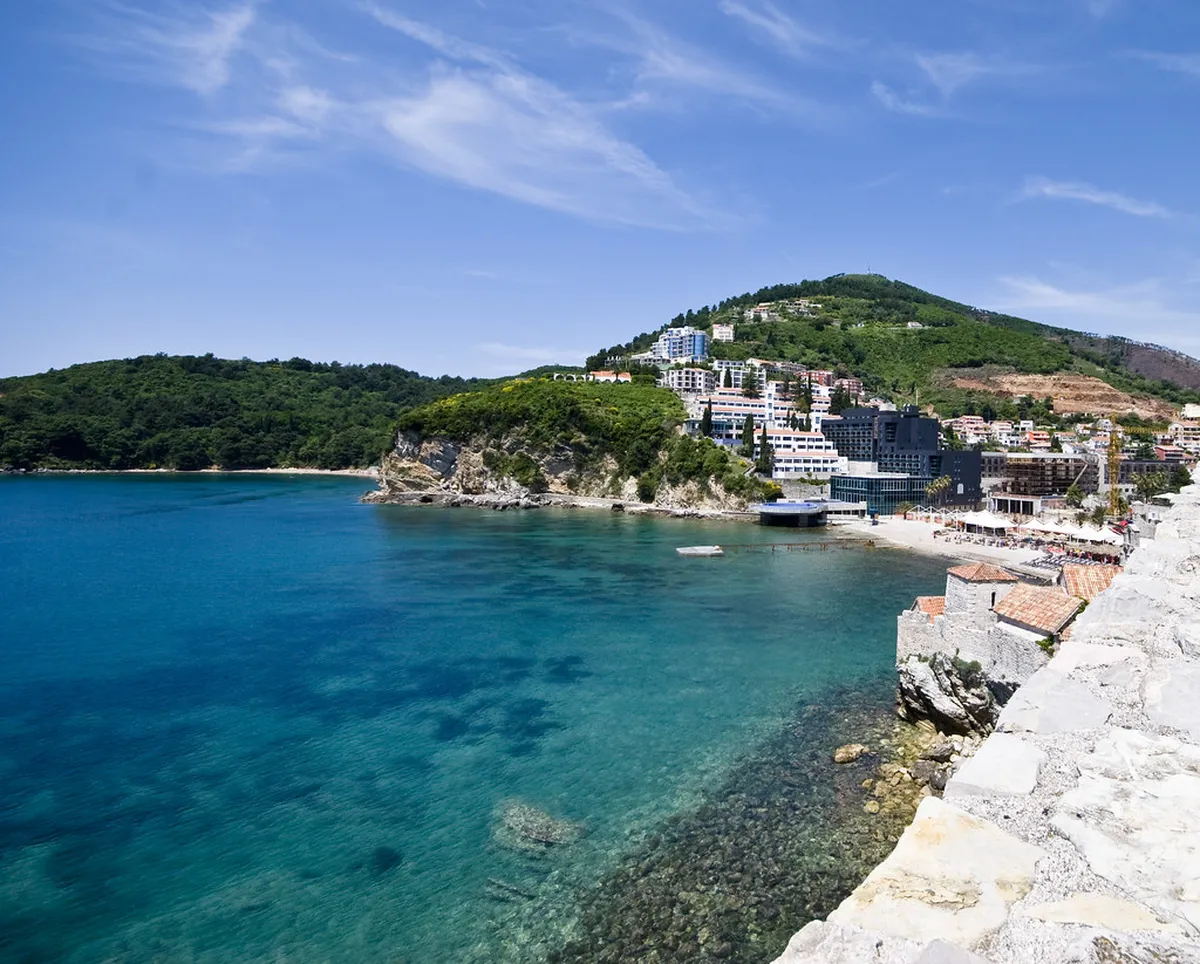
Budva, Montenegro, boasts a stunning Adriatic coastline. Its diverse beaches attract many visitors each year. This guide explores the top Budva beaches for your 2026 trip. You will find golden sands and hidden coves here.
From lively spots to tranquil retreats, Budva offers something for everyone. Get ready to discover your perfect seaside escape. Consider our Budva itinerary for first-timers to plan your whole trip. Budva's charm extends beyond its shores; explore Budva Old Town highlights after your swim.
Budva Beach Comparison: At a Glance (2026)
Turn this guide into a personal route with our free Budva itinerary planner.
With over a dozen beaches spread along the Budva Riviera, choosing where to spend your day can feel overwhelming. Use this quick-reference table to match your beach to your vibe before diving deeper into each option below.
| Beach | Distance from Old Town | Lounger Price 2026 | Surface | Vibe | Best For |
|---|---|---|---|---|---|
| Slovenska Plaza | 5 min walk | €15–25 per pair | Sand | Lively, central | First-timers, convenience |
| Mogren | 10 min walk | €10–18 per pair | Sand | Relaxed, scenic | Couples, photography |
| Jaz | 2.5 km / 10 min bus | €10–20 per pair | Sand | Family, spacious | Families, water sports |
| Becici | 3 km / bus | €10–15 per pair | Sand/fine gravel | Resort, Blue Flag | Families, longer stays |
| Sveti Stefan | 6 km / €2 bus | €50–100+ (south side) | Pebble | Exclusive, iconic | Photographers, splurging |
| Trsteno | 4 km drive | €10–15 per pair | Pebble/sand | Quiet, pine-shaded | Snorkellers, couples |
| Przno | 5 km / bus | Free sections available | Pebble | Authentic, village feel | Foodies, peace-seekers |
| Ploce | 3 km drive | Varies (platform entry) | Concrete platforms | Party, cliff-jump | Young travellers, nightlife |
Slovenska Plaza: Budva's Central Beach
Slovenska Plaza is the main city beach of Budva, running directly alongside the Old Town promenade. At roughly 400 metres long, it is compact but well-serviced and ideal if you want maximum convenience without taking a bus or taxi anywhere.
In 2026, expect to pay €15–25 per pair of loungers with umbrella, depending on which row you choose. The first row closest to the water commands the premium. There is also a free section at the eastern end if you are happy to lay your own towel on the sand.
Water quality is good; the beach uses a Blue Flag system during peak summer months. Facilities include showers, changing rooms, multiple beach bars, and jet-ski rentals. The crowd here is a cosmopolitan mix of local families and international tourists. It gets busy by 10 AM in July and August, so arrive early to snag a front-row spot.
Slovenska Plaza is family-friendly thanks to its shallow entry and lifeguard coverage. It is not a party beach, but the adjacent promenade buzzes with nightlife once the sun goes down. Check our guide on Budva nightlife for beginners if you want to plan your evening post-swim.
Mogren Beach: A Classic Budva Choice
Mogren Beach stands as one of Budva's most iconic spots. It comprises two beautiful beaches — Mogren I and Mogren II — connected via a short tunnel carved through the cliffs. The 10-minute walk from Old Town follows a dramatic coastal path with sweeping Adriatic views that are worth the trip alone. As documented by the Budvanska rivijera, Mogren ranks among the most attractive beaches on Montenegro's coast.
The golden sand and crystal-clear waters make it a perennial favourite. In 2026, lounger and parasol sets rent for roughly €10–18 per pair, a touch cheaper than Slovenska Plaza. A small beach bar serves cold drinks and snacks. Entry to the beach itself remains free.
Water quality is excellent, regularly earning Blue Flag status. The calm, sheltered bay makes it safe for children to swim without strong currents. Mogren is family-friendly but not overtly child-oriented — expect a quieter, more romantic crowd than you would find at Jaz or Becici.
Visit early morning (before 9 AM) in peak season; by midday space is tight. Also consider combining a beach day with a visit to Budva Old Town's attractions on the same walking route. For accommodation close by, see where to stay in Budva.
Jaz Beach: Top Budva Beach for Families & Fun
Jaz Beach is one of the longest on the Budva Riviera, stretching for nearly 1.8 kilometres of soft golden sand. Lonely Planet named it the best European beach back in 2015, and the title still holds up — clear, shallow turquoise water, spacious sands, and a relaxed atmosphere make it an easy favourite.
It is widely known for hosting major open-air concerts and festivals during summer, yet remains a tranquil spot on ordinary days. The beach provides ample room even at peak season. In 2026, lounger pairs with umbrella rent for €10–20, and there are free sections at the edges if the budget is tight.
Water sports enthusiasts will love Jaz Beach. Rent jet skis, paddle boats, or try stand-up paddleboarding (SUP). Experienced instructors are available for beginners. A large car park sits close by (paid), or take the bus from Budva for around €1–2.
Jaz is family-friendly with gentle shallow entry and lifeguard coverage during peak season. The party scene is low here during regular days, though event weekends transform it entirely. Pair your beach day with an evening exploring Budva nightlife for beginners. The best time to visit Budva for Jaz is June or early September when crowds thin but water stays warm.
Becici Beach: Long Sands and Resort Life
Becici Beach stretches for almost two kilometres of fine sand and light gravel, about 3 km south of Budva centre. It has received Blue Flag status repeatedly — one of the most consistent certifications on the entire Adriatic coast — signalling excellent water quality and environmental management.
Major resort hotels line the promenade behind Becici, giving the beach a polished, well-resourced feel. In 2026, sunbed and umbrella sets cost roughly €10–15 per pair — among the more affordable on the Riviera for what you get. Showers, lockers, beach bars, and restaurants are all within steps.
The gentle slope into the sea is excellent for children and non-swimmers. Lifeguards patrol during peak season. Becici is very family-friendly and less party-oriented than Slovenska or Ploce. Easily access it by local bus from Budva centre (every 15–20 minutes) or on foot via the coastal promenade.
For accommodation right on the beach, explore your options in our guide on where to stay in Budva. After a day on the sands, indulge in local cuisine — our Budva local food guide highlights the best seaside restaurants nearby.
Sveti Stefan Beach: Iconic Views and Exclusive Charm
Sveti Stefan is arguably Montenegro's most photographed location. The 15th-century fortified island, now occupied by the ultra-luxury Aman resort, creates a backdrop so striking it barely looks real. The two beaches flanking the island causeway are among the most visited on the entire Budva Riviera.
Access works differently on each side. The north beach (public) is free to enter, offers clear pebble-bottom water, and frames a postcard-perfect view of the island. The south beach is operated by the Aman resort: sunbed rental runs €50–100 per set in 2026, depending on position and season — peak July prices push toward €100. You cannot enter the island itself without a confirmed hotel or restaurant reservation.
Parking near Sveti Stefan fills quickly; the official lots charge around €4–12 per hour. A smarter option is the Mediteran Express bus from Budva, which runs every 15–30 minutes for roughly €2 each way. Plan a day trip to Sveti Stefan from Budva to make the most of the journey. For weather timing, see the best time to visit Budva.
Sveti Stefan beach is not particularly family-friendly — the pebbled shore and premium pricing make it better suited for couples and photographers. Plan to arrive before 9 AM to capture the island in morning light without tour groups.
Trsteno Beach: Pine-Shaded Seclusion
Trsteno is one of the best-kept secrets on the Budva Riviera. Tucked 4 kilometres south of Budva, the beach sits below a canopy of Aleppo pines that provide natural shade — rare on the sun-bleached Adriatic coast. The pebble-and-sand bottom drops off quickly, making it a favourite with snorkellers and freedivers.
Water clarity at Trsteno is exceptional, regularly praised as some of the cleanest on the coast. In 2026, lounger sets rent for around €10–15 per pair, and the beach is small enough that it never gets as crowded as Jaz or Becici. Facilities are minimal — a couple of small beach bars, showers, but no major resort infrastructure. That's the point.
Trsteno is family-friendly in a low-key way: the calm, crystal water is safe for confident swimmers, but the pebbly entry and lack of shallow wading zone makes it less ideal for very young children. Snorkelling gear rentals are usually available on-site. Reach it by car (limited roadside parking) or taxi from Budva centre.
Hidden Beaches Most Tourists Miss
Beyond the famous names, the Budva Riviera hides a handful of beaches that rarely appear in standard tourist itineraries. These are worth the extra effort.
Przno: The Authentic Fishing Village Cove
Przno is a charming fishing village 5 kilometres south of Budva with a small pebble beach nestled beside working fishing boats. The atmosphere is genuinely local — seafood restaurants serve fresh catch metres from the water, prices are lower than central Budva, and the pace is slow. Free sections of beach are available; some areas have lounger rentals at modest rates. Przno is peaceful and family-friendly, particularly good for travellers who want an authentic Montenegrin experience away from the resort crowds.
Milocer Beach: The Royal Retreat
Milocer (sometimes spelled Milocer) is the most exclusive free beach on the Riviera. Shaded by ancient pines and cedars planted during the Yugoslav royal era, the beach fronts the former royal villa (now part of the Aman estate). Access has been restricted at various times, so check locally before visiting; when open, the emerald water and near-total absence of sun lounger vendors makes it feel almost private. Swimming here in 2026 is an experience unlikely to be forgotten.
Ploce: Concrete Platforms and Cliff Jumps
Ploce is not a traditional beach at all — it is a series of concrete platforms cut into a rocky headland, roughly 3 kilometres from central Budva. Deep, transparent water laps directly below the platforms, and brave visitors leap from rocks into the Adriatic. Music plays throughout the day; foam parties are a summer fixture here. Ploce is not family-friendly — it is squarely aimed at young travellers looking for a beach party vibe without needing to drive to a club. If Ploce's energy appeals, you will also enjoy the Budva nightlife scene that kicks off after dark.
Beach Etiquette & Safety Tips for Budva in 2026
Montenegro's beaches have a relaxed culture, but a few norms help you avoid friction with locals and lifeguards.
- Topless sunbathing is generally accepted at most beaches, especially Mogren and the resort beaches at Becici and Jaz. Full nudism is not.
- Drinking and glass bottles are prohibited on most organised beaches. Plastic cups from beach bars are fine.
- Swim flags: a red flag means no swimming (usually during rare storms or jellyfish events). Yellow means caution; green is all clear. Lifeguards enforce this at main beaches.
- Jellyfish appear occasionally in late August and early September. They are typically small and mildly stinging. Vinegar or saltwater rinse helps if stung; do not use fresh water.
- Water shoes: pebble beaches (Sveti Stefan, Mogren II, Trsteno) are much more comfortable with rubber-soled aqua shoes. Bring a pair or rent them locally for €3–5/day.
- Sunscreen: the Adriatic sun at peak season (July–August) is intense. SPF 50 is recommended; eco-friendly reef-safe formulas are increasingly required at Blue Flag beaches.
- Valuables: never leave phones or cameras unattended on the beach. Most larger beaches have paid locker facilities (€2–5/day).
For full trip preparation, see our Budva itinerary for first-timers, which covers packing, transport, and day-by-day logistics.
Frequently Asked Questions
Which Budva beach is best for families with children?
Jaz Beach and Becici Beach are the top family picks. Jaz has soft sand, shallow water, and space to spare. Becici combines a gentle slope into the sea with a full range of resort facilities and reliable lifeguard coverage. Both earn Blue Flag certification for water quality in 2026.
Are most Budva beaches sandy or rocky?
Budva beaches offer a mix of both. Slovenska Plaza, Mogren I, and Jaz are predominantly sandy. Becici features fine sand mixed with light gravel. Sveti Stefan, Mogren II, and Trsteno are pebbled. Ploce is concrete platforms. The diversity caters to all preferences and activity types.
How much do beach loungers cost in Budva in 2026?
Prices vary by beach. At Slovenska Plaza you'll pay €15–25 per pair with umbrella. Mogren and Jaz are cheaper at €10–20 per pair. Becici is among the best value at €10–15. Sveti Stefan's south beach (Aman side) commands €50–100+ per set. Most beaches also have free sections where you can lay your own towel.
How can I easily reach the top Budva beaches?
Many beaches are walkable from Budva Old Town. Mogren and Slovenska Plaza are within 10 minutes on foot. The Mediteran Express bus runs every 15–30 minutes south along the Riviera, reaching Jaz, Becici, Przno, and Sveti Stefan for roughly €1–2 per trip. Taxis are also readily available. For more detail, read our guide on getting around Budva.
Can you swim at Sveti Stefan beach for free?
Yes. The north side of Sveti Stefan beach is completely free to the public with no sunbed requirement. You get the same iconic island views as the paid side. The south beach is Aman-operated and requires sunbed rental at €50–100+ per set. Note that the island village itself is private: entry requires a hotel stay or restaurant reservation. See our guide to visiting Sveti Stefan from Budva for logistics.
What is the best time of year to visit Budva beaches?
June and early September offer the best balance of warm water, manageable crowds, and reasonable prices. July and August are peak season: beaches are packed by mid-morning, lounger prices hit their ceiling, and accommodation costs surge. May and late September are viable for shoulder-season visitors willing to accept slightly cooler water temperatures. Read our full breakdown in the best time to visit Budva guide.
What should I pack for a Budva beach vacation?
Pack swimwear, SPF 50 sunscreen, a hat, and a beach towel. Water shoes are highly recommended for pebble beaches like Sveti Stefan and Trsteno. Bring a reusable water bottle — beach bars charge €2–3 for water. A dry bag for valuables and a light sarong for warmth in the evening complete the kit. Check our full what to pack for Budva guide for more tips.
Budva's beaches offer an extraordinary range of experiences for 2026 visitors — from the convenience of central Slovenska Plaza to the hidden pine-shaded seclusion of Trsteno, and the iconic pebbled coves below Sveti Stefan. Whether you're travelling with young children, seeking cliff-jumping thrills at Ploce, or looking for a quiet morning swim before the crowds arrive, this coastline delivers. Start planning your full trip with our Budva itinerary for first-timers guide today.
Key Takeaways
- Budva offers 8+ distinct beaches from sandy city shores to secluded pine-backed coves.
- Lounger prices in 2026 range from €10 (Becici/Jaz) to €100+ (Sveti Stefan south beach).
- Jaz and Becici are the best family beaches; Ploce and Slovenska Plaza suit party-seekers.
- The Mediteran Express bus covers most beaches for €1–2, making car rental unnecessary.
- Arrive before 9 AM in peak season to secure a good spot at any popular beach.