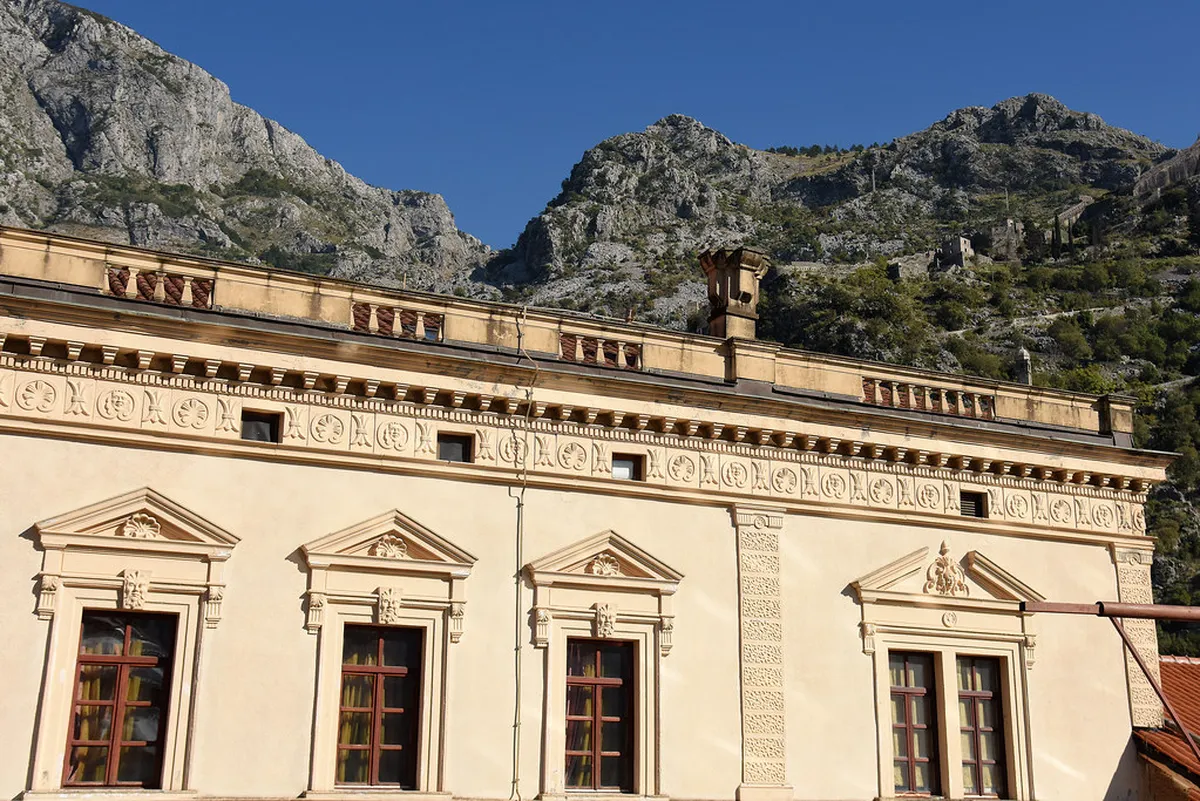
Budva, Montenegro, offers a vibrant culinary experience. This essential Budva local food guide helps you navigate its delicious options. You will find fresh seafood and hearty Montenegrin classics here. Prepare for an unforgettable gastronomic adventure in 2026.
The food scene blends coastal freshness with traditional inland flavors. Expect savory meats, delicious cheeses, and exquisite seafood dishes. Let's explore the best of Budva's cuisine. Plan your visit to this beautiful city with our helpful Budva itinerary.
Must-Try Traditional Budva Dishes
Turn this guide into a personal route with our free Budva itinerary planner.
Budva's cuisine draws from Montenegrin heritage. Many traditional dishes are a must-try for any visitor. They offer a true taste of the region's culinary history. These hearty meals reflect generations of local cooking.
Njeguški pršut is arguably Montenegro's most iconic food. This dry-cured, smoked ham originates from the village of Njeguši in the mountains above Kotor. It is cold-smoked over beech wood and aged in mountain air, giving it a deeper, more complex flavor than Italian prosciutto. Learn more from Wikipedia's Njeguški pršut overview. A starter plate of thinly sliced pršut with local cheese typically costs €8–€12. Ask for it at any traditional konoba in Budva's Old Town.
Another classic is Kajmak, a rich, creamy dairy product made from slowly heated milk. It pairs perfectly with freshly baked bread or grilled meats. Look for it in traditional konobas or local markets. Enjoy this unique local delicacy during your stay.
Don't miss Ćevapi, grilled minced meat sausages served with onions, ajvar, and flatbread. This popular Balkan dish is flavorful and satisfying. See Wikipedia's guide to Ćevapi for regional variations. Prices for a plate usually range from €6–€10. For more budget tips, check our Budva budget travel guide.
Cicvara is a traditional mountain comfort food — cornmeal slowly cooked with butter, fresh cream (skorup), and melted local cheese into a thick, savory porridge. It is harder to find on the coast, but a handful of konobas in Budva that specialize in inland Montenegrin cuisine serve it, usually at around €7–€9. Pair it with a glass of Vranac red wine.
Kacamak is cicvara's heartier northern cousin: a mix of mashed potato, cornmeal, and melted cheese cooked until creamy and dense. Read Kačamak on Wikipedia for Balkan variations. Traditionally a mountain dish from the Durmitor region, it has found its way onto menus in Budva that cater to visitors wanting the full Montenegrin food spectrum. Expect to pay €8–€11 as a main.
For a taste of home cooking, try Pasulj, a hearty bean soup with smoked meat. This warming dish is perfect for cooler evenings and is a staple at family-run eateries throughout Montenegro.
Fresh Seafood Delights in Budva
Being on the Adriatic coast, Budva excels in seafood. Fresh catches arrive daily from the clear blue waters. Seafood is a cornerstone of the Budva local food experience. Expect incredible flavors and quality ingredients.
Riblja čorba (fish stew) is a coastal staple you should not overlook. Made from the day's catch — often a mix of white fish, onions, peppers, and tomatoes — it is slowly simmered with red paprika and local herbs. The result is a deeply savory, warming broth that many locals eat as a starter before grilled fish. A bowl costs around €8–€12 in most seafood konobas.
Buzara is another classic: shrimp or mussels cooked in white wine, garlic, olive oil, and herbs, served with crusty bread for dipping. A portion usually costs €15–€25 depending on whether you order shrimp or a mixed shellfish version.
Black risotto (crni rižoto), made with cuttlefish ink, is an Adriatic specialty available in better-equipped seafood restaurants. It is intensely flavored, rich, and visually dramatic. Expect to pay €14–€18 for a main-course portion.
Grilled fish is a simple yet exquisite choice. Local fishermen supply various species each morning. Ask your server for the 'fish of the day.' Many restaurants weigh the fish before cooking it — mains run €10–€18 per 100g depending on species, with a typical portion 300–400g.
Calamari, both grilled and fried (pržene lignje), is another favorite. Fried calamari is crispy and tender; grilled calamari offers a lighter, smoky flavor. A full seafood platter (mješana riba) for two typically runs €30–€50 at Old Town restaurants. Many konobas along the waterfront specialize in seafood and offer stunning sea views — reservations are recommended in peak season. See our Budva Old Town highlights guide for the best waterfront spots.
Sweet Treats and Local Beverages
Budva's culinary journey extends to its delightful desserts. Traditional sweets provide a perfect end to any meal. Explore the local cafes for authentic experiences. These sweet stops are part of any great Budva local food adventure.
Palačinke are thin crepes filled with various ingredients. You can find them with chocolate, jam, or nuts. They are a beloved treat for locals and tourists alike. Many cafes offer this simple yet delicious dessert.
Krempita is a creamy custard slice, very popular in the Balkans. It features layers of flaky pastry and rich vanilla custard. This dessert is light, airy, and incredibly satisfying. Look for it in bakeries and pastry shops.
For beverages, try the local Montenegrin wine, Vranac. It is a robust red wine with a distinctive flavor. Many vineyards are found just inland from Budva. A glass typically costs €3-€6. You can also visit wineries on a Budva day trip.
Strong Turkish-style coffee is also widely consumed. Enjoy it slowly, often with a glass of water. It is a social ritual across the country. Many cafes offer outdoor seating. This allows you to people-watch while you sip. For a stronger kick, try Rakija, a traditional fruit brandy. Enjoy it responsibly as a digestif after dinner. Many different fruit varieties are available. Consider sampling a few types.
Budva Restaurants by Vibe & Budget (2026)
Finding the right restaurant enhances your Budva local food experience. We recommend seeking out traditional konobas for the best local flavors — they typically use family recipes and source ingredients from the same suppliers they have relied on for decades. Here is a snapshot of the best options across different vibes and price points in 2026.
| Restaurant | Cuisine / Vibe | Price per Person | Address / Location |
|---|---|---|---|
| Konoba Stari Grad | Traditional Montenegrin seafood, intimate konoba | €€ (€20–€35) | Budva Old Town |
| Citadela Restaurant | Scenic terrace dining on the citadel walls, seafood & grills | €€€ (€30–€50) | Old Town Citadel, Budva |
| Restaurant Jadran (Kod Krsta) | Classic beachfront seafood, local institution since decades | €€ (€18–€35) | Budva waterfront |
| Konoba Portun | Fresh seasonal menu, friendly service, changes daily | €€ (€15–€30) | Budva Old Town area |
| Rivijera | Grilled octopus, goat cheese plates, handmade pasta | €€ (€18–€35) | Budva riviera strip |
Citadela Restaurant deserves special mention for atmosphere: tables are set directly against the fortress walls with panoramic views over the Adriatic. Book ahead in July–August as it fills quickly. Mains range from €18–€30 for seafood; a full dinner with wine runs €35–€50 per person.
Restaurant Jadran (Kod Krsta) is a beachfront institution beloved by locals. Their seafood platter and riblja čorba are standout dishes. Arrive before 7 PM to secure a table without a reservation on busy evenings.
Always check opening hours before your visit. Most restaurants open for lunch around noon and stay open until late evening. Tipping around 10% is customary for good service in 2026. Explore more historic dining spots within the walled city — see our Budva Old Town highlights guide for a full neighbourhood walkthrough.
Budva's Markets and Street Food Scene
Exploring local markets is a great way to taste Budva's local food. They offer fresh produce, cheeses, and baked goods. This experience provides insight into daily life. It is also an excellent option for budget-conscious travelers.
The main **Pijaca** (market) in Budva is a vibrant spot. You'll find it near the bus station. Local vendors sell fresh fruits, vegetables, and homemade products. Operating hours are generally from 7 AM to 2 PM. Arrive early for the best selection.
Don't miss trying Burek from a local bakery. It is a savory pastry filled with meat, cheese, or spinach. Burek makes for a quick, affordable, and delicious breakfast or snack. A single portion usually costs €2-€4. You will find bakeries (pekara) everywhere.
Street food carts are less common but do exist. Look for grilled corn or roasted chestnuts in season. These simple treats offer authentic local flavors. They are perfect for enjoying while exploring the city. Learn more about navigating the city with our Budva transport guide.
Purchasing items from the market supports local farmers. You can also assemble your own picnic lunch. Grab some fresh bread, local cheese, and olives. Head to a beach for a delightful outdoor meal. This allows for a unique dining experience. Remember to bring a reusable bag for your purchases.
Frequently Asked Questions
What are the typical prices for a meal in Budva in 2026?
Meal prices in Budva vary widely. A casual lunch, like burek and a drink, costs €5-€8. A mid-range dinner at a konoba is €15-€30 per person. Fine dining experiences can range from €40-€70 per person. Seafood tends to be slightly more expensive.
Restaurants in the Old Town or along the waterfront might have higher prices. Venture slightly away for more budget-friendly options. Always check the menu before ordering. This helps manage your dining budget. For more savings, see our Budva budget guide.
Where can I find vegetarian options in Budva?
Finding vegetarian options in Budva is getting easier. Many restaurants offer salads, grilled vegetables, or pasta dishes. Look for traditional dishes like 'priganice' (fried dough balls) served with cheese. You can also find savory vegetable soups. Most konobas can adapt dishes upon request.
The local market is great for fresh produce. You can buy fruits and vegetables to make your own meals. Some modern cafes also cater to vegetarian diets. Don't hesitate to ask about ingredients. Enjoy a diverse range of meat-free dishes. A first-timer's itinerary can help locate vegetarian-friendly spots.
What Montenegrin dishes should I definitely try in Budva?
You should definitely try a few key Montenegrin dishes. Start with Pršut, the delicious cured ham. Also, taste Kajmak, a rich cream cheese. For a main course, Buzara (seafood stew) is excellent. Don't forget Ćevapi for a hearty meat option. These represent the core of Budva's local food scene.
For a truly local experience, seek out a traditional 'konoba.' They specialize in these authentic dishes. These eateries often use recipes passed down through generations. Embrace the local flavors. Your taste buds will thank you for this experience. Consult our travel site for more insights.
Are there any food tours or cooking classes in Budva for 2026?
In 2026, food tours and cooking classes are becoming more available. Some local agencies offer walking food tours that visit markets and tasting spots. Check with tourist information centers for current offerings.
Cooking classes are less common but can be arranged through boutique hotels or private chefs. This provides a hands-on way to learn traditional Montenegrin dishes. Consider incorporating one into your Budva itinerary.
What is the difference between cicvara and kacamak in Montenegrin cooking?
Both are traditional Montenegrin cornmeal dishes but differ in texture and ingredients. Cicvara is made from cornmeal cooked with fresh cream (skorup) and melted cheese, resulting in a lighter, creamier consistency. Kacamak incorporates mashed potato along with the cornmeal and cheese, making it denser and more filling — it is a classic northern mountain dish from the Durmitor region.
On the Budva coast, cicvara is slightly easier to find. Both cost around €7–€11 and are typically served as a main course in konobas that specialise in inland Montenegrin cuisine.
How much does a typical dinner out in Budva Old Town cost in 2026?
In 2026, a typical sit-down dinner in Budva Old Town costs around €20–€40 per person including a starter, main, and a glass of local wine or beer. A seafood main (grilled fish, buzara, or black risotto) runs €14–€25; a meat main like ćevapi or grilled lamb is €10–€18. Espresso costs €1.50–€2.50 and local Vranac wine by the glass €3–€6.
For the best value, eat at konobas a short walk outside the Old Town walls — prices drop noticeably. Budgeting around €15–€20 per person is realistic at those spots. See our Budva budget travel tips for a full cost breakdown.
Budva's local food scene offers a delightful journey for your palate. From fresh riblja čorba and Adriatic buzara to hearty mountain cicvara and fragrant njeguški pršut, there is much to savor across every price point in 2026. Embrace the rich flavors and friendly hospitality of Montenegro. Your culinary adventure awaits in this coastal gem.
Remember to explore local markets and try different konobas for the most authentic experience. Pair a great dinner with a night out — Budva has a lively bar scene worth exploring after your meal; our Budva nightlife guide for beginners covers the best spots. For the full trip picture, start with our complete Budva itinerary to tie food, sights, and evenings together seamlessly.
Key Takeaways
- Prioritize local konobas for authentic Montenegrin dishes.
- Don't miss fresh seafood like Buzara or grilled fish from the Adriatic.
- Visit the Pijaca (local market) for fresh produce and homemade treats.