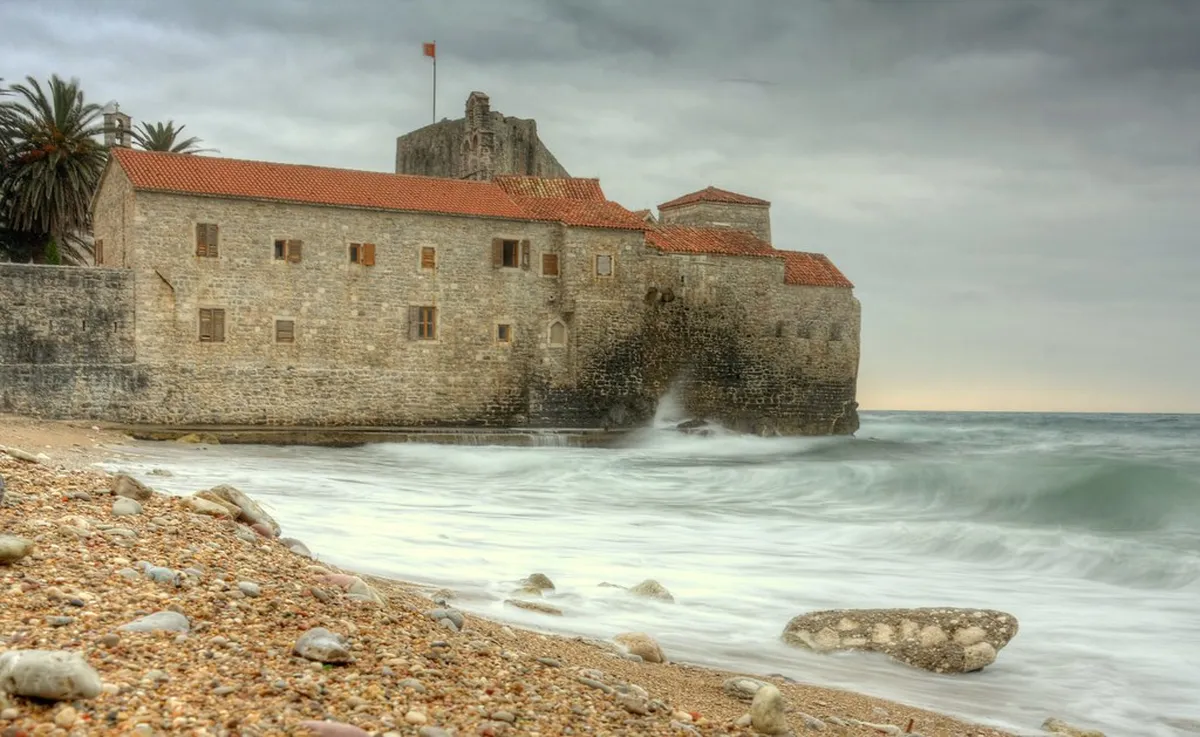
Budva, Montenegro, offers stunning coastal beauty. It combines rich history with vibrant nightlife. Many travelers seek Budva budget travel tips for their journey. This guide helps you explore without overspending. Prepare for an amazing 2026 adventure.
Discover how to enjoy Budva affordably. We share expert insights on saving money. You can have a fantastic trip here. Our tips ensure a memorable and cost-effective holiday in Budva.
Budva Daily Budget Breakdown (2026)
Turn this guide into a personal route with our free Budva itinerary planner.
Before diving into specific tips, it helps to know what a realistic daily spend looks like across different travel styles. Prices below reflect 2026 peak and shoulder-season averages in euros. For independent verification, check Numbeo's cost of living data for current local prices.
| Category | Shoestring (€/day) | Mid-Range (€/day) | Comfort (€/day) |
|---|---|---|---|
| Accommodation | €15–25 (hostel dorm) | €50–80 (guesthouse/Airbnb) | €100–150 (hotel) |
| Food | €10–15 (bakeries, supermarket, konobas) | €25–40 (mix of local & tourist restaurants) | €50+ (seafood restaurants, cocktails) |
| Transport | €1–3 (local bus) | €5–10 (bus + occasional taxi) | €15–30 (private transfers, car rental) |
| Activities | €0–5 (beaches, Old Town, walls) | €10–20 (Citadel entry, beach lounger) | €30–60 (boat trips, excursions) |
| Daily Total | €26–48 | €90–150 | €195–290 |
A solo backpacker staying in a hostel dorm, eating at local bakeries and konobas, and walking everywhere can genuinely live on €35–45 per day. Couples sharing a private room and dining out nightly typically land at €80–110 total. See our full Budva itinerary for a day-by-day spending example built around these tiers.
Smart Accommodation Choices in Budva
Finding affordable lodging is crucial. Budva offers many budget-friendly options. Consider guesthouses or private apartments. They often provide excellent value for money. Look for locations slightly away from the main Old Town.
Hostels are a superb choice for solo travelers. You can find dormitory beds for €15–€25 per night during shoulder season; expect to pay €25–€45 in peak summer (July–August). Always check recent reviews before booking. Freedom Hostel Budva is a popular option. Booking early ensures better prices for your Budva budget travel plans.
Booking platforms show various deals. Airbnb often lists rooms or entire apartments. Prices usually range from €30–€60 per night in spring and autumn. Compare options using sites like Booking.com. This helps secure the best rates.
Traveling in the shoulder season saves money. April, May, September, and October are ideal months. Accommodation costs drop significantly then. Always confirm prices and check cancellation policies.
Consider staying just outside the city center. Areas like Rafailovici or Becici offer lower prices. Local buses connect these areas easily. This requires a bit more travel time. Still, it helps your overall trip budget. Find detailed options on where to stay in Budva.
Eating Cheap and Delicious in Budva
Montenegrin cuisine is hearty and affordable. Skip expensive tourist trap restaurants. Explore local eateries and markets instead. You will find authentic tastes there. This strategy greatly reduces food expenses, perfect for Budva budget travel.
Visit local bakeries, known as 'pekara'. They sell fresh pastries and sandwiches daily. A savory burek with cheese costs around €2–€3. It makes a very filling breakfast or lunch. Look for these hidden gems away from the main promenade.
Grab groceries from local supermarkets. Voli and Idea are common, well-stocked chains. Prepare some meals at your apartment or hostel. This significantly reduces overall food expenses. Fresh produce and local cheeses are inexpensive buys.
Look for 'konobas' offering daily menus. These traditional restaurants serve home-style dishes. A full, satisfying meal might cost €8–€15. Try local specialties like cevapi (€5 for a portion), grilled fish, or prsut platters (€8). Discover more with our Budva local food guide.
Street food provides quick, cheap options. Pizza slices cost €4–€7; gyros and burek run €2–€5. Enjoy your meal with a scenic view by the sea. Also, try affordable gelato near the Old Town for around €1.50–€2.50 per scoop.
Budget-Friendly Transportation in Budva
Walking is the best way to see Budva. Many main attractions are close together. The Old Town is entirely pedestrian-friendly. You will save money on transport costs. Enjoy the beautiful coastal strolls and sea air.
Local buses connect different parts of Budva. A single ticket usually costs €1–€1.50. They run frequently during daylight hours. Check schedules carefully at bus stops. This is perfect for reaching distant beaches like Jaz.
Public transport also connects to nearby towns. You can reach Sveti Stefan in 25–40 minutes for €1.50–€2.50. A bus to Kotor costs just €4. Intercity buses are generally very reliable and much cheaper than private taxis. Plan your routes using Google Maps.
Avoid taxis whenever possible in Budva. They can be expensive for unsuspecting tourists. Always agree on a price before starting your journey. For getting around Budva, public buses are your best friend for a budget travel experience.
Consider renting a scooter for exploration. Daily rates start around €20–€30. This offers more flexibility for remote areas. Always wear a helmet and drive carefully. Factor in fuel costs for longer distances. For airport-to-city travel, see our breakdown of Budva airport transfer costs — shared shuttles start around €15 compared to €40+ for a private taxi.
Free & Cheap Things to Do in Budva (2026)
One of Budva's biggest selling points for budget travelers is how much you can do for free. The city's coastline, medieval streets, and outdoor viewpoints are all accessible without spending a cent. The official Budva tourism guide lists many more attractions beyond this essentials list. Here are the best zero- and low-cost activities in 2026.
- Mogren Beach (€0) — Two stunning coves connected by a rock tunnel, a short walk from Old Town. Arrive early to claim a free spot on the sand; beach loungers cost €10–€15 to rent if you want the comfort.
- Budva Old Town walls (€0–€3) — Much of the perimeter wall is freely walkable day and night. Some elevated sections charge a small entrance fee, but the ground-level stroll and exterior views are free.
- Stari Grad (Old Town) wandering (€0) — Cobblestone lanes, Venetian-style architecture, and small squares like Trg od Pesaka cost nothing to explore. Churches along the route are generally free to enter.
- Budva Promenade (€0) — The seafront walkway stretches several kilometers connecting beaches. An evening stroll here is a Budva institution and costs nothing.
- Zelena Pijaca Market (€0 to browse) — The colorful morning market sells fresh produce, local cheeses, olives, and prsut. Browse freely; vendors often offer tasting samples.
- Viewpoint hike to Sveti Nikola Island lookout (€0) — The hilltop path above Old Town delivers panoramic views of the entire Budva Riviera. A 20-minute walk from the center.
- Kamenovo Beach (€0) — Less crowded than the main beaches, Kamenovo has a free public section where you can spread a towel and swim without renting a sunbed.
- Citadel exterior (€0) / interior (€3.50) — Walking past and photographing the fortress is free. The €3.50 entry to go inside is one of Budva's best-value paid activities.
- Jaz Beach (€0 access + €1–€1.50 bus) — A long sandy beach 4 km from the center, reachable by local bus. No entry fee; just pay for the bus ticket.
- Sunset from the Rivijera terrace (€0) — The terrace area near the Old Town walls offers one of Montenegro's best free sunsets. Bring a supermarket beer (€1–€2) from Voli or Idea.
Budget tip: if you rent a beach lounger, negotiate in the late afternoon when vendors are more flexible. Rates that start at €10–€15 in the morning sometimes drop to €5–€8 after 3 PM.
Savvy Spending Tips and Local Insights
Montenegro uses the Euro as its official currency. Always carry some cash for smaller purchases. Many local shops prefer cash payments. ATMs are widely available across Budva. Be aware of potential ATM withdrawal fees — local machines often charge €2–€5 per transaction regardless of your home bank's fees. Use a fee-free travel card (Revolut, Wise) or withdraw larger amounts less frequently to minimize this. Check the ECB exchange rates before converting money.
Bargaining is generally not common in stores. However, you might negotiate taxi prices. For market stalls, a slight discount is sometimes possible. Be polite and friendly when trying this. This small effort can save you a little money.
Travel during the shoulder seasons for maximum savings. Spring (April–May) and autumn (September–October) are ideal. Crowds are smaller, the weather is pleasant, and accommodation can be 30–50% cheaper than peak July–August. This applies equally to accommodation, restaurant prices, and activity prices.
Tap water in Budva is generally considered safe to drink — fill a reusable bottle before you head out sightseeing to cut down on plastic bottle costs (€1–€2 per bottle at tourist kiosks). This also helps reduce plastic waste.
Consider purchasing comprehensive travel insurance. Unexpected events during your trip can be costly. A good policy covers medical emergencies and protects against trip cancellations or delays. This is a smart investment that can save hundreds if something goes wrong.
Frequently Asked Questions
What is a realistic daily budget for Budva in 2026?
A shoestring traveler staying in a hostel dorm (€15–€25) and eating at bakeries and konobas can manage on €35–€48 per day. A mid-range couple sharing a guesthouse and dining out will spend €90–€150 combined. See our Budva itinerary for a detailed day-by-day spending example.
What is the cheapest month to visit Budva?
May and October consistently offer the best value. Accommodation is 30–50% cheaper than peak summer, the beaches are less crowded, and temperatures are warm enough to swim (18–24°C). Avoid July and August if budget is your priority — prices spike and the town is packed.
Is tap water safe to drink in Budva?
Yes, tap water in Budva is generally safe and drinkable. Bring a refillable bottle from home to save €1–€2 per day on bottled water. This small habit adds up quickly over a week-long stay.
Are there many free attractions in Budva Old Town?
Yes, exploring Budva Old Town is mostly free. Wander its charming streets and admire the architecture. You can see the Citadel exterior for no charge — the interior entry is €3.50. Visiting local churches is also often free. Enjoy the atmosphere and historical sites without spending money.
How can I save money on transportation to Budva from the airport?
Intercity buses from Tivat or Podgorica airports are the most affordable option. Shared airport transfers start around €15 per person, while private taxis run €40+. Check our guide to Budva airport transfer costs for current prices and booking tips. Booking in advance secures better rates.
Budva offers an incredible travel experience. You can enjoy it without breaking the bank. These Budva budget travel tips will guide your journey. Embrace local culture and make smart choices.
Start planning your affordable Budva itinerary today. Make 2026 your year for a Montenegro adventure.
Key Takeaways
- Shoestring travelers can cover Budva comfortably on €35–€48 per day; couples on a mid-range budget typically spend €90–€150 combined.
- Opt for hostel dorm beds (€15–€25) or guesthouses outside Old Town, and travel in May or October for 30–50% lower accommodation prices.
- Savor cheap, delicious local food at 'pekara' bakeries (burek €2–€3) and traditional 'konobas' (mains €8–€15) rather than tourist-strip restaurants.
- Budva Old Town, Mogren Beach, the promenade, and the city walls are completely free — a full day of sightseeing can genuinely cost €0.
- Use local buses (€1–€1.50 per ride) for all transport; withdraw cash in larger amounts to avoid €2–€5 ATM fees per transaction.