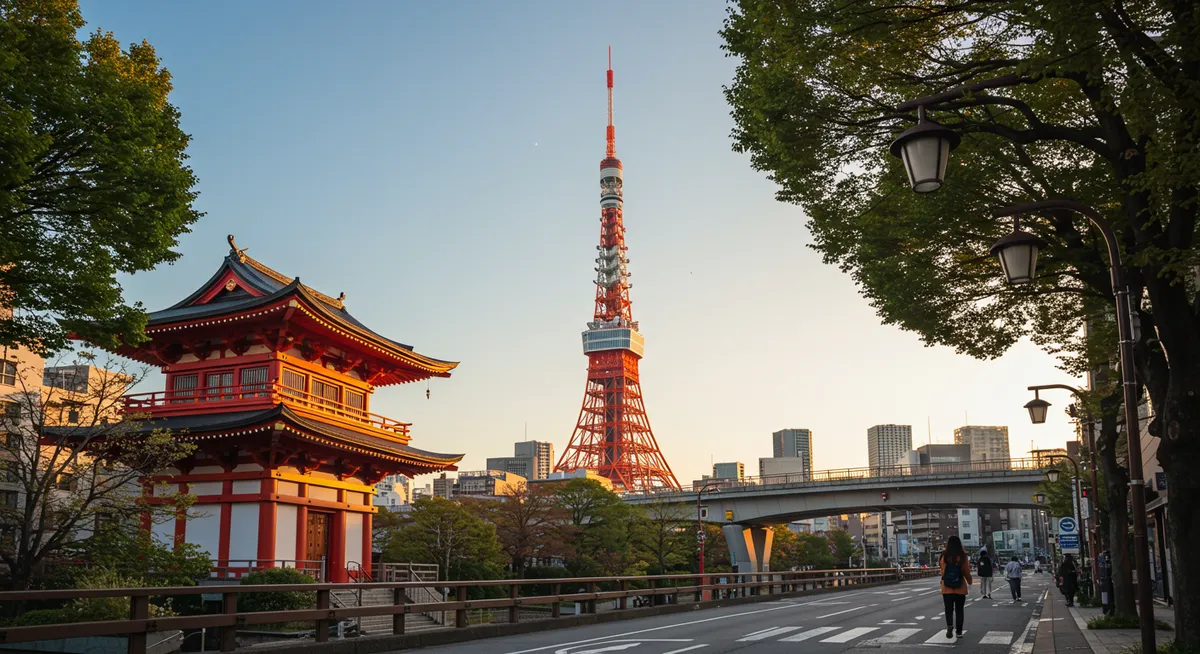
TL;DR: This 2026 Tokyo itinerary for 3 days takes you from ancient temples to neon-lit streets with a logical, neighbourhood-by-neighbourhood route. Day 1 covers west Tokyo (Meiji Shrine, Harajuku, Shibuya), Day 2 explores east Tokyo (Asakusa, Akihabara, Ueno), and Day 3 hits central highlights (Toyosu Market, teamLab Borderless, Ginza, Shinjuku). Budget roughly ¥12,000-16,000 per day and grab a 72-hour Tokyo Metro pass before you start.
Why 3 Days in Tokyo Works in 2026
Turn this guide into a personal route with our free Tokyo itinerary planner.
Three days is the sweet spot for a first visit to Japan's capital. You have enough time to experience the city's headline attractions, taste world-class street food, and still leave room for spontaneous detours. With the yen remaining favourable for international visitors in 2026 and new attractions like the expanded teamLab Borderless at Azabudai Hills drawing crowds, there has never been a better moment to plan a Tokyo itinerary for 3 days. If you are weighing whether this is sufficient, our detailed breakdown on whether 3 days is enough in Tokyo covers the trade-offs.
This guide organises each day by geography so you spend more time exploring and less time on trains. We also include 2026-specific tips on pricing, new openings, and the smartest transport passes available right now.
Day 1: West Tokyo — Meiji Shrine, Harajuku, and Shibuya
Morning: Meiji Jingu Shrine and Yoyogi Park
Start your Tokyo itinerary for 3 days at Meiji Jingu Shrine, one of the most visited Shinto shrines in Japan. Arrive by 8 AM to walk the forested approach path in relative quiet. The shrine is free to enter, and if you visit on a weekend you may witness a traditional wedding procession. After paying your respects, stroll through adjacent Yoyogi Park, where locals jog, practise martial arts, and walk their dogs under towering zelkova trees.
Late Morning: Harajuku and Takeshita Street
From Meiji Jingu, it is a five-minute walk to Harajuku. Takeshita Street is a narrow pedestrian lane packed with quirky fashion boutiques, crepe stands, and novelty shops. For a calmer experience, head to Cat Street and Omotesando Avenue, often called Tokyo's Champs-Elysees, where you will find flagship stores from global and Japanese designers. Harajuku is also home to some of Tokyo's best fashion districts worth exploring.
Afternoon and Evening: Shibuya
Walk south to Shibuya, arriving in time for lunch. Try a bowl of ramen at one of the neighbourhood's many specialist shops, with prices starting around ¥900. After eating, cross the legendary Shibuya Scramble Crossing, visit the Hachiko statue, and head up to Shibuya Sky for 360-degree views of the cityscape from 230 metres. Tickets cost ¥2,000 when booked online. As evening falls, the area transforms with neon signage and the energy of Shibuya's nightlife. Check out our full Tokyo shopping guide if you want to squeeze in retail therapy.
Day 2: East Tokyo — Asakusa, Akihabara, and Ueno
Morning: Senso-ji Temple and Nakamise-dori
Take the Ginza Line to Asakusa and begin at Senso-ji, Tokyo's oldest Buddhist temple, dating back to 645 AD. Pass through the iconic Kaminarimon (Thunder Gate) and walk the length of Nakamise-dori, a 250-metre shopping street selling traditional snacks like ningyo-yaki and freshly made senbei. Arrive before 9 AM to photograph the temple without crowds. The surrounding streets are excellent for breakfast — try a melon pan or a plate of fluffy Japanese souffle pancakes.
Late Morning: Sumida River Walk and Tokyo Skytree
Cross the Sumida River on the modern pedestrian bridge for views of Tokyo Skytree, Japan's tallest structure at 634 metres. If you want to go up, the Tembo Deck at 350 metres costs ¥2,100 for adults in 2026. Even without ascending, the Solamachi shopping complex at its base offers plenty of souvenirs and food courts. For a deeper look at what you can see from the top, browse our guide to Tokyo rooftop views.
Afternoon: Akihabara
Head south on the Tsukuba Express to Akihabara, the global capital of anime, manga, and electronics. Multi-story arcades line the streets, and retro gaming shops like Super Potato are a nostalgia goldmine. Budget around ¥100-300 per arcade game. Maid cafes are a uniquely Tokyo experience, with visits costing roughly ¥1,500-2,500 including a drink. If anime is not your thing, the electronics stores still offer great deals on cameras, headphones, and gadgets — especially with tax-free shopping for tourists spending over ¥5,500.
Evening: Ueno Park and Ameyoko
End your day in Ueno. The park itself houses the Tokyo National Museum, the National Museum of Western Art, and Ueno Zoo. Even a quick walk through the park is worthwhile for its wide paths and seasonal flowers. Just outside, Ameyoko market is a buzzing street market where vendors sell fresh seafood, dried fruits, cosmetics, and clothing at bargain prices. It is an excellent spot for a casual dinner of grilled seafood skewers and cold beer.
Day 3: Central Tokyo — Toyosu, teamLab, Ginza, and Shinjuku
Morning: Toyosu Fish Market
Wake up early and take the Yurikamome Line to Toyosu Market, the successor to the legendary Tsukiji inner market. The tuna auction viewing gallery opens to visitors from 5:30 AM (advance reservation required in 2026). Even if you skip the auction, the market restaurants serve some of the freshest sushi in the world. A premium sushi breakfast runs ¥3,000-5,000 and is worth every yen. The outer area of Tsukiji still operates for street food, so consider a visit there as well if time allows.
Late Morning: teamLab Borderless at Azabudai Hills
From Toyosu, ride the metro to the relocated teamLab Borderless at Azabudai Hills in Minato. This immersive digital art museum is one of Tokyo's most-visited attractions in 2026, with rooms of flowing light, interactive projections, and installations that respond to your movement. Book tickets online at least a week ahead — prices range from ¥3,800 to ¥5,600 depending on the time slot. Allow 2-3 hours for the full experience.
Afternoon: Ginza
Walk or take a short taxi ride to Ginza, Tokyo's most upscale shopping and dining district. Window-shop along Chuo-dori, visit the Ginza Six department store, or explore the backstreet galleries. For a more detailed look at what to buy, see our Ginza shopping guide. Lunch options here range from affordable tonkatsu sets (¥1,200) to high-end omakase experiences.
Evening: Shinjuku
Wrap up your Tokyo itinerary for 3 days in Shinjuku, the city's entertainment and nightlife hub. Start with free sunset views from the Tokyo Metropolitan Government Building observation deck on the 45th floor. Then dive into the narrow alleys of Golden Gai, a collection of over 200 tiny bars, each seating six to ten people. Omoide Yokocho (Memory Lane) nearby is the place for yakitori and beer in an atmospheric, smoke-filled setting. It is the perfect send-off before heading home.
Budget Breakdown for 3 Days in Tokyo (2026)
A realistic daily budget for a mid-range traveller in 2026 breaks down as follows:
- Accommodation: ¥7,000-10,000 per night for a business hotel or well-rated hostel private room
- Food: ¥3,500-5,000 per day (convenience store breakfasts, ramen or curry lunches, izakaya dinners)
- Transport: ¥800 per day with a 72-hour Tokyo Metro pass (approximately ¥1,600 total for the pass)
- Attractions: ¥1,500-3,000 per day depending on which paid sites you visit
Total: roughly ¥12,800-18,000 per day, or ¥38,400-54,000 for the full three days. Convenience stores like 7-Eleven, Lawson, and FamilyMart are your best friend for budget meals — onigiri (¥120), egg sandwiches (¥200), and fried chicken (¥250) are all excellent. For a thorough cost overview, read our Tokyo budget travel guide.
Getting Around Tokyo: Transport Tips for 2026
Tokyo's rail network is one of the most efficient in the world, and you will rely on it heavily during your 3-day stay. Here is what to know:
- IC Cards (Suica / Pasmo): Tap-and-go rechargeable cards accepted on all trains, buses, and many vending machines. In 2026, the digital Suica on Apple Wallet or Google Pay is the easiest option — physical cards are occasionally out of stock.
- 72-Hour Tokyo Metro Pass: Costs around ¥1,600 and covers unlimited rides on all nine Tokyo Metro lines and four Toei lines. Available at airport counters and major metro stations.
- JR Lines: Not covered by the metro pass. If you plan day trips from Tokyo by train, a JR Pass may be worthwhile, but for a pure city itinerary, the metro pass is sufficient.
- Walking: Many neighbourhoods (Harajuku to Shibuya, Asakusa temples, Ginza streets) are best explored on foot. Pack comfortable shoes.
For a more detailed transport breakdown, our Tokyo transportation guide covers every option.
Practical Tips for First-Time Visitors in 2026
- Cash is still king: While card acceptance has improved, many small restaurants, market stalls, and shrines are cash-only. Withdraw yen from 7-Eleven ATMs, which accept international cards with no hassle.
- Tax-free shopping: Spend over ¥5,500 at participating stores and show your passport to receive a 10% consumption tax refund on the spot.
- Etiquette basics: Do not talk on the phone on trains, do not tip at restaurants, and remove your shoes when entering traditional spaces. These small gestures go a long way.
- Pocket Wi-Fi or eSIM: Rent a pocket Wi-Fi device at the airport or activate an eSIM before arrival. Google Maps and translation apps are essential for navigating Tokyo's labyrinthine train stations.
- Luggage forwarding: If arriving with large bags, use Takkyubin (luggage delivery) to send suitcases from the airport to your hotel for around ¥2,000 per bag. It arrives the next day.
For packing specifics, our Tokyo packing list has you covered. If safety is a concern, review our Tokyo safety and etiquette guide.
Frequently Asked Questions
Is 3 days enough for Tokyo in 2026?
What is the best way to get around Tokyo for 3 days?
How much does 3 days in Tokyo cost in 2026?
What should I prioritise on a short Tokyo trip?
When is the best time to visit Tokyo?
Can I take a day trip from Tokyo during a 3-day visit?
Do I need to book attractions in advance for Tokyo in 2026?
A Tokyo itinerary for 3 days gives you the perfect introduction to one of the world's most exciting cities. From the tranquillity of Meiji Shrine to the sensory overload of Shinjuku at night, three well-planned days deliver memories that last far longer than the trip itself. For more detailed itineraries and custom trip planning, explore ItiMaker.com.