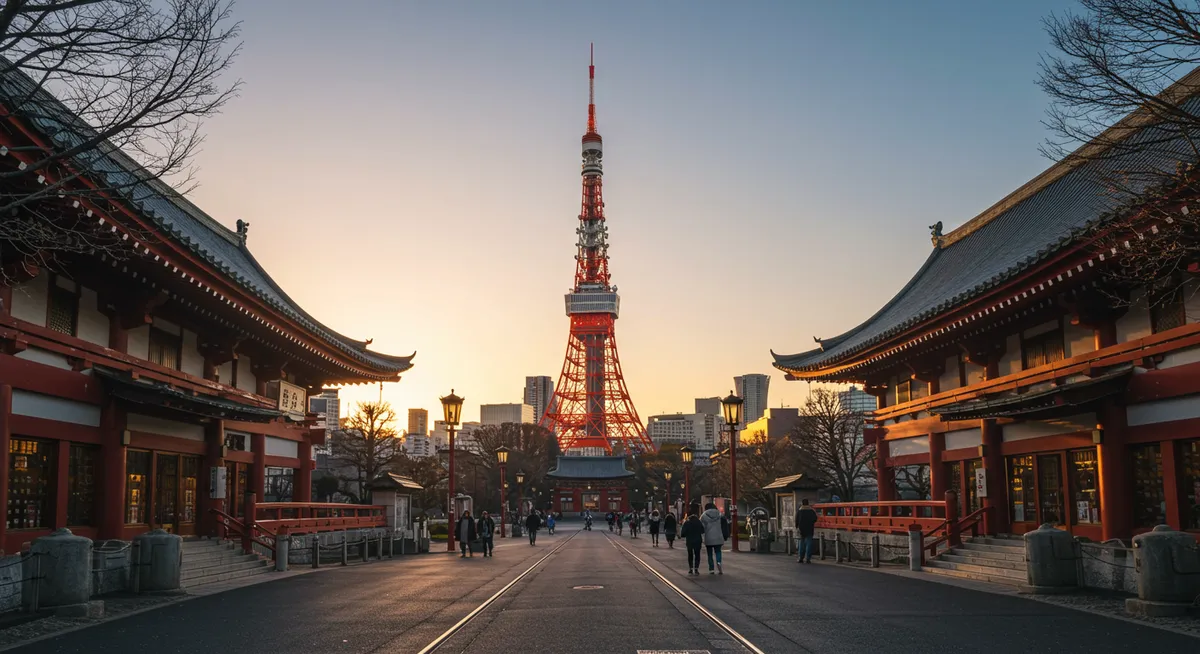
TL;DR: Five days is the sweet spot for exploring Tokyo in 2026. This itinerary covers Shinjuku, Shibuya, Harajuku, Asakusa, Ueno, Ginza, and Odaiba with practical budget tips (around $100-150/day mid-range), transportation advice using Suica/Pasmo IC cards, and neighborhood-by-neighborhood planning so you never waste a minute. Day trips to Kamakura or Mt. Fuji are optional on Day 5.
Tokyo is a city that rewards careful planning. With five days, you can experience the neon-lit energy of Shinjuku, the youth culture of Harajuku, centuries-old temples in Asakusa, upscale shopping in Ginza, and futuristic attractions in Odaiba without feeling rushed. This 5-day itinerary for Tokyo is designed for first-time and returning visitors in 2026, with updated recommendations for new attractions, current pricing, and practical logistics. For a broader overview of planning your Japanese adventure, start with our comprehensive Tokyo travel planning guide.
Before You Go: Budget and Transportation Essentials
Turn this guide into a personal route with our free Tokyo itinerary planner.
Getting around Tokyo is straightforward once you understand the system. Purchase a Suica or Pasmo IC card at any train station — it works on all JR lines, Tokyo Metro, buses, and even convenience store purchases. For a Tokyo-only trip in 2026, an IC card is generally cheaper than a Japan Rail Pass unless you plan extended travel to Kyoto or Osaka. Budget roughly 1,000-1,500 yen per day for transportation. Check our Tokyo transportation guide for detailed route planning.
For a comfortable mid-range experience in 2026, budget approximately $100-150 USD per day (excluding accommodation). This covers transportation, three meals, attraction entry fees, and some shopping. Budget travelers can manage on $50-70/day by eating at convenience stores and ramen shops, while luxury travelers should expect $250+ per day. Accommodation ranges from $35/night for hostel dorms to $100-200/night for business hotels in Shinjuku or Shibuya. For more savings strategies, see our Tokyo budget travel guide.
Day 1: Arrival and Shinjuku's Neon Energy
Arrive at Narita (NRT) or Haneda (HND) Airport and transfer to your accommodation in Shinjuku, one of the best base locations for a 5-day Tokyo stay. The Narita Express takes about 80 minutes to Shinjuku Station, while Haneda is just 30 minutes by monorail and transfer. Once settled, begin with a peaceful afternoon at Shinjuku Gyoen National Garden (500 yen entry in 2026), a stunning 144-acre park blending Japanese, English, and French garden styles. The contrast between the tranquil greenery and surrounding skyscrapers is unforgettable.
Next, head to the Tokyo Metropolitan Government Building for free panoramic views from the 45th-floor observation deck — on clear days, you can see Mount Fuji. As evening arrives, explore the electric atmosphere of Kabukicho and Golden Gai. The narrow alleys of Golden Gai hold over 200 tiny bars, each seating just 6-10 people. End your first night with dinner at a local izakaya or try the ramen shops along Shinjuku's back streets. Coordinate your multi-day plans with our extended Tokyo itinerary guide.
Day 2: Shibuya, Harajuku, and Meiji Shrine
Day two of your 5-day itinerary for Tokyo dives into the city's most iconic neighborhoods. Start at Shibuya Crossing, the world's busiest pedestrian intersection where up to 3,000 people cross simultaneously during peak hours. Watch the spectacle from the Starbucks overlooking the crossing or from the Shibuya Sky observation deck (2,000 yen) for aerial views. Pay respects at the Hachiko statue outside Shibuya Station, commemorating Japan's most loyal dog.
Walk north to Harajuku, the epicenter of Tokyo's youth fashion and street culture. Takeshita Street bursts with colorful boutiques, crepe stands, and themed cafes. For a deeper look at Tokyo's fashion scene, explore our Tokyo fashion shopping guide. After the sensory overload, find calm at Meiji Jingu Shrine, set within a 175-acre forested park that feels miles from the city. The towering torii gate at the entrance is one of Tokyo's most photographed landmarks. In the afternoon, browse the boutiques along Omotesando — often called Tokyo's Champs-Elysees — or explore Cat Street for independent designers. Check out our Tokyo shopping guide for the best finds in each district.
Day 3: Historic Asakusa and Cultural Ueno
Today immerses you in Tokyo's rich historical and artistic heritage. Start early in Asakusa at Senso-ji Temple, Tokyo's oldest Buddhist temple founded in 645 AD. Approach through the iconic Kaminarimon (Thunder Gate) and walk Nakamise-dori, a 250-meter shopping street selling traditional snacks, handmade crafts, and souvenirs. Arrive before 9 AM to experience the temple grounds without heavy crowds. Consider renting a kimono from one of the nearby shops for an immersive cultural experience and memorable photographs. For more temple experiences, browse our Tokyo temples and shrines guide.
After lunch, take the Ginza line to Ueno. Ueno Park is home to several world-class museums, including the Tokyo National Museum (the largest art museum in Japan), the National Museum of Western Art (a UNESCO World Heritage site), and the National Museum of Nature and Science. If museums are not your focus, simply stroll through Ueno Park and visit Shinobazu Pond. The Ameyoko market street near Ueno Station is excellent for street food and bargain shopping. This day beautifully contrasts centuries-old traditions with modern cultural institutions, showing why Tokyo is endlessly fascinating for travelers in 2026.
Day 4: Upscale Ginza and the Imperial Palace
Begin your morning with a culinary adventure at Tsukiji Outer Market. While the inner wholesale market moved to Toyosu, the outer market remains a food lover's paradise with over 400 shops and stalls. Try fresh sushi for breakfast, tamagoyaki (Japanese rolled omelet), and grilled seafood skewers. Arrive by 7 AM for the freshest selections. For a comprehensive food guide, see our Tokyo food guide and Tokyo street food guide.
From Tsukiji, walk to the upscale Ginza district, where luxury department stores like Mitsukoshi and Ginza Six showcase the finest Japanese and international brands. Even if high-end shopping is not on your agenda, Ginza's architecture and window displays are worth seeing. Continue to the Imperial Palace East Gardens, the beautifully maintained grounds of the former Edo Castle. Entry is free, and the gardens offer a peaceful retreat with seasonal flowers, stone walls, and moats. This stretch of your 5-day itinerary for Tokyo blends modern sophistication with Japan's imperial history. Explore more with our Ginza shopping guide.
Day 5: Odaiba or a Day Trip Adventure
For your final full day, you have two excellent options. Option A: Explore Odaiba, Tokyo's futuristic waterfront island reached via the scenic Yurikamome monorail across Rainbow Bridge. Visit teamLab Planets (3,800 yen in 2026), an immersive digital art museum where you walk barefoot through water and light installations. See the life-sized Unicorn Gundam statue at DiverCity, and catch views of Tokyo Bay and the Rainbow Bridge from Odaiba Seaside Park.
Option B: Take a day trip outside Tokyo. Popular 2026 choices include Kamakura for the Great Buddha and coastal temples (1 hour by train), Mt. Fuji for jaw-dropping views from Kawaguchiko (2 hours by bus), or Nikko for its ornate UNESCO World Heritage shrines. Browse all options in our Tokyo day trips guide. If your schedule allows more time, consider extending with our 7-day Tokyo itinerary, or if you have less time, our 4-day Tokyo itinerary covers the essentials efficiently.
Where to Stay in Tokyo for 5 Days
Your choice of neighborhood makes a significant difference. Shinjuku is the top recommendation for first-timers — it offers excellent train connections, diverse dining, and nightlife. Shibuya suits travelers who want to be near trendy shopping and cafes. Asakusa is ideal for those who prefer a traditional atmosphere at a lower price point. Ginza/Tokyo Station area works well for travelers planning day trips, as Tokyo Station is the hub for bullet trains. Whichever area you choose, ensure your hotel is within a 10-minute walk of a subway station. For family-specific guidance, read our Tokyo family travel guide. Solo travelers should check our solo travel Tokyo guide.
Frequently Asked Questions
Is 5 days enough for Tokyo in 2026?
What is the best way to get around Tokyo?
How much does a 5-day trip to Tokyo cost in 2026?
What should I pack for 5 days in Tokyo?
When is the best time to visit Tokyo?
Where is the best area to stay in Tokyo for 5 days?
This 5-day itinerary for Tokyo gives you a balanced mix of modern attractions, historical landmarks, culinary adventures, and cultural experiences that make the city one of the world's most rewarding destinations in 2026. Every traveler moves at a different pace, so adjust the schedule to match your interests. For more detailed insights and personalized trip planning, explore our resources at ItiMaker.