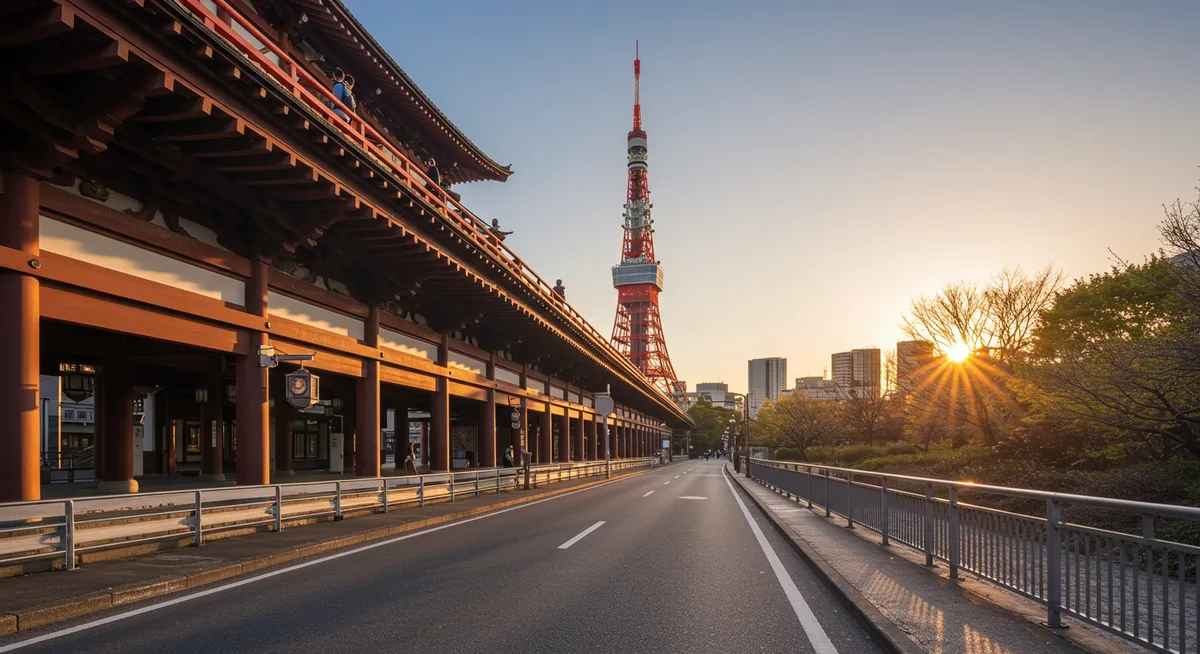
TL;DR: This 2026 itinerary for Tokyo 4 days splits the city into logical neighborhood zones so you spend less time on trains and more time exploring. Day 1 covers western Tokyo (Shinjuku and Shibuya), Day 2 dives into traditional eastern Tokyo (Asakusa and Ueno), Day 3 tackles pop-culture hubs and immersive art (Harajuku, Akihabara, and teamLab), and Day 4 offers a flexible half-day trip or final sightseeing before departure. We also cover transport passes, budget tips, and the best times to visit.
Tokyo is a city that rewards strategic planning. With more than 2,000 temples and shrines, 160,000 restaurants, and a rail network that moves 8 million riders daily, trying to "see everything" in four days is a recipe for exhaustion. The smarter approach is to cluster your sightseeing by neighborhood, minimizing transit time while maximizing the depth of each experience.
This itinerary for Tokyo 4 days does exactly that. Whether you are visiting Tokyo for the first time in 2026 or returning after the post-pandemic boom, this guide groups attractions into geographic zones so every day flows naturally from morning to night. If you have fewer days, our 3-day Tokyo itinerary condenses the highlights, and travelers with more time can expand with our 5-day Tokyo itinerary.
Before You Go: Transport Passes and Budget Tips for 2026
Turn this guide into a personal route with our free Tokyo itinerary planner.
Getting around Tokyo efficiently is the single biggest factor that determines whether your trip feels relaxed or rushed. Here is what you need to know for 2026.
IC Cards (Suica / Pasmo): These rechargeable transit cards work on JR trains, Tokyo Metro, Toei Subway, buses, and even convenience stores. Load around 3,000 to 5,000 yen for four days of central Tokyo travel. As of 2026, physical Suica cards are available again at major JR stations, and Apple Wallet Suica remains the most convenient option for iPhone users.
Tokyo Subway Ticket: Available in 24-hour, 48-hour, and 72-hour versions, this pass covers unlimited rides on all Tokyo Metro and Toei Subway lines. The 72-hour pass costs 1,500 yen and pays for itself if you take four or more subway rides daily. For this four-day itinerary, pairing a 72-hour subway ticket with a single-day Suica top-up on your day trip day is the most cost-effective combo.
Daily budget breakdown: Budget travelers can manage on 8,000 to 12,000 yen per day (hostel or capsule hotel, konbini meals, free attractions). Mid-range travelers typically spend 15,000 to 25,000 yen per day (business hotel, mix of casual and sit-down restaurants, two to three paid attractions). Many of Tokyo's best experiences, including shrine visits, neighborhood walks, and market browsing, are completely free.
Day 1: Western Tokyo — Shinjuku, Meiji Shrine, and Shibuya
Start your itinerary for Tokyo 4 days on the western side of the city, where modern skyscrapers and neon-drenched streets set the tone for your trip.
Morning — Shinjuku Gyoen National Garden: Arrive early at this 144-acre oasis before the crowds build. The garden blends three distinct styles (Japanese traditional, English landscape, and French formal) and is stunning in every season. Cherry blossoms peak in late March to early April, while autumn foliage lights up November. Entry costs just 500 yen.
Late morning — Tokyo Metropolitan Government Building: Walk ten minutes north to the twin-towered government building for free 360-degree panoramic views from the 45th-floor observation deck. On clear days, Mount Fuji is visible to the west. This is one of the best free activities in all of Tokyo and a far less crowded alternative to paid observation decks.
Afternoon — Meiji Shrine: Take the JR Yamanote Line one stop to Harajuku Station and enter the forested approach to Meiji Shrine. This Shinto shrine, set within 170 acres of evergreen forest, honors Emperor Meiji and Empress Shoken. The walk along the gravel path beneath towering camphor trees feels worlds away from the city outside. The shrine is open sunrise to sunset and free to enter.
Evening — Shibuya Crossing and dinner: Head south to Shibuya, where the world's busiest pedestrian crossing pulses with energy every 90 seconds. Watch the spectacle from the Shibuya Sky observation deck (2,000 yen) or the Starbucks on the second floor of Tsutaya for free. Afterward, explore the dining options in Shibuya's side streets. Genki Sushi offers budget-friendly conveyor-belt sushi, while Uobei near Shibuya Station serves plates starting at 100 yen. End the night with a stroll through the neon-lit Center-gai for a true taste of Tokyo after dark.
Day 2: Eastern Tokyo — Asakusa, Ueno, and Akihabara
Day two shifts to the traditional east side, where centuries-old temples sit alongside world-class museums and otaku culture.
Morning — Senso-ji Temple and Nakamise-dori: Get to Senso-ji by 8 AM to experience Tokyo's oldest temple before the tour buses arrive. Walk through the iconic Kaminarimon (Thunder Gate) and browse Nakamise-dori's 250 meters of stalls selling senbei rice crackers, matcha treats, and traditional crafts. The temple grounds are free and open 24 hours, though the main hall opens at 6 AM.
Mid-morning — Tokyo Skytree: A 15-minute walk north from Senso-ji brings you to Tokyo Skytree, the tallest tower in Japan at 634 meters. The Tembo Deck at 350 meters offers sweeping views, and on clear mornings, Mount Fuji appears on the western horizon. Book tickets online in advance to skip the queue. The base complex, Tokyo Solamachi, has 300 shops and restaurants if you want to browse.
Afternoon — Ueno Park and Museums: Take the Ginza Line to Ueno Station and spend two to three hours in Ueno Park. The Tokyo National Museum houses the world's largest collection of Japanese art (1,000 yen entry). The National Museum of Nature and Science is excellent for families. Shinobazu Pond, covered in lotus flowers during summer, provides a peaceful spot to rest.
Evening — Akihabara: One stop south on the JR Yamanote Line lands you in Akihabara, Tokyo's electric town. Even if anime and manga are not your thing, the multi-story electronics shops, retro game arcades, and themed cafes are a sensory experience unlike anywhere else. Browse the floors of Yodobashi Camera or hunt for vintage games at Super Potato. For dinner, try one of the area's ramen shops; Fuunji (technically in Shinjuku) consistently ranks among Tokyo's best for tsukemen dipping noodles.
Day 3: Pop Culture, Immersive Art, and Shopping
Your third day balances Tokyo's youth-culture epicenter with one of the most talked-about art experiences in the world.
Morning — Harajuku and Takeshita Street: Start at Harajuku Station and dive into Takeshita Street, a narrow lane packed with quirky fashion boutiques, crepe stands, and themed cafes. The street is most lively on weekends. After Takeshita, walk along Omotesando, often called Tokyo's Champs-Elysees, for high-end architecture and flagship stores from global brands.
Late morning — Cat Street and Ura-Harajuku: Parallel to Omotesando, Cat Street offers independent designers, vintage shops, and excellent coffee at roasters like Koffee Mameya. This is where locals shop, away from the tourist crush of Takeshita. It is a hidden gem that many 4-day itineraries overlook.
Afternoon — teamLab Borderless (Azabudai Hills): Reserve at least two hours for teamLab Borderless, which reopened at Azabudai Hills in 2024 after its original Odaiba location closed. The immersive digital art museum features rooms of flowing, reactive light installations that blur the boundary between artwork and viewer. Tickets sell out days in advance, so book online as early as possible. Adult entry is 3,800 yen in 2026.
Evening — Roppongi or Ginza: From Azabudai Hills, Roppongi is a short walk. Visit the Mori Art Museum for contemporary exhibitions, then take in the city view from Roppongi Hills Sky Deck. Alternatively, head to Ginza for upscale department stores like Mitsukoshi and Ginza Six, followed by dinner at a mid-range izakaya. Ginza also has some of Tokyo's best sushi restaurants, from the legendary to the affordable.
Day 4: Flexible Day — Day Trip or Final Exploration
Your last day is intentionally flexible. Choose one of the following options based on your interests, energy, and departure time.
Option A — Day trip to Kamakura (recommended): Take the JR Yokosuka Line from Tokyo Station to Kamakura (about 60 minutes, covered by Suica). This coastal town south of Tokyo is home to the Great Buddha (Kotoku-in), the bamboo groves of Hokoku-ji Temple, and the beachside shrines of Enoshima Island. It is an excellent contrast to central Tokyo and manageable as a half-day or full-day trip. For more day trip ideas, see our Tokyo day trips by train guide.
Option B — Day trip to Hakone or Mount Fuji: If seeing Mount Fuji is a priority, take the Odakyu Romance Car from Shinjuku to Hakone (85 minutes). The Hakone Free Pass (6,100 yen for two days) covers ropeways, cruise boats, and buses. Clear mornings between October and May offer the best Fuji views from Lake Ashi. Check out our detailed day trips from Tokyo to Mt. Fuji guide for planning.
Option C — Toyosu Market, Imperial Palace, and Ginza: For those staying in Tokyo, start with an early breakfast at Toyosu Market's restaurant area (the successor to Tsukiji's inner market), then walk the East Gardens of the Imperial Palace (free, closed Mondays and Fridays). Spend your final hours shopping in Ginza or picking up souvenirs at Tokyo Station's underground Gransta mall, which has the best selection of regional Japanese sweets and bento boxes.
Where to Stay: Best Neighborhoods for a 4-Day Visit
Your hotel location matters more in Tokyo than in most cities because of how spread out the neighborhoods are. For this itinerary for Tokyo 4 days, prioritize staying near a major JR Yamanote Line station.
Shinjuku: The best all-around base. Multiple train lines converge here, making every neighborhood in this itinerary reachable within 30 minutes. Budget to mid-range hotels cluster around the east exit.
Shibuya: Slightly trendier and closer to Harajuku and Omotesando. The Tokyu Toyoko Line also connects directly to Yokohama if you want to extend your trip.
Asakusa: Ideal if you prefer a traditional atmosphere and want to be steps from Senso-ji and Skytree. Budget-friendly hostels are plentiful here, and the Ginza Line connects you to central Tokyo in 15 minutes.
Tokyo Station area: Best for travelers arriving by or using the Shinkansen, with easy access to the Imperial Palace and direct trains to Narita and Haneda airports.
Best Time to Visit Tokyo in 2026
Tokyo is a year-round destination, but certain seasons align better with a four-day trip.
Spring (late March to mid-May): Cherry blossom season peaks in late March to early April 2026. Parks like Shinjuku Gyoen, Ueno Park, and Meguro River transform into pink canopies. This is peak tourist season, so book accommodation and teamLab tickets well in advance.
Autumn (October to November): Comfortable temperatures, vibrant foliage, and fewer crowds than spring make autumn the sweet spot for many travelers. Meiji Shrine's Gaien Ginkgo Avenue turns golden in mid-November.
Winter (December to February): Cold but dry weather, minimal crowds, and illumination events across the city. Winter is also the best season for clear Mount Fuji views from Tokyo.
Summer (June to August): Hot and humid with occasional typhoons, but summer brings festivals (matsuri), fireworks over the Sumida River, and the liveliest street food scenes. If you visit in summer, plan indoor activities during midday.
Frequently Asked Questions
Is 4 days enough for Tokyo in 2026?
What is the best transport pass for 4 days in Tokyo?
How much does a 4-day Tokyo trip cost in 2026?
What are the must-see attractions in a 4-day Tokyo itinerary?
What should I eat during 4 days in Tokyo?
Do I need to book attractions in advance for Tokyo in 2026?
This itinerary for Tokyo 4 days in 2026 is designed to give you the richest possible experience without the stress of over-scheduling. By organizing your days around geographic clusters, you will spend your time where it matters most: walking through temple grounds, exploring backstreet izakayas, watching the city light up from an observation deck, and discovering the quiet corners that make Tokyo unlike any other city on earth. If you are considering a longer stay, our 10-day Japan and Tokyo itinerary builds on this foundation with deeper dives into additional neighborhoods and regional day trips.