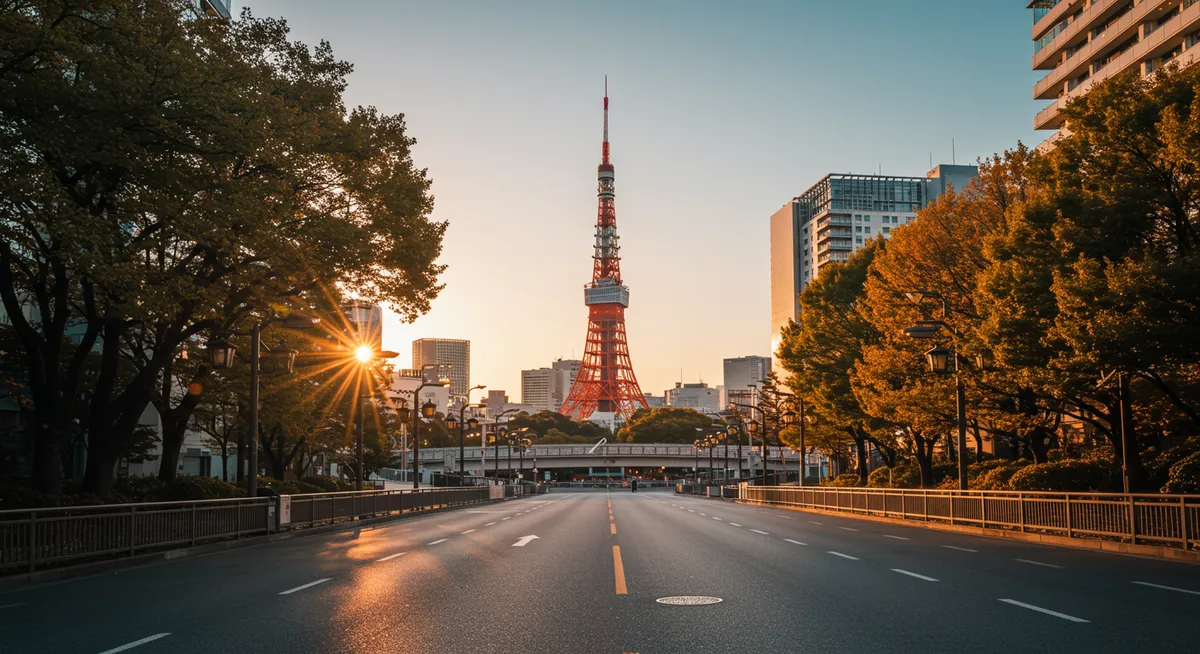
- Yes, 3 days is enough to hit Tokyo's must-see highlights with smart planning.
- Group sights by neighborhood each day to minimize transit time.
- Budget: ¥10,000–¥20,000/day (approx. $65–$130 USD in 2026) covers food, transport, and most entry fees.
- Get a Suica IC card at the airport — it works on all trains, buses, and convenience stores.
- Tokyo Metro 72-hour pass (¥1,500 in 2026) is excellent value for a 3-day stay.
As a travel writer who has spent weeks navigating Tokyo's 23 wards across multiple visits, one question I hear constantly is: "Is 3 days enough in Tokyo?" The honest answer is yes — with intentional planning. You won't see every hidden alley in Shimokitazawa or every temple in Yanaka, but 72 hours is plenty to experience the ancient, the modern, the delicious, and the utterly mind-bending sides of Japan's capital. I've built this 2026 guide to give you the exact framework I'd hand a close friend flying into Narita for the first time. For a ready-made day-by-day route, jump straight to our Tokyo itinerary for 3 days.
Three days in Tokyo works best when you organize each day around a geographic cluster of neighborhoods, so you're walking between sights rather than riding the train for 45 minutes between every stop. The city is enormous — home to roughly 14 million people in the 23 wards alone — but its train network is so efficient that with a little forethought, you can cover a tremendous amount of ground. For deeper Reddit-sourced advice on budgeting, neighborhoods, and practical tips, check out our Tokyo trip Reddit guide.
In 2026, entry to many of Tokyo's best sights remains free or very cheap: the Tokyo Metropolitan Government Building observation deck is free, the Imperial Palace East Garden costs nothing, and the Meiji Jingu Shrine requires no ticket. That means your budget goes further than you'd expect for a major world capital.
Day 1: Shibuya, Harajuku, and Shinjuku — Tokyo's Modern Heartbeat
Turn this guide into a personal route with our free Tokyo itinerary planner.
I always recommend starting in west Tokyo, where the city's energy hits you immediately and the sights are clustered tightly enough to walk between most of them.
Morning: Meiji Jingu Shrine and Harajuku
Start at Meiji Jingu Shrine, a Shinto shrine set in a 70-hectare forested park. Arrive before 9 AM to walk the gravel paths in near-silence — a genuinely moving experience even for non-religious visitors. Admission is free. From there, step onto Takeshita Street in Harajuku (a 5-minute walk), where Japanese youth fashion and wildly decorated crepes have made this lane internationally famous. Budget ¥500–¥800 for a crepe breakfast from one of the iconic stalls.
Afternoon: Shibuya Crossing and Sky Views
Head south to Shibuya Crossing, often called the world's busiest pedestrian intersection. Watch the scramble from street level, then ascend to Shibuya Sky (rooftop observation deck, ¥2,000 in 2026) for a bird's-eye view over the crossing and the city skyline. Book Shibuya Sky tickets online in advance — it sells out, especially on weekends.
Evening: Shinjuku Golden Gai and Omoide Yokocho
Take the train to Shinjuku for dinner. Omoide Yokocho ("Memory Lane") is a narrow alley of tiny yakitori grills — I had some of the best skewers of my life here for under ¥2,000 including drinks. Alternatively, explore Golden Gai, a cluster of impossibly small bars each seating 6–8 people, each with its own theme. End the night with a free panoramic view from the Tokyo Metropolitan Government Building observation deck (open until 10:30 PM on most nights).
Day 2: Asakusa, Ueno, and Akihabara — History Meets Pop Culture
Day two swings to east and central Tokyo, where you'll find the city's oldest standing temple, Japan's most celebrated park, and the neon-lit electronics district beloved by anime fans worldwide.
Morning: Senso-ji Temple and Nakamise Market
Senso-ji in Asakusa is Tokyo's oldest temple, founded in 628 AD. Walk through the iconic Kaminarimon Gate (the giant red lantern) and down Nakamise-dori market for traditional snacks — ningyo-yaki (character-shaped cakes, ¥300–¥500) and ningyo-yaki are must-tries. I recommend arriving at 8 AM before tour groups arrive; the incense smoke, the chanting, and the early morning light make it genuinely atmospheric. Admission is free.
Afternoon: Ueno Park Museums
A 15-minute walk brings you to Ueno Park, home to the Tokyo National Museum (¥1,000 entry in 2026), Japan's largest museum of art and antiquities. Even an hour here is rewarding. The park itself is beautiful for a stroll. If you prefer contemporary art, the Mori Art Museum in Roppongi is worth considering as an alternative (¥2,000 in 2026).
Evening: Akihabara Electric Town
Akihabara is a 10-minute train ride from Ueno. This is Tokyo's electronics and anime district — multi-storey buildings stacked with retro games, figures, manga, and gadgets at every price point. Even if you're not an anime fan, the sensory overload is fascinating. Grab dinner at one of the ramen shops along Chuo-dori (¥800–¥1,200 a bowl).
Day 3: Teamlab, Odaiba, and the Imperial Palace — Futurism and Calm
Save your third day for the experiences that set Tokyo apart from every other city on earth: immersive digital art and a serene walk through imperial history.
Morning: Tsukiji Outer Market Breakfast
Tsukiji Outer Market is still the best place in Tokyo for a market breakfast in 2026. The famous inner market moved to Toyosu in 2018, but the outer market remains open, teeming with fresh tamagoyaki (rolled egg), uni (sea urchin), and tuna sashimi from ¥500–¥1,500 per item. Go hungry.
Morning/Afternoon: Imperial Palace East Garden
A short taxi or subway ride brings you to the Imperial Palace East Garden. Admission is free; the gardens are meticulously maintained and offer remarkable calm right in the heart of the city. Walking the gravel paths around the old Edo Castle foundations, I found it one of the most underrated spots in Tokyo.
Afternoon/Evening: TeamLab Planets or TeamLab Borderless
teamLab Planets in Toyosu (¥3,200 in 2026) and teamLab Borderless (reopened in 2024 at Azabudai Hills, ¥3,800 in 2026) are world-class digital art museums. Both use projections, mirrors, and sensory installations to create spaces that feel otherworldly. Book tickets weeks in advance — both sell out regularly. I found teamLab Planets slightly more emotionally impactful; teamLab Borderless is larger and more varied. Either one will be a highlight of your trip.
Optional: Odaiba at Sunset
If energy allows, head to Odaiba on Tokyo Bay for futuristic architecture, the Rainbow Bridge views at sunset, and the life-size Gundam statue (free to view). The Yurikamome monorail ride over the bay is itself a memorable experience.
Budget Breakdown for 3 Days in Tokyo (2026)
Here's a realistic daily cost estimate for 2026, based on current prices and the weak yen exchange rate:
- Budget traveler: ¥10,000–¥15,000/day ($65–$100 USD) — hostel dorms ($20–$30/night), convenience store meals, free sights
- Mid-range traveler: ¥20,000–¥35,000/day ($130–$225 USD) — private hotel room, restaurant meals, paid attractions
- Transport: Tokyo Metro 72-hour pass costs ¥1,500 ($10) in 2026 — exceptional value for 3 days
- Food: ¥1,000–¥2,000 per meal at local restaurants; convenience store onigiri from ¥130
- TeamLab + Shibuya Sky: Budget ¥5,200–¥5,800 for both (book online)
- Tipping: Tipping is not customary in Japan and can actually cause confusion — the price you see is the price you pay
The weak yen in 2026 continues to make Tokyo significantly more affordable for visitors paying in USD, EUR, or GBP compared to pre-2022 rates. A meal that cost $15 equivalent five years ago now costs closer to $8–$10. Combined with the abundance of free attractions, a 3-day Tokyo trip offers exceptional value for a world-class capital city.
For a detailed planning checklist and tools to build your own itinerary, visit our full Tokyo itinerary guide. If you're weighing whether to extend your stay, read our comparison: Is 5 days in Tokyo enough?
Essential Transport Tips for a 3-Day Tokyo Trip
Tokyo's train network is one of the world's most efficient and punctual systems. Here's what you need to know in 2026:
- Suica IC card: Pick one up at the airport (Narita or Haneda). Load ¥3,000–¥5,000 to start. Works on all JR trains, Tokyo Metro, Toei Subway, buses, and as a payment card at convenience stores and vending machines.
- Tokyo Metro 72-hour pass: ¥1,500 for unlimited rides on all 9 Tokyo Metro lines. Does not cover JR or Toei lines, but covers most tourist routes perfectly.
- Google Maps: Works brilliantly for Tokyo transit routing, including exact platform numbers and transfer times.
- Taxis: Convenient but expensive — starting fare is ¥500 in 2026. Use for short late-night trips only.
- Airport transfers: From Narita, the Narita Express (N'EX) reaches central Tokyo in about 60 minutes (¥3,250). From Haneda, the Keikyu Line or monorail connects you to the city center in 15–25 minutes for under ¥500.
One key tip: the last trains on most lines depart between 11:30 PM and midnight, so plan your evenings accordingly or budget for a taxi back to your hotel. For a complete breakdown of every train pass, IC card option, and line-by-line routing advice, see our Tokyo transportation guide.
Packing List and Practical Tips for Tokyo in 2026
- Comfortable walking shoes — you will walk 15,000–25,000 steps daily
- Portable power bank — long days drain your phone quickly
- Pocket Wi-Fi or eSIM — available for rental at airport counters from ¥900/day
- Lightweight umbrella — Tokyo sees rain year-round
- Cash (Japanese Yen) — smaller restaurants, temples, and markets are cash-only even in 2026
- Layers — Tokyo temperatures vary significantly between morning and evening
- Small towel or handkerchief — many public restrooms do not provide paper towels or hand dryers
- Reusable water bottle — free water refill stations are available at most train stations and convenience stores in 2026
Food is one of the best parts of any Tokyo trip, and eating well on a budget is entirely possible. Convenience stores like 7-Eleven, Lawson, and FamilyMart serve surprisingly high-quality onigiri, sandwiches, and bento boxes from ¥130–¥600. For a deeper dive into where and what to eat, from ramen alleys to hidden sushi counters, read our Tokyo food guide. And if you are watching your spending carefully, our Tokyo budget travel guide covers how to experience the best of the city for under ¥15,000 per day.
Find the best shopping experiences and what to buy with our Tokyo shopping guide. If you're planning a day trip beyond the city, our Tokyo day trips guide covers Hakone, Nikko, Kamakura, and more.
Frequently Asked Questions
Is 3 days enough in Tokyo for a first-time visitor?
How much does 3 days in Tokyo cost in 2026?
What is the best way to get around Tokyo in 3 days?
What are the absolute must-sees in Tokyo for a 3-day trip?
Will 3 days in Tokyo feel rushed?
Should I do a day trip from Tokyo if I only have 3 days?
Whether 3 days in Tokyo is "enough" ultimately depends on your travel style — but I've seen first-time visitors leave after 72 hours utterly enchanted, with notebooks full of restaurant recommendations they didn't have time to try and a strong reason to return. That's the Tokyo effect. Plan the days smartly using the framework above, stay in a central neighborhood (Shinjuku, Shibuya, or Asakusa are all excellent bases), and allow yourself at least one spontaneous wander where you put the phone away and just explore. Those unplanned hours often become the best memories of the trip. Ready to dive deeper? Start building your custom plan at ItiMaker.com — our tools make it easy to map out every day of your Tokyo adventure.