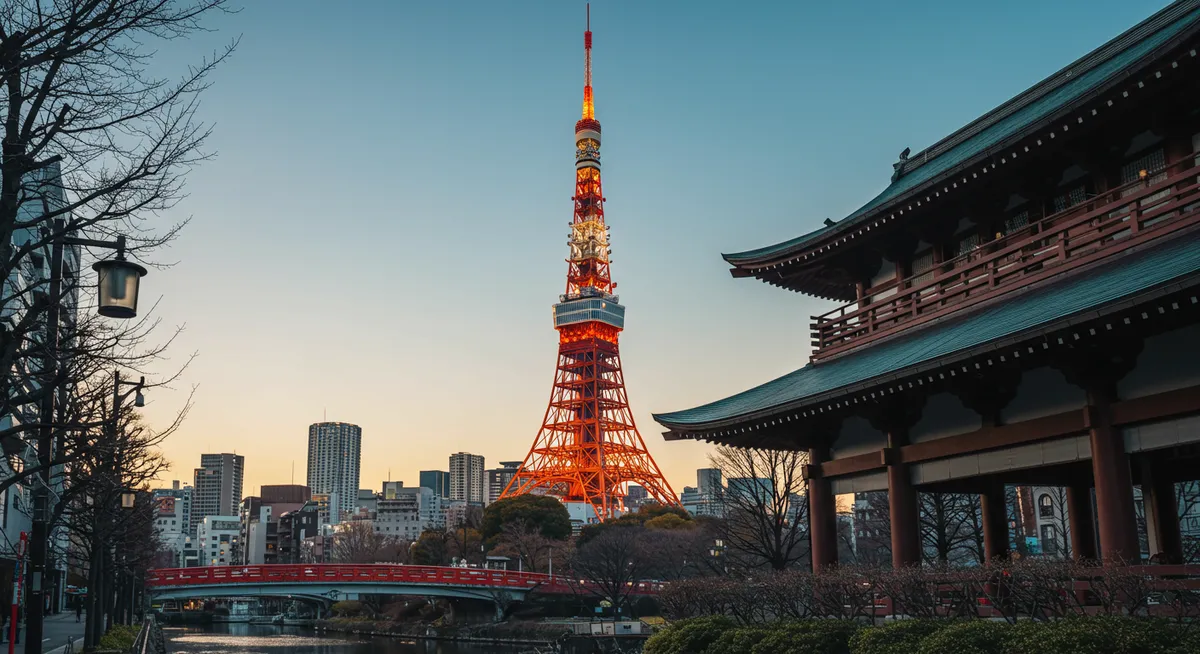
TL;DR: Five days in Tokyo is the sweet spot for first-time visitors. This 2026 itinerary groups neighborhoods by proximity so you spend less time on trains and more time exploring. Day 1 covers Shinjuku and Shibuya, Day 2 dives into Asakusa and Ueno, Day 3 tackles Harajuku and Akihabara, Day 4 is a day trip to Hakone or Kamakura, and Day 5 wraps up with Tsukiji, the Imperial Palace, and Odaiba. Budget roughly ¥10,000-15,000 per day (excluding accommodation) for a comfortable mid-range experience.
Tokyo is a city that rewards the curious traveler. In five days you can walk through centuries of history at Senso-ji, stand in the neon glow of Shibuya Crossing, eat some of the best ramen on Earth, and ride a bullet train to see Mount Fuji. But Tokyo is enormous, and without a plan you will waste hours backtracking across the metro system. This Tokyo itinerary 5 days guide groups attractions by neighborhood, includes real budget numbers for 2026, and shares the practical tips that most guides leave out. For a tool that helps you organize everything in one place, try Itinerary Maker.
Before You Go: Transportation and Budget Essentials
Turn this guide into a personal route with our free Tokyo itinerary planner.
Getting around Tokyo is surprisingly easy once you understand the system. The city runs on two overlapping rail networks: JR (Japan Railways) lines, including the Yamanote loop, and the Tokyo Metro and Toei subway lines. A single ride costs between ¥170 and ¥320 depending on distance.
Get an IC card immediately. Add a Suica card to your Apple Wallet before you even land, or pick up a physical Pasmo card at any station kiosk. These rechargeable cards work on virtually every train, bus, and even vending machines across the city. Budget ¥1,000-2,000 per day for transportation within Tokyo. For a deeper look at navigating the rail system, see our Tokyo transportation guide.
Airport to city: From Narita, the Narita Express (N'EX) reaches Tokyo Station in about 60 minutes (¥3,250). From Haneda, the Tokyo Monorail to Hamamatsucho takes just 15 minutes (¥500). Both accept IC cards.
Daily budget breakdown for 2026:
- Budget traveler: ¥8,000-10,000/day (street food, free attractions, hostels)
- Mid-range: ¥12,000-18,000/day (sit-down restaurants, paid attractions, business hotels)
- Comfort: ¥25,000+/day (upscale dining, premium experiences, full-service hotels)
Pro tip: Eat lunch instead of dinner at high-end restaurants. Many places offer lunch sets at 30-50% less than dinner prices. A ¥10,000 omakase dinner might be ¥4,000 at lunch with nearly identical quality.
Day 1: Shinjuku and Shibuya — Modern Tokyo at Full Volume
Start your Tokyo itinerary 5 days with the city's most electrifying districts, grouped on the west side of the Yamanote line.
Morning — Shinjuku: Head to the Tokyo Metropolitan Government Building for free panoramic views from the 45th-floor observation deck (open 9:30 AM). On a clear day, you can spot Mount Fuji in the distance. From there, walk 10 minutes to Shinjuku Gyoen National Garden (¥500 entry), one of Tokyo's finest parks. In spring, the 1,000+ cherry trees here are extraordinary. Spend about 90 minutes wandering the Japanese, English, and French garden sections.
Afternoon — Shibuya: Take the JR line one stop to Shibuya. Stand at the Shibuya Sky observation deck (¥2,000) for aerial views of the famous scramble crossing below, then head down to experience it yourself. The intersection handles up to 3,000 pedestrians per light change. Walk through Shibuya Center-gai for a sensory overload of shops and arcades, then duck into the backstreets of Nonbei Yokocho (Drunkard's Alley) for a quieter atmosphere.
Evening: Explore Omoide Yokocho (Memory Lane) back near Shinjuku Station for yakitori and beer at tiny counter-seating restaurants. Each stall seats only 6-8 people, creating an intimate, smoky atmosphere that feels untouched by time. This is one of the most authentic dining experiences in Tokyo.
Where to eat: Fuunji (Shinjuku) for tsukemen dip ramen — expect a 20-minute queue but it moves fast. Genki Sushi (Shibuya) for affordable conveyor-belt sushi starting at ¥120 per plate.
Day 2: Asakusa, Ueno, and Tokyo Skytree — History and Culture
Day two of your Tokyo itinerary 5 days moves to the east side, where Tokyo's historical soul lives.
Morning — Asakusa: Arrive at Senso-ji Temple by 8:00 AM to beat the crowds. This is Tokyo's oldest temple, founded in 645 AD, and the Kaminarimon (Thunder Gate) with its massive red lantern is one of Japan's most photographed landmarks. Walk slowly down Nakamise-dori, a 250-meter shopping street with over 50 stalls selling traditional crafts, freshly made ningyo-yaki cakes, and matcha treats. Budget ¥500-1,000 for snacks here.
Late morning — Tokyo Skytree: Walk 20 minutes north (or one metro stop) to Tokyo Skytree, the tallest tower in Japan at 634 meters. The Tembo Deck at 350 meters offers 360-degree views across the entire Kanto plain. Book tickets online in advance to skip the queue (¥2,100 for Tembo Deck, ¥3,400 for both decks). On clear days, Mount Fuji is visible to the west.
Afternoon — Ueno: Take the Ginza line to Ueno. Ueno Park is a cultural powerhouse with over a dozen museums. Prioritize the Tokyo National Museum (¥1,000) for the world's largest collection of Japanese art, or the National Museum of Nature and Science (¥630) if you are traveling with children. In spring, the park's 800 cherry trees draw massive hanami crowds. For a slower pace, rent a swan boat on Shinobazu Pond (¥700 for 30 minutes).
Evening: Head to Ameyoko Market near Ueno Station. This bustling market street sells everything from fresh seafood to sneakers at bargain prices. Grab dinner here — the street food stalls sell excellent takoyaki, fresh fruit, and grilled seafood on sticks.
Day 3: Harajuku, Meiji Shrine, and Akihabara — Pop Culture Meets Tradition
Today covers contrasting Tokyo neighborhoods that together tell the full story of the city's identity.
Morning — Meiji Shrine and Harajuku: Start at Meiji Jingu Shrine (free entry), set within 170 acres of forest that feel miles away from the city. The shrine honors Emperor Meiji and Empress Shoken and is one of Tokyo's most important Shinto sites. Arrive before 10 AM for a peaceful experience. Afterwards, walk through the Torii gate exit directly onto Takeshita Street, Harajuku's famous pedestrian shopping lane. The contrast between the shrine's serenity and Takeshita's candy-colored chaos is pure Tokyo.
Late morning — Omotesando: Stroll down Omotesando, often called Tokyo's Champs-Elysees. The architectural showpieces along this boulevard are worth seeing even if you skip the luxury shops — look for Tadao Ando's design for Omotesando Hills and the Prada building by Herzog & de Meuron.
Afternoon — Akihabara: Take the JR line to Akihabara, the electric town. This district is ground zero for anime, manga, video games, and electronics. Visit Mandarake for vintage manga, Super Potato for retro gaming, and the multi-story Yodobashi Camera for electronics at tax-free prices. Even non-fans find the themed cafes and arcade floors entertaining. For more shopping ideas across the city, check our Tokyo shopping guide.
Evening — Ginza: End the day in Ginza for a more refined atmosphere. Walk the Chuo-dori pedestrian zone (closed to cars on weekend afternoons) and consider dinner at one of the area's countless restaurants. Ginza is home to some of the highest concentration of Michelin-starred restaurants in the world.
Day 4: Day Trip — Hakone, Kamakura, or Mount Fuji
By day four of your Tokyo itinerary 5 days, a change of scenery adds depth to your trip. Three excellent options, each under two hours from central Tokyo:
Option A — Hakone (best for scenery and hot springs): Take the Odakyu Romance Car from Shinjuku (85 minutes, ¥2,330). The Hakone Free Pass (¥6,100 for 2 days) covers the loop route: cable car, ropeway over volcanic Owakudani Valley, pirate ship across Lake Ashi, and return by mountain railway. On clear days, Mount Fuji towers over the lake. End with a soak in a traditional onsen. For more on reaching Fuji, see our day trips from Tokyo to Mt. Fuji guide.
Option B — Kamakura (best for temples and coastal vibes): Take the JR Yokosuka line from Tokyo Station (60 minutes, ¥950). See the Great Buddha at Kotoku-in (¥300), explore the bamboo groves at Hokoku-ji Temple (¥300), and walk the coastal Enoshima area. Kamakura delivers a full day of history and ocean views. Read our complete Tokyo to Kamakura day trip guide for the full breakdown.
Option C — Mount Fuji area (best for iconic views): Head to the Fuji Five Lakes region via the JR Chuo line to Otsuki, then the Fujikyu Railway (about 2 hours total). Kawaguchiko offers postcard views of Fuji reflected in the lake, and the Chureito Pagoda viewpoint is one of the most famous photo spots in all of Japan. Check our Mt. Fuji day trip by train guide for logistics.
For a complete list of options beyond these three, browse our Tokyo day trips collection.
Day 5: Tsukiji, Imperial Palace, and Odaiba — Final Day Highlights
Your last day balances culture, food, and a few final must-sees.
Morning — Tsukiji Outer Market: Arrive by 7:30 AM for the freshest experience. While the inner wholesale market moved to Toyosu, the outer market remains a food paradise with over 400 shops and stalls. Must-tries include tamagoyaki (sweet egg omelet) at Yamachou, fresh uni (sea urchin) bowls, and matcha soft serve. Budget ¥2,000-3,000 for a full breakfast grazing session.
Late morning — Imperial Palace: Walk through the Imperial Palace East Gardens (free, closed Mondays and Fridays). The remains of Edo Castle's stone walls and moats are impressive, and the gardens are immaculately maintained. The Ninomaru Garden in particular is stunning. Allow 60-90 minutes. Nearby Tokyo Station's Marunouchi side has a beautifully restored red-brick facade worth photographing.
Afternoon — teamLab or Odaiba: For a memorable final afternoon, visit teamLab Borderless at Azabudai Hills (¥3,800 — book weeks in advance online, as it regularly sells out). This immersive digital art museum is unlike anything else in the world. Alternatively, head to Odaiba, the waterfront entertainment district, for views of Rainbow Bridge and the Tokyo skyline. The 18-meter Unicorn Gundam statue at DiverCity is free to see and transforms every few hours.
Evening: For your final Tokyo dinner, consider Roppongi or return to a favorite neighborhood. If you want a splurge, the restaurants in the Roppongi Hills and Tokyo Midtown complexes offer everything from kaiseki to craft cocktails with city views.
Traveling on a tighter budget? Our Tokyo 5-day budget itinerary shows how to see the highlights for under ¥10,000 per day. Visiting with family? Check out our 5-day Tokyo itinerary with kids.
Where to Stay in Tokyo for 5 Days
Your hotel location makes or breaks a Tokyo trip. The best base depends on your style:
- Shinjuku — Best overall for first-timers. Major JR hub with direct airport links, restaurants everywhere, and Kabukicho nightlife nearby. Business hotels start around ¥8,000/night.
- Shibuya — Ideal for younger travelers who want nightlife, shopping, and trendy cafes within walking distance. Slightly pricier than Shinjuku.
- Asakusa — Best for budget travelers and those who prefer a traditional atmosphere. Hostels from ¥3,000/night, and you are steps from Senso-ji.
- Tokyo Station/Marunouchi — Best for day-trippers, as the Shinkansen and Narita Express depart from here. Higher-end hotels dominate this area.
Whichever area you pick, stay near a Yamanote line station and you can reach any major attraction within 30 minutes.
Essential Practical Tips for Tokyo in 2026
- Cash is still important. While cashless payment has expanded significantly, many small restaurants, street food stalls, and shrines are cash only. Carry ¥5,000-10,000 at all times. 7-Eleven ATMs accept international cards with no issues.
- Download offline maps. Google Maps works well for Tokyo train navigation and shows real-time delays. Download the Tokyo region offline for use in underground stations.
- Pocket Wi-Fi or eSIM. Rent a pocket Wi-Fi at the airport (¥800-1,000/day) or buy an eSIM before departure. Connectivity is essential for navigation.
- Coin lockers save your back. Available at every major station from ¥400-700. Store luggage while you explore instead of returning to your hotel.
- Shoes you can slip on and off. You will remove shoes at temples, traditional restaurants, fitting rooms, and some hotels. Slip-on shoes save enormous time and hassle.
- Trash cans are rare. Carry a small bag for your rubbish. You will find bins near convenience stores and vending machines, but rarely on the street.
- Convenience stores are a lifeline. 7-Eleven, FamilyMart, and Lawson sell surprisingly excellent onigiri, sandwiches, and bento boxes from ¥150-500. Many travelers eat at least one convenience store meal per day without any regret.
Frequently Asked Questions
Is 5 days enough time to see Tokyo?
What is the best way to get around Tokyo?
What is the best time of year to visit Tokyo?
How much does a 5-day trip to Tokyo cost in 2026?
Do I need to speak Japanese to visit Tokyo?
Should I buy a Japan Rail Pass for 5 days in Tokyo?
Extend Your Trip
If your schedule allows more time, Tokyo has no shortage of deeper experiences. Our 7-day Tokyo itinerary adds time for neighborhoods like Shimokitazawa, Yanaka, and Nakameguro that most tourists miss. For a longer Japan adventure, our 10-day Japan itinerary starting from Tokyo combines the capital with Kyoto, Osaka, and Nara. And if you want a shorter overview, our 3-day Tokyo itinerary distills the highlights into a long weekend.
Five days in Tokyo is enough to fall in love with the city and leave with a long list of reasons to return. Plan your neighborhoods, carry cash, wear comfortable shoes, and leave room for the unexpected discoveries that make Tokyo unforgettable.