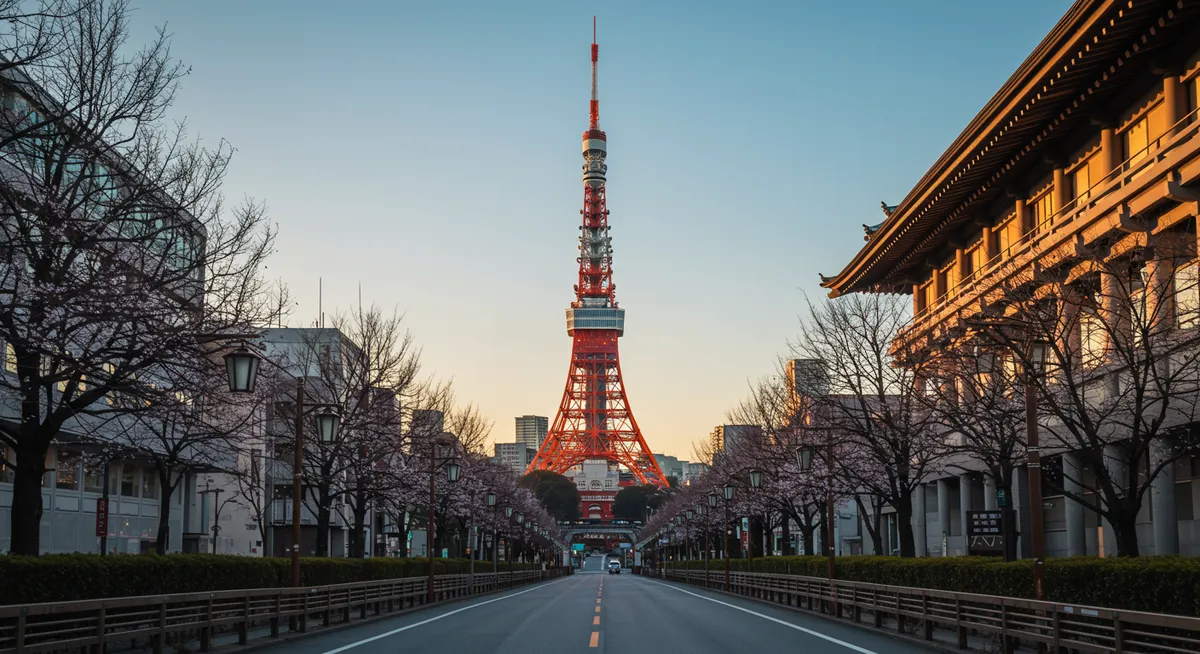
TL;DR: You can explore Tokyo for 5 days on a budget of ¥8,000–¥12,000 per day (roughly $55–$80 USD) in 2026. This itinerary covers free temples, budget ramen spots, IC card transport hacks, and the best neighborhoods to visit without overspending. Each day is mapped out so you spend less time planning and more time exploring.
Tokyo has a reputation for being expensive, but that reputation is outdated. With the yen remaining favorable for international travelers in 2026 and an enormous number of free attractions, Tokyo is one of the most rewarding budget destinations in Asia. Having mapped out dozens of Tokyo itineraries, we can confirm that five days on a shoestring is not just doable but genuinely exciting.
This tokyo itinerary 5 days budget guide breaks down each day with specific costs, transport tips, and meal strategies so you always know where your yen is going. Whether you are a solo backpacker or a couple watching spending, this plan keeps daily costs under ¥12,000 while hitting every must-see district.
Budget Overview: What 5 Days in Tokyo Actually Costs in 2026
Turn this guide into a personal route with our free Tokyo itinerary planner.
Before diving into the day-by-day plan, here is a realistic budget breakdown for 2026. These figures assume hostel or capsule hotel accommodation, public transit, and local dining rather than tourist restaurants.
- Accommodation: ¥3,500–¥6,600/night (hostels, capsule hotels, or budget guesthouses)
- Transport: ¥800–¥1,500/day with an IC card or Tokyo Subway 24-hour pass (about ¥600)
- Food: ¥2,000–¥4,000/day using konbini meals, standing ramen, and supermarket bentos
- Attractions: ¥0–¥1,000/day (most top sights are free)
- Total daily estimate: ¥8,000–¥12,000 ($55–$80 USD)
For a deeper dive into saving money across your entire Japan trip, check our Tokyo budget travel guide.
Day 1: Shinjuku and Shibuya — Free Views and Street Energy
Start your tokyo itinerary 5 days budget trip in western Tokyo, where the city's most iconic free attractions cluster together. After arriving at your accommodation, grab a Suica or Pasmo IC card from any train station — this rechargeable card works on every train, subway, and bus in the city and eliminates the need to buy individual tickets.
Morning: Head to the Tokyo Metropolitan Government Building in Shinjuku. The 45th-floor observation decks are completely free and offer 360-degree views rivaling the paid Shibuya Sky experience. On clear days, Mount Fuji is visible. Arrive early to avoid crowds.
Afternoon: Walk to Shinjuku Gyoen National Garden (¥500 entry). This 144-acre park blends Japanese, English, and French garden styles and is worth every yen. Bring a konbini onigiri and green tea for a cheap picnic lunch on the grounds.
Evening: Take the train one stop to Shibuya. Watch the famous Shibuya Crossing from the Starbucks above or from the free Shibuya Sky pedestrian deck. Explore Center-gai and Dogenzaka for people-watching. For dinner, find a standing ramen shop near the station — bowls start at ¥700–¥900, far cheaper than sit-down restaurants.
Day 1 estimated cost: ¥2,500 (excluding accommodation and airport transfer)
Day 2: Harajuku, Meiji Shrine, and Omotesando — Culture for Free
Today is almost entirely free. This stretch of western Tokyo packs shrines, street fashion, and architecture into a walkable loop.
Morning: Begin at Meiji Jingu Shrine, set within a 170-acre forest that feels miles from the city. Entry is free. Walk the gravel path under towering camphor trees, observe traditional Shinto rituals, and write a prayer on an ema wooden plaque (¥500 optional). This is one of the most atmospheric experiences in Tokyo and costs nothing.
Midday: Exit onto Takeshita Street in Harajuku. The street itself is a free spectacle of youth culture, cosplay, and eccentric fashion shops. Grab a budget crepe (¥400–¥600) or explore the vintage clothing stores in the back alleys of Ura-Harajuku for unique, affordable souvenirs.
Afternoon: Walk down Omotesando, Tokyo's architectural showcase boulevard. The buildings by Tadao Ando, Kengo Kuma, and SANAA are free to admire from outside, and many have free ground-floor galleries. Continue to Yoyogi Park for a free afternoon of relaxation, street performers, and weekend flea markets.
Evening: Head to a supermarket after 7 PM and look for red-sticker discounted bento boxes and sushi trays — often 30–50% off. This is a genuine local hack that budget travelers in 2026 swear by.
Day 2 estimated cost: ¥1,500
Day 3: Asakusa, Akihabara, and Ueno — Temples and Bargain Hunting
Move to eastern Tokyo for historic temples, massive parks, and the city's best budget shopping street.
Morning: Start at Senso-ji Temple in Asakusa, Tokyo's oldest temple (founded in 645 AD). Entry is free. Walk through the iconic Kaminarimon thunder gate and browse Nakamise-dori for affordable souvenirs and street snacks like senbei crackers (¥100–¥300) and melon pan.
Midday: Walk along the Sumida River toward Ueno. Stop at Ueno Park, which houses multiple museums, temples, and a lake with free pedal boats (seasonal). The park grounds are free, and several museums offer free admission days — check schedules for 2026 dates. Grab lunch at one of the small curry shops near Ueno Station for ¥500–¥700.
Afternoon: Explore Ameyoko Market beneath the Ueno train tracks. This bustling street market sells everything from fresh seafood to clothing at discount prices. It is the best place in Tokyo for cheap snacks and haggling practice.
Evening: Take the train to Akihabara. Browse the multi-story electronics stores, retro game shops, and anime merchandise floors without spending — the atmosphere alone is worth the visit. For a cheap dinner, try one of the gyudon (beef bowl) chains like Yoshinoya or Matsuya, where a filling meal costs ¥400–¥600.
Day 3 estimated cost: ¥2,000
Day 4: Tsukiji, Imperial Palace, and Ginza — Food and Free Gardens
Central Tokyo blends culinary excellence with imperial history, and most of it is free to experience.
Morning: Head to Tsukiji Outer Market early. While the inner wholesale market moved to Toyosu, the outer market remains a paradise for affordable street food — fresh tamago (egg) on a stick (¥200), grilled scallops (¥500), and the freshest sushi you will ever taste at standing counters for ¥800–¥1,200 per set.
Midday: Walk to the Imperial Palace East Gardens, the beautifully maintained former grounds of Edo Castle. Entry is completely free. Stroll through the ninomaru garden, see the castle foundation stones, and enjoy one of the most peaceful green spaces in central Tokyo. If you are interested in day trips from Tokyo by train, this area is also a good starting point for excursions.
Afternoon: Cross into Ginza, Tokyo's upscale shopping district. While Ginza has a luxury reputation, browsing costs nothing, and the department store basement food halls (depachika) offer free samples and affordable take-away items. Visit the Ginza Sony Park or Uniqlo flagship for free entertainment.
Evening: Return to your neighborhood and cook at your hostel kitchen using supermarket ingredients, or visit a local izakaya for happy hour deals. Many izakayas offer all-you-can-drink deals (nomihodai) for ¥1,500–¥2,000 if you want to splurge on your second-to-last night.
Day 4 estimated cost: ¥2,500
Day 5: Departure Day — Yanaka, Last-Minute Finds, and Airport Transfer
Make your final day count by visiting a neighborhood most tourists miss, then heading to the airport efficiently.
Morning: Explore Yanaka, one of Tokyo's few remaining old-town neighborhoods. Walk Yanaka Ginza shopping street for cheap local snacks, browse independent craft shops, and see the atmospheric Yanaka Cemetery. This area feels like stepping back in time and offers a genuine farewell to the city. For more neighborhood gems, see our guide to Tokyo day trips.
Midday: Pick up last-minute souvenirs. Skip the airport shops — they charge a premium. Instead, visit a 100-yen shop (Daiso, Seria, or Can Do) for high-quality, uniquely Japanese gifts at rock-bottom prices. Japanese Kit-Kats, tenugui towels, and ceramic chopstick rests make excellent souvenirs for ¥100–¥300 each.
Airport transfer: For Narita, the Keisei Access Express costs just ¥1,270 and takes about 80 minutes — significantly cheaper than the Skyliner (¥2,520) or N'EX (¥3,250). For Haneda, the Keikyu line runs ¥300–¥500 depending on your starting station. Always use your IC card for the cheapest fares.
Day 5 estimated cost: ¥2,500 (including airport transfer)
Top Money-Saving Tips for Tokyo in 2026
Beyond the daily itinerary, these strategies can shave thousands of yen off your trip:
- Tokyo Subway 24/48/72-hour passes: If you plan to take 4+ subway rides in a day, the 24-hour pass (¥600) pays for itself quickly. The 72-hour pass (¥1,500) covers three full days of unlimited Metro rides.
- Konbini dining: 7-Eleven, Lawson, and FamilyMart in Japan are nothing like convenience stores elsewhere. Fresh onigiri (¥120–¥180), bento boxes (¥400–¥600), and excellent coffee (¥100) make them your best budget ally.
- Free water: Tokyo tap water is clean and safe. Bring a reusable bottle and refill at any public fountain.
- Off-peak flights: Booking 2–3 months ahead saves 15–25% on airfare. Shoulder season (late January–March, or mid-September–November) drops accommodation rates 30–40%.
- Tokyo Fun Pass: This 2026 discount pass bundles entry to multiple attractions at up to 62% off — worth checking if you plan to visit paid museums or teamLab exhibits.
- Walk between neighborhoods: Many of Tokyo's top districts are 15–30 minutes apart on foot. Walking from Shibuya to Harajuku to Shinjuku, for example, saves ¥350+ in fares and reveals hidden side streets.
For a more extended stay, check out our Tokyo 7-day itinerary or our standard 5-day Tokyo plan if budget is not a constraint.
Where to Stay on a Budget in Tokyo (2026 Prices)
Accommodation is usually the biggest expense, but Tokyo offers surprisingly good budget options:
- Capsule hotels: ¥3,000–¥5,000/night. Clean, private sleeping pods with shared facilities. Many now cater specifically to tourists with luggage storage and co-working spaces.
- Hostels: ¥2,500–¥4,500/night for a dorm bed. Look for places in Asakusa, Ueno, or Ikebukuro for the best value-to-location ratio.
- Budget business hotels: ¥5,000–¥8,000/night for a private room. Chains like Toyoko Inn and Super Hotel include free breakfast.
Stay near a major JR Yamanote Line station to minimize transport costs. Stations like Nishi-Shinjuku, Ikebukuro, and Ueno offer the best combination of cheap lodging and easy access to all five days of this itinerary.
Frequently Asked Questions
How much does a 5-day budget trip to Tokyo cost in 2026?
What is the cheapest way to get from Narita Airport to central Tokyo?
Is 5 days enough to explore Tokyo on a budget?
What are the best free things to do in Tokyo?
Should I get a Japan Rail Pass or an IC card for 5 days in Tokyo?
What is the best time of year to visit Tokyo on a budget?
A tokyo itinerary 5 days budget trip in 2026 proves that one of the world's greatest cities does not have to cost a fortune. By combining free attractions, smart transport passes, konbini meals, and off-peak timing, you can experience everything from ancient temples to neon-lit nightlife for under $80 a day. The key is planning each day around walkable neighborhood clusters, eating where locals eat, and embracing the incredible value that Tokyo quietly offers to those willing to look beyond the tourist surface. For more planning tools and complete itineraries, visit ItiMaker.com.