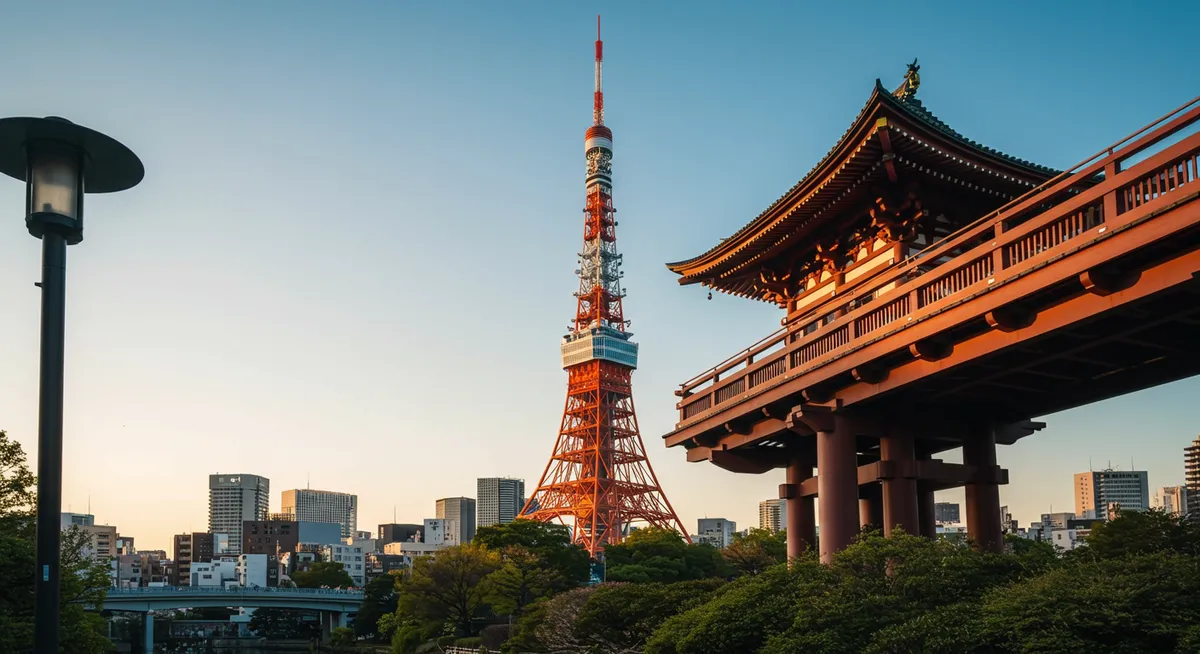
<strong>TL;DR:</strong> This 6-day Tokyo itinerary covers the best of Japan's capital in 2026 — from Shibuya's electric energy and Asakusa's ancient temples to Akihabara's pop culture paradise and a Mount Fuji day trip. You will find a detailed day-by-day breakdown, transportation tips, budget guidance, booking advice, and answers to the most common questions travelers have about spending 6 days in Tokyo.
<h2>Why 6 Days Is the Sweet Spot for Tokyo in 2026</h2> <p>Six days gives you enough time to explore Tokyo's major neighborhoods at a comfortable pace without feeling rushed. You can cover iconic landmarks like Senso-ji Temple and Meiji Shrine, dive into unique districts like Harajuku and Akihabara, enjoy a full day trip to Mount Fuji or Hakone, and still have room for spontaneous discoveries. Unlike shorter itineraries that force you to choose, a <strong>Tokyo itinerary 6 days</strong> lets you experience both the traditional and ultramodern sides of this remarkable city. For a broader overview of the city, see our main <a href="https://www.itimaker.com/blog/tokyo-itinerary">Tokyo itinerary</a> guide. If you can squeeze in one more day, our <a href="https://www.itimaker.com/blog/tokyo-itinerary-for-7-days">7-day Tokyo itinerary</a> adds a full day trip and extra neighborhood coverage.</p> <aside class="affiliate-slot" data-nosnippet data-affiliate-unit="experience_finder" data-affiliate-provider="getyourguide" data-affiliate-widget="getyourguide_city" data-affiliate-format="widget" data-affiliate-placement="primary" data-affiliate-campaign="itimaker-com-unit-gcity-tokyo-itinerary-6-days" data-affiliate-city="Tokyo" data-affiliate-location-id="193" style="min-height:400px"> <span class="affiliate-badge">Sponsored</span> <div class="affiliate-skeleton" aria-hidden="true"></div> <p class="affiliate-unit__loading" role="status">Loading live activities…</p> <div class="affiliate-inner"><div data-gyg-href="https://widget.getyourguide.com/default/city.frame" data-gyg-location-id="193" data-gyg-locale-code="en-US" data-gyg-widget="city" data-gyg-partner-id="26CH4CT" data-gyg-campaign="itimaker-com-unit-gcity-tokyo-itinerary-6-days" data-gyg-cmp="itimaker-com-unit-gcity-tokyo-itinerary-6-days" loading="lazy"></div></div> </aside> <h2>Day 1: Shinjuku and Shibuya — Diving Into Tokyo's Energy</h2> <p>Start your <strong>Tokyo itinerary 6 days</strong> adventure in two of Tokyo's most vibrant neighborhoods. Begin with a morning visit to Shinjuku Gyoen National Garden (entry: 500 yen), one of Tokyo's most beautiful parks featuring Japanese, English, and French garden styles. In spring 2026, cherry blossoms typically peak in late March to early April, making this an unforgettable first stop.</p> <aside class="affiliate-slot" data-nosnippet data-affiliate-unit="experience_finder" data-affiliate-provider="viator" data-affiliate-widget="viator_widget" data-affiliate-format="widget" data-affiliate-placement="secondary" data-affiliate-campaign="itimaker-com-unit-vauto-tokyo-itinerary-6-days" data-affiliate-city="Tokyo" data-affiliate-location-id="" style="min-height:600px"> <span class="affiliate-badge">Sponsored</span> <div class="affiliate-skeleton" aria-hidden="true"></div> <p class="affiliate-unit__loading" role="status">Loading live activities…</p> <div class="affiliate-inner"><div data-vi-partner-id="P00271059" data-vi-widget-ref="W-d5dc59c4-3a04-417e-8a46-7be440461eba" data-vi-search-term="Tokyo" data-vi-campaign="itimaker-com-unit-vauto-tokyo-itinerary-6-days" data-campaign="itimaker-com-unit-vauto-tokyo-itinerary-6-days"></div></div> </aside> <p>After lunch at one of Shinjuku's countless ramen shops — Fuunji near Shinjuku Station is a local favorite for tsukemen — head to Shibuya in the afternoon. Watch the famous Shibuya Crossing from the Starbucks above, then book a sunset visit to <strong>Shibuya Sky</strong> (advance tickets required in 2026, around 2,000 yen). The 360-degree rooftop observation deck offers panoramic views of Tokyo's skyline at golden hour. End the evening exploring the izakaya-lined alleys of Omoide Yokocho (Memory Lane) back in Shinjuku for an authentic Japanese drinking and dining experience.</p> <h2>Day 2: Harajuku, Meiji Shrine, and Omotesando</h2> <p>Day 2 blends Tokyo's spiritual heart with its trendiest fashion district. Start early at <strong>Meiji Shrine</strong>, one of Tokyo's most important Shinto shrines, set within a tranquil forested area just steps from Harajuku Station. The walk through the towering torii gates and tree-lined paths feels worlds away from the urban buzz outside.</p> <aside class="affiliate-slot" data-nosnippet data-affiliate-unit="experience_finder" data-affiliate-provider="getyourguide" data-affiliate-widget="getyourguide_activities" data-affiliate-format="widget" data-affiliate-placement="tertiary" data-affiliate-campaign="itimaker-com-unit-gact-tokyo-itinerary-6-days" data-affiliate-city="Tokyo" data-affiliate-location-id="193" style="min-height:420px"> <span class="affiliate-badge">Sponsored</span> <div class="affiliate-skeleton" aria-hidden="true"></div> <p class="affiliate-unit__loading" role="status">Loading live activities…</p> <div class="affiliate-inner"><div data-gyg-href="https://widget.getyourguide.com/default/activities.frame" data-gyg-location-id="193" data-gyg-locale-code="en-US" data-gyg-widget="activities" data-gyg-partner-id="26CH4CT" data-gyg-campaign="itimaker-com-unit-gact-tokyo-itinerary-6-days" data-gyg-cmp="itimaker-com-unit-gact-tokyo-itinerary-6-days" data-gyg-number-of-items="4" loading="lazy"></div></div> </aside> <p>From there, plunge into the colorful chaos of <strong>Takeshita Street</strong> in Harajuku. This pedestrian lane is packed with quirky boutiques, crepe stands, and themed cafes that define Tokyo's youth culture. For a more upscale experience, stroll down Omotesando — often called Tokyo's Champs-Elysees — where high-end architecture meets luxury brands. Check out our <a href="https://www.itimaker.com/blog/tokyo-clothes-shopping-guide">Tokyo clothes shopping guide</a> for the best stores to visit in each area.</p> <p>In the evening, explore <strong>Shimokitazawa</strong>, a bohemian neighborhood beloved by locals for its vintage shops, indie music venues, and cozy cafes. It rarely appears on tourist itineraries, which makes it one of Tokyo's most authentic experiences in 2026.</p> <h2>Day 3: Asakusa, Ueno, and Traditional Tokyo</h2> <p>Dedicate your third day to Tokyo's cultural and historical core. Begin at <strong>Senso-ji Temple</strong> in Asakusa, Tokyo's oldest temple dating back to 645 AD. Arrive before 9:00 AM to experience the grounds without heavy crowds. Walk through the iconic Kaminarimon (Thunder Gate) and browse Nakamise Shopping Street for traditional snacks like ningyo-yaki and senbei.</p> <p>Next, cross the Sumida River for views of <strong>Tokyo Skytree</strong> (634 meters tall), or head to Ueno Park. This expansive green space houses the Tokyo National Museum, the National Museum of Nature and Science, and Ueno Zoo. Art lovers should not miss the museum collections, which rank among Japan's finest.</p> <p>For dinner, head to <strong>Yanaka</strong>, one of the few Tokyo neighborhoods that survived World War II bombing largely intact. Its narrow lanes, small temples, and old-fashioned shops give you a genuine feel for what Tokyo looked like decades ago. For a deeper dive into Tokyo's cultural side, see our <a href="https://www.itimaker.com/blog/tokyo-cultural-experiences">Tokyo cultural experiences</a> guide.</p> <h2>Day 4: Akihabara, Ginza, and Tsukiji</h2> <p>Day 4 on your <strong>Tokyo itinerary 6 days</strong> takes you from anime paradise to luxury shopping to some of the best seafood in the world. Start in <strong>Akihabara</strong>, Tokyo's electric town, where multi-story electronics shops, manga stores, and themed cafes line every street. Even if you are not an anime fan, the sheer sensory overload is worth experiencing.</p> <p>After Akihabara, take the metro to <strong>Tsukiji Outer Market</strong>. While the inner wholesale market moved to Toyosu in 2018, the outer market remains a food lover's paradise in 2026. Sample the freshest sushi, tamagoyaki (Japanese omelet), and grilled seafood skewers from dozens of vendors. Arrive hungry — you will want to try everything.</p> <p>Finish the afternoon and evening in <strong>Ginza</strong>, Tokyo's most upscale shopping district. Browse flagship stores, visit the Ginza Six department store, or simply enjoy the elegant boulevard atmosphere. On weekend afternoons, Chuo-dori becomes a pedestrian zone, making it perfect for a leisurely stroll. Explore more options in our <a href="https://www.itimaker.com/blog/tokyo-shopping-mall-opening-hours">Tokyo shopping guide</a>.</p> <h2>Day 5: Day Trip — Mount Fuji, Hakone, or Kamakura</h2> <p>A full day trip is one of the highlights of any 6-day Tokyo itinerary. Here are the top three options for 2026:</p> <p><strong>Mount Fuji and Kawaguchiko:</strong> Take the direct bus from Shinjuku Station (about 2 hours, around 2,200 yen one way). Lake Kawaguchiko offers iconic Fuji views, especially in the morning. Visit the Chureito Pagoda for the classic postcard shot. Best visibility is typically from November through February, but clear days happen year-round.</p> <p><strong>Hakone:</strong> Use the Hakone Free Pass (6,100 yen from Shinjuku, valid 2 days) to ride the Romancecar train, cruise Lake Ashi, take the Hakone Ropeway over Owakudani volcanic valley, and soak in a natural onsen. This is the most well-rounded day trip option.</p> <p><strong>Kamakura:</strong> Just 50 minutes from Tokyo by JR train, Kamakura features the Great Buddha (Kotoku-in), beautiful coastal temples, and scenic hiking trails between shrines. It is less crowded than Hakone and ideal for nature lovers.</p> <p>For more day trip ideas, read our comprehensive <a href="https://www.itimaker.com/blog/tokyo-day-trips">Tokyo day trips</a> guide and our <a href="https://www.itimaker.com/blog/tokyo-day-trips-bullet-train">bullet train day trips</a> article.</p> <h2>Day 6: Odaiba, teamLab, and Farewell Experiences</h2> <p>Your final day combines futuristic entertainment with last-chance Tokyo highlights. Head to <strong>Odaiba</strong>, the artificial island in Tokyo Bay, where you will find the life-size Unicorn Gundam statue, DiverCity Tokyo Plaza, and excellent waterfront views of the Rainbow Bridge and city skyline.</p> <p>The must-do experience here is <strong>teamLab Borderless</strong> (relocated to Azabudai Hills in 2024). This immersive digital art museum is one of Tokyo's most popular attractions in 2026 — advance tickets are essential and often sell out weeks ahead. Book at teamlab.art as soon as your travel dates are confirmed.</p> <p>Spend your remaining hours on any experiences you may have missed: a final ramen bowl at a top-rated shop, last-minute souvenir shopping at Tokyo Station's underground mall (over 100 shops), or a peaceful visit to the Imperial Palace East Gardens (free admission). If you are flying out of Narita, allow at least 90 minutes for the express train from central Tokyo.</p> <h2>Tokyo Transportation Tips for 2026</h2> <p>Getting around Tokyo efficiently is key to maximizing your 6 days. Here is what you need to know:</p> <p><strong>IC Cards (Suica or Pasmo):</strong> Add a Suica card to your iPhone Wallet or Apple Watch before departing. It works on all metro lines, JR trains, buses, and even convenience stores. Each ride costs between 170 and 320 yen depending on distance.</p> <p><strong>Day Passes:</strong> If you plan four or more metro rides in a day, the Tokyo Metro 24-Hour Ticket (600 yen) or the combined Tokyo Metro plus Toei Subway pass (900 yen) saves money. Useful on heavy sightseeing days like Day 3 or Day 4.</p> <p><strong>Airport Transfers:</strong> From Narita Airport, the Narita Express (N'EX) reaches Tokyo Station in about 60 minutes (around 3,000 yen). From Haneda Airport, the Tokyo Monorail reaches Hamamatsucho in 15 minutes. Both are included in some rail passes.</p> <p><strong>Japan Rail Pass:</strong> For a Tokyo-only trip, a JR Pass is not necessary. Only consider it if your 6 days include side trips to Kyoto, Osaka, or other distant cities.</p> <h2>Budget Breakdown: How Much Does 6 Days in Tokyo Cost in 2026?</h2> <p>Here is a realistic daily budget range per person:</p> <p><strong>Budget (8,000-15,000 yen/day):</strong> Stay in hostels or capsule hotels, eat at convenience stores (konbini) and standing ramen shops, and focus on free attractions like shrines, parks, and neighborhood walks.</p> <p><strong>Mid-range (20,000-35,000 yen/day):</strong> Book a comfortable business hotel, enjoy sit-down restaurant meals, visit paid attractions, and take day trips. This is the sweet spot for most travelers.</p> <p><strong>Luxury (50,000+ yen/day):</strong> Stay at premium hotels, dine at Michelin-starred restaurants, book private tours, and use taxis or private transfers.</p> <p>For a complete cost-saving strategy, check our <a href="https://www.itimaker.com/blog/tokyo-budget-travel-guide">Tokyo budget travel guide</a>.</p> <h2>What to Book in Advance for Tokyo in 2026</h2> <p>Several popular Tokyo attractions require advance reservations. Do not skip this step — walk-up availability is rare for these experiences:</p> <ul> <li><strong>teamLab Borderless</strong> — Book 2-4 weeks ahead at teamlab.art</li> <li><strong>Shibuya Sky</strong> — Online tickets guarantee your time slot</li> <li><strong>Ghibli Museum (Mitaka)</strong> — Tickets sell out monthly; purchase on the first day of each month for the following month</li> <li><strong>Tokyo Disneyland / DisneySea</strong> — Book online; same-day entry is not guaranteed</li> <li><strong>Michelin restaurants</strong> — Reserve 1-3 months in advance, especially for sushi omakase</li> </ul> <h2>Frequently Asked Questions</h2> <div itemscope="" itemtype="https://schema.org/FAQPage"> <div class="faq-item" itemprop="mainEntity" itemscope="" itemtype="https://schema.org/Question"> <h3 itemprop="name">What is the best time to visit Tokyo in 2026?</h3> <div itemprop="acceptedAnswer" itemscope="" itemtype="https://schema.org/Answer"> <div itemprop="text">Spring (late March to May) and autumn (October to November) offer the most pleasant weather for sightseeing. Cherry blossom season typically peaks in late March to early April 2026. Summer (June-August) brings heat and humidity plus a rainy season in June, while winter (December-February) is cold but dry with fewer crowds and clearer Mount Fuji views.</div> </div> </div> <div class="faq-item" itemprop="mainEntity" itemscope="" itemtype="https://schema.org/Question"> <h3 itemprop="name">Is 6 days enough to see Tokyo?</h3> <div itemprop="acceptedAnswer" itemscope="" itemtype="https://schema.org/Answer"> <div itemprop="text">Yes, 6 days is an excellent amount of time for Tokyo. You can comfortably cover all major neighborhoods, enjoy a day trip to Mount Fuji or Hakone, and still have time for spontaneous exploration. Most first-time visitors find 6 days lets them experience both famous landmarks and lesser-known gems without feeling rushed.</div> </div> </div> <div class="faq-item" itemprop="mainEntity" itemscope="" itemtype="https://schema.org/Question"> <h3 itemprop="name">How much does a 6-day trip to Tokyo cost in 2026?</h3> <div itemprop="acceptedAnswer" itemscope="" itemtype="https://schema.org/Answer"> <div itemprop="text">Excluding flights, budget travelers can expect to spend around 48,000-90,000 yen (approximately $320-600 USD) for 6 days. Mid-range travelers typically spend 120,000-210,000 yen ($800-1,400 USD) covering comfortable hotels, restaurant meals, attractions, and transportation. Luxury budgets start at 300,000 yen ($2,000+ USD) for premium experiences.</div> </div> </div> <div class="faq-item" itemprop="mainEntity" itemscope="" itemtype="https://schema.org/Question"> <h3 itemprop="name">Do I need to speak Japanese to travel in Tokyo?</h3> <div itemprop="acceptedAnswer" itemscope="" itemtype="https://schema.org/Answer"> <div itemprop="text">No, you do not need to speak Japanese. In 2026, Tokyo is increasingly tourist-friendly with English signage on all major train lines, English menus at many restaurants, and translation apps that work in real-time. Learning basic phrases like "sumimasen" (excuse me) and "arigatou gozaimasu" (thank you) is appreciated but not required. Google Translate's camera feature is helpful for reading signs and menus.</div> </div> </div> <div class="faq-item" itemprop="mainEntity" itemscope="" itemtype="https://schema.org/Question"> <h3 itemprop="name">Where should I stay for a 6-day Tokyo itinerary?</h3> <div itemprop="acceptedAnswer" itemscope="" itemtype="https://schema.org/Answer"> <div itemprop="text">Shinjuku and Shibuya are the best areas for first-time visitors due to their excellent train connections and central location. Shinjuku offers the widest range of accommodation from budget to luxury. Asakusa is ideal if you prefer a more traditional atmosphere at lower prices. For a quieter stay with easy metro access, consider Ikebukuro or Ueno.</div> </div> </div> <div class="faq-item" itemprop="mainEntity" itemscope="" itemtype="https://schema.org/Question"> <h3 itemprop="name">Is Tokyo safe for solo travelers in 2026?</h3> <div itemprop="acceptedAnswer" itemscope="" itemtype="https://schema.org/Answer"> <div itemprop="text">Tokyo is consistently ranked as one of the safest major cities in the world. Solo travelers, including women traveling alone, report feeling very safe at all hours. Public transportation runs efficiently until midnight (and some night buses operate after), and convenience stores are open 24/7 throughout the city. Petty crime rates are remarkably low compared to other global capitals.</div> </div> </div> </div> <p>A well-planned <strong>Tokyo itinerary 6 days</strong> in 2026 lets you experience everything from centuries-old temples to cutting-edge digital art, world-class street food to serene mountain day trips. Use this guide as your framework, but leave room for the unexpected — Tokyo's greatest moments often happen when you wander down an unplanned alley or stumble into a local festival. For more Japan travel planning, explore our full collection of guides at <a href="https://www.itimaker.com">itimaker.com</a>.</p>Tokyo Itinerary 6 Days: The Ultimate 2026 Travel Guide
Plan the perfect Tokyo itinerary for 6 days in 2026. Day-by-day guide covering top attractions, hidden gems, budget tips, transportation, and must-book experiences.
ItiMaker Team11 min read