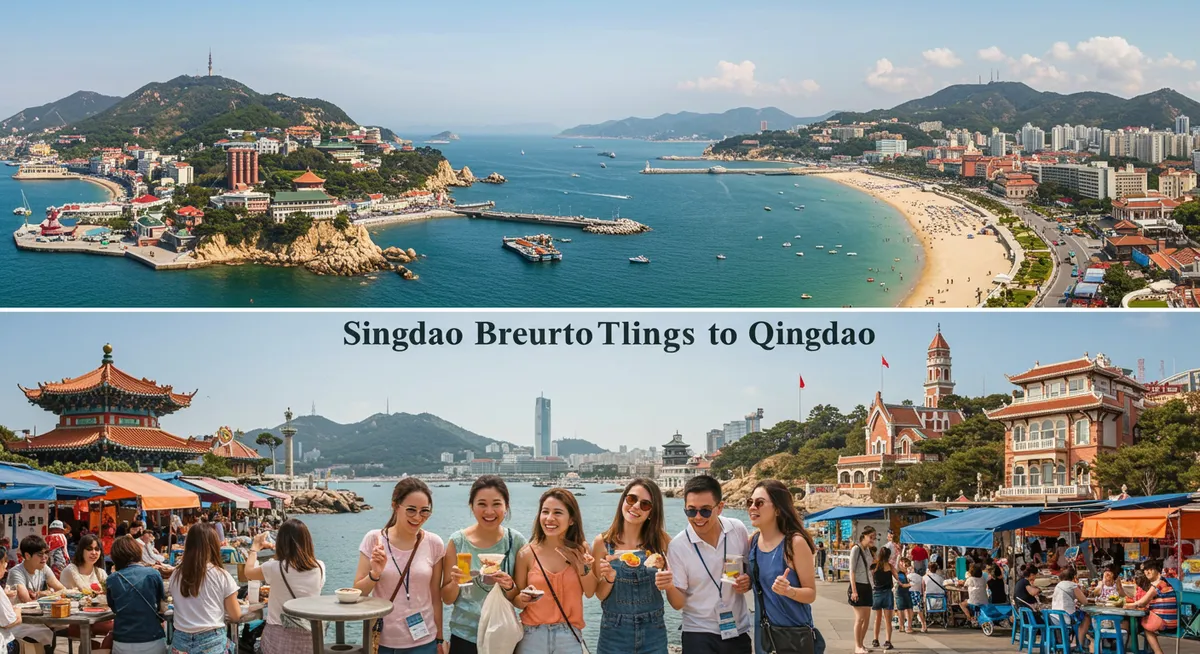
The best things to do in Qingdao on a first visit are an Old Town walk from Zhanqiao Pier, Badaguan's villa streets and coast, the Tsingtao Beer Museum, the May Fourth Square waterfront and one carefully chosen beach. Add Laoshan only when you can give it most of a day. This shortlist captures Qingdao's heritage, beer culture, sea views and mountain landscape without turning the trip into a race through 15 disconnected stops.
Direct answer: With one day, choose Old Town, the brewery and May Fourth Square. With two city days, add Badaguan and a beach. With a third day, choose Laoshan if the forecast is clear or keep an indoor attraction in reserve if it is not. For a complete day-by-day route, use the Qingdao itinerary hub.
Choose Your Qingdao Attractions by Time, Weather and Travel Style
Turn this guide into a personal route with our free Qingdao itinerary planner.
Qingdao is long and spread along the coast. The most efficient sightseeing comes from choosing one geographic zone at a time, not from ranking every attraction by popularity. Use this table to decide what fits before opening a map.
| Your situation | Best choice | Why it fits | Typical commitment |
|---|---|---|---|
| First visit, limited time | Zhanqiao and Old Town | Qingdao's strongest heritage-and-coast introduction in one compact area | Half day |
| Clear, mild weather | Badaguan and the nearby coast | Architecture, shade, sea views and flexible walking | Half day |
| Rain, fog or harsh midday heat | Tsingtao Beer Museum | A substantial indoor visit that is specific to Qingdao | About two hours |
| Nature is the priority | Laoshan Scenic Area | Mountain, Taoist heritage and coastal scenery in one outing | Most of a day |
| Easy evening | May Fourth Square and Olympic Sailing Center | Level waterfront walking with a modern skyline | Two to three hours |
| Young children or persistent rain | One aquarium or marine attraction | Weather-proof and easier than a long heritage walk | Half day |
| Repeat visitor or active traveler | Fushan | A local-feeling urban hike without using a full Laoshan day | Half day |
Mobility note: May Fourth Square and parts of the waterfront are the easiest choices for a flatter outing. Old Town has hills, kerbs and uneven paving; Badaguan covers a broad area; and Laoshan access varies considerably by route. Confirm step-free station exits and attraction assistance before travel if stairs are a concern.
The Five Best Things to Do in Qingdao for a First Visit
1. Start with Zhanqiao Pier and Old Town
Zhanqiao Pier is the best first stop because it explains Qingdao at a glance: the bay, the red-roofed hillside and the older commercial streets all meet here. The pier itself is a landmark rather than a half-day attraction, so combine it with Zhongshan Road, the lanes of the Old Town cultural district and one viewpoint or historic building.
Prioritize it if: this is your first visit, you arrive at Qingdao Station, or you enjoy street photography and architecture. Deprioritize it if: exposed waterfront crowds or steep streets make the visit uncomfortable. Strong wind, maintenance and holiday controls can affect access to the pier, so treat the shore view as the dependable part of the experience.
The official city tourism material describes the Old Town cultural tourism zone as a linked, ticket-free district rather than a single gated sight. Individual interiors, exhibitions and temporary experiences may still have their own rules. Qingdao Railway Station on Metro Lines 1 and 3 is the most useful rail reference point; verify the best exit in the current metro map.
2. Walk Badaguan, Then Choose One Nearby Coastal Stop
Badaguan is Qingdao's best slow walk. Tree-lined roads, protected villas and short views toward the water make it more rewarding as a district than as a collection of paid interiors. Pair it with No. 2 Bathing Beach or continue toward Taiping Cape; trying to enter every building usually weakens the experience.
Prioritize it if: you like architecture, gardens, seasonal color or low-pressure wandering. Deprioritize it if: the weather is wet, very hot or too foggy for the coast. The public streets and any ticketed villa interior operate separately, so check the specific building rather than assuming one Badaguan ticket or timetable covers everything.
Taipingjiao Park and Zhongshan Park stations on Metro Line 3 are useful for different ends of the area. Pick the station after deciding where you want to finish; Badaguan is larger than a map preview suggests.
3. Visit the Tsingtao Beer Museum
The Tsingtao Beer Museum is the city's most distinctive indoor attraction. It uses the historic brewery site to explain the company's origins, brewing process and brand history, with ticket types that can include different tasting experiences. It works for non-drinkers who care about industrial or local history, although visitors focused only on art or ancient history may prefer another museum.
Prioritize it if: weather disrupts outdoor plans, beer culture interests you, or you want one bookable attraction. Deprioritize it if: alcohol-centered interpretation has little appeal. Ticket bundles, last-entry times and tasting inclusions change, so compare the current descriptions on the official museum website before paying. Do not rely on an old blog's price or assume every ticket includes the same samples.
Lijin Road on Metro Line 2 is a practical transit reference, followed by a walk. Allow extra time for security, ticket collection or queues on weekends and holidays; the museum visit should not be wedged tightly between reservations.
4. See Modern Qingdao at May Fourth Square
May Fourth Square and the Olympic Sailing Center form the most convenient modern-waterfront pairing. The large public spaces, the Wind of May sculpture, marina views and skyline contrast neatly with Old Town. This is an atmosphere stop, not a reason to sacrifice a whole sightseeing day.
Prioritize it if: you want an easy evening walk, contemporary city views or a less demanding outing. Deprioritize it if: the shoreline is very windy or your only Qingdao hours are in daylight and Old Town remains unseen. Do not plan the evening around an unverified performance or illumination timetable; civic displays and event restrictions can change at short notice.
May Fourth Square station is served by Metro Lines 2 and 3. The sailing center is farther along the waterfront, so decide whether your group wants to walk the promenade or use a short ride rather than treating the whole zone as one compact plaza.
5. Choose One Qingdao Beach for the Right Reason
Qingdao's beaches serve different trips. No. 1 Bathing Beach fits an Old Town and coastal-park day; No. 2 fits Badaguan; Shilaoren offers a broader eastern-city shore; and Golden Beach makes most sense when you already have a west-coast plan. The Qingdao beaches guide compares these options in more depth.
Prioritize a beach if: the sea is part of why you chose Qingdao. Deprioritize swimming if: it is outside the managed season, warning flags are posted, water quality is restricted or lifeguarded zones are closed. A beach can still be worthwhile for a walk, but access does not automatically mean conditions are safe for swimming.
Choose the beach already on your day's route. Crossing the city for a marginally better patch of sand costs more time than most short visits can justify. Check weather, beach notices and the official metro map on the day rather than relying on a fixed travel-time estimate.
Is Laoshan Worth a Full Day?
Laoshan is worth a day when mountain scenery or Taoist heritage ranks above city museums and shopping. It is not one attraction with one universal trail: Jufeng, Taiqing and other touring areas have different entrances, transport arrangements and physical demands. Choose the route first, then book and navigate to that route.
For 2026 peak-season visits, the scenic area's official notice says admission uses real-name online reservations and booking opens seven days ahead, subject to capacity. Operating periods vary by season and conditions, so check the latest official Laoshan notice again near the visit. Carry the identification used for the reservation and leave weather flexibility in the plan.
Choose Laoshan when: you have at least three sightseeing days, the forecast supports outdoor travel and everyone accepts a long outing. Skip it on a short trip when: you mainly want Qingdao's urban identity or the group has limited walking tolerance. The dedicated guide compares routes; this page deliberately does not compress every trail into a single promise.
Good Specialist Choices, but Not Universal Must-Sees
For families: pick one marine attraction
Qingdao Underwater World and Polar Ocean World can both fill a family half day, but doing both is repetitive for most short trips. Choose by current exhibits, accessibility, location and your child's interests. Operator schedules, animal programs and ticket bundles are volatile; verify on the venue's official channel shortly before visiting and do not promise a particular show to children until it is confirmed.
For military history: consider the Naval Museum
The Naval Museum is a strong specialist choice near the Old Town coast, especially for visitors interested in modern Chinese maritime history. Entry procedures, identification requirements, reservation availability and exhibit access can change. Check the museum's official reservation channel before building it into a tightly timed day.
For an urban hike: use Fushan instead of forcing Laoshan
The Fushan hike offers exercise and city views with less travel than a full scenic-area day. It is a better fit for repeat visitors and active travelers than for someone seeking a fully managed tourist path. Route quality and access points vary, so carry water, use a current map and turn back if visibility or footing deteriorates.
For more sand: consider Golden Beach only with enough time
Golden Beach is on the west side of Jiaozhou Bay, away from the classic Old Town–Badaguan–May Fourth corridor. It can be worthwhile for a dedicated beach half day or a west-coast stay, but it is inefficient as a quick add-on. Check the complete outbound and return route before leaving, especially late in the day or during large events.
Realistic One-Day and Two-Day Qingdao Combinations
These are attraction combinations, not rigid itineraries. They group nearby or complementary experiences and leave room for queues, meals and weather changes. The itinerary hub is the better tool when you need hotel-based routing or more than two days.
| Time available | Combination | What to leave out |
|---|---|---|
| One classic city day | Old Town and Zhanqiao in the morning; Tsingtao Beer Museum after lunch; May Fourth Square waterfront in the evening | Laoshan, Golden Beach and extra museums |
| One outdoor day | Badaguan and No. 2 Bathing Beach; continue along the coast only as energy and weather allow | Cross-city detours and multiple beaches |
| One nature day | One preselected Laoshan touring area, then a relaxed meal after returning | Any fixed city-attraction reservation |
| Two city days | Day 1: Old Town, Zhanqiao and brewery. Day 2: Badaguan, one beach, May Fourth Square and the sailing waterfront | Laoshan unless it replaces the whole second day |
| Two rainy days | Brewery plus one history or marine museum; use short Old Town or waterfront walks during dry gaps | Viewpoints, long exposed promenades and a speculative Laoshan trip |
For transfers between these zones, consult the Qingdao metro, taxi and Didi guide. The official Qingdao Metro site publishes the current network and operating notices; route apps can still be more useful for the final walking exit.
How to Check Tickets, Hours and Transit Without Stale Advice
- Check the date and exact branch. A venue name on a marketplace may refer to a package, performance or different entrance rather than basic admission.
- Use the operator or government source first. Confirm opening status, last entry, real-name booking, accepted identification and closure notices. Use a reseller only after comparing what its ticket actually includes.
- Recheck the morning of the visit. Coastal wind, capacity controls, maintenance and special events can change outdoor access.
- Search with Chinese names when needed. Zhanqiao is 栈桥, Badaguan is 八大关, Tsingtao Beer Museum is 青岛啤酒博物馆, May Fourth Square is 五四广场 and Laoshan Scenic Area is 崂山风景区.
- Keep one flexible swap. Use the brewery, a museum or a marine attraction when weather removes a viewpoint, beach or mountain day.
A passport or the identification used to reserve may be needed at some ticketed sites. Requirements differ by venue and ticket channel, so copy names and document numbers exactly and keep the original document available. For live rail or airport planning around your attraction days, use the separate Qingdao travel essentials guide.
Turn Your Shortlist into a Qingdao Route
Choose your dates, pace and must-see attraction, then let the planner group the rest by area instead of sending you back and forth across the city.
Frequently Asked Questions About Things to Do in Qingdao
What should I not miss in Qingdao on a first visit?
A first visit should include Zhanqiao and Old Town, Badaguan, the Tsingtao Beer Museum, one beach and the May Fourth Square waterfront. Add Laoshan only if you have a separate day and suitable weather.
How many days do I need for Qingdao attractions?
Two days cover the strongest city sights at a reasonable pace. Three days let you add Laoshan or a slower family, beach or museum day without compressing distant areas into one route.
What are the best free things to do in Qingdao?
Good free choices include walking Old Town, viewing Zhanqiao from the shore, wandering Badaguan's public streets and visiting the May Fourth Square waterfront. Individual interiors, exhibitions and beach services may charge separately.
Is Laoshan worth visiting from Qingdao?
Laoshan is worthwhile for mountain scenery, hiking and Taoist heritage when you can dedicate most of a day. On a one- or two-day first visit, Qingdao's Old Town, Badaguan, brewery and waterfront usually deserve priority.
What can I do in Qingdao when it rains?
Use the Tsingtao Beer Museum as the main indoor anchor, then choose one history or marine museum. Keep Old Town lanes or a short waterfront walk as optional additions during dry periods rather than committing to a mountain or viewpoint.
Which Qingdao beach is best for a first-time visitor?
No. 2 Bathing Beach is the easiest match with Badaguan, while No. 1 fits an Old Town coastal day and Shilaoren suits travelers staying farther east. Choose by location and current swimming conditions, not reputation alone.
Do I need to book Qingdao attractions in advance?
Book capacity-controlled attractions and Laoshan ahead during busy periods. Public streets and waterfront spaces generally need no ticket, but individual buildings and venues set separate rules. Always check the operator's current notice and bring the booking identification.
What are the best things to do in Qingdao with children?
Choose one marine attraction, a managed beach when conditions allow, and a short waterfront walk. Avoid combining multiple aquariums or expecting young children to complete a long Old Town, Badaguan and Laoshan schedule in the same day.
Official Sources for Live Checks
- Qingdao government: Old Town cultural tourism area
- Qingdao government: Badaguan Scenic Area
- Tsingtao Beer Museum official website
- Laoshan Scenic Area official website
- Laoshan 2026 visitor and reservation notice
- Qingdao Metro official network and notices
Last checked: July 31, 2026. Attraction operations, reservations, beach controls and transit notices can change; confirm live details with the official operator before travel.