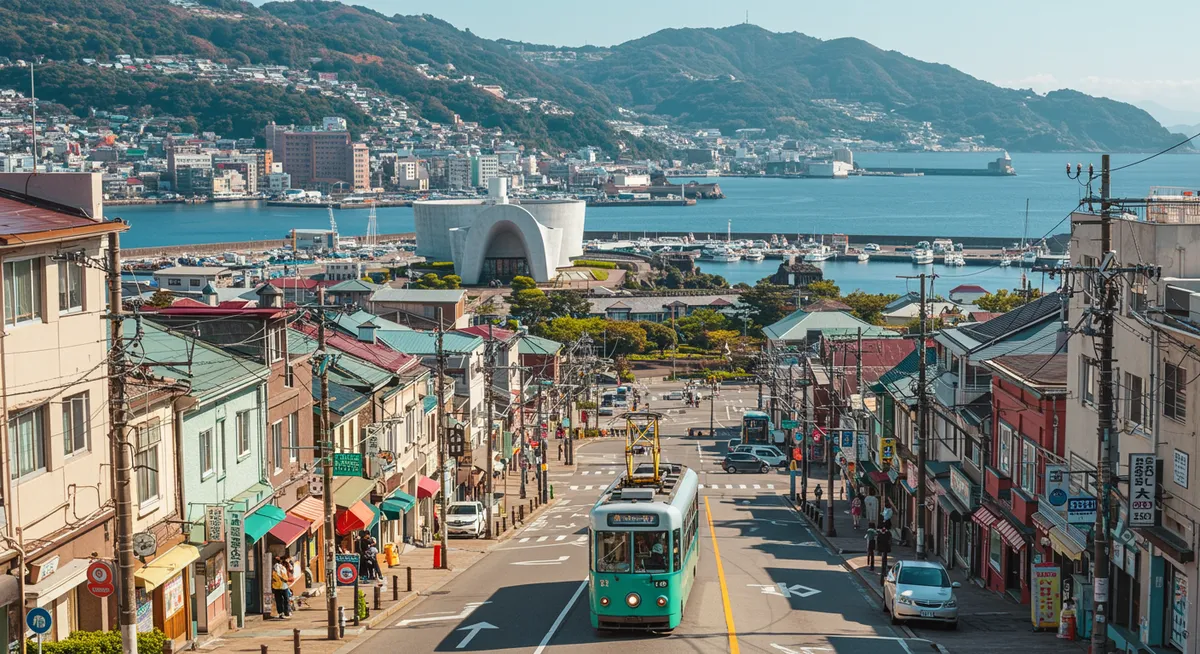
TL;DR: Spend Day 1 at Peace Park, the Atomic Bomb Museum, and Glover Garden. Day 2: Dejima, Shinchi Chinatown, Suwa Shrine, and the Mt. Inasa night view. Day 3: Gunkanjima boat tour (or Huis Ten Bosch), Nagasaki Museum of History, and castella shopping. Budget around ¥5,000–8,000 per day excluding accommodation, and use the tram system with a one-day pass (¥600) for easy transport.
Nagasaki earned a spot on the New York Times "52 Places to Go in 2026" list — and for good reason. This port city on Kyushu's western coast blends poignant wartime history, centuries of international trade heritage, and some of the best street food in Japan. After multiple trips to Nagasaki over the years, I can confirm that three days strikes the perfect balance between depth and pace. This nagasaki 3 day itinerary covers every must-see attraction, practical transport tips, and insider recommendations to help you plan an unforgettable 2026 trip.
Day 1: Peace, History & Panoramic Harbor Views
Turn this guide into a personal route with our free Nagasaki itinerary planner.
Begin your nagasaki 3 day itinerary at Nagasaki Peace Park, home to the iconic 9.7-meter Peace Statue and the Fountain of Peace. The park is a moving tribute to the city's resilience and its dedication to nuclear disarmament. Allow 30–45 minutes here before walking to the adjacent Atomic Bomb Museum, where powerful exhibits document the events of August 9, 1945, and the city's remarkable recovery. Plan about 90 minutes for the museum — it is thorough and deeply affecting.
After lunch, head south to Glover Garden, an open-air hillside museum showcasing elegant Western-style residences from the Meiji era. The views over Nagasaki Harbor from the garden's upper terraces are spectacular, and the site tells the story of foreign merchants who shaped the city's cosmopolitan identity. Right below, stop at Oura Catholic Church, Japan's oldest surviving church and a designated National Treasure. For a deeper dive into these landmarks, see our guide to Nagasaki's historical sites.
End Day 1 with dinner in the Hamamachi arcade area — a covered shopping street with plenty of casual restaurants serving local favorites like sara udon (crispy noodles) and Turkish rice (a uniquely Nagasaki fusion plate).
Day 2: International Heritage, Shrines & the Famous Night View
Start your morning at Dejima, the reconstructed fan-shaped island that served as Japan's sole window to the West during over 200 years of national isolation. The detailed recreations of Dutch merchants' quarters and interactive exhibits make this one of Nagasaki's most rewarding museums. Budget about 60–90 minutes.
A short tram ride brings you to Shinchi Chinatown, one of Japan's three major Chinatowns and the birthplace of champon noodles — a hearty, pork-broth soup loaded with seafood and vegetables. Grab a bowl at one of the long-established noodle houses and pick up some kakuni manju (steamed buns with braised pork) from a street stall. For more dining ideas, check out our guide to the best restaurants in Nagasaki.
In the afternoon, visit Suwa Shrine, the city's most important Shinto shrine, set atop a long stone staircase with views over the rooftops. It hosts the famous Nagasaki Kunchi Festival each October. If time allows, detour to the Museum of the 26 Martyrs, which memorializes the Christian history that makes Nagasaki unique among Japanese cities.
As evening arrives, take the Mt. Inasa Ropeway to the summit for what is consistently ranked among Japan's top three night views. The city lights spread across the harbor in a glittering panorama that alone justifies the trip. The ropeway costs ¥1,250 round-trip, and the last car down typically departs at 10 PM. For more details on this viewpoint, see our dedicated article on Mt. Inasa Nagasaki viewpoint.
Day 3: Island Adventures & Local Flavors
The final day of your nagasaki 3 day itinerary offers two outstanding options depending on your interests:
Option A: Gunkanjima (Battleship Island) boat tour. This abandoned coal-mining island is a UNESCO World Heritage Site and one of Japan's most hauntingly photogenic spots. The concrete ruins rising from the sea look exactly like a battleship — hence the nickname. Important for 2026 visitors: authorities have discussed permanently closing the island to preserve its structures, so booking a landing tour sooner rather than later is wise. Tours depart from Nagasaki Port, take about 3 hours round-trip, and cost roughly ¥4,000–5,000. Advance reservation is essential, especially in peak seasons.
Option B: Huis Ten Bosch day trip. If you prefer something lighter, this Dutch-themed resort town in nearby Sasebo features windmills, canals, flower gardens, and seasonal illumination events. It is about 90 minutes by train from Nagasaki Station.
Back in the city, spend your remaining afternoon at the Nagasaki Museum of History and Culture, which covers the city's story from its earliest maritime trade routes through to the modern era. Before you leave, browse the Hamamachi shopping arcade for Nagasaki's signature souvenirs — especially castella cake, the Portuguese-influenced sponge cake that has become synonymous with the city.
Getting Around Nagasaki: Transport Tips for 2026
Nagasaki's streetcar (tram) system is the most efficient way to travel between attractions. A single ride costs ¥140, but the one-day tram pass at ¥600 pays for itself after just five rides and is available at tourist information centers and major hotels. The tram network covers Peace Park, Dejima, Chinatown, and the Glover Garden area.
For Mt. Inasa, take the ropeway from Fuchi Shrine station. For Gunkanjima, tours depart from the port near Ohato tram stop. Walking is comfortable in the compact downtown, though Nagasaki's hilly terrain means comfortable shoes are a must. If you are arriving from Fukuoka, our guide on how to get from Fukuoka to Nagasaki covers the Kamome limited express and bus options.
Where to Stay & Budget Tips
The best base for a 3-day visit is the Hamamachi or Dozamachi area, centrally located near tram lines and within walking distance of Chinatown, Dejima, and the main shopping arcades. Budget travelers can find guesthouses from ¥3,500/night, while mid-range hotels average ¥8,000–12,000/night. For a full neighborhood breakdown, see our guide on where to stay in Nagasaki.
A realistic daily budget (excluding accommodation) in 2026 is ¥5,000–8,000, covering tram transport, museum admissions, and meals. Key admission costs: Atomic Bomb Museum ¥200, Glover Garden ¥620, Dejima ¥520. Many of Nagasaki's most atmospheric experiences — walking through Chinatown, exploring temple-lined hillsides, watching the sunset from the harbor — cost nothing at all. For more money-saving strategies, see our Nagasaki budget travel tips.
Frequently Asked Questions
Is 3 days enough for Nagasaki?
What is Nagasaki most famous for?
How do I get around Nagasaki?
What is the best time to visit Nagasaki?
Can I visit Gunkanjima (Battleship Island) in 2026?
How do I get from Fukuoka to Nagasaki?
A nagasaki 3 day itinerary lets you experience one of Japan's most historically layered and culinarily rewarding cities at a comfortable pace. From the solemn beauty of Peace Park to the glittering night view atop Mt. Inasa, from the haunting ruins of Gunkanjima to a steaming bowl of champon in Chinatown, Nagasaki delivers moments that stay with you long after you leave. With its 2026 spotlight from the New York Times and ongoing UNESCO recognition, there has never been a better time to visit. Start planning your trip today — and for more Japan travel ideas, explore our Nagasaki day trips and things to do in Nagasaki with kids guides.