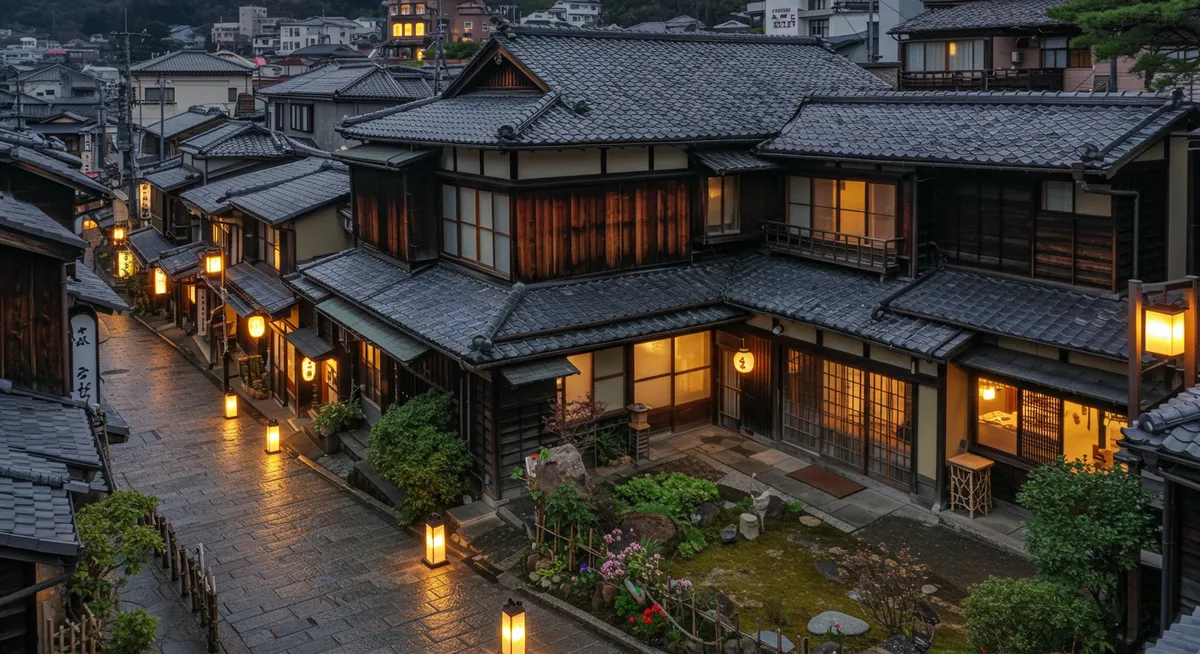
Nagasaki is one of Japan's most under-appreciated cities — a place where Portuguese churches sit beside Shinto shrines, atomic history meets cutting-edge peace activism, and the night view from Mount Inasa rivals Hong Kong's. Choosing the right neighborhood can make or break your trip, so this guide walks you through every major area where visitors stay in Nagasaki, complete with hotel suggestions, budget guidance, and practical transport tips updated for 2026.
Whether you are planning a 3-day Nagasaki itinerary or a longer exploration, picking the perfect base is step one.
1. Nagasaki Station Area (Daikokumachi) — Best for First-Time Visitors
Turn this guide into a personal route with our free Nagasaki itinerary planner.
The area around JR Nagasaki Station is the most practical base for anyone visiting the city for the first time. Since the Nishi-Kyushu Shinkansen launched in 2022, the station precinct has been completely modernized, and the new Nagasaki Marriott Hotel (opened January 2024) now towers above the concourse with panoramic city-and-harbor views.
From here you can walk to the Nagasaki streetcar network in under a minute, hop a direct tram to Chinatown in 10 minutes, or catch a JR limited express back to Fukuoka. The adjacent Amu Plaza Nagasaki shopping complex covers dining, souvenirs, and a rooftop garden — perfect for jet-lagged arrivals who want everything in one spot.
Best hotels: Nagasaki Marriott Hotel (luxury), JR Kyushu Hotel Nagasaki (mid-range, connected to station), Dormy Inn Nagasaki (budget-friendly with onsen bath).
Who should stay here: First-timers, families, rail-pass holders, anyone arriving late or departing early. If you are coming from Fukuoka, check our guide on how to get from Fukuoka to Nagasaki for the latest train and bus options.
2. Shinchi Chinatown & Hamanomachi — Best for Food & Nightlife
Nagasaki's Shinchi Chinatown is the oldest Chinatown in Japan, and the surrounding Hamanomachi covered arcade stretches for nearly a kilometer of shops, izakayas, and street-food stalls. Staying here puts you at the culinary heart of the city — champon noodles, sara udon, and kakuni manju are all within a five-minute walk.
The Shianbashi entertainment strip sits just south of Hamanomachi, making this the undisputed nightlife zone. Hotels range from the modern Shinchi Chinatown Radiant Hotel to classic business hotels and budget hostels along the arcade. The 2025-opened Tree Hole Hostel, a converted karaoke building turned minimalist cafe-hostel, has quickly become a backpacker favorite.
Best hotels: Nagasaki Shinchi Chinatown Radiant Hotel (4-star), Hotel Forza Nagasaki (mid-range), Tree Hole Hostel (budget).
Who should stay here: Foodies, solo travelers, couples seeking nightlife. For restaurant recommendations beyond the neighborhood, see our roundup of the best restaurants in Nagasaki.
3. Glover Garden & Dejima — Best for History & Harbor Views
The hillside district around Glover Garden and the reconstructed Dutch trading post of Dejima is Nagasaki's most scenic residential quarter. Cobblestone lanes wind past Meiji-era Western mansions, and the elevated position delivers sweeping views over Nagasaki Bay — especially atmospheric at sunset.
Accommodation leans toward boutique hotels and traditional guesthouses with character. The Dejima area itself sits on flat ground close to the tram line, while Glover Garden perches uphill, so choose based on how many stairs you are happy to climb each evening. Either way, you are a short tram ride from the station and Chinatown.
Best hotels: Garden Terrace Nagasaki (luxury boutique), Setre Glover's House (harbor-view boutique), Hotel Belleview Nagasaki Dejima (mid-range).
Who should stay here: History enthusiasts, couples, photographers. Pair your stay with our guide to Nagasaki's top historical sites.
4. Peace Park & Urakami — Best for Reflective Travel on a Budget
North of downtown, the Urakami district centers on the Nagasaki Peace Park, the Atomic Bomb Museum, and the rebuilt Urakami Cathedral. The atmosphere here is quieter and more residential, with local bakeries and family-run ramen shops replacing the tourist-oriented restaurants found further south.
Hotels in Urakami tend to be 20-40% cheaper than their station-area equivalents, and several well-rated business hotels sit within a 10-minute walk of the Peace Park tram stop. The trade-off is a slightly longer commute to Chinatown and the waterfront (about 20 minutes by tram), but for visitors planning significant time at the peace-related sites, the proximity is worth it.
Best hotels: Hotel Wing Port Nagasaki (mid-range), Comfort Hotel Nagasaki (budget chain), Nagasaki Catholic Center (guesthouse).
Who should stay here: Budget travelers, history-focused visitors, anyone wanting a local residential feel. For more money-saving strategies, read our Nagasaki budget travel tips.
5. Motofuna & the Bay Area — Best for Couples & Night Views
Stretching west along the waterfront, the Motofuna bay area offers some of Nagasaki's best harbor panoramas. Several upscale hotels here market themselves specifically around the Mount Inasa night view — one of Japan's "Three Great Night Views" — visible directly from higher-floor rooms.
The bay-side promenade is ideal for evening walks, and the Nagasaki Ropeway to Mount Inasa departs from nearby Fuchi Shrine. Dining options are more limited than in Chinatown, but the trade-off is waterfront tranquility. A tram ride connects you to the station and downtown within 15 minutes.
Best hotels: Hilton Nagasaki (luxury waterfront), The Hotel Nagasaki BW Premier Collection (upper mid-range), Nishikyushu Kanko Hotel (budget with bay views).
Who should stay here: Couples, photographers, anyone prioritizing views and atmosphere over dining convenience.
6. Shianbashi — Best for Solo Travelers & Pub Crawls
Wedged between Chinatown and Hamanomachi, Shianbashi is Nagasaki's compact but lively entertainment quarter. Narrow lanes packed with izakayas, karaoke bars, and late-night ramen joints make this the social hub of the city after dark. While technically part of the broader Chinatown/Hamanomachi zone, Shianbashi has a distinct identity — grittier, more local, and considerably livelier past 10 p.m.
Accommodation is mostly business hotels and capsule-style lodgings at competitive rates. It is an excellent pick for solo travelers who want to meet fellow visitors and experience Nagasaki's nightlife without taxi rides home.
Best hotels: Hotel Cuore Nagasaki Ekimae (budget), Richmond Hotel Nagasaki Shianbashi (mid-range).
Who should stay here: Solo travelers, nightlife seekers, anyone who keeps late hours.
7. Togitsu & Nagayo (Suburban) — Best for Day-Trippers & Road Trips
If you are touring Kyushu by car or planning day trips from Nagasaki, the suburban towns of Togitsu and Nagayo to the north offer quieter stays, free parking, and lower rates. Both are connected to central Nagasaki by JR train (15-20 minutes) and sit closer to the Nagasaki Expressway, making them practical bases for drivers heading to Unzen, Shimabara, or Sasebo.
These areas lack walkable nightlife, but they compensate with scenic parks, local onsen, and a slower pace that some travelers prefer after busy days of sightseeing.
Who should stay here: Road-trippers, families with rental cars, travelers seeking quiet suburban stays.
How to Choose the Right Area: Quick Comparison
| Neighborhood | Best For | Budget/Night | Transit Access |
|---|---|---|---|
| Nagasaki Station | First-timers, families | $50-$250 | Excellent |
| Chinatown/Hamanomachi | Foodies, nightlife | $40-$180 | Good |
| Glover Garden/Dejima | History, views | $60-$300 | Good |
| Peace Park/Urakami | Budget, reflection | $35-$120 | Good |
| Motofuna/Bay Area | Couples, views | $80-$350 | Moderate |
| Shianbashi | Solo, nightlife | $35-$100 | Good |
| Togitsu/Nagayo | Drivers, day trips | $30-$90 | JR train |
Practical Tips for Booking Accommodation in Nagasaki (2026)
- Book early for festivals: The Nagasaki Lantern Festival (late January to mid-February) and Nagasaki Kunchi (October 7-9) fill hotels weeks in advance. Prices can double during these periods.
- Use the streetcar: Nagasaki's tram system costs a flat 140 yen per ride and connects every neighborhood listed above. A one-day pass (600 yen) is excellent value, so do not feel locked into staying near your must-see sites.
- Consider a ryokan: Traditional Japanese inns are available in several areas, particularly around the Glover Garden hillside and the suburban towns. They offer a cultural experience that standard hotels cannot match.
- Check for Shinkansen packages: Since the Nishi-Kyushu Shinkansen connects Nagasaki to Takeo Onsen (and onward to Hakata), JR hotel-and-rail packages can save 20-30% on combined bookings.
- Weather matters: Nagasaki receives heavy rain in June-July (tsuyu season) and can be uncomfortably humid in August. For the best weather, plan for March-May or October-November. See our Nagasaki weather by month guide for detailed planning.
Frequently Asked Questions
Which area is best for first-time visitors to Nagasaki?
What is the cheapest area to stay in Nagasaki?
Is it worth staying near Nagasaki Chinatown?
How do I get around Nagasaki from my hotel?
When is the best time to visit Nagasaki?
Should I stay in Nagasaki or make it a day trip from Fukuoka?
Are there family-friendly hotels in Nagasaki?
Plan Your Nagasaki Trip
Now that you know where to stay in Nagasaki, it is time to build your itinerary. For a compact visit, our 3-day Nagasaki itinerary covers all the highlights. Have more time? The 5-day Nagasaki itinerary adds day trips to Gunkanjima and the Shimabara Peninsula. You can also browse our full Nagasaki itinerary hub to mix and match days based on your interests.
For local food, do not miss our guide to Nagasaki local dishes to try, and if you are traveling with children, see things to do in Nagasaki with kids. Whatever neighborhood you choose, Nagasaki rewards visitors who slow down and explore — book your stay and start discovering one of Japan's most compelling cities.