Nagasaki Budget Travel Tips: How to Maximize Every Yen in 2026
Plan an affordable Nagasaki trip in 2026 with these proven budget travel tips. From cheap accommodation and street food to free attractions and transit passes, here's how to explore Nagasaki without breaking the bank.
ItiMaker Team11 min read
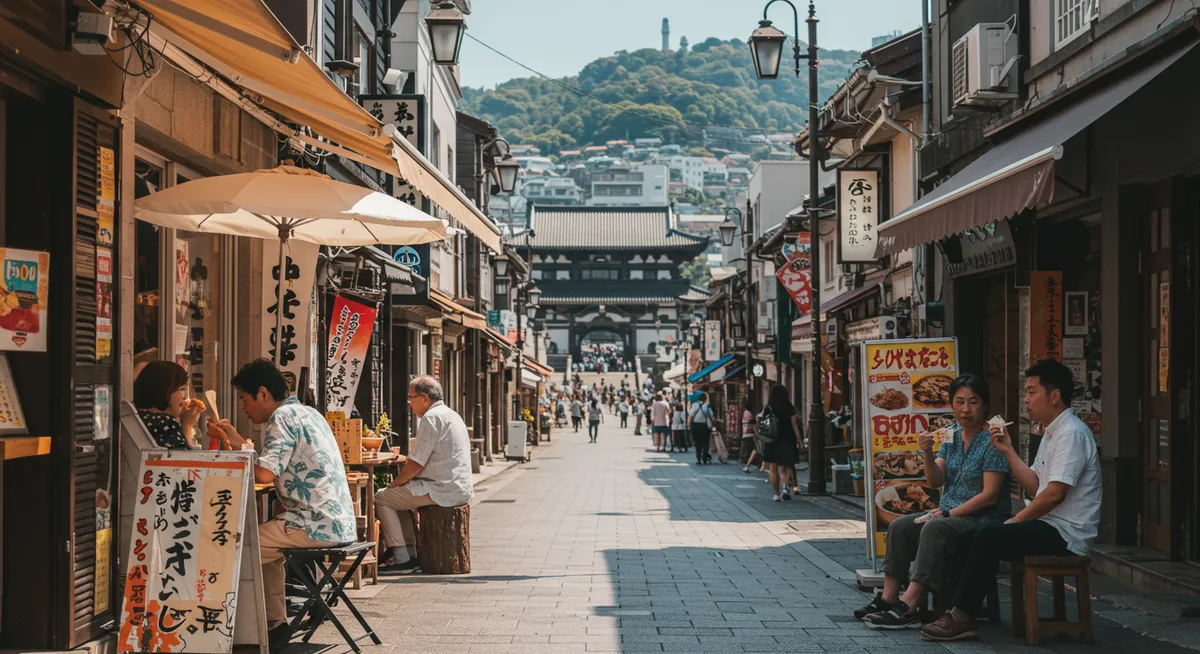
<p><strong>TL;DR:</strong> Nagasaki is one of Japan's most affordable major cities. Stay in hostels or business hotels for under ¥4,000/night, eat well at convenience stores and local eateries for under ¥2,000/day, ride the tram all day for ¥600, and visit world-class attractions like Peace Park for free. A full day in Nagasaki can cost as little as ¥7,000–¥10,000 (~$45–65 USD) including accommodation. Structure your trip around our <a href="https://www.itimaker.com/blog/nagasaki-3-day-itinerary">Nagasaki 3-day itinerary</a> for a day-by-day plan.</p>
<h1>Nagasaki Budget Travel Tips: Your Complete 2026 Money-Saving Guide</h1>
<aside class="affiliate-slot" data-nosnippet
data-affiliate-unit="experience_finder"
data-affiliate-provider="getyourguide"
data-affiliate-widget="getyourguide_city"
data-affiliate-format="widget"
data-affiliate-placement="primary"
data-affiliate-campaign="itimaker-com-unit-gcity-nagasaki-budget-travel-tips"
data-affiliate-city="Nagasaki"
data-affiliate-location-id="32580"
style="min-height:400px">
<span class="affiliate-badge">Sponsored</span>
<div class="affiliate-skeleton" aria-hidden="true"></div>
<p class="affiliate-unit__loading" role="status">Loading live activities…</p>
<div class="affiliate-inner"><div
data-gyg-href="https://widget.getyourguide.com/default/city.frame"
data-gyg-location-id="32580"
data-gyg-locale-code="en-US"
data-gyg-widget="city"
data-gyg-partner-id="26CH4CT"
data-gyg-campaign="itimaker-com-unit-gcity-nagasaki-budget-travel-tips"
data-gyg-cmp="itimaker-com-unit-gcity-nagasaki-budget-travel-tips"
loading="lazy"></div></div>
</aside>
<p>Nagasaki earned a spot on The New York Times' "52 Places to Go in 2026" list, and for good reason — this port city on Kyushu's western coast delivers some of Japan's richest cultural experiences at prices well below Tokyo, Osaka, or Kyoto. With its layered history of international trade, wartime resilience, and vibrant food culture, Nagasaki rewards budget travelers who know where to look. These <strong>Nagasaki budget travel tips</strong> will help you plan a fulfilling trip without overspending, whether you're visiting for two days or a full week. Start by mapping out your trip with our <a href="https://www.itimaker.com/blog/nagasaki-itinerary">complete Nagasaki itinerary</a>.</p>
<h2>How Much Does a Budget Trip to Nagasaki Cost in 2026?</h2>
<p>Before diving into specific tips, here's a realistic daily budget breakdown for Nagasaki in 2026:</p>
<aside class="affiliate-slot" data-nosnippet
data-affiliate-unit="experience_finder"
data-affiliate-provider="viator"
data-affiliate-widget="viator_widget"
data-affiliate-format="widget"
data-affiliate-placement="secondary"
data-affiliate-campaign="itimaker-com-unit-vauto-nagasaki-budget-travel-tips"
data-affiliate-city="Nagasaki"
data-affiliate-location-id=""
style="min-height:600px">
<span class="affiliate-badge">Sponsored</span>
<div class="affiliate-skeleton" aria-hidden="true"></div>
<p class="affiliate-unit__loading" role="status">Loading live activities…</p>
<div class="affiliate-inner"><div
data-vi-partner-id="P00271059"
data-vi-widget-ref="W-d5dc59c4-3a04-417e-8a46-7be440461eba"
data-vi-search-term="Nagasaki"
data-vi-campaign="itimaker-com-unit-vauto-nagasaki-budget-travel-tips"
data-campaign="itimaker-com-unit-vauto-nagasaki-budget-travel-tips"></div></div>
</aside>
<ul>
<li><strong>Accommodation:</strong> ¥2,500–¥5,000/night (hostels, capsule hotels, budget business hotels)</li>
<li><strong>Food:</strong> ¥1,500–¥3,000/day (mix of convenience stores, local eateries, and street food)</li>
<li><strong>Transportation:</strong> ¥500–¥600/day (tram day pass)</li>
<li><strong>Attractions:</strong> ¥0–¥1,000/day (most major sites are free or under ¥500)</li>
<li><strong>Total:</strong> ¥5,000–¥10,000/day (~$33–65 USD at current exchange rates)</li>
</ul>
<p>Compared to Tokyo where a similar day might cost ¥15,000–¥20,000, Nagasaki offers exceptional value. Check our <a href="https://www.itimaker.com/blog/nagasaki-weather-by-month">Nagasaki weather by month guide</a> to pick the cheapest season — January, June, and September typically have the lowest hotel rates.</p>
<h2>Budget Accommodation in Nagasaki: Where to Stay for Less</h2>
<p>Nagasaki has a strong selection of affordable accommodation that goes well beyond expensive resort hotels. Hostels like Casa Noda and J-Hoppers Nagasaki offer clean dorm beds starting around ¥2,500 per night, along with communal kitchens where you can prepare your own meals to save even more. Capsule hotels, a uniquely Japanese experience, run about ¥3,500–¥5,000 per night and provide more privacy than a hostel dorm.</p>
<aside class="affiliate-slot" data-nosnippet
data-affiliate-unit="experience_finder"
data-affiliate-provider="getyourguide"
data-affiliate-widget="getyourguide_activities"
data-affiliate-format="widget"
data-affiliate-placement="tertiary"
data-affiliate-campaign="itimaker-com-unit-gact-nagasaki-budget-travel-tips"
data-affiliate-city="Nagasaki"
data-affiliate-location-id="32580"
style="min-height:420px">
<span class="affiliate-badge">Sponsored</span>
<div class="affiliate-skeleton" aria-hidden="true"></div>
<p class="affiliate-unit__loading" role="status">Loading live activities…</p>
<div class="affiliate-inner"><div
data-gyg-href="https://widget.getyourguide.com/default/activities.frame"
data-gyg-location-id="32580"
data-gyg-locale-code="en-US"
data-gyg-widget="activities"
data-gyg-partner-id="26CH4CT"
data-gyg-campaign="itimaker-com-unit-gact-nagasaki-budget-travel-tips"
data-gyg-cmp="itimaker-com-unit-gact-nagasaki-budget-travel-tips" data-gyg-number-of-items="4"
loading="lazy"></div></div>
</aside>
<p>Business hotels are another smart option for budget travelers, especially those wanting a private room. Chains like Toyoko Inn and APA Hotel often have rooms under ¥5,000 per night when booked in advance, and they typically include free breakfast. For the best rates, book at least one to two months ahead and compare prices across Booking.com, Agoda, and the hotel's direct website. Staying near Nagasaki Station gives you easy tram access to every major attraction, cutting transport time and cost. If you're planning a longer Kyushu trip, our <a href="https://www.itimaker.com/blog/fukuoka-itinerary">Fukuoka itinerary</a> pairs well with a Nagasaki visit.</p>
<h2>Eating Well in Nagasaki on a Tight Budget</h2>
<p>Nagasaki's food scene is one of Japan's most distinctive — influenced by centuries of Portuguese, Dutch, and Chinese trade — and it's surprisingly affordable. Here are the best strategies for eating well without overspending:</p>
<ul>
<li><strong>Convenience stores (konbini):</strong> 7-Eleven, Lawson, and FamilyMart stock high-quality onigiri (¥120–¥180), bento boxes (¥400–¥600), and hot foods like nikuman and fried chicken. A full konbini meal costs under ¥600.</li>
<li><strong>Set lunch specials (teishoku):</strong> Many restaurants offer lunch sets for ¥700–¥1,000 that would cost double at dinner. Eat your biggest meal at midday to take advantage of this.</li>
<li><strong>Supermarket discounts:</strong> Visit supermarkets after 5–8 PM when prepared foods and bento boxes are marked down 20–50%. This is a local secret for eating restaurant-quality meals at half price.</li>
<li><strong>Street food and markets:</strong> Nagasaki Chinatown offers affordable kakuni-man (braised pork buns) for around ¥400, and local festivals throughout the year feature street food stalls with dishes under ¥500.</li>
<li><strong>Tax-free shopping:</strong> Stock up on snacks and packaged foods at stores displaying the tax-free logo — you'll save the 10% consumption tax on purchases over ¥5,000.</li>
</ul>
<p>Don't leave Nagasaki without trying its signature dishes: <em>champon</em> (a hearty noodle soup born from the city's Chinese-Portuguese heritage, around ¥800–¥1,000) and <em>sara udon</em> (crispy noodles with thick sauce). Both are available at affordable local spots throughout the city. For a full culinary guide, explore our list of the <a href="https://www.itimaker.com/blog/best-restaurants-in-nagasaki">best restaurants in Nagasaki</a>, including budget-friendly picks, and our <a href="https://www.itimaker.com/blog/nagasaki-local-dishes-to-try">Nagasaki local dishes to try</a> guide.</p>
<h2>Getting Around Nagasaki Without Overspending</h2>
<p>Nagasaki's compact layout and excellent public transit make it one of the easiest Japanese cities to navigate on a budget. The city's tram network is the backbone of budget transportation, covering every major tourist area with a flat fare of ¥140 per ride. If you plan to make more than four trips in a day, pick up a one-day tram pass for ¥600 — available at Nagasaki Station, major tram stops, and convenience stores. The pass pays for itself quickly during a full sightseeing day.</p>
<p>For intercity travel, the JR Kyushu Rail Pass is a strong investment if you're exploring multiple cities. The three-day Northern Kyushu pass (¥12,000) covers unlimited travel including the shinkansen between Fukuoka and Nagasaki, which would cost ¥5,000+ each way at regular prices. Highway buses and night buses between Kyushu cities are another budget option, often costing 30–50% less than the train.</p>
<p>Walking is free and highly rewarding in Nagasaki. The historic core — including Dutch Slope, Chinatown, and the waterfront — is easily walkable, and you'll discover hidden shrines, cafes, and viewpoints that aren't in any guidebook. Bring comfortable walking shoes, as Nagasaki's hilly terrain adds to the adventure. For a structured walking route, see our <a href="https://www.itimaker.com/blog/nagasaki-itinerary-3-days">Nagasaki 3-day itinerary</a>.</p>
<h2>Free and Low-Cost Attractions You Can't Miss</h2>
<p>Nagasaki packs an extraordinary amount of world-class sightseeing into a compact area, and much of it costs nothing. Here are the top free and low-cost experiences:</p>
<ul>
<li><strong>Peace Park and Atomic Bomb Hypocenter:</strong> Completely free. The Peace Statue, memorial sculptures from countries around the world, and the Hypocenter Park provide a deeply moving experience.</li>
<li><strong>Nagasaki Atomic Bomb Museum:</strong> Just ¥200 — one of Japan's most important museums at an incredibly accessible price point.</li>
<li><strong>Chinatown (Shinchi Chinatown):</strong> Free to explore. Japan's oldest Chinatown features colorful gates, temples, and affordable street food.</li>
<li><strong>Dutch Slope (Oranda-zaka):</strong> Free. These atmospheric cobblestone streets lined with Western-style buildings recall Nagasaki's centuries as Japan's sole window to the outside world.</li>
<li><strong>Megane Bridge (Spectacles Bridge):</strong> Free. Japan's oldest stone arch bridge, dating to 1634, is a perfect photo spot along the Nakashima River.</li>
<li><strong>Oura Church exterior and surrounding area:</strong> The neighborhood around Japan's oldest surviving church is free to wander, though the church interior charges ¥1,000.</li>
<li><strong>Mount Inasa viewpoints:</strong> While the ropeway costs ¥1,250 round trip, hiking trails to the summit are free, and partial viewpoints along the way offer stunning panoramas of the harbor. Check our <a href="https://www.itimaker.com/blog/mount-inasa-nagasaki-viewpoint">Mount Inasa viewpoint guide</a> for details.</li>
<li><strong>Dejima (partial free areas):</strong> The restored Dutch trading post island has free exterior areas, with the museum section at ¥520.</li>
</ul>
<p>For travelers with children, our guide to <a href="https://www.itimaker.com/blog/things-to-do-in-nagasaki-with-kids">things to do in Nagasaki with kids</a> highlights additional family-friendly options. For a deeper dive into the city's past, explore our <a href="https://www.itimaker.com/blog/nagasaki-historical-sites">Nagasaki historical sites guide</a>.</p>
<h2>Best Time to Visit Nagasaki on a Budget</h2>
<p>Timing your visit strategically can save hundreds of dollars. Here's what to know about Nagasaki's seasons from a budget perspective:</p>
<ul>
<li><strong>Cheapest months (January, June, September):</strong> Hotel rates drop significantly outside peak travel windows. June falls in the rainy season (<em>tsuyu</em>), but Nagasaki's indoor museums and covered shopping arcades make rainy days enjoyable.</li>
<li><strong>Shoulder seasons (March–April, October–November):</strong> Pleasant weather with moderate prices. Cherry blossom season (late March–early April) is popular but less crowded than in Kyoto or Tokyo.</li>
<li><strong>Avoid for budget travel (Golden Week in early May, Obon in mid-August, New Year):</strong> Prices spike and accommodation books out weeks in advance during these national holiday periods.</li>
</ul>
<p>The Nagasaki Lantern Festival (late January–February) is a spectacular free event featuring 15,000 lanterns across the city, though hotel prices may rise slightly during this period. Book early if visiting during the festival.</p>
<h2>Day Trips from Nagasaki That Won't Break the Bank</h2>
<p>If you have extra days, several affordable day trips extend your Nagasaki experience. Gunkanjima (Battleship Island) boat tours run around ¥3,000–¥5,000 and offer a haunting look at an abandoned coal mining island — a UNESCO World Heritage Site. The Shimabara Peninsula, accessible by train and ferry, features free castle grounds and hot spring foot baths. For more ideas, see our <a href="https://www.itimaker.com/blog/nagasaki-day-trips">Nagasaki day trips guide</a>. You can also extend your Kyushu exploration with a <a href="https://www.itimaker.com/blog/nagasaki-itinerary-5-days">5-day Nagasaki itinerary</a> that includes nearby areas.</p>
<h2>Money-Saving Tips the Guidebooks Miss</h2>
<p>These lesser-known strategies can make your Nagasaki budget stretch even further:</p>
<ul>
<li><strong>Get an IC card (Sugoca or Nimoca):</strong> These rechargeable transit cards work on Nagasaki trams, buses, and convenience stores. They save time and sometimes offer small fare discounts versus cash.</li>
<li><strong>Visit tourist information centers:</strong> The Nagasaki City Tourist Information Center at JR Nagasaki Station offers free maps, discount coupons for attractions, and honest advice on affordable dining.</li>
<li><strong>Use free Wi-Fi:</strong> Nagasaki offers free public Wi-Fi at tram stops, major attractions, and convenience stores — save on data roaming costs.</li>
<li><strong>Carry cash in ¥1,000 notes:</strong> Many budget eateries and smaller shops are cash-only. Having small bills avoids awkward situations.</li>
<li><strong>Download the Discover Nagasaki app:</strong> Free discount vouchers and a tram route planner help you save money and time.</li>
<li><strong>Drink tap water:</strong> Japan's tap water is safe and high quality. Carry a reusable bottle instead of buying ¥150 drinks from vending machines.</li>
</ul>
<h2>Frequently Asked Questions</h2>
<div itemscope="" itemtype="https://schema.org/FAQPage">
<div class="faq-item" itemprop="mainEntity" itemscope="" itemtype="https://schema.org/Question">
<h3 itemprop="name">Is Nagasaki cheaper than Tokyo or Osaka for tourists?</h3>
<div itemprop="acceptedAnswer" itemscope="" itemtype="https://schema.org/Answer">
<div itemprop="text">Yes, significantly. Accommodation in Nagasaki runs 30–50% less than Tokyo or Osaka, dining is cheaper across the board, and most major attractions are either free or under ¥500. A comfortable budget day in Nagasaki costs around ¥7,000–¥10,000, compared to ¥15,000–¥20,000 in Tokyo for a similar level of activity.</div>
</div>
</div>
<div class="faq-item" itemprop="mainEntity" itemscope="" itemtype="https://schema.org/Question">
<h3 itemprop="name">What is the cheapest way to get around Nagasaki in 2026?</h3>
<div itemprop="acceptedAnswer" itemscope="" itemtype="https://schema.org/Answer">
<div itemprop="text">The Nagasaki tram system is the most affordable option, with a flat fare of ¥140 per ride. A one-day tram pass costs ¥600 and covers unlimited rides to all major attractions. Walking is free and practical for the compact historic center. For trips outside the city, local buses and the JR Kyushu Rail Pass offer good value.</div>
</div>
</div>
<div class="faq-item" itemprop="mainEntity" itemscope="" itemtype="https://schema.org/Question">
<h3 itemprop="name">What free things can I do in Nagasaki?</h3>
<div itemprop="acceptedAnswer" itemscope="" itemtype="https://schema.org/Answer">
<div itemprop="text">Nagasaki has many significant free attractions: Peace Park and the Atomic Bomb Hypocenter, Chinatown, Dutch Slope, Megane Bridge, temple and shrine visits, waterfront walks, and hiking trails on Mount Inasa. The Nagasaki Lantern Festival (January–February) is also free to attend with thousands of illuminated lanterns throughout the city.</div>
</div>
</div>
<div class="faq-item" itemprop="mainEntity" itemscope="" itemtype="https://schema.org/Question">
<h3 itemprop="name">How many days should I budget for Nagasaki?</h3>
<div itemprop="acceptedAnswer" itemscope="" itemtype="https://schema.org/Answer">
<div itemprop="text">Two to three days is ideal for covering Nagasaki's main attractions on a budget. This gives you time for the Peace Park area, Chinatown, Dutch Slope, Mount Inasa, and at least one cultural experience without rushing. Add an extra day if you want to include a day trip to Gunkanjima or the Shimabara Peninsula.</div>
</div>
</div>
<div class="faq-item" itemprop="mainEntity" itemscope="" itemtype="https://schema.org/Question">
<h3 itemprop="name">When is the cheapest time to visit Nagasaki?</h3>
<div itemprop="acceptedAnswer" itemscope="" itemtype="https://schema.org/Answer">
<div itemprop="text">January, June, and September offer the lowest hotel rates and fewest crowds. June falls in the rainy season but Nagasaki's indoor attractions and covered shopping streets make it manageable. Avoid Golden Week (early May), Obon (mid-August), and the New Year period when prices spike and availability is limited.</div>
</div>
</div>
<div class="faq-item" itemprop="mainEntity" itemscope="" itemtype="https://schema.org/Question">
<h3 itemprop="name">Is the JR Kyushu Rail Pass worth it for visiting Nagasaki?</h3>
<div itemprop="acceptedAnswer" itemscope="" itemtype="https://schema.org/Answer">
<div itemprop="text">If you're combining Nagasaki with other Kyushu cities like Fukuoka, Kumamoto, or Kagoshima, the JR Kyushu Rail Pass offers excellent value. The 3-day Northern Kyushu Pass (¥12,000) covers the shinkansen between Fukuoka and Nagasaki, which alone costs over ¥5,000 each way at regular prices. For Nagasaki-only trips, the tram pass is sufficient.</div>
</div>
</div>
</div>
<p>Nagasaki proves that meaningful travel in Japan doesn't require a massive budget. With its affordable accommodation, incredible street food, efficient tram system, and wealth of free historical attractions, this port city delivers some of Kyushu's best experiences at a fraction of what you'd spend in Japan's larger metropolises. Whether you're drawn by the powerful peace memorials, the unique fusion cuisine, or the stunning harbor views from Mount Inasa, these <strong>Nagasaki budget travel tips</strong> for 2026 will help you make the most of every yen. Start building your perfect trip with our <a href="https://www.itimaker.com/blog/nagasaki-itinerary">comprehensive Nagasaki itinerary</a>, and find the best affordable neighborhoods in our guide to <a href="https://www.itimaker.com/blog/where-to-stay-in-nagasaki">where to stay in Nagasaki</a>.</p>
Make this guide part of your trip.
Turn the ideas you like into a personal day-by-day route, then edit every detail.
Build my itinerary