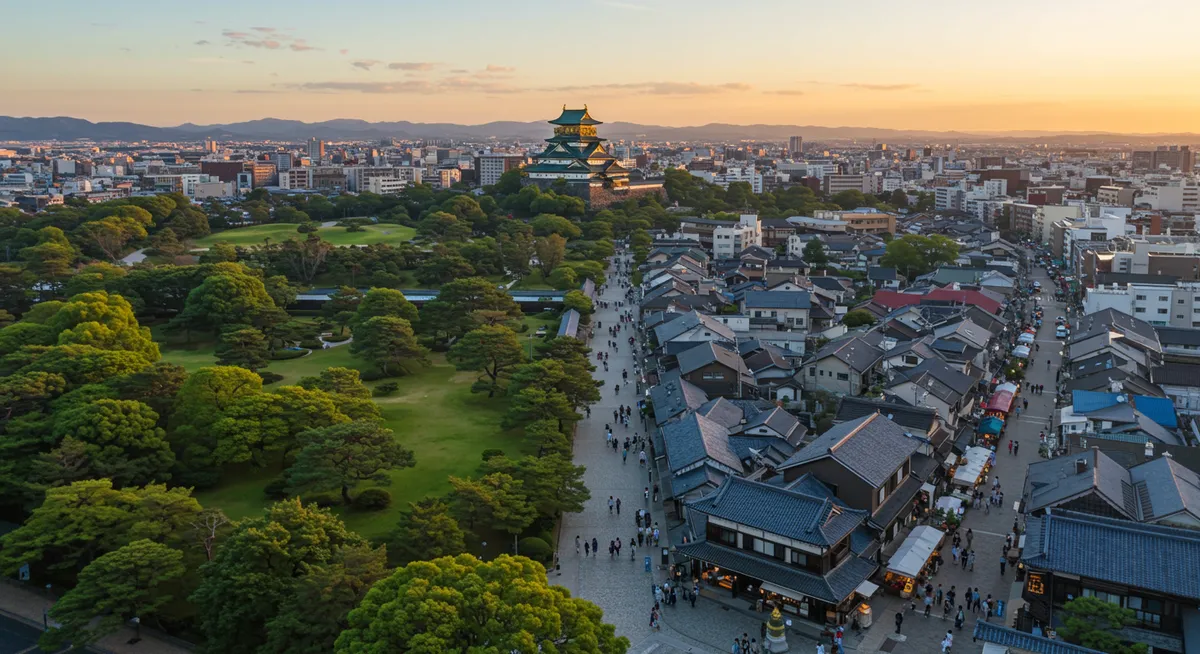
TL;DR: Kanazawa is one of Japan's most rewarding cities, blending Edo-period heritage with world-class contemporary art. Must-do highlights include strolling Kenrokuen Garden, exploring three historic geisha districts, eating your way through Omicho Market, and visiting the Ninja Temple. Named one of National Geographic's top 25 destinations for 2025, this Hokuriku gem deserves at least 2-3 days on any Japan itinerary. Below you will find 21 of the best things to do in Kanazawa for 2026, organized by category so you can plan efficiently.
Often called "Little Kyoto," Kanazawa offers an equally rich cultural tapestry without the overwhelming crowds. The city escaped major wartime damage, leaving centuries-old samurai quarters, geisha teahouses, and castle grounds remarkably intact. Whether you are drawn to serene Japanese gardens, hands-on craft workshops, or simply outstanding seafood, knowing the key things to do in Kanazawa will help you make the most of every hour. For a day-by-day breakdown, see our Kanazawa itinerary.
Iconic Gardens and Castle Grounds
Turn this guide into a personal route with our free Kanazawa itinerary planner.
1. Kenrokuen Garden
Ranked among Japan's Three Great Gardens alongside Kairakuen in Mito and Korakuen in Okayama, Kenrokuen is the single most popular of all things to do in Kanazawa. Each season transforms the landscape: cherry blossoms canopy the paths in spring, irises and azaleas bloom through early summer, fiery maples light up autumn, and winter brings the iconic yukitsuri — conical rope structures that protect pine branches from heavy snowfall. Allow at least 90 minutes to explore the ponds, bridges, and traditional tea houses at a relaxed pace. Early morning entry (before 8 AM in peak seasons) lets you enjoy the garden in near-solitude. To plan your visit around the best season, check our guide on the best time to visit Kanazawa.
2. Kanazawa Castle Park
Directly connected to Kenrokuen via a scenic stone bridge, Kanazawa Castle Park occupies expansive grounds that once served as the seat of the powerful Maeda clan during the Edo period. While much of the castle is reconstructed, the Ishikawa-mon Gate and Sanjikken Nagaya storehouse are original structures dating back centuries. The Gyokusen-inmaru Garden on the castle's southwest side features a stunning illumination in the evening, making it one of the more memorable things to do in Kanazawa after dark. Admission to the castle grounds is free.
Historic Geisha and Samurai Districts
3. Higashi Chaya District
The largest and most famous of Kanazawa's three geisha districts, Higashi Chaya transports you to the Edo period with its lattice-fronted wooden teahouses lining narrow stone-paved lanes. Several teahouses are open to visitors, including Shima and Kaikaro, where you can admire the elegant interiors and learn about geisha culture. The district is also ground zero for Kanazawa's gold leaf specialty — try gold-leaf-topped soft serve ice cream, pick up gold cosmetics, and browse Kaga Yuzen silk shops. Visit early in the morning or late afternoon to avoid the densest foot traffic.
4. Kazuemachi Chaya District
Tucked along the Asano River just across from Higashi Chaya, Kazuemachi is the quietest of the three geisha districts and a genuine hidden gem among things to do in Kanazawa. The wooden townhouses glow warmly at dusk, and the steep stone stairways known as Kuragari-zaka (Dark Slope) and Akari-zaka (Lighted Slope) are among the most photogenic spots in the city. Unlike its busier neighbor, Kazuemachi retains an untouched, residential atmosphere where you may still hear shamisen music drifting from behind closed doors.
5. Nishi Chaya District
The smallest of the three geisha quarters, Nishi Chaya lies on the opposite side of the city near Teramachi. It is far less touristed than Higashi Chaya, making it ideal for a quiet stroll. The Nishi Chaya Shiryokan museum provides free admission and offers insight into the history of the geisha entertainment culture that flourished here.
6. Nagamachi Samurai District
Nagamachi preserves the earthen walls, narrow canals, and private entrance gates of the samurai class that served the Maeda lords. The highlight is the Nomura Samurai House, one of the few residences open to the public, featuring a stunning garden ranked among Japan's top three by the Journal of Japanese Gardening. After touring Nomura House, visit the nearby Saihitsuan Yuzen Silk Center where you can try hand-painting a Kaga Yuzen silk handkerchief — a rewarding craft experience unique to Kanazawa.
Markets, Food, and Culinary Experiences
7. Omicho Market
Operating since 1721, Omicho Market is Kanazawa's kitchen — a bustling labyrinth of over 200 stalls selling the freshest seafood from the Sea of Japan. Standout dishes include kaisendon (sashimi rice bowls), Kaga vegetables, and seasonal crab (November through March is snow crab season). Arrive before 10 AM for the widest selection and shortest queues at the popular sushi counters on the upper floor. For a deeper dive into local cuisine, see our Kanazawa food guide.
8. Gold Leaf Tasting and Workshops
Kanazawa produces over 99% of Japan's gold leaf, and this artisan heritage is visible everywhere — from gilded temples to edible gold ice cream. Several workshops in the Higashi Chaya area let you apply gold leaf to chopsticks, plates, or postcards, creating a one-of-a-kind souvenir. Hakuza, the gold leaf specialty store, even features an entire tea room coated in gold leaf and serves matcha with gold flakes.
9. Craft Beer and Sake Scene
Kanazawa's craft scene has grown substantially. Local sake breweries like Fukumitsuya, the oldest in the city (founded 1625), offer tastings and tours. The emerging craft beer scene includes taprooms near Katamachi where you can sample Hokuriku-brewed IPAs alongside izakaya small plates — a modern twist on the city's culinary tradition.
Museums and Contemporary Art
10. 21st Century Museum of Contemporary Art
This striking circular glass building by architects SANAA (Sejima and Nishizawa) is one of Japan's most visited museums and a top-tier entry on any list of things to do in Kanazawa. The permanent collection includes Leandro Erlich's famous "Swimming Pool" installation, where visitors appear to be walking underwater when viewed from above. Several zones around the building are free to explore, though ticketed exhibitions change regularly. Budget about two hours.
11. D.T. Suzuki Museum
Dedicated to the Kanazawa-born Buddhist philosopher Daisetz Teitaro Suzuki, this minimalist museum designed by Yoshio Taniguchi (architect of MoMA's expansion in New York) is a masterclass in contemplative architecture. The Water Mirror Garden — a shallow reflecting pool surrounded by white walls — is one of the most serene spaces in all of Japan. Entry is just 310 yen, making it one of the best-value cultural experiences in the city.
12. Ishikawa Prefectural Museum of Art
Sitting within Kenrokuen's cultural zone, this museum showcases Kutani ware ceramics, Kaga Yuzen kimono textiles, and lacquerware — three of Ishikawa Prefecture's most celebrated traditional crafts. A 2026 visit is especially meaningful given the ongoing exhibitions supporting artisans from the Noto Peninsula region affected by the 2024 earthquake.
Temples, Shrines, and Spiritual Sites
13. Myoryuji (Ninja Temple)
From the outside, Myoryuji looks like an ordinary two-story temple — but inside hides a four-story fortress with seven internal layers, 23 rooms, and 29 staircases filled with trapdoors, hidden tunnels, and secret passages. Built in 1643 as a defensive outpost for Kanazawa Castle, it is one of the most unique things to do in Kanazawa. Visits are by guided tour only (reservation required, approximately 40 minutes). English pamphlets are provided. Book at least a day in advance, especially during peak seasons.
14. Oyama Shrine
Oyama Shrine is notable for its unusual stained-glass window gate (Shinmon), blending Dutch, Chinese, and Japanese architectural styles — a rarity in Japan. The tranquil garden behind the main hall uses water channels that once served as part of the castle's moat system. It is free to visit and beautifully illuminated at night.
15. Teramachi Temple District
Stretching south of the Sai River, Teramachi contains over 70 temples clustered together. The Maeda lords originally positioned them here as a defensive line. Walking the quiet lanes offers an unhurried, crowd-free alternative to the more visited districts — a perfect afternoon detour for travelers seeking off-the-beaten-path exploration.
Day Trips From Kanazawa
16. Shirakawa-go (UNESCO World Heritage)
The thatched-roof gassho-zukuri farmhouses of Shirakawa-go are reachable by a 75-minute direct bus from Kanazawa Station. Winter visits — when the village is blanketed in snow and illuminated at night — are particularly magical, though tickets for the illumination events sell out months ahead. For more excursion ideas, browse our Kanazawa day trips guide.
17. Noto Peninsula
The rugged Noto coastline north of Kanazawa features dramatic cliffs, terraced rice paddies at Shiroyone Senmaida, and the morning market in Wajima. A rental car or guided tour is the most practical way to explore. As the region continues to rebuild after the January 2024 earthquake, visiting supports local communities directly. Plan your route with our Noto itinerary.
18. Takayama and the Hokuriku Arch
Kanazawa sits on the Hokuriku Shinkansen line, making it a natural hub for wider exploration. Takayama, with its own preserved Edo-period old town, is roughly two hours away by bus and pairs beautifully with a Kanazawa trip. See our Takayama 3-day itinerary for planning details.
Seasonal Events and Festivals
19. Hyakumangoku Festival (June)
Held annually in early June (June 6-8 in 2026), the Hyakumangoku Festival is Kanazawa's largest celebration. The centerpiece is a grand historical procession through the city streets lasting approximately four hours, with participants in full Edo-period costume reenacting Lord Maeda Toshiie's entry into Kanazawa Castle. Side events include Noh performances, tea ceremonies, and lantern floating on the Asano River.
20. Kenrokuen Seasonal Illuminations
Several times a year — during cherry blossom season, autumn foliage, and the winter snow season — Kenrokuen Garden opens for special evening illumination events with free admission. The winter illumination (mid-January to mid-February) is especially stunning, with snow-dusted pines glowing under warm lights. Check the official Visit Kanazawa website for exact 2026 dates.
21. Kanazawa Christmas Market (December)
The largest Christmas market in the Hokuriku region takes place underground at Kanazawa Station, featuring roughly 100 booths selling gourmet food, handmade crafts, and local specialties. It is a festive way to close out a year of exploring Kanazawa.
Practical Tips for Visiting Kanazawa in 2026
- Getting there: The Hokuriku Shinkansen connects Tokyo to Kanazawa in about 2.5 hours. The line now extends to Tsuruga, improving access from Osaka and Kyoto as well.
- Getting around: The Kanazawa Loop Bus and Right Loop Bus cover all major attractions for a flat fare; a one-day pass costs 800 yen. See our getting around Kanazawa guide.
- How many days: Two to three days is ideal for the main city attractions. Add a day or two for day trips to Shirakawa-go or Noto. Read our breakdown on how many days in Kanazawa.
- Where to stay: The area between Kanazawa Station and Korinbo offers the best balance of convenience and access. Our where to stay in Kanazawa guide covers neighborhoods in detail.
- Budget tip: Many top attractions (Kanazawa Castle Park, Oyama Shrine, parts of the 21st Century Museum) are free. A city sightseeing pass covers Kenrokuen and several museums at a discount.
- Travel tips: For packing advice and local etiquette, check our Kanazawa travel tips.
Frequently Asked Questions
What is Kanazawa most famous for?
How many days do you need in Kanazawa?
Is Kanazawa worth visiting in 2026?
What is the best time to visit Kanazawa?
Can you do Kanazawa as a day trip from Tokyo?
What food should I try in Kanazawa?
Is the Japan Rail Pass valid for getting to Kanazawa?
Kanazawa packs an extraordinary density of culture, history, and cuisine into a walkable city that rewards both quick visits and extended stays. From the contemplative beauty of Kenrokuen Garden and the atmospheric geisha quarters to the creative energy of the 21st Century Museum and the culinary riches of Omicho Market, the things to do in Kanazawa rival those of cities many times its size. With the Hokuriku Shinkansen making access easier than ever in 2026, there has never been a better time to add this Hokuriku gem to your Japan travel plans. Start building your trip with our 3-day Kanazawa itinerary or explore Kanazawa's hidden gems for deeper discovery.