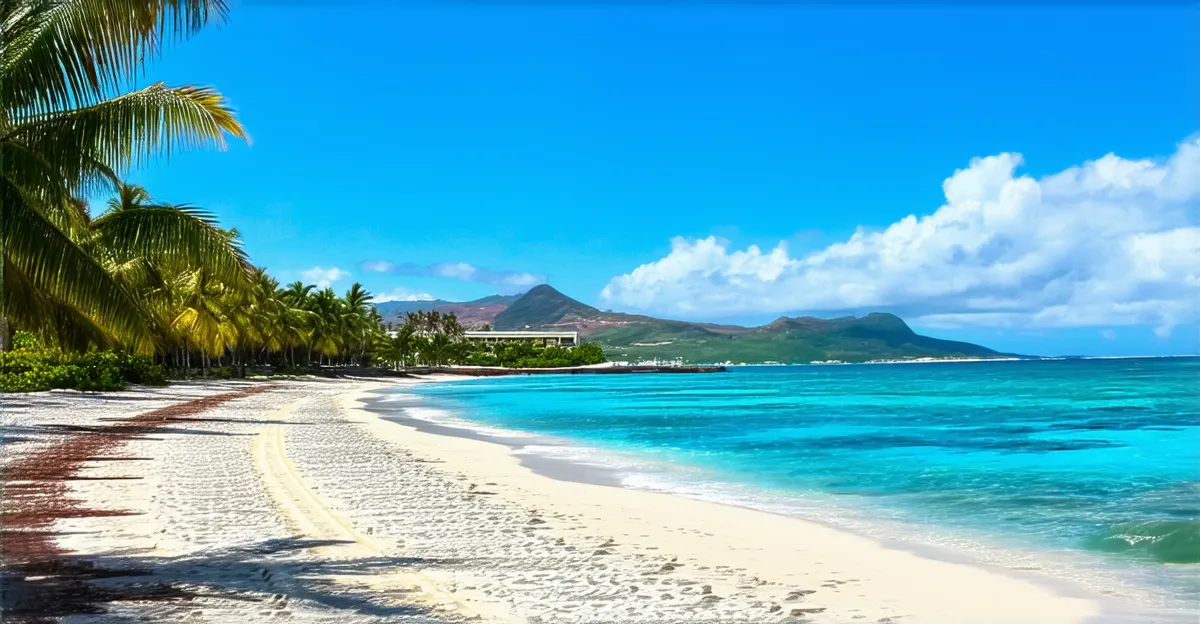
San Andrés, a mesmerizing island in the Caribbean Sea belonging to Colombia, is famed for its turquoise waters, the legendary Mar de Siete Colores (Seven-Colored Sea), and vibrant Raizal culture. A well-crafted 3-day itinerary allows you to explore its top attractions — from pristine beaches and coral reefs to local cuisine and cultural landmarks. In 2026, San Andrés remains one of the most affordable Caribbean destinations, with vacation packages starting around $305 USD and daily budgets as low as $50-70 USD for budget travelers.
This san andrés itinerary 3 days guide covers everything you need, including day-by-day plans, costs, practical tips, and the best experiences the island has to offer. Whether you are snorkeling at El Acuario, relaxing on San Luis Beach, or tasting traditional coconut rice dishes, this island delivers an unforgettable Caribbean getaway.
Key Takeaways
Turn this guide into a personal route with our free San Andrés itinerary planner.
- Day 1: Arrive, purchase your OCCRE tourist card (~$15 USD as of 2026), relax at Spratt Bight Beach, take a boat trip to Johnny Cay, and savor local seafood for dinner.
- Day 2: Snorkel at El Acuario and Haynes Cay, visit the natural pool at La Piscinita or West View, and explore Morgan's Cave for cultural immersion.
- Day 3: Relax on the quiet beaches of San Luis, visit Hoyo Soplador, shop for local crafts, and enjoy a sunset farewell dinner at a beachfront restaurant.
- Budget: Expect to spend 20,000–50,000 COP on meals, 5,000–20,000 COP on local transport, and around 100,000 COP for water activities (as of 2026).
Day 1: Arriving in Paradise and Beach Discovery
Welcome to your first day in San Andrés, a stunning slice of paradise where turquoise waters meet white sandy beaches. This San Andrés itinerary 3 days kicks off with a perfect blend of relaxation and exploration as you soak up the sun and scenery that this island has to offer.
Your journey begins as you arrive at Gustavo Rojas Pinilla International Airport (ADZ), with direct flights available from Bogotá (1 hr 50 min), Medellín (1 hr 40 min), and Cali. After collecting your luggage, you must purchase the OCCRE tourist card at the airport — this is mandatory for all non-resident visitors and costs approximately 150,000 COP (~$35 USD) as of 2026. Keep this card with you throughout your stay, as you may be asked to present it at hotels and attractions.
After settling into your hotel, head straight to Spratt Bight Beach, located just a short walk from the town center. This 450-meter stretch of white sand is the island's most popular beach, offering shallow calm waters perfect for swimming, sunbathing, or casual strolls along the promenade. As you lounge on the beach, try a refreshing coconut water (around 5,000 COP) or a local fresh juice from nearby vendors.
Pro Tip: Arrive at Spratt Bight before 11 AM for a prime spot and a less crowded experience. The beach fills up considerably after the midday rush, especially on weekends and during peak season (December–April).
After your fill of sun and sea, explore the local cuisine at beachfront eateries. One must-try is Rondón, a traditional Raizal fish stew made with coconut milk, yams, plantains, and local spices — a hearty dish that perfectly captures the island's Afro-Caribbean heritage. A typical meal at a local restaurant costs between 20,000 and 40,000 COP (~$5–10 USD). Also sample the Arepa de Huevo and freshly grilled lobster, which is available at many beachside stalls for around 35,000–50,000 COP.
Following lunch, take a boat trip to Johnny Cay Natural Regional Park, a small coral island just 1.5 km north of San Andrés. The 10-minute boat ride costs approximately 30,000–50,000 COP round trip (as of 2026) and departs from the Spratt Bight pier throughout the day. Johnny Cay features powdery white sand beaches, swaying palm trees, and vibrant marine life. Spend 2-3 hours swimming, snorkeling, and sampling fresh fried fish from local vendors on the island.
Once you are back on the main island, venture to the Hoyo Soplador at the southern tip, a fascinating natural blowhole that ejects water up to 20 meters into the air when ocean waves hit the rocky shoreline with force. The sight is thrilling and makes for a perfect photo opportunity. Entry is free, though expect to pay a small tip if locals guide you to the best viewing spot.
As your first day winds down, return to Spratt Bight for sunset. The views are spectacular, and the evenings are often punctuated by live reggae and calypso music from local performers. It is the ideal way to soak in the island's Raizal atmosphere while enjoying the fading light over the Caribbean horizon. Consider dinner at a beachfront restaurant along the promenade — fresh seafood platters typically run 40,000–70,000 COP.
Here is a quick schedule for Day 1:
| Time | Activity | Notes |
|---|---|---|
| 10:00 AM – 12:00 PM | Arrive, purchase OCCRE card, settle in at hotel | OCCRE card ~150,000 COP, mandatory |
| 12:00 PM – 2:00 PM | Lunch and relaxation at Spratt Bight Beach | Try Rondón or Arepa de Huevo |
| 2:30 PM – 5:30 PM | Boat trip to Johnny Cay | Round trip ~30,000–50,000 COP |
| 5:30 PM – 6:30 PM | Visit Hoyo Soplador | Free entry, best with strong waves |
| 7:00 PM – 8:30 PM | Sunset dinner at Spratt Bight | Live music and seafood platters |
Day 1 of your San Andrés itinerary 3 days serves as an unforgettable introduction to the beauty and culture of this Caribbean gem. You will find yourself recharged and ready for more adventures as you prepare for underwater exploration on the following days. For a longer stay, check out our San Andrés itinerary for 5 days, or browse our detailed San Andrés overview itinerary.
Combine your San Andrés trip with these nearby Colombian destinations
- Providencia Itinerary: 3 Days of Paradise - Just a 20-minute flight from San Andrés
- Cartagena Itinerary: 3 Days of Exploration - Combine with a Caribbean coastal city trip
Day 2: Underwater Adventures and Cultural Immersion
Welcome to Day 2 of your San Andrés itinerary 3 days, where thrilling underwater adventures meet vibrant cultural experiences. San Andrés is part of the Seaflower Biosphere Reserve, a UNESCO-designated area that contains one of the largest barrier reefs in the Americas, making it a world-class destination for snorkeling and diving.
Start your morning early by heading to El Acuario (The Aquarium) and neighboring Haynes Cay, two small cays connected by a stunning shallow sandbar where the water barely reaches your knees. Boat tours depart from the Tonino pier starting around 9 AM, with round-trip tickets costing approximately 40,000–60,000 COP per person (2026 prices). The crystal-clear waters here reveal an extraordinary underwater ecosystem — expect to see parrotfish, sergeant majors, blue tangs, and even nurse sharks in the deeper areas. Snorkeling gear rental costs around 15,000–20,000 COP.
Pro Tip: Bring reef-safe sunscreen and water shoes. The sandbar between El Acuario and Haynes Cay is shallow but has coral fragments that can be sharp underfoot. Arrive before 10 AM for the clearest water and fewest crowds.
After enjoying the underwater delights, have lunch at one of the floating restaurants near Haynes Cay. Traditional dishes like fish with coconut rice (pescado con arroz de coco) or the famous Patacones (fried plantains) served with hogao sauce are must-tries. A full meal with a drink typically costs 25,000–45,000 COP.
Post-lunch, head to West View, a natural sea pool on the western coast that many travelers consider the best snorkeling spot on the main island. For an entry fee of approximately 15,000 COP (2026), you get access to calm, deep waters surrounded by coral formations. The spot includes a small diving platform for jumping into the turquoise pool, and fish feeding attracts large schools of colorful marine life right to the surface. Alternatively, visit La Piscinita, a similar natural swimming pool nearby with equally vibrant underwater scenery.
Next, venture into the cultural heart of San Andrés. Visit Morgan's Cave (La Cueva de Morgan), a museum and natural cave that tells the legendary story of the Welsh pirate Henry Morgan, who supposedly hid treasure on the island. Entrance costs around 25,000 COP and includes exhibits on the island's Raizal heritage, pirate history, and coconut culture. The cave itself, while modest in size, provides an interesting look at the island's geological formations.
Continue your cultural exploration with a visit to the First Baptist Church, one of the oldest churches in Colombia, built in 1847 by English Puritans. This modest wooden structure reflects the Protestant heritage of the Raizal people and stands as a symbol of the island's unique cultural identity, distinct from mainland Colombia. Nearby, the Casa Museo Isleña showcases traditional island architecture and domestic life.
For dinner, sample the island's famous ron tipo país (local bush rum) at one of the tasting spots in town. This traditional spirit, infused with local herbs and fruits, is unique to San Andrés. Pair it with a seafood dinner at a local restaurant — La Regatta and Restaurante La Pizzería del Muelle are popular choices near the waterfront.
| Time | Activity | Estimated Cost (COP) |
|---|---|---|
| 8:30 AM – 12:00 PM | Boat tour to El Acuario and Haynes Cay | 40,000–60,000 (boat) + 15,000 (gear) |
| 12:00 PM – 1:00 PM | Lunch at floating restaurant | 25,000–45,000 |
| 1:30 PM – 3:30 PM | Snorkeling at West View or La Piscinita | 15,000 entry |
| 4:00 PM – 5:30 PM | Morgan's Cave and First Baptist Church | 25,000 (cave entry) |
| 6:00 PM – 8:00 PM | Ron tipo país tasting and seafood dinner | 50,000–80,000 |
As Day 2 comes to a close, you will have not only explored the wonders of the Seaflower Biosphere Reserve but also delved into the rich tapestry of Raizal culture in San Andrés. It is a day filled with vibrant colors, sounds, and flavors, leaving you eagerly anticipating your final day of exploration. For more planning inspiration, see our comprehensive San Andrés itinerary.
Day 3: San Luis Beach and Island Exploration
As you step into the final day of your San Andrés itinerary 3 days, prepare for a perfect blend of relaxation and discovery. After two action-packed days, today invites you to experience the quieter, more authentic side of San Andrés — the laid-back eastern coast and the charming neighborhood of San Luis.
Start your day with a leisurely breakfast at your accommodation or at a nearby café. Savor traditional Colombian coffee paired with fresh tropical fruits — mangoes, papayas, and guanábana are in season year-round. After breakfast, rent a golf cart (the most popular way to explore the island independently) for approximately 120,000–180,000 COP per day (2026 prices). Motorcycle rentals are also available from 80,000 COP per day, though golf carts are safer for first-time visitors on the island's narrow roads.
Your first destination is San Luis Beach, located on the eastern coast about 15 minutes from town. Unlike busy Spratt Bight, San Luis offers a serene escape with colorful Caribbean houses lining the shore, coral-fringed white sand, and remarkably clear turquoise water. This is where locals spend their weekends, and the relaxed atmosphere is the perfect contrast to the tourist-heavy north end. Wade into the calm, shallow waters and float over small coral formations visible just meters from shore.
Pro Tip: Stop at one of the family-run restaurants along San Luis for the freshest and most affordable seafood on the island. A full grilled fish plate with coconut rice, fried plantains, and salad costs as little as 25,000 COP here, compared to 40,000+ COP at Spratt Bight restaurants.
After lunch, continue your golf cart tour along the scenic coastal road. Make a stop at Cocoplum Bay, a small curved beach with exceptionally calm water ideal for a final swim. Then drive to the Old Point (Punta Sur) viewpoint at the island's southern tip, where panoramic views of the majestic ocean and surrounding cays stretch out before you. On clear days, you can see the varying shades of blue and green that give the Mar de Siete Colores its famous name — this viewpoint is arguably the best place on the island to witness this phenomenon.
In the late afternoon, head back to the town center for some shopping. The commercial zone along Avenida Newball and the surrounding streets is a duty-free zone, offering deals on perfumes, electronics, and liquor. For more authentic souvenirs, look for handmade coconut oil products, Raizal artisan crafts, and locally produced hot sauces at the small market stalls. Budget approximately 30,000–100,000 COP depending on your purchases.
As your San Andrés itinerary 3 days draws to a close, dedicate the evening to a farewell dinner at a beachfront restaurant. Restaurante Donde Francesca on the promenade and Miss Celia in San Luis are both celebrated for their authentic Raizal cuisine. Order a seafood platter, raise a glass of ron tipo país, and listen to the gentle sound of waves — a fitting celebration of your Caribbean island adventure.
| Time | Activity | Notes |
|---|---|---|
| 8:00 AM – 9:00 AM | Breakfast at local café | Colombian coffee and tropical fruits |
| 9:30 AM – 12:30 PM | Golf cart tour to San Luis Beach | Rent: 120,000–180,000 COP/day |
| 12:30 PM – 1:30 PM | Lunch at family-run restaurant in San Luis | Fresh fish plate ~25,000 COP |
| 2:00 PM – 4:00 PM | Cocoplum Bay and Old Point viewpoint | Best views of Mar de Siete Colores |
| 4:30 PM – 6:00 PM | Duty-free shopping in town center | Avenida Newball area |
| 7:00 PM – 9:00 PM | Farewell dinner at beachfront restaurant | Try Donde Francesca or Miss Celia |
Day 3 delivers the perfect close to your San Andrés adventure, allowing you to experience the authentic local side of the island while soaking in stunning Caribbean scenery. If you have more time, consider extending your trip to Providencia Island, just a 20-minute flight away, for even more pristine beaches and the famous Crab Cay.
Best Time to Visit: Seasonal Highlights for Your San Andrés Itinerary
When planning your San Andrés itinerary 3 days, understanding the best time to visit is crucial. San Andrés enjoys a tropical maritime climate with average temperatures between 26°C and 30°C (79°F–86°F) year-round, so any month works for a visit — but the seasons differ significantly in rainfall, crowds, and prices.
The dry season runs from December through April, offering the best conditions for beach activities, snorkeling, and diving. Water visibility peaks during these months, reaching up to 30 meters at the best dive sites. However, this is also peak tourist season, so expect higher hotel rates (30–50% above off-season prices) and crowded attractions. Book accommodations and excursions at least 2-3 weeks in advance during this period.
The off-peak season from May to November brings occasional rain showers, typically lasting 30-60 minutes in the afternoon, but offers significant advantages: hotel rates drop by 30-50%, beaches are less crowded, and availability for tours and activities is much higher. The island's lush vegetation comes alive after the rains, making it a photographer's dream. The rainiest months are October and November, but even then, most mornings are sunny and suitable for outdoor activities.
Pro Tip: Travel in late November or early December for the sweet spot — pleasant weather, low-season prices still in effect, and the beginning of festive holiday atmosphere. This window offers the best value for your 2026 San Andrés trip.
The Coconut Carnival (Green Moon Festival) in late September is a vibrant celebration of Raizal culture featuring traditional music, dance, and food. The Carnaval de San Andrés in February brings colorful parades and parties. Both festivals offer unique cultural immersion that you cannot experience any other time of year. If you plan your visit during either event, book accommodations well in advance as the island fills up quickly.
| Season | Months | Weather | Highlights |
|---|---|---|---|
| Peak / Dry | December – April | 26–30°C, minimal rain | Best water visibility, beach weather |
| Shoulder | May – June | 27–31°C, light showers | Fewer crowds, moderate prices |
| Off-Peak / Wet | July – November | 27–31°C, afternoon rain | Lowest prices, Green Moon Festival (Sept) |
| Festival | February | 26–29°C, dry | Carnaval de San Andrés |
Regardless of when you choose to visit in 2026, San Andrés delivers warm weather and Caribbean charm. For more seasonal planning across Colombia, check our Cartagena 3-day itinerary or our Santa Marta 3-day itinerary to combine multiple Caribbean coast destinations.
Where to Stay in San Andrés: Best Areas and Accommodation Tips
Choosing the right area to stay can make or break your San Andrés itinerary 3 days. The island has three main zones, each catering to different travel styles and budgets.
Centro / Spratt Bight area is the most convenient base for a 3-day trip. You are within walking distance of the main beach, restaurants, nightlife, and the pier where boat tours depart. Hotels here range from budget hostels (60,000–100,000 COP/night) to mid-range hotels (200,000–400,000 COP/night). Popular picks in 2026 include Hotel Casablanca and Hotel Lord Pierre.
San Luis on the eastern coast offers a quieter, more authentic experience. Guesthouses and small hotels here are typically 20-30% cheaper than the town center, and you will be steps from some of the island's most beautiful, uncrowded beaches. The trade-off is that you will need a golf cart or taxi (around 15,000 COP) to reach the town center and pier for boat tours.
La Loma (The Hill) sits in the island's elevated interior and is the cultural heart of the Raizal community. Staying here offers a glimpse into local life, with the iconic First Baptist Church and traditional wooden houses. Accommodation options are limited but affordable, and the hilltop views of the coastline are stunning.
Pro Tip: For a 3-day stay, Spratt Bight/Centro is the most practical choice. Book directly with hotels for better rates — many San Andrés properties offer 10-15% discounts for direct bookings compared to third-party platforms.
Travel Tips for Your San Andrés Itinerary: Transport, Costs, and Safety
Preparing for your San Andrés itinerary 3 days requires understanding the island's transport options, realistic costs, and safety considerations. San Andrés is compact — only 12.5 km long and 3 km wide — so getting around is straightforward and affordable.
Getting There: Fly into Gustavo Rojas Pinilla International Airport (ADZ). In 2026, major airlines including Avianca, LATAM, Wingo, and JetSMART operate direct flights from Bogotá (from ~250,000 COP one way), Medellín, Cali, and Cartagena. International connections are available through Panama City. Book flights 4-6 weeks in advance for the best fares, especially during peak season.
Getting Around: The most popular transport option is renting a golf cart (120,000–180,000 COP/day), which allows you to circle the entire island in about 45 minutes. Motorcycle rentals cost 80,000–120,000 COP/day. Local colectivo vans run fixed routes for just 3,600 COP (~$1 USD) per ride, connecting the town center with San Luis and La Loma. Taxis charge 10,000–25,000 COP per trip within the island — always agree on the fare before departure.
Budget Breakdown for 3 Days (per person, 2026):
| Expense | Budget Traveler | Mid-Range Traveler |
|---|---|---|
| Accommodation (3 nights) | 180,000–300,000 COP | 600,000–1,200,000 COP |
| Meals (3 days) | 150,000–250,000 COP | 300,000–500,000 COP |
| Transport (golf cart / taxi) | 50,000–100,000 COP | 200,000–350,000 COP |
| Activities & entries | 100,000–200,000 COP | 250,000–400,000 COP |
| OCCRE card | 150,000 COP | 150,000 COP |
| Total 3-Day Trip | 630,000–1,000,000 COP | 1,500,000–2,600,000 COP |
Currency: The Colombian Peso (COP) is the local currency. ATMs are available in the town center, though they may charge withdrawal fees of 10,000–15,000 COP. Credit cards are accepted at most hotels and larger restaurants, but carry cash for beach vendors, colectivo vans, and small eateries. In 2026, the exchange rate hovers around 4,200–4,400 COP per USD.
Safety: San Andrés is considered one of Colombia's safest destinations, with a strong tourism-focused economy. Basic precautions apply: avoid carrying large amounts of cash, use hotel safes for valuables, and stick to well-lit areas after dark. The island has a low crime rate compared to mainland cities, but petty theft can occur in crowded beach areas. Tap water is safe to drink in most hotels, though bottled water is widely available.
Pro Tip: Purchase a local SIM card at the airport (around 30,000 COP for a week of data) for navigation and communication. Having offline maps downloaded is helpful since cell coverage can be spotty on the southern and eastern coasts.
Equipping yourself with the right information about transport, costs, and safety will enhance your San Andrés itinerary 3 days experience significantly. For more Colombian Caribbean destinations, explore our Cartagena 3-day itinerary or plan an extended journey with our 5-day San Andrés itinerary.
Frequently Asked Questions
What is the best time to visit San Andrés?
How many days are enough for San Andrés?
What is the OCCRE tourist card and how much does it cost?
How do I get around San Andrés island?
What is the Mar de Siete Colores (Seven-Colored Sea)?
Is San Andrés safe for tourists in 2026?
Can I take a day trip from San Andrés to Providencia?
This 3-day San Andrés itinerary for 2026 provides a perfect blend of relaxation, adventure, and cultural experiences. Embrace the beauty of the Caribbean and enjoy unforgettable moments in San Andrés. Whether you are sunbathing on pristine beaches, snorkeling through the Seaflower Biosphere Reserve, or tasting Raizal cuisine, this island has something for everyone. Start planning your San Andrés itinerary today for a getaway full of unforgettable memories!
Plan your complete Colombian Caribbean adventure
- Santa Marta Itinerary: A 3-Day Adventure - Explore Tayrona Park and the Sierra Nevada
- Cartagena Itinerary: 3 Days of Exploration - Discover the walled city and Rosario Islands
- Providencia Itinerary: 3 Days of Paradise - Continue your island-hopping adventure