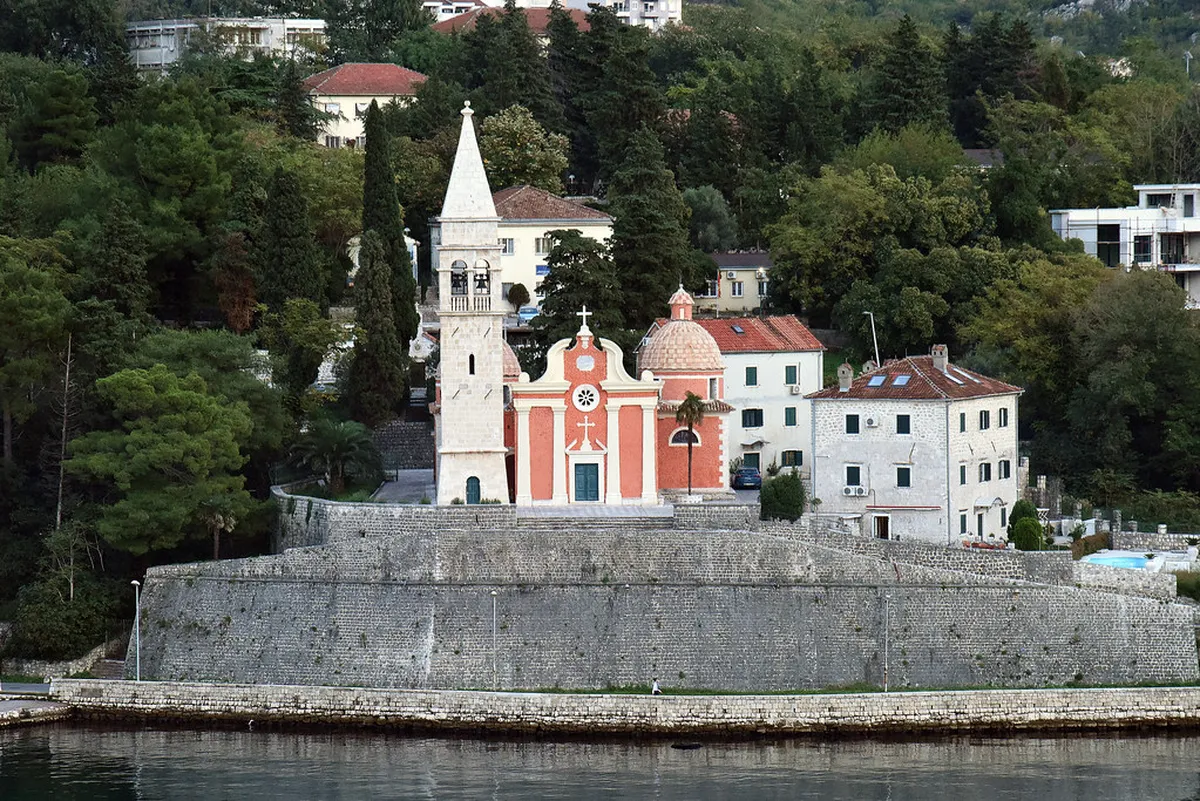
Here is the most important fact every cruiser needs before visiting Budva: Budva does not have a major cruise port. Large cruise ships dock at Kotor (15 km north of Budva) or at Tivat's Porto Montenegro marina (25 km north). If your itinerary says "Montenegro," your ship is almost certainly calling at one of these two ports — and Budva is a magnificent day trip from either.
This guide answers the single most important logistical question for cruise passengers: "I'm docked at Kotor or Tivat — how do I get to Budva and make it back on time?" We cover every transport option with 2026 costs and journey times, build a realistic 6-hour itinerary for Budva, explain return logistics, and walk through what to do if your plans go sideways. For full destination inspiration, see our Budva itinerary guide once you have the logistics sorted.
Cruise port for Budva: Kotor (most common) or Tivat
Distance Kotor → Budva: 23 km | ~40 min by bus, ~30 min by taxi
Distance Tivat → Budva: 19 km | ~35 min by bus, ~25 min by taxi
Currency: Euro (EUR) — Montenegro uses EUR but is not an EU member
Best time buffer before all-aboard: 2 hours minimum
Does Budva Have a Cruise Port? The Port Reality Check
Turn this guide into a personal route with our free budva itinerary planner.
Budva has a small marina suitable for private yachts and day-trip boats, but it cannot accommodate large cruise ships. The waters off Budva lack the protected bay geometry needed for big vessel berthing. Cruise lines that include "Budva" or "Montenegro" in their marketing are routing passengers through either Kotor Bay or Tivat.
Kotor is the dominant cruise port in Montenegro. Ships dock at a dedicated pier right at the foot of Kotor's medieval Old Town walls. Multiple vessels can berth simultaneously during peak season (June–August). The port is a UNESCO World Heritage Site gateway and sees the heaviest cruise traffic.
Tivat / Porto Montenegro is the secondary option, primarily used by smaller expedition vessels and ultra-luxury lines (Silversea, Seabourn, Ponant). The marina is modern and purpose-built. From Tivat, Budva is actually slightly closer than from Kotor, though the Kotor route via the E65 road is more straightforward.
A small number of boutique small ships do occasionally anchor in the bay off Budva and ferry passengers ashore by tender — if your ship's daily programme says "tender port Budva," that applies to you. For everyone else on a mainstream cruise line, your logistics start at Kotor or Tivat pier.
Getting from Kotor Cruise Port to Budva: All Options
Kotor is the most common Montenegro cruise stop. The port gate exits directly into Kotor town, but Budva is 23 km south along the Adriatic Highway (E65). Here are all realistic options for cruise passengers in 2026.
Bus — Cheapest Option (€4–5 each way)
Local buses run from the Kotor bus station, a 10-minute walk from the cruise pier. Buses to Budva depart roughly every 30–60 minutes and cost €4–5 per person one way. The journey takes 40–55 minutes depending on summer traffic. Buy your ticket on board from the driver — cash only, small bills preferred.
The bus drops you near Budva's main bus station, a 10-minute walk from the Old Town gates. Allow 60–70 minutes total door-to-door from the cruise pier. This option works well for flexible, budget-conscious travelers with a port day of 8 hours or more. Check the return bus schedule before you depart Kotor so you know your last safe departure time from Budva.
Taxi — Most Flexible (€25–40 each way)
Taxis wait at the cruise port exit. A metered or negotiated ride to central Budva costs €25–40 depending on traffic and negotiation. The journey takes 30–40 minutes in light traffic but can stretch to 60+ minutes during peak summer afternoons. Always agree on a price before you get in.
For the return journey, ask your Budva taxi driver for a WhatsApp number so you can call ahead. Alternatively, the taxi rank near Budva bus station usually has cars available, but waits of 15–20 minutes are common during peak hours. Factor this into your return buffer.
Private Transfer — Best for Groups (€40–60 for the car)
Pre-booked private transfers offer a fixed price, air conditioning, and a driver who will wait for you. For a group of 4, the per-person cost often beats the taxi rate. Prices typically run €40–60 for the vehicle one way. Book through reputable platforms 48 hours ahead during peak season — last-minute availability at the pier is unreliable.
Some operators offer a round-trip package with 4–5 hours waiting time in Budva for €80–100 per vehicle, which eliminates all return logistics anxiety. This is the recommended option for passengers whose ship departs before 18:00.
Organised Shore Excursion
Ship-sold excursions to Budva typically run €45–75 per person and include a guided Old Town walking tour. The main advantage is guaranteed ship connection — the tour operator is contractually responsible for getting you back in time. The trade-off is a fixed programme, larger group sizes, and less freedom to linger at the beach or discover a restaurant on your own.
Independent local operators in Kotor offer the same itinerary for €25–40 per person and generally use smaller, more nimble vehicles. Search for "Kotor to Budva shore excursion" before you sail — reviews on TripAdvisor or Viator can guide selection.
Getting from Tivat Cruise Port to Budva
Tivat's Porto Montenegro marina is modern and well-organised. The town centre is walkable from the pier, but Budva requires further travel. The E65 runs south along the coast and is typically slightly less congested than the Kotor approach.
Bus from Tivat — €3 (35 min)
The Tivat bus station is a 10–15 minute walk from the Porto Montenegro pier. Buses to Budva run regularly and cost €3 per person, taking approximately 35 minutes. The schedule is less frequent than the Kotor–Budva route, so confirm times before departure.
Taxi from Tivat — €25–35 (25 min)
Taxis at the Tivat port cost slightly less than from Kotor because the distance is shorter. Expect €25–35 for the ride, taking 25–35 minutes in light traffic. Peak summer afternoons can add 15–20 minutes.
Transport Comparison Table: Kotor & Tivat to Budva
| Option | From Kotor — Cost | From Kotor — Time | From Tivat — Cost | From Tivat — Time | Best For |
|---|---|---|---|---|---|
| Local Bus | €4–5 pp | 40–55 min | €3 pp | 35 min | Budget travelers, 8h+ port day |
| Taxi | €25–40 | 30–40 min | €25–35 | 25–35 min | Couples, small groups, flexibility |
| Private Transfer | €40–60/car | 30–35 min | €35–50/car | 25–30 min | Groups of 4+, tight schedules |
| Ship Excursion | €45–75 pp | Guided | €45–75 pp | Guided | First-timers, solo travelers |
Costs are 2026 estimates. Peak summer (July–August) traffic can add 20–30 min to all road times.
What to Do in Budva with 6 Hours: The Optimal Cruise Day Plan
Six hours on the ground in Budva is the sweet spot — long enough to see the Old Town properly, eat lunch, and reach a beach, but tight enough that you need a plan. Use our detailed Budva itinerary for deeper options. Here is the cruise-optimised sequence.
Hours 1–2: Budva Old Town (Stari Grad)
Walk from the bus station or taxi drop-off to the Old Town gates — about 10 minutes. The walled medieval city is compact: you can walk every lane in 45–60 minutes. Key stops include the Citadel (€3 entry, worth it for the Adriatic views), the Church of Santa Maria in Punta, and the Archaeological Museum if history is your priority. The ancient walls themselves are free to walk along.
Hours 2–3: Lunch and Local Atmosphere
The restaurant strip along the old marina is slightly pricier but pleasant. For better value, duck one or two streets inland from the Old Town walls — local konobas serve grilled fish, Montenegrin black risotto, and fresh salads for €10–15 per person. Montenegro uses the Euro, though it is not an EU member state (roaming plans often do not cover Montenegro — use an eSIM like Airalo for data).
Hours 3–5: Beach Time
Mogren Beach is the cruise passenger's best friend — it is a 10-minute walk from the Old Town gates via a scenic cliffside path. The water is clear, sunbeds rent for €5–8, and the setting is dramatic. If you want more space, Jaz Beach is 3 km north (5-minute taxi, ~€5) and is far larger with calmer water — good for families.
Do not attempt Sveti Stefan as a beach stop on a cruise day. The iconic island village is 6 km south, access to the nearby public beach is fine, but the round trip eats 45–60 minutes of travel time that compresses the rest of your day.
Hour 5–6: Buffer and Return
This is your safety margin. Head back toward the bus station or your taxi meeting point no later than 2 hours before all-aboard time. If your ship departs Kotor at 18:00, you must be back in Kotor by 17:30 at the latest — that means leaving Budva by 16:00 at the absolute latest, and 15:30 is more comfortable. The Adriatic Highway can back up severely in summer afternoons; what took 35 minutes at 09:00 may take 75 minutes at 16:00.
Return Logistics and Missing-the-Ship Contingency
Getting back to the ship on time from an independent trip to Budva requires deliberate planning. Here is a framework that has protected thousands of DIY cruisers.
The 2-Hour Rule
Whatever your all-aboard time, plan to re-board 2 hours before. This accounts for: finding a taxi or bus in Budva (15–30 min), road transit time including potential traffic (45–75 min in peak season), port security and walking to the gangway (15–20 min). Do not compress this buffer — the Adriatic Highway has no good alternative route during summer congestion.
If You Miss the Ship
Ships do not wait. If you miss the vessel in Kotor, you will need to reach the next port of call independently. Common next ports from Kotor include Dubrovnik (Croatia), Corfu (Greece), or Split (Croatia). A taxi to Dubrovnik from Kotor costs approximately €150–200 and takes 2.5–3 hours. Flights from Tivat Airport are an option for longer jumps. Your travel insurance should cover "missed port" situations — check your policy before you sail.
If you miss the tender for a small ship that was anchored directly off Budva, the same principle applies. The crew is required to wait until the posted tender departure time, but not beyond it. Monitor the ship's daily programme for the last tender time, not the all-aboard time — they can differ by 30–45 minutes.
Saving the Port Agent Number
Before you go ashore, photograph the port agent contact information posted at the gangway. This is the number to call if you are delayed and need the ship's agent to relay a message to the captain. It does not guarantee you will catch the ship, but it ensures the crew knows your status.
FAQ: Visiting Kotor and Budva on a Cruise
Many travelers wonder if they can see both Kotor and Budva during a single cruise stop in Montenegro. The short answer: yes, if your ship stays 8 hours or more. Here is a common question set with direct answers.
Can I see Kotor AND Budva in one port day?
Yes, but it requires prioritisation. Spend 2 hours in Kotor's Old Town (it is right at the pier — no transport needed), then taxi to Budva for 3–4 hours, then taxi back. This works for an 8-hour port day with tight margins. Do not attempt this if your all-aboard time is before 17:00 — you will not have enough time in either place.
Which is better for a cruise stop: Kotor or Budva?
They offer different experiences. Kotor is a UNESCO-listed walled city with a famous fortress hike (St. John's Fortress, 1,350 steps, 1 hour up). It is the "culture" stop. Budva has a smaller Old Town but better beaches — it is the "beach + culture" combo. If your ship docks at Kotor, walking the Kotor walls before heading to Budva is a natural pairing.
Is it safe to book independent tours to Budva from a cruise ship?
Yes, with one non-negotiable caveat: you assume responsibility for returning on time. Ship-sold excursions guarantee your connection; independent tours do not. Mitigate this by using the 2-hour rule, booking a return private transfer, and saving your driver's WhatsApp number. Hundreds of travelers visit Budva independently from Kotor every cruise season without incident when they plan properly.
Montenegro uses the Euro as its official currency. Most shops and restaurants in Budva accept Euros; credit cards work in the majority of tourist-facing businesses, but carry some cash for taxis, small cafes, and public facilities.
Are beaches in Budva free for cruise passengers?
The public sections of Mogren Beach, Budva City Beach, and Jaz Beach are free to use. You will pay for sunbed and umbrella rental (€5–8 per sunbed), but simply swimming from the shore is entirely free.
Tour Cancellation Policy and Booking Terms
Booking independent tours can save money, but you must understand the specific cancellation policies involved. Most reputable local operators offer a full refund if your ship cannot dock due to bad weather. Always confirm these terms in writing before you submit any payment or deposit. A clear policy protects your travel budget from unexpected changes in the cruise itinerary.
Standard cancellation windows usually range from 24 to 48 hours before the scheduled start time. Some boat tours to the Blue Cave may cancel last minute if sea conditions become unsafe. In these cases, operators typically offer a rescheduled time or a full refund to the passenger. Read the fine print regarding ship delays to ensure your guide will wait if you arrive late from the cruise ship.
For pre-booked private transfers, confirm that the cancellation policy covers late tender operations. A good operator will specify: "If ship's tender is delayed by up to 60 minutes, transfer is held; beyond 60 minutes, contact us for rebooking." Get this in writing via email or WhatsApp before your travel date.
What's Included in Local Shore Excursions
Local shore excursions from Kotor to Budva often provide a more intimate experience than the large tours sold on the ship. Most packages include a professional guide and air-conditioned transport between the two cities. Check whether the Kotor section (walking tour of the Old Town, optional St. John's Fortress climb) is included or whether you are on your own until the bus reaches Budva.
Some operators bundle the Blue Cave boat trip with a Budva Old Town walk. This is ambitious for a single cruise day — the Blue Cave round-trip takes 3–4 hours from Budva marina, and sea conditions can lead to last-minute cancellation. If you choose this bundle, have a backup plan for your Budva time in case the cave trip is cancelled. You can find day-trip ideas in our Budva to Kotor day trip guide that covers the reverse routing for those staying overnight.
Gratuities for the driver and guide are usually not included and are appreciated (€3–5 per person is standard in Montenegro). Verify maximum group size before booking — groups under 12 move faster and allow more flexible timing, which matters when you have a ship to catch.
Optional Side Trip: The Blue Cave (Best for Repeat Visitors)
The Blue Cave is a magnificent natural sea cave located a boat ride south of Budva, near Sveti Stefan. The cave's electric-blue glow is produced by light refraction through submerged openings — a genuinely unique experience when conditions cooperate. From Budva marina, the boat ride takes approximately 30–45 minutes each way, with 15–20 minutes inside the cave.
This trip involves crossing open sea, which makes it highly dependent on current weather conditions. Check the local marine forecast on the morning of your arrival before committing to any booking. High winds or swell will lead to last-minute cancellation — operators take this seriously for safety reasons.
- Blue Cave Go/No-Go Decision Matrix
- Calm seas, clear skies → Go — the bioluminescent glow is at its best
- Whitecaps or winds over 15 knots → No-Go — transit will be rough and uncomfortable
- Overcast or rainy → Skip — the blue glow depends on sunlight; overcast conditions reduce the effect significantly
First-time visitors to Budva should prioritise the Old Town and a beach. The Blue Cave is best saved for repeat visitors who have already seen the main highlights, or for those with a very long port day (10+ hours) who have already done Budva before.
Best Ways to Combine Attractions on a Cruise Day
Maximising a Montenegro cruise day requires a smart plan that balances sightseeing with logistical reality. The key constraint is not distance but the Adriatic Highway in summer — one lane in each direction, with no good bypass. Plan for travel time, not just distance.
- The 6-Hour Budva Focus (ship departs 18:00–19:00)
- 08:30 — Walk Kotor Old Town briefly (30 min at pier)
- 09:00 — Taxi or bus to Budva (40 min)
- 09:40 — Budva Old Town walk + Citadel (90 min)
- 11:10 — Lunch in Budva (60 min)
- 12:10 — Mogren Beach swim (90 min)
- 13:40 — Taxi back to Kotor (allow 60 min with traffic buffer)
- 14:40 — Back at Kotor pier (3+ hours before 18:00 all-aboard)
- The 4-Hour Old Town Express (shorter port day)
- Take the first taxi from Kotor port to Budva
- Walk the Old Town, visit the Citadel, grab coffee at the marina
- Return by taxi — no beach, no side trips
- Transport: two taxis, €50–80 total for the round trip
Always start with the furthest point and work back toward the port. Never plan to "squeeze in one more thing" in the final 90 minutes before your return window.
Related Europe and Adriatic Cruise Port Guides
Budva is often part of a broader Adriatic itinerary that includes stops in Greece and Croatia. Understanding the port reality of each stop helps you decide where to spend your limited time and money on excursions. Greek ports such as Corfu and Katakolo are typically pier stops with walkable access; Montenegro's Kotor is one of the most scenic pier settings in the entire Mediterranean.
Comparing these ports also helps with packing. The Adriatic coast — Montenegro in particular — involves stone streets, steep hillside walks (Kotor's fortress hike is demanding), and potentially tender operations for small ships. Good walking shoes are more useful than sandals for any Montenegro port day. Use our how to reach Budva guide if you are arriving overland on a different trip to the region.
Croatia's Dubrovnik is the most obvious comparison: also a walled Old Town, also extremely popular with cruisers, but significantly more expensive and more crowded in peak season. Budva offers a similar medieval atmosphere at roughly 60% of the price. If your itinerary includes both, Dubrovnik deserves your historical attention and Budva deserves your afternoon beach time.
Frequently Asked Questions
Does Budva have a cruise port?
No. Budva does not have a cruise port for large ships. Cruise ships visiting Montenegro dock at Kotor (15 km north of Budva) or Tivat's Porto Montenegro marina (25 km north). From either port, Budva is a 30–55 minute road journey depending on your transport choice and summer traffic conditions.
Which is the best cruise port for visiting Budva — Kotor or Tivat?
Both work. Kotor is more common and the journey to Budva is similarly timed (40 min by bus, 30–40 min by taxi). Tivat is slightly closer to Budva (35 min by bus, 25–35 min by taxi) and less congested. If your ship docks at Kotor, factor in 30–60 minutes to see Kotor's Old Town before heading to Budva, as it is right at the pier.
How long do I need in Budva on a cruise day?
Minimum 3 hours in Budva for Old Town only. Ideal is 5–6 hours for Old Town, lunch, and a beach stop. Add 80–120 minutes round-trip travel time from Kotor port (longer in peak summer traffic). Your total port day should be at least 8 hours for a comfortable Budva visit with buffer time before all-aboard.
How much does it cost to get from Kotor cruise port to Budva?
By local bus: €4–5 per person each way (cheapest, ~40–55 min). By taxi: €25–40 for the car (~30–40 min). By pre-booked private transfer: €40–60 per car one way, or €80–100 round-trip with waiting time. Ship excursions run €45–75 per person but include a guide and guaranteed ship connection.
Can I make it back to the ship on time from Budva?
Yes, if you follow the 2-hour rule: leave Budva at least 2 hours before your all-aboard time. In peak summer (July–August), the Adriatic Highway can be heavily congested in the afternoon, stretching a 30-minute taxi ride to 60–75 minutes. Book a return private transfer or get your driver's contact number to avoid waiting for a taxi at the wrong moment.
Is Budva walkable once you arrive?
Yes. Once in Budva, the main attractions are highly walkable. The bus station and taxi drop-off are about 10 minutes on foot from the Old Town gates. Mogren Beach is a 10-minute walk from the Old Town via a scenic cliff path. Only Jaz Beach (3 km north) and Sveti Stefan (6 km south) require additional transport within Budva.
Budva is an exceptional cruise destination once you understand the real logistics: your ship docks at Kotor or Tivat, and Budva is a 30–55 minute journey from either port. With a clear transport plan, a realistic timeline, and the 2-hour return buffer firmly in place, a day trip to Budva from your cruise is entirely manageable and deeply rewarding.
The medieval Old Town, the turquoise waters of Mogren Beach, and the dramatic Montenegrin coastline make Budva one of the most memorable port-day experiences on any Adriatic itinerary. Plan the transport first, then enjoy every minute on the ground. Montenegro's relatively affordable prices and the warmth of its people will make you wish your ship stayed longer.
For more on the region, our Budva itinerary guide covers multi-day visit planning, and our Budva to Kotor day trip covers the reverse route for travellers based in Budva who want to explore the bay.