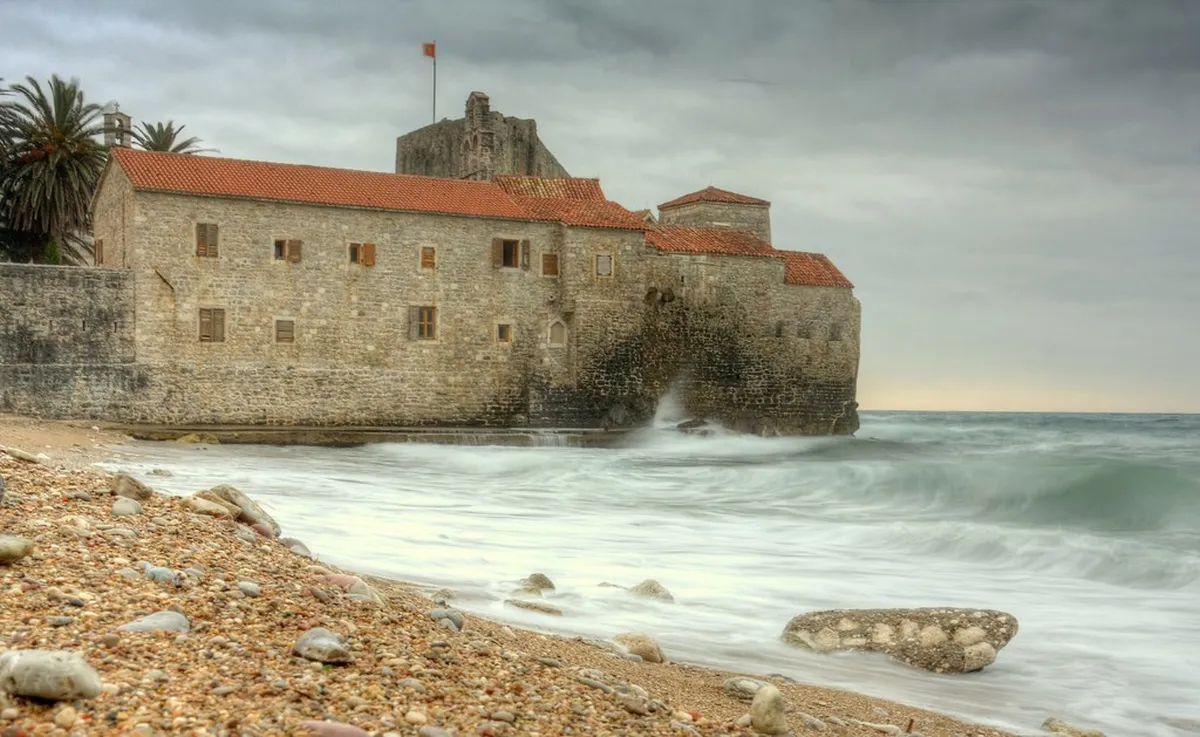
Late spring and early fall are the absolute best times to visit this coastal gem. I visited Budva in late September and found the water still perfectly warm for swimming. The summer crowds had vanished, leaving the beaches quiet and the air comfortably mild. This 2026 guide covers every month so you can plan with full confidence.
Choosing the right time depends on whether you crave hot beach days or quiet historic walks. The best time to visit Budva is usually May, June, or September. During these months, you avoid the extreme heat and the heaviest tourist traffic. Our complete monthly breakdown helps you navigate the Adriatic climate with confidence and ease.
Budva sits on the beautiful Montenegro coast, surrounded by dramatic limestone mountains. This geography creates a unique microclimate that influences daily temperatures and wind patterns. Understanding the local nuances will ensure you pack the right gear for your trip. Let's dive into the specifics of Budva weather by month to plan your perfect escape.
If you want to dig deeper into trip planning, our complete Budva itinerary pairs seamlessly with this weather guide and helps you structure each day. Packing nerves? Our dedicated Budva packing guide translates every month's forecast into an exact kit list.
Budva Climate Overview: Mediterranean Weather Patterns
Turn this guide into a personal route with our free budva itinerary planner.
Budva enjoys a classic Mediterranean climate characterized by hot summers and mild, wet winters. The Adriatic Sea acts as a massive thermal regulator for the entire coastal region. According to data from WeatherSpark, the city sees over 2,300 hours of sunshine annually. This makes it one of the sunniest spots in the northern Mediterranean basin.
The surrounding mountains often trap heat during the peak summer months of July and August. This can lead to higher humidity levels than you might find in more open coastal areas. Afternoon sea breezes usually provide some relief from the midday sun along the shoreline. Rain is rare in summer but becomes very frequent once the calendar turns to November.
Spring and autumn serve as transitional periods with rapidly changing conditions. You might experience a bright sunny morning followed by a sudden mountain shower. These showers are typically brief and help keep the coastal vegetation lush and green. Understanding these patterns is key to enjoying the various outdoor activities available here.
Budva Monthly Weather at a Glance: 12-Month Comparison Table
This table summarises the key climate numbers for every month of the year in Budva. Use it to compare months side-by-side before booking. Sea temperatures lag behind air temperatures by roughly four to six weeks, which is why the Adriatic stays swimmable well into October.
| Month | Avg High (°C) | Avg Low (°C) | Sea Temp (°C) | Rainfall (mm) | Rainy Days | Crowd Level |
|---|---|---|---|---|---|---|
| January | 12 | 4 | 14 | 170 | 13 | Very Low |
| February | 13 | 5 | 13 | 145 | 11 | Very Low |
| March | 15 | 7 | 14 | 120 | 10 | Low |
| April | 19 | 10 | 16 | 90 | 9 | Low-Moderate |
| May | 23 | 14 | 18 | 70 | 8 | Moderate |
| June | 28 | 18 | 22 | 40 | 4 | High |
| July | 32 | 21 | 25 | 18 | 2 | Peak |
| August | 33 | 21 | 26 | 20 | 2 | Peak |
| September | 27 | 17 | 24 | 60 | 6 | Moderate |
| October | 21 | 13 | 21 | 110 | 9 | Low-Moderate |
| November | 16 | 9 | 18 | 180 | 14 | Very Low |
| December | 13 | 6 | 15 | 190 | 14 | Very Low |
Data based on 30-year climate normals for the Budva coastal station. All temperatures in Celsius; rainfall in millimetres. Source references: WeatherSpark and SunHeron.
Budva Weather Month by Month: Full Breakdown
January in Budva
Avg high/low: 12°C / 4°C | Sea temp: 14°C | Rainfall: 170 mm | Crowd level: Very Low
January is Budva's quietest and one of its coldest months. The notorious Bora wind — a fierce, dry northeasterly that funnels down from the Dinaric Alps — can make 12°C feel closer to sub-zero. Gusts regularly exceed 80 km/h, so waterfront walks can be genuinely brutal. Most beach bars and seasonal restaurants are shuttered, but the walled Old Town remains open and deeply atmospheric.
What's open: Old Town shops, year-round tavernas, the citadel walls. What's closed: beach clubs, boat-tour operators, most waterfront restaurants. Packing tip: Windproof outer layer, waterproof boots, and a hat — the chill is more about wind chill than raw temperature.
February in Budva
Avg high/low: 13°C / 5°C | Sea temp: 13°C | Rainfall: 145 mm | Crowd level: Very Low
February is marginally drier than January and the first month where long sunny windows occasionally appear between rain systems. The sea reaches its annual coldest around this time — 13°C — so swimming is out for all but the hardiest. Hotel prices are at their annual floor, making February a compelling choice for culture seekers on a tight budget. Carnival preparations begin to energise the Old Town toward the end of the month.
What's open: Old Town, museums, select restaurants. What's closed: Beach infrastructure, most boat tours. Packing tip: Layers that peel off easily for the sunny spells; a compact umbrella for the frequent drizzle.
March in Budva
Avg high/low: 15°C / 7°C | Sea temp: 14°C | Rainfall: 120 mm | Crowd level: Low
March is a transitional month with noticeably longer days and the first genuine warmth in the afternoon sun. Rain is still frequent, but showers tend to be briefer and separated by clearer spells. Wildflowers begin to appear on the hillsides behind the town, making this an appealing month for hikers willing to carry a packable rain jacket. The Bora wind still blows periodically, though with less ferocity than in January.
What's open: Old Town in full, a handful of early-season restaurants. What's closed: Most beach clubs, Hawaii Island ferry. Packing tip: Light waterproof jacket, mid-layer fleece, sturdy trainers for wet cobblestones.
April in Budva
Avg high/low: 19°C / 10°C | Sea temp: 16°C | Rainfall: 90 mm | Crowd level: Low-Moderate
April is the month Budva wakes up. Temperatures climb to a comfortable 19°C and the sea — at 16°C — is cold but tempting for the brave. Early-season boat tours to the Blue Cave begin operating on weekends. Easter often falls in April, drawing domestic visitors to the historic churches. Accommodation prices are still well below peak and most attractions are accessible without queuing.
What's open: Most restaurants and bars, weekend boat tours, beaches (though quiet). What's closed: A few beach clubs still in winter mode. Packing tip: Light layers, a packable rain jacket, and swim gear just in case — the first sunny days can be deceptively warm.
May in Budva
Avg high/low: 23°C / 14°C | Sea temp: 18°C | Rainfall: 70 mm | Crowd level: Moderate
May is the sweet spot for visitors who want pleasant weather without the summer crush. Daytime highs sit at 23°C and the sea reaches a swimmable 18°C by the end of the month. The famous Budva Carnival typically runs in May, filling the Old Town with street performers and European visitors. Clear skies make for ideal photography along the Slovenska Plaza promenade.
What's open: Virtually everything — beach clubs begin opening, full boat tour schedules, all restaurants. Packing tip: Sun cream, a light cardigan for evenings, comfortable walking sandals for the cobbled streets.
June in Budva
Avg high/low: 28°C / 18°C | Sea temp: 22°C | Rainfall: 40 mm | Crowd level: High
June delivers the longest days of the year — up to 15 hours of daylight — combined with a sea that is finally genuinely warm for extended swimming. Crowds build sharply mid-month as school holidays start across Europe. The Sea Dance Music Festival, one of Montenegro's biggest summer events, usually kicks off in late June on Jaz Beach just outside Budva. Booking accommodation at least two months ahead is strongly recommended.
What's open: Everything, including all boat tours, beach clubs at full capacity. Packing tip: High-SPF sunscreen, a reusable water bottle, a light linen shirt — midday sun is already intense.
July in Budva
Avg high/low: 32°C / 21°C | Sea temp: 25°C | Rainfall: 18 mm | Crowd level: Peak
July is the hottest and busiest month in Budva. Average highs of 32°C — frequently spiking to 36–38°C during heatwaves — combined with high humidity can feel oppressive between noon and 4 pm. The sea, at 25°C, offers the perfect refuge. Beaches like Mogren and Ploče are packed by 9 am; arriving early or visiting after 5 pm are your best strategies. Rain is almost nonexistent — just 18 mm spread over two days — so the sunshine is relentless.
What's open: Everything at full capacity. Packing tip: SPF 50+, light linen or moisture-wicking clothing, electrolyte sachets for hydration, and reef-safe sunscreen.
August in Budva
Avg high/low: 33°C / 21°C | Sea temp: 26°C | Rainfall: 20 mm | Crowd level: Peak
August edges out July as the hottest month, with highs averaging 33°C and the sea reaching its annual peak of 26°C. The humidity is at its heaviest, making the "real feel" temperature several degrees higher than the thermometer suggests. According to SunHeron, August has the best overall water visibility for snorkelling around Sveti Nikola island. Overnight temperatures rarely drop below 21°C, so even evenings feel warm and sticky.
What's open: Everything, with extended hours. Beach bars and clubs run until 4–5 am. Packing tip: Pack light colours, a small portable fan, and a sarong that doubles as a beach blanket and evening wrap.
September in Budva
Avg high/low: 27°C / 17°C | Sea temp: 24°C | Rainfall: 60 mm | Crowd level: Moderate
September is the single best month for most travellers. Air temperatures ease to a comfortable 27°C while the sea — still at 24°C thanks to the thermal lag — remains perfect for long, unhurried swims. Crowds thin dramatically after the first week as European schools resume. Prices drop 20–30% versus July without any meaningful reduction in what is open or accessible.
What's open: Nearly everything through mid-September; beach clubs begin reducing hours in the final week. Packing tip: Swimwear plus a light evening layer — nights cool noticeably, especially after rain, so a cotton hoodie earns its weight.
October in Budva
Avg high/low: 21°C / 13°C | Sea temp: 21°C | Rainfall: 110 mm | Crowd level: Low-Moderate
October is the month of harvest and quiet. Daytime temperatures sit at a very pleasant 21°C for sightseeing, and the sea — still at 21°C — is swimmable through the first two weeks. Rainy days increase sharply to around nine, often arriving as dramatic afternoon thunderstorms that clear within an hour. Markets fill with fresh figs, pomegranates, and local wine from the Montenegrin interior.
What's open: Old Town, most restaurants, some beach clubs. What's closing: Boat tours become weather-dependent; some beach bars shut mid-month. Packing tip: Layer up — a mid-weight jacket for evenings and waterproof shoes for the cobblestone streets after rain.
November in Budva
Avg high/low: 16°C / 9°C | Sea temp: 18°C | Rainfall: 180 mm | Crowd level: Very Low
November is statistically the wettest month — 180 mm of rain spread over 14 days — and marks the true start of the off-season. Daytime temperatures remain mild at 16°C but the persistent dampness amplifies the chill considerably. Most seasonal businesses close during the first two weeks of the month. The upside: the Old Town and the narrow lanes of the citadel become genuinely atmospheric, often shrouded in low mist from the mountains.
What's open: Old Town, year-round eateries, museums. What's closed: Beach clubs, Hawaii Island ferry, most boat operators. Packing tip: Waterproof jacket, waterproof boots, and an umbrella — do not underestimate November's rainfall.
December in Budva
Avg high/low: 13°C / 6°C | Sea temp: 15°C | Rainfall: 190 mm | Crowd level: Very Low
December is the rainiest month of the year with up to 190 mm of precipitation. The Adriatic winter weather is characterised by sustained grey skies, frequent rain, and cold nights dropping to 6°C. Snow is extremely rare on the coast, though the mountains behind Budva are reliably white from mid-December. A small Christmas market sometimes opens near the city gates, offering local honey, spirits, and handicrafts — a charming pocket of warmth in the quiet town.
What's open: Old Town, select restaurants, Christmas market (when running). What's closed: Most tourist infrastructure. Packing tip: Heavy waterproof outer layer, thermal base layer, warm hat — treat it like a mild northern European winter.
Pick X If: Choosing Your Ideal Travel Window
Every traveller has different priorities when it comes to weather and local atmosphere. Some people thrive in the heat, while others prefer cool air for walking. Budva offers something different in every season if you know what to expect. Here are our recommendations based on common travel styles and preferences.
- Pick July or August if you love hot beach weather and a lively nightlife scene.
- Pick May or September if you want mild sightseeing days and manageable crowds.
- Pick October or April if you are travelling on a budget and still want reasonable weather.
- Pick June if you want the longest days, warm water, and full tourist infrastructure before peak-peak season.
- Pick January or February if you want the lowest prices and a genuinely local, off-season atmosphere.
What's Closed in Low Season: Planning Closures
Visiting in the off-season requires a bit more logistical planning for your trip. Many famous beach clubs, like those at Ploče, close entirely from October to April. Seasonal boat ferries to Hawaii Island stop running once the autumn rains begin. You will find that many waterfront tavernas also shutter their doors for winter.
The Old Town remains active, but with significantly reduced hours for many shops. Public transport to smaller coastal villages becomes much less frequent during the winter. If you plan to visit Sveti Stefan, check access as tours are limited off-season. Always verify your must-see list before booking a trip between November and March.
What to Pack for Budva's Changing Weather
Packing correctly can make or break your comfort during a trip to Montenegro. The coastal weather can be deceptive, especially when the sun goes down in spring. Consulting a dedicated Budva packing list is a great starting point for any traveller. Here is a quick breakdown of essentials based on the season you choose.
- Summer (Jun–Aug): SPF 50+, light linen clothing, reef-safe sunscreen, reusable water bottle, compact dry bag for beach days.
- Spring & Early Autumn (Apr–May, Sep–Oct): A light windbreaker or fleece for evenings, swim gear, packable rain jacket.
- Late Autumn & Winter (Nov–Mar): Waterproof boots, heavy rain jacket, warm hat, thermal base layers.
- All seasons: Comfortable walking shoes with grip for wet cobblestones, a power bank for long day trips, travel insurance.
Frequently Asked Questions
What is the hottest month in Budva?
August is typically the hottest month in Budva. Average highs reach 31°C / 88°F, but heatwaves can push temperatures much higher. Humidity levels are also at their peak during this time.
Can you swim in Budva in May?
Swimming in May is possible but the water is quite refreshing. Sea temperatures average around 18°C / 64°F. Most locals wait until June for regular swimming sessions.
How many rainy days does Budva get in winter?
Budva averages about 12 to 14 rainy days per month in winter. November and December are the wettest periods. Rain is often heavy but interspersed with clear, sunny intervals.
Is Budva worth visiting in October?
October is a wonderful time for peaceful sightseeing and hiking. The sea remains warm enough for quick swims early in the month. Prices are much lower than in the summer.
What is the best month for a budget trip to Budva?
April and October offer the best value for budget travellers. Prices are significantly lower than peak summer, yet the weather is mild enough for comfortable sightseeing. You can still enjoy the Old Town, day hikes, and some boat tours without the summer crowds or costs.
What is the Bora wind and how does it affect Budva?
The Bora is a strong, cold, dry northeasterly wind that funnels down from the Dinaric Alps onto the Adriatic coast. In Budva, it most commonly strikes between December and March and can reach gusts of 80–100 km/h. Even on a mild 12°C day, Bora wind chill can make the waterfront feel genuinely cold. The good news is that Bora events typically last one to three days and are followed by clear, crisp skies.
Why does the Adriatic stay warm for swimming in September?
The Adriatic Sea has high thermal mass, meaning it absorbs heat slowly through summer and releases it just as slowly into autumn. By September, the sea has accumulated months of solar energy and sits at around 24°C even as air temperatures begin to drop. This lag of four to six weeks means that September and early October often offer the best combination of manageable air temperatures and genuinely warm swimming conditions.
Budva is a year-round destination, but its character changes dramatically with the seasons. Whether you want the heat of July or the quiet of May, plan accordingly. The Adriatic climate is generally kind, but the Bora wind is a real factor in winter. For a deeper dive into planning your days on the ground, check out our Budva itinerary for a day-by-day structure that matches any month you choose. Enjoy your trip to the stunning coast of Montenegro.