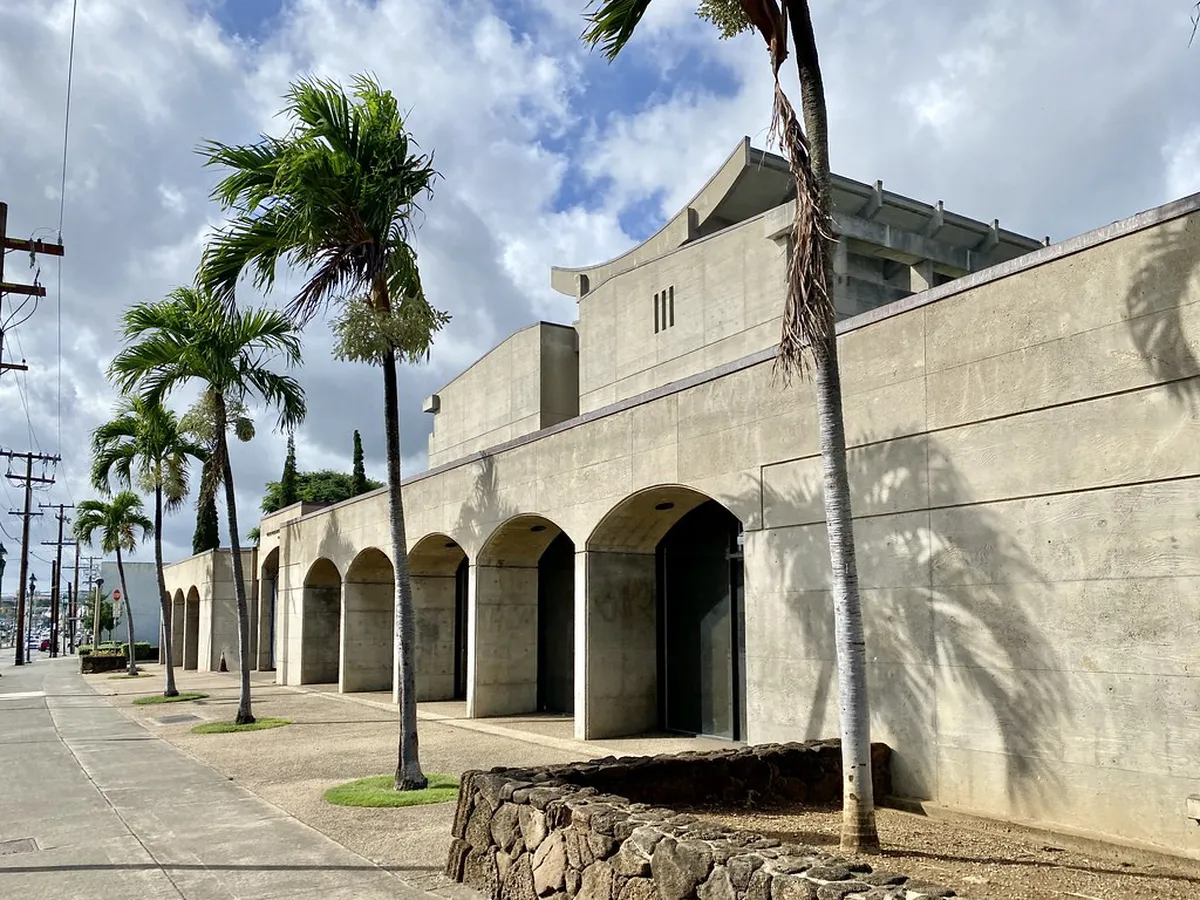
Trondheim, Norway, offers a fascinating architectural journey. The city boasts a rich history of building styles. Beyond its wooden houses and medieval structures, you will find striking Brutalist architecture. These powerful concrete creations often spark strong opinions. Prepare to discover the Brutalist architecture in Trondheim on your 2026 visit. This guide highlights some of its most notable examples. You can even plan a dedicated Trondheim architecture itinerary.
Sentralbadet: Trondheim's Distinctive Concrete Landmark
Turn this guide into a personal route with our free Trondheim itinerary planner.
Sentralbadet stands as a prime example of Brutalist buildings Trondheim offers. This former central public bath was completed in 1968. Architect Roar Tønseth designed its bold and imposing concrete facade. Its monumental presence dominates the surrounding area. You can find it at Klostergata 9, close to the city center.
The building features extensive use of exposed concrete. Large, unadorned surfaces showcase its raw material. This style aligns perfectly with Brutalist principles. It highlights functionality and structural honesty. The design emphasizes solid, geometric forms.
While no longer a public bath, the building remains a significant landmark. It represents a specific era in Trondheim's post-war architectural styles. Many buildings from this period reflected optimism and reconstruction. Sentralbadet powerfully embodies these ideals. Its future use is often a topic of local discussion.
Visitors can appreciate its scale and unique details from the outside. Its robust form truly stands out among other city buildings. This concrete masterpiece is a must-see for Brutalism enthusiasts. Learn more about controversial Brutalism in Trondheim before your visit.
Studentersamfundet: A Mix of Styles with Brutalist Elements
Studentersamfundet, or The Student Society building, is an iconic Trondheim site. While its original part dates back to 1929, it has seen significant expansion. Later additions, particularly from the 1960s and 1970s, introduced strong Brutalist aesthetics. These additions blend with the original distinctive red, round structure. It remains a vibrant cultural hub for students.
The later concrete extensions feature robust, exposed surfaces. These sections contrast sharply with the older, more decorative elements. They represent the era's focus on functional design. You will observe impressive concrete work and bold lines. These elements exemplify common Brutalist characteristics.
The building is located at Elgesetergate 1. It serves as a focal point for student life. Concerts, debates, and various events happen here regularly. Its architectural evolution tells a story of Trondheim's city planning history. The blend of styles creates a unique visual experience.
Exploring Studentersamfundet reveals layers of design history. Pay attention to how the old and new structures interact. This blend makes it one of the more fascinating contemporary Trondheim buildings. It is a living example of architectural adaptation over decades.
NTNU University Campus: Functional Concrete Designs
The Norwegian University of Science and Technology (NTNU) campus showcases various architectural styles. Many buildings constructed during the post-war period feature Brutalist influences. These structures prioritize function and durability. Exposed concrete and practical layouts are common across the campus. It expanded significantly in the 1960s and 1970s.
Buildings like those in the Gløshaugen area often display these characteristics. Large, unadorned concrete surfaces dominate facades. They provide a sense of permanence and solidity. The design aimed for efficiency and cost-effectiveness. This approach was typical for many public buildings of that time.
Exploring the campus offers a look into this architectural movement. You will see how Brutalism provided functional spaces for learning and research. These academic structures form an important part of university NTNU architecture. They reflect the era's utilitarian building philosophy.
The campus is extensive and provides many examples of this style. Take some time to walk around and observe the details. Note the interplay of light and shadow on the concrete surfaces. This experience offers valuable insights into the era's design choices. Consider a walking tour of Trondheim architecture for deeper understanding.
Frequently Asked Questions
What defines Brutalist architecture in Trondheim?
Brutalist architecture in Trondheim is marked by its use of raw, exposed concrete. Buildings often feature massive, block-like forms. Functionalism and a lack of ornamentation are key characteristics. The style emerged in the mid-20th century. It prioritizes structure and material honesty. These elements create a distinct aesthetic. Learn more about Brutalist architecture in Trondheim.
Why did Brutalist buildings appear in Trondheim after the war?
Trondheim, like many European cities, experienced significant post-war reconstruction. Brutalism offered a cost-effective and efficient building method. Its focus on functional design suited the need for new public buildings. Universities, baths, and administrative centers adopted this robust style. The style also reflected a modernist vision for urban development. This period shaped many of Trondheim's post-war architectural styles.
Can I easily find these Brutalist sites in Trondheim in 2026?
Yes, many notable Brutalist buildings Trondheim offers are still standing. Sentralbadet is centrally located and easy to spot. The Studentersamfundet is also prominent. NTNU campus buildings are accessible for exploration. You can use a map or an architecture tour guide. Most are within walking or public transport distance. They offer a unique perspective on the city's urban landscape.
Trondheim's Brutalist buildings offer a powerful counterpoint to its historic charm. These concrete giants tell a story of post-war ambition and functional design. They stand as robust testaments to a specific architectural era. Exploring them provides a deeper understanding of the city's diverse landscape. Embark on your own Trondheim architecture itinerary. Discover these often-misunderstood structures in 2026.
Key Takeaways
- Trondheim features unique Brutalist architecture, mainly from the post-war era.
- Sentralbadet and specific NTNU campus buildings are prime examples of the style.
- Studentersamfundet shows Brutalist influence in its later expansions.
- The style emphasizes raw concrete, functionality, and bold, geometric forms.
- Planning an architectural walk reveals these distinctive structures.