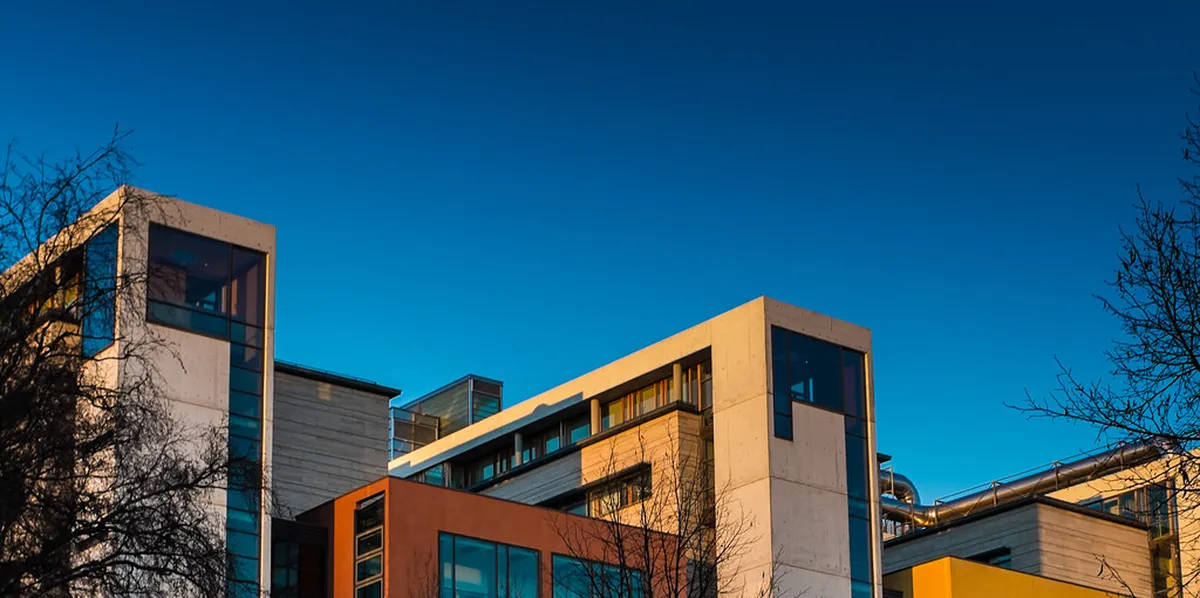
Trondheim, Norway, boasts a rich architectural heritage. The Norwegian University of Science and Technology (NTNU) significantly contributes to this landscape. Its campuses showcase a fascinating blend of historical and contemporary designs. This guide explores the unique University NTNU architecture, offering insights for visitors.
Visiting NTNU provides a deep dive into Norwegian design principles. You will uncover impressive buildings and innovative structures. Prepare to be inspired by this academic hub's artistic and functional spaces. Consider adding this to your Trondheim architecture itinerary for a complete experience.
Gløshaugen Campus: Heart of NTNU Architecture
Turn this guide into a personal route with our free Trondheim itinerary planner.
Gløshaugen serves as NTNU's main campus, perched on a hill overlooking Trondheim. Its striking red brick buildings define much of its character. This campus reflects early 20th-century Norwegian design influences. It creates a distinguished and cohesive visual identity.
Many original structures were designed by prominent Norwegian architects. Harald Bødtker and Olaf Nordhagen shaped the early campus. Their work established a blend of National Romanticism and Art Nouveau styles. The main administration building is particularly noteworthy.
Newer additions seamlessly integrate with the historical fabric. Modern extensions often feature glass and steel, providing contrast. These designs respect the existing aesthetic while embracing new technology. They represent a living, evolving architectural landscape.
Visitors can easily walk through the campus grounds. Self-guided tours offer a flexible way to explore the buildings. Look for information boards explaining key structures. For a deeper understanding, explore our dedicated NTNU Gløshaugen campus architecture guide.
Historical Context and NTNU Design Evolution
NTNU's architectural journey began in 1910 with the Norwegian Institute of Technology (NTH). The initial designs reflected a national awakening in art and architecture. These styles emphasized local materials and craftsmanship. It connected deeply with Norway's cultural identity.
Through the mid-20th century, the campus expanded significantly. Post-war reconstruction led to more functionalist designs. These buildings prioritized utility and efficiency. They marked a shift from earlier ornate styles, embracing modernism.
The late 20th century saw further integration and modernization efforts. NTNU continually adapts its spaces to meet new academic needs. This evolution showcases different architectural philosophies over time. It provides a unique timeline of Norwegian building trends.
Understanding Trondheim's city planning history helps contextualize NTNU's growth. The university's development often mirrored city-wide changes. It reflects broader national architectural movements. This rich history makes it a vital part of the city's built environment.
Modernity and Sustainability in NTNU Architecture
Contemporary NTNU architecture prioritizes sustainability and innovation. Many new buildings feature eco-friendly materials and energy-efficient systems. Green roofs and smart heating solutions are common. This commitment aligns with Norway's environmental goals.
Recent projects showcase cutting-edge design and technology integration. The new research facilities blend form and function beautifully. They provide flexible spaces for advanced studies. These designs often feature large windows, maximizing natural light.
NTNU actively promotes sustainable architecture in Trondheim. The university serves as a living laboratory for urban planning and design. Its ongoing projects push boundaries in ecological construction. Students and faculty contribute to these innovative solutions.
Exploring these modern structures reveals a forward-thinking university. Visitors in 2026 will find several recently completed buildings. They demonstrate NTNU's dedication to future-proof design. These buildings offer a glimpse into the future of campus architecture.
Beyond Gløshaugen: Exploring Other NTNU Sites
While Gløshaugen is central, NTNU has several other campuses worth exploring. Kalvskinnet campus, located in the city center, houses historical buildings. These structures blend seamlessly with Trondheim city center buildings. They often feature more traditional urban architecture.
Øya campus focuses on medicine and health sciences. Its buildings offer a modern, functional aesthetic. This campus provides a different perspective on university architecture. It highlights specialized design for specific academic needs.
Student housing across Trondheim also presents diverse architectural styles. From historical renovated buildings to contemporary apartments, options vary. These residences often reflect different periods of urban development. They provide interesting examples of residential design.
Many off-campus NTNU facilities also contribute to Trondheim's architectural tapestry. These include specialized research centers and cultural venues. Each site adds a unique flavor to the overall University NTNU architecture experience. They show the university's widespread impact.
Frequently Asked Questions
Can visitors freely explore the NTNU Gløshaugen campus?
Yes, most of the Gløshaugen campus is open to the public. You can walk around the grounds and admire the buildings. Some indoor areas might require student or staff access. Always be respectful of university operations.
Public access allows a great opportunity for architectural exploration. Always check NTNU's official visitor guidelines for 2026. It is advisable to review practical architecture tour tips before your visit.
What are the most prominent architectural styles at NTNU?
NTNU's architecture primarily showcases Norwegian National Romanticism and functionalism. Early buildings reflect the romantic ideal of national identity. Later additions embraced modernist and contemporary styles. This creates a rich visual dialogue.
You will also find elements of Art Nouveau in some older structures. More recent buildings lean towards minimalist and sustainable design principles. This diversity provides a comprehensive view of Norwegian architectural trends.
Are there any guided tours available for NTNU's architecture?
NTNU occasionally offers guided tours of its campuses. These tours provide in-depth information about the buildings. It's best to check the official NTNU website for tour schedules. Specific Trondheim architecture events might also feature campus tours.
Independent exploration is also highly rewarding. You can use online maps and architectural guides. Many resources highlight key buildings and their history. Enjoy discovering the campus at your own pace.
The University NTNU architecture offers a captivating journey through Norwegian design history. From grand historical buildings to cutting-edge sustainable structures, it has it all. This academic institution stands as a testament to Trondheim's innovative spirit. Plan your visit to explore these remarkable spaces.
Immerse yourself in the unique blend of tradition and modernity. Discover the hidden architectural gems across its campuses. NTNU is an essential stop for any architecture enthusiast. It truly embodies the spirit of discovery and innovation.
Key Takeaways
- NTNU's Gløshaugen campus showcases a blend of National Romanticism and modern design.
- Explore sustainable and innovative architecture at NTNU's contemporary buildings.
- Visit multiple campuses to appreciate the full scope of University NTNU architecture in Trondheim.