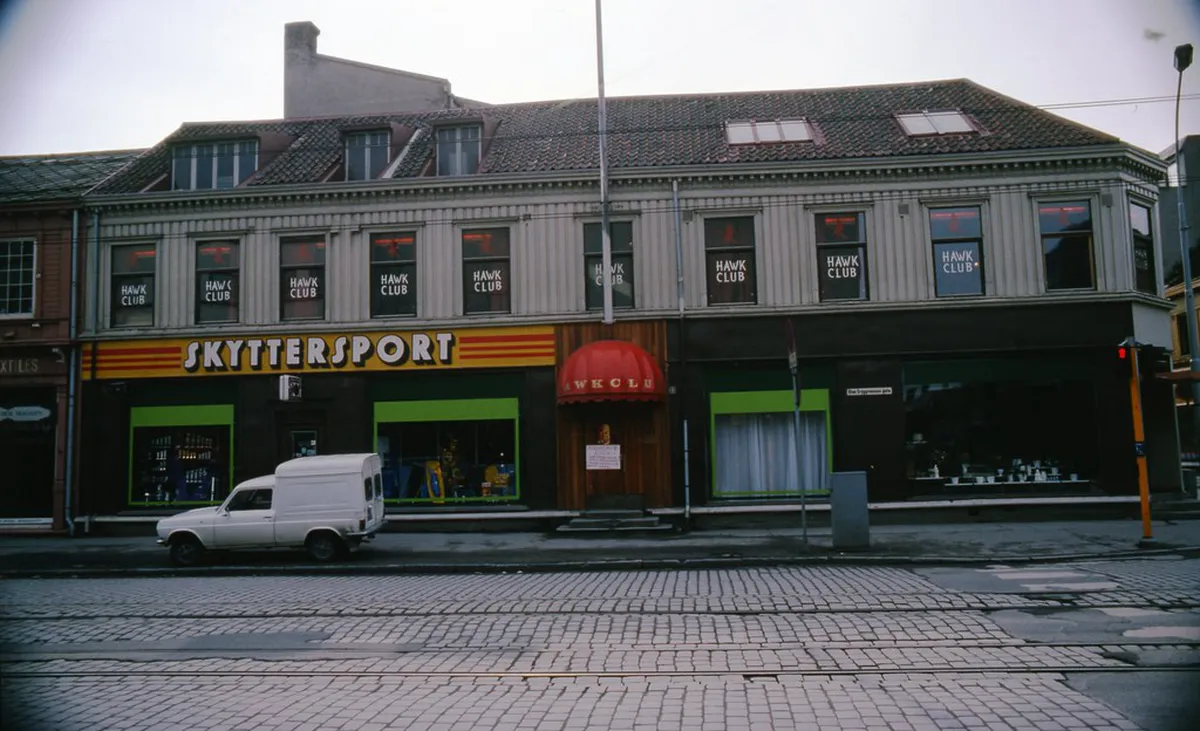
Trondheim, Norway's historic royal city, boasts a fascinating urban landscape. Its unique layout tells a story of centuries of development. Understanding Trondheim city planning history reveals its resilience. This guide explores the forces that shaped its charming streets. Prepare to discover the architectural evolution of this Norwegian gem in 2026.
From medieval paths to grand baroque boulevards, Trondheim has adapted. Fire, floods, and progress have all left their mark. You will learn about key planners and their lasting impact. Dive into the rich narrative of Trondheim's historic urban development. This journey offers unique insights into the city's soul.
Medieval Roots and Early Settlements in Trondheim
Turn this guide into a personal route with our free Trondheim itinerary planner.
Trondheim's origins date back to 997 AD. King Olav Tryggvason founded the city then. It was initially named Nidaros. The early city grew organically along the Nidelva River. Narrow winding streets characterized this medieval period. These paths followed natural terrain features.
The city's layout centered around Nidaros Cathedral. This magnificent structure became a pilgrimage site. Small wooden houses clustered around the cathedral grounds. These early dwellings reflected common building practices. Discover more about Nidaros Cathedral's impressive architecture. The city was a significant trading hub.
Growth continued throughout the Middle Ages. The city expanded outwards from its core. Defence walls were erected to protect inhabitants. Explore the medieval city layout of Trondheim. This era laid the foundation for future urban planning. Its footprint still subtly influences parts of the city today.
The Great Fire of 1681 and Cicignon's Vision
A devastating fire engulfed Trondheim in 1681. Most of the wooden city was destroyed. This catastrophic event marked a turning point. It necessitated a complete urban redesign. King Christian V of Denmark-Norway commissioned a new plan. He appointed Johan Caspar von Cicignon for this task.
Cicignon, a military engineer, arrived with a bold vision. He proposed a grid-based street plan. This was revolutionary for its time in Norway. Wide, straight streets served as firebreaks. They also facilitated troop movements and grand parades. This design mirrored European baroque ideals.
His plan reshaped Trondheim's entire city center. The new layout improved sanitation and defense. It established the broad boulevards we see today. Learn about post-fire rebuilding efforts in Trondheim. Cicignon's plan is a cornerstone of Trondheim city planning history. It stands as a testament to strategic urban foresight.
Industrial Growth and Architectural Diversity
The 19th and early 20th centuries brought industrialization. Trondheim experienced rapid population growth. New industries developed along the waterfront. This led to further urban expansion. The city spread beyond Cicignon's original grid.
Architectural styles diversified during this period. Functional buildings for factories emerged. Residential areas saw new apartment blocks. The influence of Art Nouveau and Historicism became visible. Take an architectural itinerary through Trondheim. This era blended old and new building traditions.
Despite the changes, wooden architecture persisted. Areas like Bakklandet retained their charm. These historical districts offer a glimpse into the past. Many of these Bakklandet wooden houses are still standing. Trondheim's resilience is evident in its continuous development.
Modern Trondheim: Sustainability and Urban Renewal
Post-World War II planning focused on modernization. Urban renewal projects aimed to improve infrastructure. Car-centric planning dominated for a period. However, sustainability gained prominence later. Trondheim now champions green urban development.
Contemporary projects emphasize public transport and green spaces. The city works towards a car-free city center. New residential and commercial buildings integrate modern design. Explore contemporary Trondheim buildings for inspiration. Architects focus on energy efficiency and local materials.
Recent initiatives highlight sustainable architecture. The aim is to create livable, environmentally friendly spaces. The university area, NTNU, showcases innovative designs. Discover sustainable architecture in Trondheim. This forward-thinking approach shapes the city's future. It combines history with progressive design.
Key Areas Reflecting Trondheim's Urban Evolution
Several districts vividly show Trondheim's planning journey. The city center, with its wide streets, reflects Cicignon's plan. Here you find grand stone and brick buildings. They often house shops and offices. These Trondheim city center buildings are impressive.
Bakklandet, across the Nidelva, offers a different experience. Its narrow, cobbled streets predated Cicignon's grid. This area preserved its historic wooden houses. It provides a picturesque contrast to the city center. Visitors love the charm of this old quarter.
The harbor area shows ongoing transformation. Old industrial sites are now vibrant residential spaces. The waterfront planning connects residents to the fjord. This continuous development showcases the city's adaptability. Consider an architectural walking tour of Trondheim. It is the best way to see these diverse areas.
Frequently Asked Questions
How did fires impact Trondheim's early city planning?
Frequent fires were a major challenge for Trondheim. The most devastating was in 1681. This fire destroyed most of the medieval wooden city. It led to a comprehensive new urban plan. The new layout included wider streets as firebreaks. This dramatically changed the city's appearance forever. These events are crucial to understanding Trondheim city planning history.
Who was Johan Caspar von Cicignon and what was his contribution?
Johan Caspar von Cicignon was a military engineer. He designed Trondheim's new city plan after the 1681 fire. His plan introduced a rational, grid-based layout. This replaced the organic medieval street network. Cicignon's design established Trondheim's iconic broad boulevards. His work remains a defining feature of the city today. It shaped the look of the Old Town Bridge views.
What are some examples of medieval architecture remaining in Trondheim?
While much was rebuilt, fragments of medieval Trondheim remain. Nidaros Cathedral is the most prominent example. Parts of its structure date back to the 11th century. Certain narrow streets in Bakklandet also retain an older character. These areas provide glimpses into Trondheim's past. Explore the oldest buildings in Trondheim. They offer a tangible connection to its medieval heritage.
How has modern planning in Trondheim incorporated sustainability?
Modern planning in Trondheim prioritizes sustainability. The city focuses on eco-friendly urban development. This includes promoting public transportation options. There is a strong emphasis on creating green spaces. New buildings often feature sustainable materials and energy solutions. Trondheim aims to be a leading example in green urban living for 2026. It integrates history with a green future.
Trondheim's urban development is a captivating narrative. From its Viking origins to Cicignon's grand plan, the city evolved. It continually adapted to challenges and progress. This rich Trondheim city planning history shaped its unique character. Visitors today can trace these layers of history. Plan your architectural adventure through Trondheim. Explore its streets and discover its stories in 2026. Begin your journey with more travel guides on our blog. Immerse yourself in this remarkable city's past and present.
Key Takeaways
- Trondheim's city plan was drastically reshaped after the 1681 fire by Johan Caspar von Cicignon.
- The city blends medieval street patterns, baroque boulevards, and modern sustainable design.
- Key areas like Bakklandet and the city center showcase different historical planning phases.