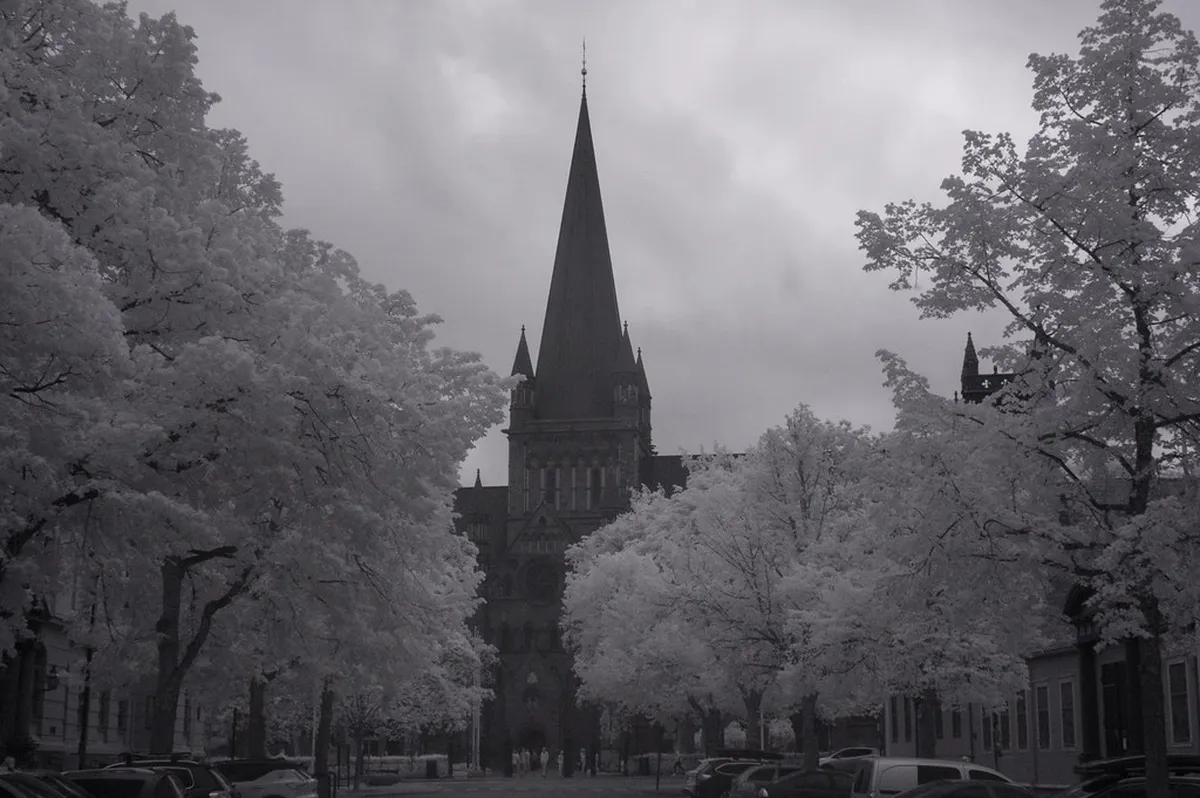
Trondheim, Norway's ancient capital, boasts a fascinating urban history. Its unique city plan reflects centuries of change. From medieval paths to grand baroque streets, the city has evolved. This guide explores Trondheim's historic urban development evolution. You will discover how fires and thoughtful planning shaped its core. Learn more about Trondheim city planning history for your 2026 visit.
Understanding this evolution enriches any visit to Trondheim. You can appreciate its distinct architecture and layout. The city's story is written in its charming streets. Prepare to uncover layers of history in this vibrant Norwegian hub.
Medieval Beginnings: Trondheim's First Footprint
Turn this guide into a personal route with our free Trondheim itinerary planner.
Trondheim began as Nidaros, founded in 997 AD. Its early urban development followed organic patterns. Narrow, winding streets defined the medieval city. Buildings grew around important sites like the market square.
The city's layout adapted to the Nidelva River's bends. Many structures were made of wood. This made Nidaros vulnerable to frequent fires. Discover more about Trondheim's medieval city layout.
Nidaros Cathedral played a central role in medieval life. It stands as Norway's national sanctuary. Its majestic presence influenced the surrounding urban fabric. The cathedral remains a testament to early Trondheim. Explore the Nidaros Cathedral architecture for historical insights.
The Great Fires: Reshaping Trondheim's Urban Development
Fires were a constant threat to Trondheim. The city experienced numerous devastating blazes. These events repeatedly reshaped the urban landscape. Each fire offered a chance for renewal and improvement.
The Great Fire of 1681 was particularly destructive. It consumed vast portions of the city. This catastrophe led to a radical urban transformation. City leaders sought a more resilient design.
The rebuilding efforts introduced wider streets and firebreaks. This strategy aimed to prevent future widespread destruction. Many wooden houses were rebuilt on new alignments. Learn about post-fire rebuilding in Trondheim. This era also saw the construction of iconic Bakklandet wooden houses along the river.
Cicignon's Grand Plan: A New City Layout
Following the 1681 fire, Jean Caspar de Cicignon was tasked with redesigning Trondheim. His vision introduced a revolutionary baroque city plan. This plan featured broad, straight streets. They cut through the old, winding medieval alleys.
Cicignon's design incorporated large, open squares. These spaces served as firebreaks and market areas. The new layout improved traffic flow and defense. It established the grid pattern seen in much of modern Trondheim's center.
This bold urban development created a more organized city. It also gave Trondheim a distinct European baroque character. The wide streets and public spaces reflect this grand design. Explore the influence of Trondheim's baroque architecture on its current appearance.
Modern Trondheim: Evolution and Conservation
The 19th and 20th centuries brought further changes to Trondheim. Industrialization led to population growth. The city expanded beyond Cicignon's original plan. New neighborhoods developed with different architectural styles.
Contemporary urban planning focuses on sustainability and connectivity. Trondheim integrates modern designs while preserving its heritage. Efforts are made to blend new structures with the historic fabric. Discover contemporary Trondheim buildings alongside old ones.
Today, Trondheim balances progress with preservation. The city protects its historic wooden houses and baroque streets. At the same time, it embraces innovative architecture. This ongoing evolution makes Trondheim a fascinating urban study for 2026 visitors.
Frequently Asked Questions
What makes Trondheim's city plan unique?
Trondheim's city plan is unique due to its blend of medieval and baroque elements. Following the 1681 fire, Jean Caspar de Cicignon introduced wide, straight streets. This contrasts with the older, winding medieval parts. It created a distinctive, fire-resistant urban grid.
How did fires impact Trondheim's historic urban development?
Fires profoundly impacted Trondheim's historic urban development. Frequent blazes, especially the Great Fire of 1681, forced city planners to rethink. This led to wider streets and firebreaks, dramatically altering the city's layout. It fostered a more organized and resilient urban structure.
Are there medieval structures still visible in Trondheim today?
Yes, many medieval elements remain visible in Trondheim today. Nidaros Cathedral is the most prominent medieval structure. You can also explore remnants of the old city layout. Consider taking an architectural walking tour in Trondheim to find these historical gems.
Trondheim's historic urban development is a captivating journey. From its medieval roots to its planned baroque layout, the city tells a story. Fires and visionary architects shaped its distinctive character. This evolution makes Trondheim a truly special destination.
Plan your visit to Trondheim in 2026. Explore its unique blend of history and modernity. Consider an architecture itinerary to fully appreciate its urban tapestry. Trondheim invites you to discover its enduring legacy.
Key Takeaways
- Trondheim's urban development began with organic medieval growth.
- Devastating fires led to a radical, planned baroque city redesign.
- Cicignon's 1681 plan introduced wide streets and firebreaks.
- Modern Trondheim balances historical conservation with new development.