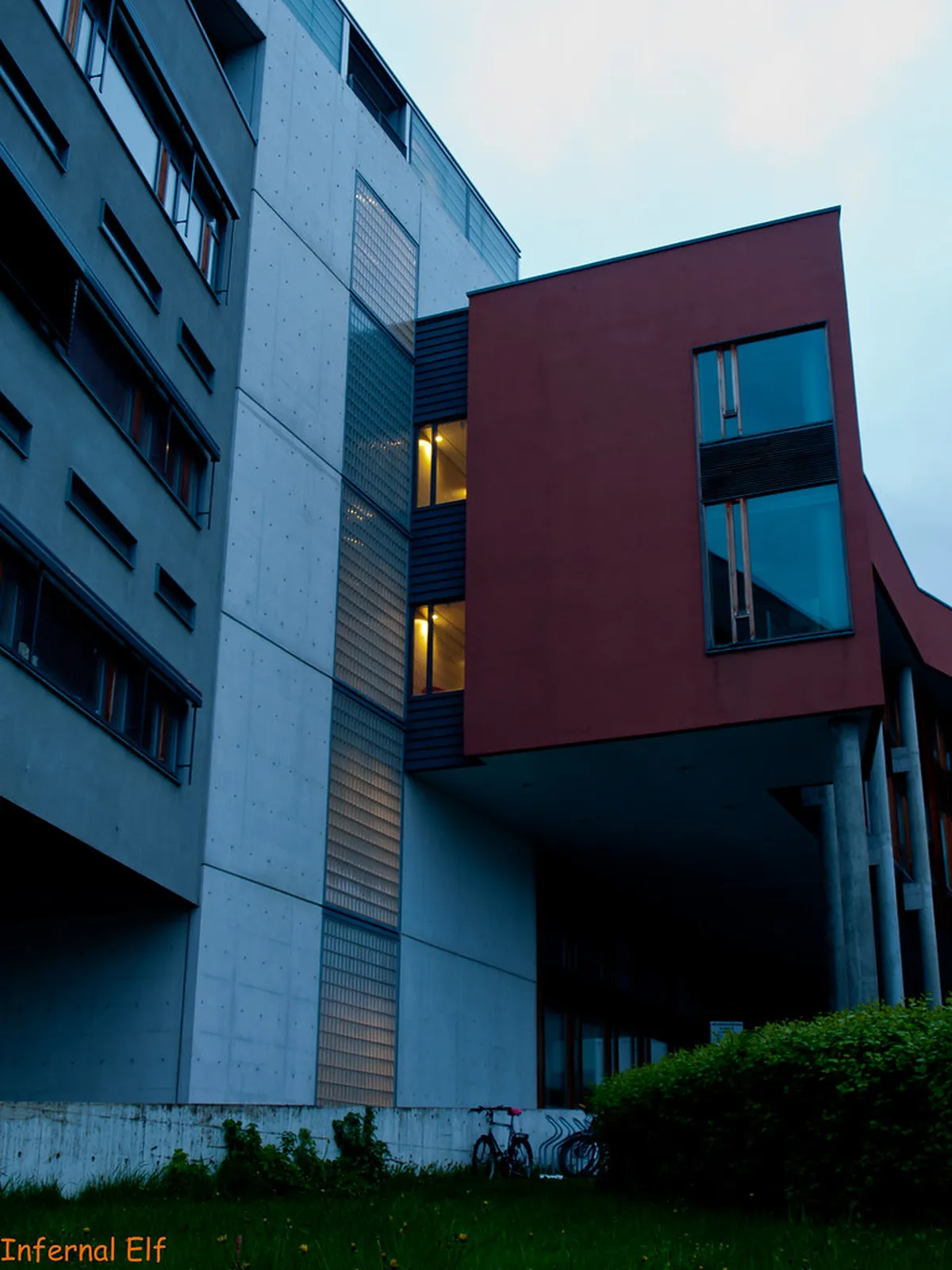
Trondheim, Norway, offers a rich architectural tapestry. Beyond its charming wooden houses, the city showcases bold post-war designs. Discovering Brutalist architecture in Trondheim reveals a unique urban layer. This guide explores these imposing structures for your 2026 visit.
Brutalism emerged mid-20th century, favoring raw concrete and functional forms. This style left its mark globally, including Scandinavia. Trondheim features several notable examples of post-war architectural styles. Learn how to plan your Trondheim architecture itinerary effectively.
What is Brutalism? Understanding the Style
Turn this guide into a personal route with our free Trondheim itinerary planner.
Brutalist architecture captivates with its raw, honest expression. This style uses exposed concrete, emphasizing structure and materials. It originated in the mid-20th century, peaking in the 1950s and 60s. Architects like Le Corbusier championed its robust aesthetic.
The term "Brutalism" comes from the French "béton brut," meaning raw concrete. It reflects a utilitarian approach to design. Buildings often feature modular elements and imposing, monolithic forms. Functionality and cost-effectiveness were key considerations.
Brutalist structures often house public institutions. Examples include universities, government buildings, and housing estates. Their scale and material choice aimed for grandeur and permanence. This style sparked both admiration and controversy among critics.
In Trondheim, Brutalism represents a period of growth. Post-war reconstruction efforts shaped the city's modern look. Understanding its principles helps appreciate these unique structures. Explore more about Trondheim's city planning history to contextualize these designs. This approach differs greatly from Trondheim's traditional wooden architecture.
Key Brutalist Buildings: Trondheim's Concrete Giants
Trondheim hosts several distinctive Brutalist structures. These buildings often stand out against older cityscapes. They showcase the era's architectural ambitions. You can find notable examples across the city.
One prominent example is the former Main Post Office building. Located at Dronningens gate 10, it features strong concrete elements. Its imposing facade reflects classic Brutalist principles. This building remains a key point for appreciating notable Brutalist buildings in Trondheim. Visit during daylight hours for the best views.
Another significant site is parts of the Norwegian University of Science and Technology (NTNU). Buildings within the Gløshaugen campus demonstrate this style. They were constructed during Brutalism's peak influence. Explore the campus to see large-scale concrete constructions. The university is a hub for cutting-edge architecture.
Look for the Olavshallen cultural center, completed in 1989. While later, it still carries Brutalist influences in its massing. It shows a blend of styles, but its concrete forms are evident. Also, some sections of the Trondheim Torg shopping center exhibit these traits. These examples provide a comprehensive look at Trondheim's city center buildings. Consider an architectural walking tour to discover them all.
The Impact and Legacy of Brutalism in Trondheim
Brutalist architecture in Trondheim often sparks debate. Some see these buildings as eyesores, others as historical artifacts. They fundamentally altered the city's post-war urban fabric. Their scale and materials represent a specific historical period.
These buildings reflect the rapid development of the 20th century. They symbolize a shift towards modernity and urban planning. The city needed functional, durable structures for growing populations. Brutalism offered practical solutions for this demand.
Public opinion on Brutalism remains divided. Critics sometimes cite their imposing appearance or perceived coldness. Supporters argue for their historical value and structural integrity. This ongoing discussion is part of Trondheim's architectural discourse.
Many Brutalist buildings face renovation or demolition threats. Balancing preservation with modern needs is challenging. Future planning considers these unique structures carefully. Architects are exploring conservation efforts for these buildings. Their legacy continues to shape Trondheim's urban identity.
Planning Your Brutalist Architecture Tour in 2026
Visiting Trondheim's Brutalist sites is an enriching experience. The city is walkable, making exploration easy. Public transport also connects major architectural points. Plan your tour for spring or early autumn 2026 for pleasant weather.
Consider starting your tour at the city center. Many Brutalist buildings are centrally located. The former Main Post Office is a great first stop. Afterwards, head towards the NTNU Gløshaugen campus. Use a good Trondheim architecture map to navigate efficiently.
Dress in layers, as Norwegian weather can change quickly. Comfortable walking shoes are essential for exploring. Allow ample time at each location for observation. Bring your camera for compelling architectural photography. Look for unique angles and details.
Many buildings remain active workplaces or institutions. Be respectful of their ongoing functions. Check opening hours if you plan to enter. Some areas might have limited public access. For more general advice, see our practical architecture tour tips. Enjoy discovering Trondheim's bold concrete heritage!
Frequently Asked Questions
Why is Brutalist architecture found in Trondheim?
Brutalist architecture appeared in Trondheim after World War II. The city needed rapid reconstruction and modernization. This style offered durable and cost-effective building solutions. It reflected Norway's post-war nation-building efforts.
The style also aligned with contemporary urban planning ideals. Many public institutions required new, functional premises. Brutalism provided a stark contrast to earlier architectural styles in Trondheim. This period shaped much of Trondheim's modern urban landscape.
Are there guided tours focusing on Brutalism in Trondheim?
Currently, dedicated Brutalism tours might be rare. However, general architectural walking tours in Trondheim often cover post-war buildings. These tours provide valuable historical context. You can also create your own self-guided tour with a map.
Many architectural guides or local experts offer customized experiences. Check with local tourism offices for updated information. Exploring independently offers flexibility. Discover hidden architectural gems at your own pace.
How can I appreciate Brutalist architecture in Trondheim?
Appreciating Brutalism involves looking beyond initial impressions. Focus on the interplay of raw concrete and geometric forms. Observe how light interacts with textured surfaces. Notice the building's scale and its relationship to its surroundings.
Consider the historical context of each structure. Think about its original purpose and the era it represents. Understanding these elements enhances your appreciation. This perspective helps demystify Trondheim's more controversial buildings. Take your time to engage with each site's unique character.
Brutalist architecture in Trondheim offers a fascinating contrast. It stands proudly alongside the city's older wooden charm. These concrete structures tell a compelling story of post-war development. They challenge perceptions and invite deeper exploration.
As you explore Trondheim in 2026, seek out these bold designs. Appreciate their functional beauty and historical significance. Embrace this unique architectural layer in Norway's historic city. For more insights into the city's diverse structures, read our full Trondheim architecture itinerary.
Key Takeaways
- Trondheim's Brutalist buildings offer a unique historical perspective.
- Major examples include the former Main Post Office and NTNU campus.
- Plan your 2026 visit for optimal viewing and respectful exploration.