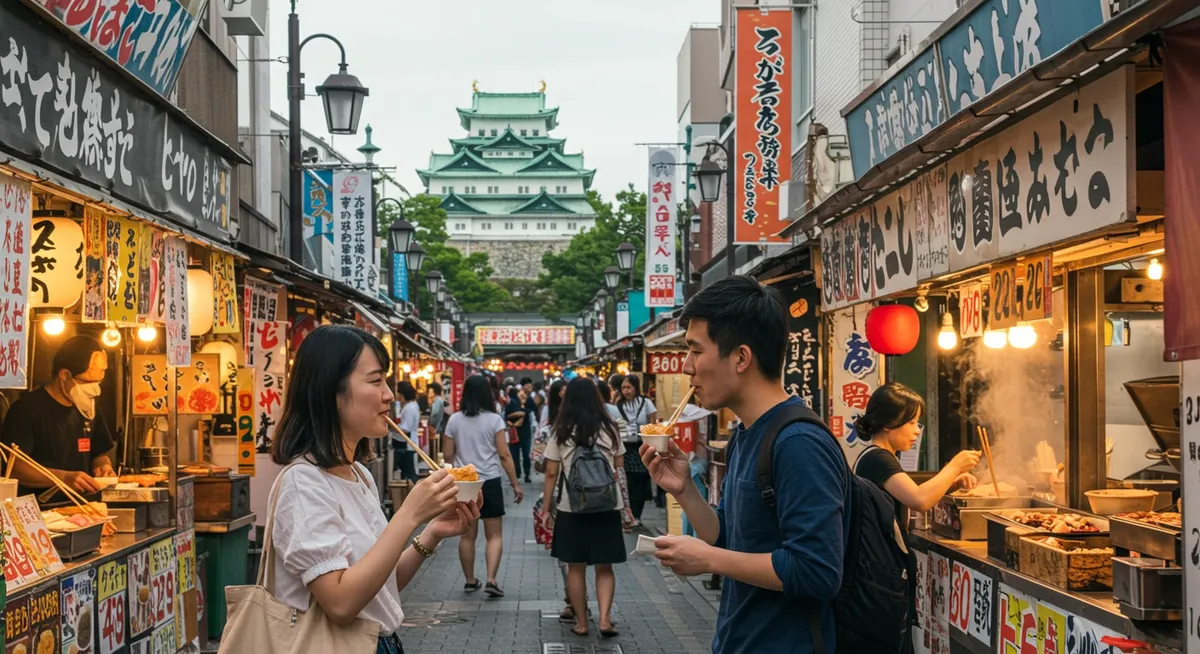
TL;DR: A Nagoya trip in 2026 costs roughly ¥7,000–¥15,000/day on a budget, ¥15,000–¥25,000 mid-range, or ¥25,000+ for luxury. Accommodation runs ¥3,000–¥25,000/night, meals ¥500–¥5,000 each, and a one-day subway pass is just ¥760. Nagoya is significantly cheaper than Tokyo or Osaka, making it one of Japan's best-value major cities.
After years of visiting Nagoya and tracking every expense, I can confirm it remains one of Japan's most affordable major cities in 2026. Whether you are backpacking through Central Japan or planning a comfortable family holiday, understanding your Nagoya travel budget upfront prevents overspending and lets you focus on enjoying the city's rich culture. This guide provides real 2026 prices across every spending category so you can plan with confidence. Start by mapping out your trip with our complete Nagoya itinerary.
Daily Budget Overview: Budget, Mid-Range, and Luxury
Turn this guide into a personal route with our free Nagoya itinerary planner.
Your Nagoya travel budget depends heavily on your travel style. Here is what to expect per person, per day in 2026:
- Budget (¥7,000–¥15,000 / $47–$100): Hostels or capsule hotels, convenience store meals and ramen shops, subway day pass, free attractions. Best for solo backpackers and students.
- Mid-range (¥15,000–¥25,000 / $100–$167): Business hotels or comfortable 3-star properties, a mix of casual and sit-down restaurants, paid attractions, and occasional taxis.
- Luxury (¥25,000+ / $167+): Upscale hotels near Nagoya Station, kaiseki dinners, private tours, and premium experiences like the SCMAGLEV Railway Park VIP tour.
For a typical 3-day trip, budget travelers can expect to spend around ¥21,000–¥45,000 ($140–$300) total, while mid-range travelers should plan for ¥45,000–¥75,000 ($300–$500). Check our Nagoya 3-day itinerary to see how these costs fit into a real schedule.
Accommodation Costs in Nagoya (2026 Prices)
Accommodation is typically the largest chunk of your Nagoya travel budget, but Nagoya offers excellent value compared to Tokyo or Osaka. Here are current 2026 nightly rates:
- Hostels and capsule hotels: ¥2,500–¥5,000 ($17–$33) per night. Clean, safe, and often located near Nagoya Station or Sakae.
- Business hotels: ¥7,000–¥12,000 ($47–$80). Chains like Toyoko Inn, Dormy Inn, and APA Hotel offer reliable quality with breakfast included.
- Mid-range hotels: ¥12,000–¥20,000 ($80–$133). More spacious rooms, better amenities, and central locations near shopping districts.
- Luxury hotels: ¥25,000–¥50,000+ ($167–$333+). Properties like the Nagoya Marriott Associa or Hilton Nagoya with premium dining and spa facilities.
Money-saving tip: Book business hotels with breakfast plans — a ¥8,000 room with included breakfast effectively saves ¥500–¥1,000 on your morning meal daily. For neighborhood recommendations, consult our guide to where to stay in Nagoya.
Food and Dining Expenses
Nagoya's food scene is legendary, and one of the best parts about your Nagoya travel budget is that eating well here costs less than in Tokyo or Kyoto. Nagoya meshi (local specialties) like miso katsu, hitsumabushi (grilled eel), tebasaki (chicken wings), and kishimen noodles are widely available at every price point.
- Breakfast: ¥300–¥800. Convenience stores (onigiri + coffee for ¥300) or Nagoya's famous kissaten morning service where a coffee order (¥400–¥600) includes free toast, eggs, and salad.
- Lunch: ¥700–¥1,500. Lunch sets (teishoku) at local restaurants are the best value. Department store basement food courts near Nagoya Station offer quality meals from ¥800.
- Dinner: ¥1,000–¥5,000+. A bowl of miso nikomi udon costs around ¥1,000, miso katsu ¥1,200–¥1,800, while a full hitsumabushi experience runs ¥3,000–¥5,000.
- Snacks and drinks: ¥200–¥500. Vending machine drinks ¥130–¥170, convenience store snacks ¥100–¥300.
Budget hack: Visit supermarkets after 7 PM when prepared food gets 30–40% discounts — sushi platters drop from ¥1,200 to around ¥700, and bento boxes fall from ¥600 to ¥400. Explore more local specialties in our Nagoya food guide.
Transportation Costs and Getting Around
Nagoya has an efficient and affordable public transport system, keeping the transport portion of your Nagoya travel budget very manageable.
- Subway single ride: ¥210–¥310 depending on distance.
- One-day subway pass: ¥760 for unlimited rides — pays for itself after 3 rides.
- One-day subway + bus pass: ¥870 for unlimited rides on both networks.
- Weekend/holiday eco-pass: ¥620 for subway only — available on Saturdays, Sundays, and public holidays.
- IC card (Manaca/TOICA): ¥500 deposit + top-up. Works on all public transport and at convenience stores. These cards are interchangeable with Suica and Pasmo from Tokyo.
- Taxis: Starting fare ¥500, roughly ¥80–¥90 per 233 meters. Best reserved for late-night travel or groups splitting fares.
- Getting from Chubu Centrair Airport: Meitetsu train to Nagoya Station costs ¥900 (express) or ¥1,250 (limited express, 28 minutes).
Walking is free and highly practical — Sakae, Osu, and Nagoya Station areas are all pedestrian-friendly. For a full breakdown of transport options, see our guide to getting around Nagoya.
Activities and Attractions Budget
Sightseeing in Nagoya delivers strong value, with many top attractions priced under ¥1,000 and several excellent free options.
- Nagoya Castle: ¥500. The reconstructed Honmaru Palace is included and absolutely worth visiting — read our Nagoya Castle guide for details.
- SCMAGLEV and Railway Park: ¥1,000. A must for train enthusiasts with full-size shinkansen displays.
- Tokugawa Art Museum: ¥1,400. Houses priceless samurai-era artifacts and gardens.
- Nagoya City Science Museum: ¥800. Home to one of the world's largest planetariums.
- Atsuta Shrine: Free. One of Japan's most important Shinto shrines, housing the sacred Kusanagi sword.
- Osu Kannon Temple and shopping district: Free to explore. The Osu arcade streets are excellent for budget shopping and street food.
- Hisaya-odori Park and Oasis 21: Free. Iconic green spaces perfect for an afternoon stroll.
Budget travelers can fill entire days with free or low-cost activities, while spending on just one or two paid highlights. Discover lesser-known spots in our Nagoya hidden gems guide.
Sample 3-Day Nagoya Budget Breakdown
Here is a realistic mid-range Nagoya travel budget for a 3-day trip in 2026:
| Category | Daily Cost (¥) | 3-Day Total (¥) | 3-Day Total ($) |
|---|---|---|---|
| Accommodation (business hotel) | 9,000 | 27,000 | $180 |
| Food (3 meals + snacks) | 4,000 | 12,000 | $80 |
| Transport (subway day pass) | 760 | 2,280 | $15 |
| Activities (1–2 paid attractions) | 1,500 | 4,500 | $30 |
| Miscellaneous (shopping, drinks) | 2,000 | 6,000 | $40 |
| Total | 17,260 | 51,780 | $345 |
This works out to roughly $115 per person per day for a comfortable mid-range experience. Budget travelers can cut this to $50–$70/day by switching to hostels and convenience store meals. Plan your day-by-day schedule with our 3-day Nagoya itinerary.
Money-Saving Tips for Nagoya in 2026
These practical strategies will stretch your Nagoya travel budget further without sacrificing experience quality:
- Take advantage of kissaten morning service: Nagoya's coffee shops offer free toast, eggs, and salad with any coffee order — a full breakfast for ¥400–¥600.
- Buy the weekend eco-pass: At ¥620, it saves ¥140 compared to the regular day pass if you are visiting on Saturday or Sunday.
- Shop tax-free: Foreign tourists can claim the 10% consumption tax back on purchases over ¥5,000 at participating stores. Bring your passport.
- Use supermarket evening discounts: After 7 PM, prepared foods are marked down 30–40%.
- Visit during off-peak months: January, February, and late November offer lower hotel rates and fewer crowds.
- Book direct with hotel chains: Japanese business hotel chains often offer the best rates on their own websites, beating third-party booking sites.
- Use the Donki (Don Quijote) tax-free counter: Stock up on snacks, toiletries, and souvenirs at discount prices with tax exemption.
For broader Japan trip planning, consider how Nagoya fits into a 2-week Japan itinerary — it makes an excellent budget-friendly base for exploring Central Japan.
Day Trips from Nagoya and Their Costs
Many travelers use Nagoya as a base for day trips, which can affect your overall Nagoya travel budget. Here are popular options with 2026 transport costs:
- Takayama: ¥6,380 round trip by JR Wide View Hida (2.5 hours). A charming mountain town with old merchant houses. See our Takayama day trip from Nagoya guide.
- Ise Grand Shrine: ¥2,860 round trip by Kintetsu (1.5 hours). Japan's holiest Shinto site.
- Inuyama: ¥560 round trip by Meitetsu (25 minutes). Home to Japan's oldest original castle.
- Gujo Hachiman: ¥3,800 round trip by highway bus (1.5 hours). Known as the "water city" with traditional dance festivals.
Browse the full list in our day trips from Nagoya guide, and check the best time to visit Nagoya to align your trip with favorable weather and lower prices.
Frequently Asked Questions
Is Nagoya cheaper than Tokyo and Osaka in 2026?
How much spending money do I need per day in Nagoya?
What is the best way to save money on food in Nagoya?
Should I get a JR Pass for visiting Nagoya?
How much does the Nagoya subway cost in 2026?
What are the cheapest months to visit Nagoya?
Planning your Nagoya travel budget for 2026 is straightforward once you understand the real costs. Whether you are exploring Nagoya Castle on a shoestring or savoring hitsumabushi at a premium restaurant, this city delivers exceptional value at every price point. With careful planning, smart use of transport passes, and local money-saving strategies like kissaten breakfasts and supermarket discounts, you can experience everything Nagoya offers without overspending. For a longer trip, extend your stay with our 5-day Nagoya itinerary to explore day trips and deeper cultural experiences across the Chubu region.