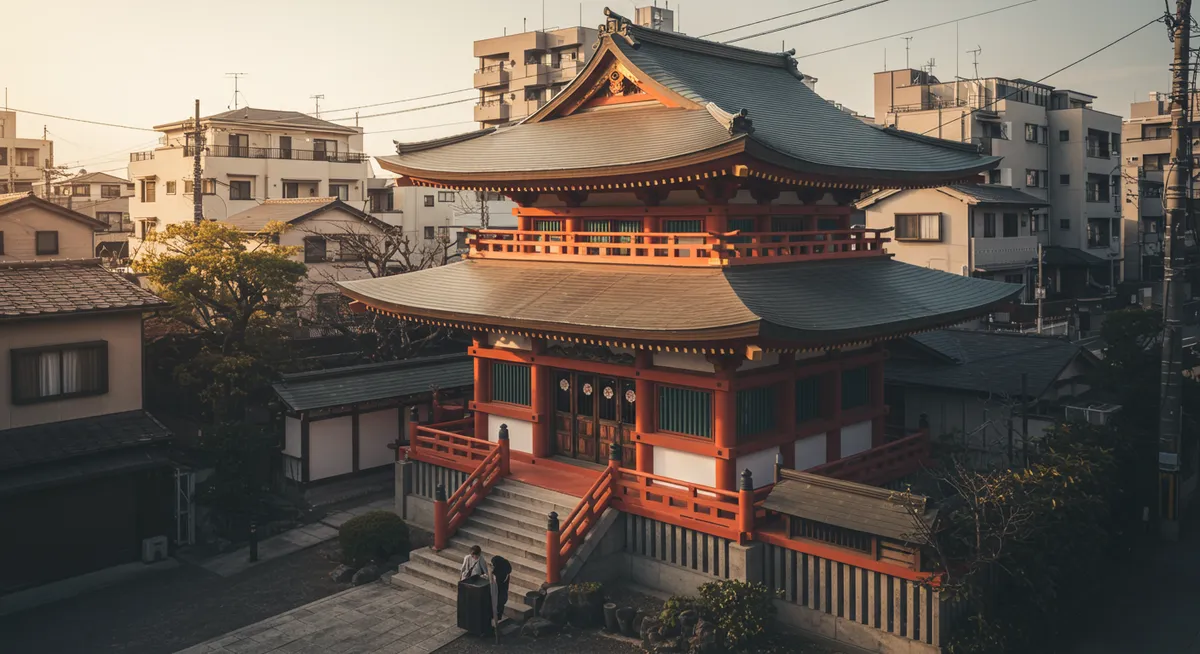
TL;DR: Nagoya is far more than its famous castle. In 2026, the city rewards curious travelers with Edo-period merchant lanes, retro underground arcades, a former Antarctic icebreaker museum, and morning coffee rituals that include free toast. This guide covers 12 Nagoya hidden gems — complete with how to reach each spot, what to expect, and insider tips from repeat visitors.
Most Japan itineraries shuttle travelers between Tokyo, Kyoto, and Osaka, treating Nagoya as little more than a shinkansen transfer point. That is a mistake. Having spent considerable time exploring this underrated metropolis, I can confirm that Nagoya's real magic lives in quiet backstreets, covered shopping arcades, and waterfront districts that rarely appear in mainstream guidebooks. Below you will find the best Nagoya hidden gems for 2026, each one tested and recommended for visitors who want an authentic experience beyond the tourist trail. If you are still planning your dates, our best time to visit Nagoya guide will help you pick the perfect season.
Shikemichi and Endoji: The Historic Heart of Nagoya
Turn this guide into a personal route with our free Nagoya itinerary planner.
Just minutes from Nagoya Station, the twin neighborhoods of Shikemichi and Endoji form the oldest surviving merchant quarter in the city. Shikemichi's narrow lanes are lined with beautifully restored Edo-period townhouses — white-walled kura storehouses and dark timber facades that once belonged to wholesale merchants. In 2026, several of these buildings operate as specialty cafes, craft galleries, and small museums, making an early-morning stroll here one of the most atmospheric experiences in the city.
A short walk south brings you to Endoji Shopping Street, a covered arcade where locals shop for daily groceries, traditional sweets, and fresh produce. Unlike the polished Osu district, Endoji retains an old-school charm that feels genuinely untouched by tourism. Seek out the family-run udon shops for a bowl of Nagoya-style kishimen at a fraction of tourist-area prices. This district is a must for anyone following our Nagoya food guide.
Yanagibashi Central Market: Nagoya's Kitchen
Often called "Nagoya's kitchen," Yanagibashi Central Market is where the city's top chefs source their ingredients each morning. Unlike Tokyo's Tsukiji outer market, Yanagibashi remains a raw, functional workspace — narrow aisles crammed with seafood wholesalers, pickled vegetable vendors, and dried-goods stalls. Arrive before 9 AM and you can watch the day's catch from Ise Bay being unloaded and sorted. Several stalls serve generous sashimi breakfasts at remarkably low prices, and the atmosphere is refreshingly free of souvenir shops and selfie sticks.
After the market, duck into one of the surrounding kissaten (traditional coffee shops) for Nagoya's legendary morning service — order a single cup of coffee and receive complimentary thick-cut toast, a boiled egg, and sometimes red bean paste on the side. This simple ritual, deeply woven into Nagoya's daily culture, is one of the most delightful Nagoya hidden gems you can experience for under 500 yen.
Tokugawaen Garden and the Tokugawa Art Museum
While tourists crowd Nagoya Castle, the Tokugawaen Garden offers equal beauty with a fraction of the foot traffic. This Edo-style strolling garden was built on the grounds of a former feudal lord's residence and features a large central pond, cascading waterfalls, iris beds, and winding stone paths. In 2026, the garden's spring wisteria display (late April to early May) and autumn maple foliage (mid-November) are particularly stunning.
The adjacent Tokugawa Art Museum is equally impressive, housing one of Japan's finest collections of samurai armor, Noh theater costumes, and a National Treasure illustrated scroll of The Tale of Genji. Combined, the garden and museum make a half-day experience that rivals anything in Kyoto — without the crowds. For a complete Nagoya schedule, see our Nagoya 3-day itinerary.
Shirotori Garden: A Serene Escape in Southern Nagoya
Far fewer visitors make the trip to Shirotori Garden in the Atsuta district, and that is exactly what makes it special. This expansive Japanese garden recreates famous landscapes from the Tokaido road — the ancient highway connecting Edo and Kyoto — with artfully shaped hills, streams, and wooden bridges. The on-site teahouse serves matcha and traditional wagashi sweets with a view over the central pond, and on weekdays you may have the entire garden nearly to yourself.
Shirotori Garden sits just a short walk from Atsuta Shrine, one of Japan's most sacred Shinto sites, so you can easily combine both into a single afternoon excursion. This pairing is one of the most rewarding day trips from Nagoya that stays within city limits.
Noritake Garden: Where Industrial Heritage Meets Art
Noritake Garden, operated by the world-famous ceramics company, is an unexpected urban oasis just 15 minutes on foot from Nagoya Station. The expansive grounds include a craft center where you can watch master artisans hand-paint porcelain, a museum tracing over a century of Japanese ceramic design, and a beautifully landscaped European-style park. In 2026, the on-site workshop lets visitors decorate their own pre-fired plate — a unique souvenir you will not find anywhere else in Japan.
The red-brick former factory buildings have been tastefully repurposed, and several upscale cafes on the grounds serve dishes on Noritake tableware. Entry to the park and several exhibition spaces is free, making this a budget-friendly Nagoya hidden gem. Factor it into your spending plan using our Nagoya travel budget guide.
Retro Underground Arcades and the Nayabashi Night Market
Beneath Nagoya's modern streets lies a network of retro underground shopping arcades that feel like stepping into 1970s Japan. The corridors are decorated with vintage signage, local art installations, and photography exhibits, while the shops sell everything from old books and traditional stationery to handmade accessories and classic Japanese snacks. These subterranean passageways connect major subway stations, so you can explore them naturally as you move through the city.
On select evenings, the Nayabashi Yoichi night market activates along the canal near Fushimi Station, transforming the waterfront into a lively gathering of food trucks, craft vendors, and live musicians. Check the 2026 schedule online before your visit — the market typically runs from spring through autumn and draws a predominantly local crowd, making it one of Nagoya's best-kept evening secrets.
Fuji Antarctic Museum: A Former Icebreaker Ship
Docked permanently at the Port of Nagoya, the Fuji is a decommissioned icebreaker that served Japan's Antarctic expeditions from 1965 to 1983. In 2026, the ship operates as a walk-through museum where visitors explore the bridge, crew quarters, mess hall, and engine room — all preserved as they were during active service. Life-size mannequins in period uniforms add an eerie realism, and interactive exhibits explain the science behind Antarctic research.
The Fuji sits within the larger Nagoya Port area, which also includes the Port of Nagoya Public Aquarium and the nearby Kohjo Yakei factory cruise — a nighttime boat tour through the illuminated industrial zone surrounding Japan's busiest trading port. This entire waterfront district is a genuine Nagoya hidden gem that most travel guides overlook entirely.
Day Trips to Tokoname and Inuyama
Two short train rides from Nagoya unlock a pair of charming destinations that most international visitors miss. Tokoname, about 30 minutes south on the Meitetsu line, is a historic ceramics town where you can wander through pottery-lined lanes, visit working kilns, and even try your hand at the potter's wheel. The Tokoname Pottery Path takes you past century-old clay pipes embedded in hillside walls — a landscape unlike anything else in Japan.
To the north, Inuyama offers a perfectly preserved 16th-century castle (Japan's oldest original), traditional cormorant fishing on the Kiso River (summer evenings), and a quaint castle town with craft shops and tea houses. Both destinations make excellent additions to a Nagoya 5-day itinerary and are easily reached using the transport tips in our how to get around Nagoya guide.
Nagoya Agricultural Center: A Local Family Favorite
Tucked away in the residential Tenpaku ward, the Nagoya Agricultural Center is a sprawling green space that most tourists never hear about. The center features livestock barns, seasonal flower gardens, and a popular farmers' market selling locally grown produce and dairy products. In late February and early March, over 700 weeping plum trees burst into bloom here, creating one of the most spectacular — and least crowded — blossom displays in the entire Chubu region.
Pack a picnic, let children interact with farm animals, and pick up fresh Nagoya cochin eggs at the market stall. Entry is free, parking is available, and the atmosphere is pure neighborhood Japan — exactly the kind of experience that defines a true Nagoya hidden gem.
Practical Tips for Exploring Nagoya's Hidden Gems in 2026
Getting around these secret spots is straightforward thanks to Nagoya's efficient subway network and the Manaca IC card, which works on all city buses and trains. Most hidden gems listed above are within a 5-to-15-minute walk from a subway station. The city also has an expanding network of rental bicycles, ideal for connecting Shikemichi, Endoji, and Noritake Garden in a single morning ride.
For budget-conscious travelers, many of these spots — including Noritake Garden's park, the Agricultural Center, and Yanagibashi Market — are completely free to enter. Combine them with Nagoya's affordable morning service culture and you have a full day of exploration for remarkably little money. Check our where to stay in Nagoya guide for accommodation near the best hidden gem neighborhoods.
Frequently Asked Questions
What are the best hidden gems in Nagoya for first-time visitors in 2026?
Is Nagoya worth visiting beyond the castle?
How do I get to Nagoya's hidden gems by public transport?
What is Nagoya morning service and where can I try it?
Are there free attractions among Nagoya's hidden gems?
What day trips from Nagoya are off the beaten path?
Nagoya's hidden gems reveal a city with far more depth, character, and charm than its reputation as an industrial hub suggests. From the Edo-period silence of Shikemichi to the buzzing aisles of Yanagibashi Market and the haunting corridors of a retired Antarctic icebreaker, these secret spots offer the kind of authentic Japanese experiences that many travelers cross the country searching for — yet they are all within easy reach of a single subway system. Start uncovering your own Nagoya secrets in 2026, and be sure to pair this guide with our complete Nagoya itinerary and Nagoya Castle guide for a well-rounded visit.