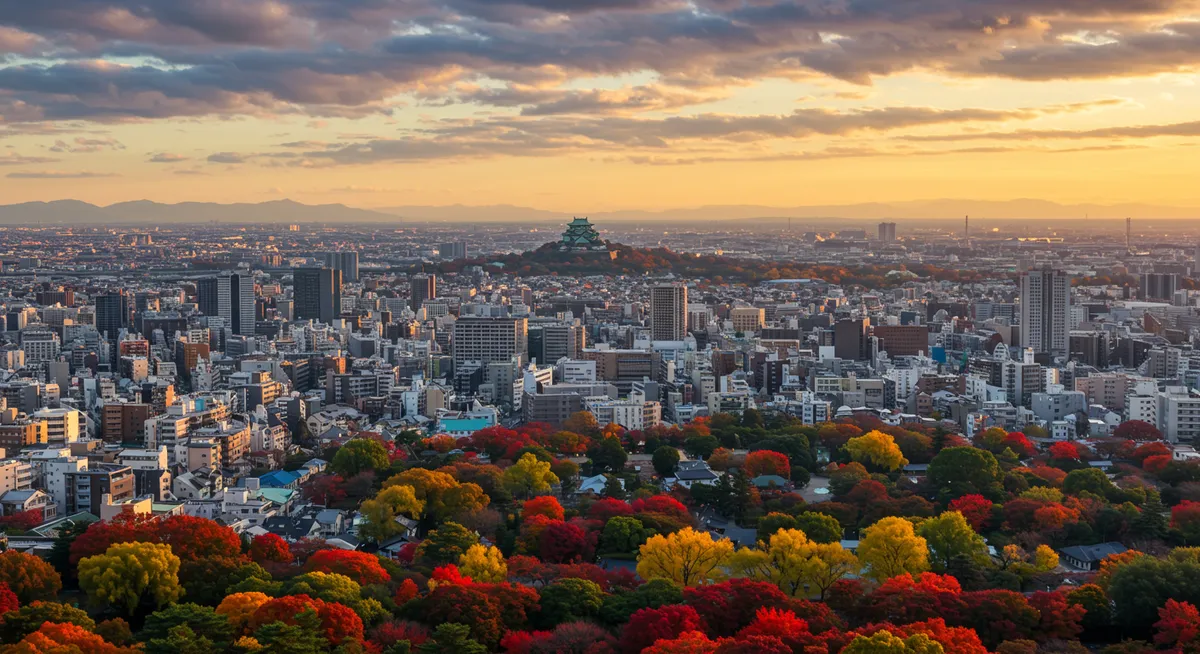
TL;DR: The best time to visit Nagoya is mid-April to mid-May for cherry blossoms and pleasant weather, or late October to mid-November for stunning autumn foliage. Summer (June to August) brings festivals but intense heat and humidity, while winter (December to February) offers fewer crowds and magical illuminations. Read on for month-by-month weather data, festival calendars, and practical tips to plan your 2026 Nagoya trip.
Why Nagoya Deserves a Spot on Your 2026 Japan Itinerary
Turn this guide into a personal route with our free Nagoya itinerary planner.
Nagoya, Japan's fourth-largest city, sits in the heart of the Chubu region and serves as a gateway to the Japanese Alps, Ise Shrine, and the historic Tokai corridor. Unlike Tokyo or Kyoto, Nagoya sees far fewer international tourists, which means shorter queues at major attractions and more competitive hotel rates year-round. Choosing the best time to visit Nagoya lets you match your travel style — whether you want cherry blossoms, autumn foliage, lively festivals, or quiet off-season exploration — with the right weather window and crowd level. This 2026 guide breaks down every season so you can plan with confidence.
Spring in Nagoya (March to May) — Cherry Blossoms and Mild Weather
Spring is widely considered the best time to visit Nagoya for first-time travelers. Average temperatures climb from around 9 °C in March to 19 °C in May, making outdoor sightseeing comfortable without the summer humidity. The highlight of spring is cherry blossom season: in 2026, Nagoya's sakura are forecasted to begin blooming around March 20 and reach full bloom by late March to early April.
Top cherry blossom viewing spots include Tsurumai Park (one of Japan's Top 100 Cherry Blossom Spots), Nagoya Castle (home to over 1,000 cherry trees), the Yamazaki River (a 2.4-kilometer riverside promenade lined with sakura), and Higashiyama Zoo and Botanical Gardens. To avoid peak-hour crowds, visit hanami spots before 10:00 or after dusk when some locations offer evening illuminations.
May, after Golden Week (late April to early May), is an underrated sweet spot — warm weather, green landscapes, and noticeably thinner crowds. Consider building your Nagoya itinerary around this quieter period if you prefer a more relaxed pace.
Summer in Nagoya (June to August) — Festivals, Heat, and Typhoon Awareness
Nagoya summers are hot and humid, with average highs reaching 31 °C to 35 °C in July and August. The tsuyu (rainy season) typically runs from mid-June through mid-July, bringing heavy rainfall and sticky conditions. Despite the heat, summer is festival season and rewards visitors who can handle the warmth.
Key summer events include the Atsuta Festival on June 5, when 365 paper lanterns illuminate Atsuta Shrine and fireworks light the night sky, signaling the start of summer. The Nagoya Port Fireworks Festival in July draws huge crowds along the waterfront. In late August, the Nippon Domannaka Festival (Domatsuri) fills the streets with thousands of dancers performing yosakoi routines — one of the most energetic festivals in all of Japan.
Travel tip: typhoon season runs from August through early October, with September being the rainiest month (averaging 234 mm of precipitation). Check weather forecasts before booking and consider travel insurance that covers typhoon-related disruptions. Beat the heat by scheduling outdoor activities for early morning, then retreating to air-conditioned spots like the Toyota Commemorative Museum of Industry and Technology or the hidden gems of Nagoya during midday.
Autumn in Nagoya (September to November) — Foliage and Comfortable Temperatures
Autumn rivals spring as the best time to visit Nagoya. By October, temperatures settle into a comfortable 15 °C to 22 °C range, humidity drops, and clear skies become the norm. The autumn foliage season peaks from mid-November through early December in the Nagoya area, turning parks and gardens into vivid canvases of red, orange, and gold.
Do not miss Korankei Gorge in nearby Asuke (Toyota City), home to roughly 4,000 maple trees and widely regarded as one of the best autumn foliage destinations in all of Japan. The annual Korankei Momiji Festival runs throughout November, with evening illuminations from sundown until 9:00 PM. Closer to the city center, Tokugawaen Garden and the grounds of Nagoya Castle offer stunning koyo displays without requiring a day trip.
The Nagoya Festival in mid-October features a grand historical parade with floats and performers dressed as famous samurai lords with ties to the city — Oda Nobunaga, Toyotomi Hideyoshi, and Tokugawa Ieyasu. October also brings the Nagoya Grand Sumo Tournament, drawing sumo fans from across the country. Pair your autumn visit with a tour of local seasonal cuisine using our Nagoya food guide.
Winter in Nagoya (December to February) — Illuminations and Fewer Crowds
Winter is Nagoya's quietest and most budget-friendly season. Daytime temperatures hover around 5 °C to 10 °C, and snowfall in the city center is rare. The trade-off for cold weather is significantly fewer tourists, lower hotel rates, and a peaceful atmosphere at popular attractions.
The standout winter experience is Nabana no Sato Winter Illumination (running from late October through May), one of Japan's most spectacular light festivals. Millions of LED lights transform the botanical garden on Nagashima Island into a dazzling winter wonderland — well worth the 30-minute train ride from Nagoya Station.
Winter is also prime time for hearty Nagoya comfort food: warm up with a bowl of miso nikomi udon (thick noodles simmered in rich red miso broth), crispy tebasaki chicken wings, or kishimen flat noodles. If you plan to explore beyond the city, winter is ideal for day trips from Nagoya to nearby hot-spring towns like Gero Onsen or the snow-dusted streets of Takayama.
Nagoya Monthly Weather at a Glance
Use this quick reference to match your travel dates with expected conditions in Nagoya.
| Month | Avg. High (°C) | Avg. Low (°C) | Rainfall (mm) | Crowd Level |
|---|---|---|---|---|
| January | 9 | 1 | 48 | Low |
| February | 10 | 1 | 65 | Low |
| March | 14 | 4 | 121 | Medium |
| April | 20 | 10 | 125 | High |
| May | 25 | 15 | 137 | Medium |
| June | 28 | 19 | 201 | Low |
| July | 31 | 24 | 203 | Medium |
| August | 33 | 24 | 126 | Medium |
| September | 29 | 21 | 234 | Low |
| October | 23 | 14 | 128 | Medium |
| November | 17 | 8 | 80 | High |
| December | 11 | 3 | 45 | Low |
Budget and Crowd Tips for 2026
Nagoya offers excellent value compared to Tokyo and Osaka across every season. To stretch your budget further and sidestep peak crowds, keep these strategies in mind:
- Best value months: January, February, June, and September offer the lowest hotel rates and airfares. September combines pleasant (if occasionally rainy) weather with off-peak pricing.
- Avoid Golden Week: Late April to early May sees a surge in domestic travel. Hotel prices spike and attractions are packed. Book at least two months ahead if you must travel during this window.
- Weekday advantage: Even during cherry blossom and koyo peak weeks, weekday visits to parks and temples are noticeably quieter than weekends.
- Transit savings: A Kintetsu Rail Pass or Meitetsu day pass can cut transportation costs for day trips to Ise, Korankei Gorge, or Inuyama Castle.
- Accommodation tip: Business hotels near Nagoya Station (Sakae or Fushimi areas) offer clean, affordable rooms year-round — check our guide to where to stay in Nagoya for neighborhood breakdowns.
How to Get Around Nagoya by Season
Nagoya's efficient subway and bus network makes seasonal sightseeing straightforward. The city's subway system covers most major attractions, while the Meitetsu and JR lines connect you to regional destinations. During cherry blossom and autumn foliage seasons, consider renting a bicycle to explore riverside paths and parks at your own pace — many hotels offer free bike rentals. In summer, the subway is your best friend for moving between air-conditioned stations. For a detailed breakdown of routes, passes, and tips, see our guide to getting around Nagoya.
Frequently Asked Questions
When is cherry blossom season in Nagoya?
Is Nagoya worth visiting in summer?
What is the cheapest time to visit Nagoya?
When is the best time to see autumn leaves in Nagoya?
Does Nagoya get typhoons?
How many days do I need in Nagoya?
Plan Your Nagoya Trip
The best time to visit Nagoya ultimately depends on what matters most to you: cherry blossoms in spring, festival energy in summer, fiery autumn foliage, or peaceful winter illuminations. Every season reveals a different side of this underrated Japanese city, and lower tourist numbers compared to Tokyo and Kyoto mean a more authentic experience no matter when you arrive. Ready to start planning? Build your day-by-day schedule with our Nagoya 3-day itinerary, check Nagoya travel budget estimates, or explore the Nagoya Castle guide to start mapping out your 2026 adventure.