TL;DR: Catch the 7:43 AM JR Hida express from Nagoya (2 h 30 min), spend the morning at Miyagawa Morning Market and Sanmachi Suji, grab Hida beef sushi for lunch, tour Takayama Jinya or Hida Folk Village in the afternoon, and board the 17:34 return train. Total cost roughly 12,000 yen round-trip with a JR Pass, or about 6,500 yen by highway bus.
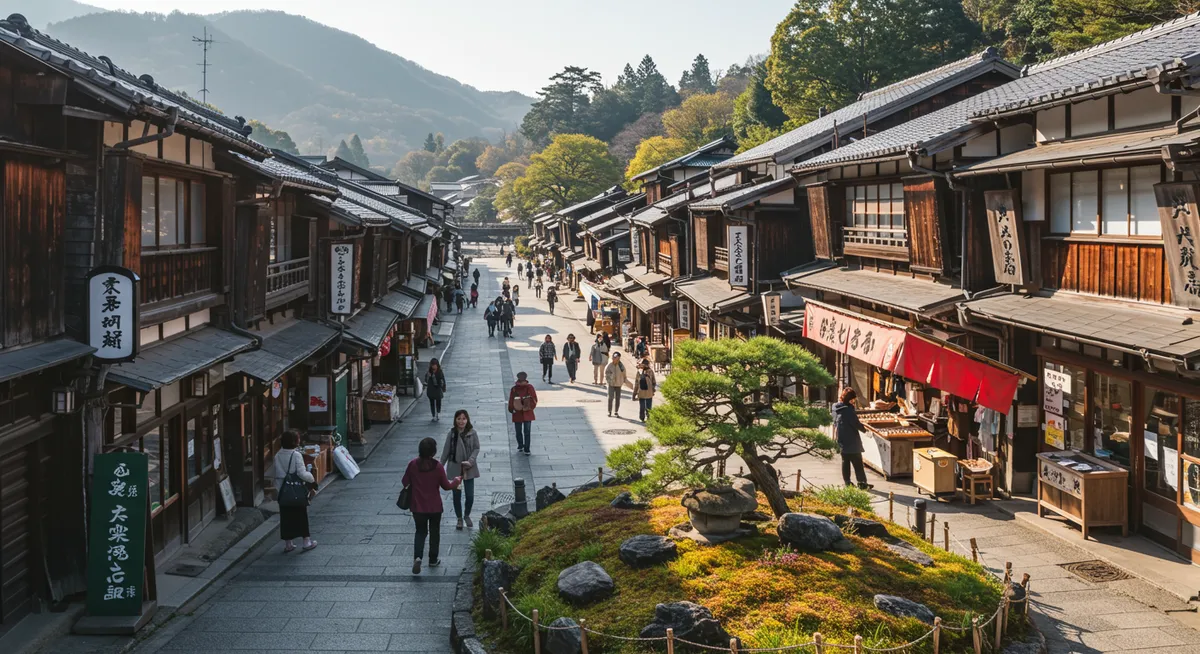
A Takayama day trip from Nagoya remains one of the most rewarding single-day excursions you can take in central Japan in 2026. In under three hours you trade Nagoya's urban energy for a remarkably preserved Edo-period mountain town, complete with cedar-lined streets, sake breweries, and some of the finest beef in the country. This hour-by-hour itinerary draws on multiple visits and local updates so you can squeeze the best out of every minute.
Getting from Nagoya to Takayama in 2026
Turn this guide into a personal route with our free Takayama itinerary planner.
The JR Wide View Hida limited express is the fastest and most scenic route, winding through the Hida mountains with river-gorge views that alone justify the trip. As of 2026, departures run roughly every hour from Nagoya Station, with the 7:43 AM service being the sweet spot for a day trip — it lands you in Takayama by 10:15 AM. A reserved seat costs around 6,140 yen one-way, but holders of the JR Pass or Takayama-Hokuriku Area Tourist Pass ride free. Book reserved seats in advance during cherry blossom season (late March–April) and autumn foliage (October–November), when trains fill quickly.
Budget travelers can opt for the Nohi Bus highway service (around 3,100 yen one-way, 2 h 45 min), bookable online. Driving is also possible — the expressway takes roughly 2 hours — but parking in Takayama's historic core is limited and metered. For a broader look at excursion options, see our guide to day trips from Nagoya.
Morning: Miyagawa Market and Sanmachi Suji Old Town
Arriving around 10:15 AM, head straight east from JR Takayama Station — it is a flat 12-minute walk to the Miyagawa Morning Market along the riverbank. The market operates daily until noon and is packed with stalls selling pickled vegetables, handmade crafts, fresh mochi, and cups of locally roasted coffee. Vendors are friendly and many offer free samples, so come hungry.
From the market, cross into Sanmachi Suji, the iconic trio of streets lined with dark-wood merchant houses dating to the 1600s. Sake breweries hang sugidama (cedar balls) above their doors to signal a new batch — step inside for complimentary tastings. Look for Funasaka Sake Brewery and Harada Sake Brewery, two of the most visitor-friendly options. Between sips, browse shops selling Sarubobo dolls, Shunkei lacquerware, and Ichii wood carvings — all traditional Hida crafts. For a detailed walking route through these streets, check our Takayama Old Town walking tour.
Lunch: Where to Eat Hida Beef and Local Specialties
Takayama is a food destination in its own right, and lunch is a highlight of any day trip. Hida beef — the region's marbled wagyu — is the star. For a quick bite, grab Hida beef sushi from one of the street-side vendors along Sanmachi Suji (two pieces for around 800–1,000 yen). For a sit-down meal, restaurants like Maruaki and Jakurin serve Hida beef set lunches with rice, miso soup, and pickles for 2,000–4,000 yen.
Beyond beef, try Takayama ramen (a soy-based broth with thin curly noodles), mitarashi dango (savory soy-glazed rice dumplings unique to this region), and Hoba miso — fermented soybean paste grilled on a magnolia leaf. For a deeper dive into the local culinary scene, our guide to the best food in Takayama covers all the must-try dishes and where to find them.
Afternoon: Takayama Jinya and Hida Folk Village
With a full stomach, spend the early afternoon at Takayama Jinya, the only surviving Edo-period provincial government office in Japan. The complex includes tatami-mat rooms, an interrogation chamber, and a large rice storehouse — all remarkably intact. Admission is 440 yen and an English audio guide is available. Allow about 45 minutes for a thorough visit.
If you prefer an outdoor experience, take the 10-minute bus ride (210 yen) to Hida no Sato (Hida Folk Village), an open-air museum set on a hillside overlooking the Northern Alps. The museum preserves over 30 traditional Gassho-zukuri thatched-roof farmhouses relocated from surrounding villages. You can enter many of the buildings and see demonstrations of Hida woodworking and textile weaving. Admission is 700 yen. Our dedicated Hida Folk Village guide has full details on getting there and what to see inside. With limited time on a day trip, choose one — Jinya for history buffs, Hida no Sato for architecture and scenery.
Late Afternoon: Final Stops Before the Return Train
Head back toward the station area by 4:30 PM. If you still have energy, two quick stops are worth it. The Nakabashi Bridge, a distinctive red bridge over the Miyagawa River, is Takayama's most photographed landmark and takes only a few minutes. Nearby, the Kusakabe Folk Museum is a beautifully restored merchant house showcasing how wealthy Hida families lived in the Meiji era (entry 500 yen, 20 minutes).
Pick up souvenirs at the shops near the station — Sarubobo dolls make great gifts and Hida milk products (especially the soft-serve ice cream from Hida Dairy) are a local favorite. Board the 17:34 or 18:34 JR Hida back to Nagoya, arriving by 20:00 or 21:00 respectively. For those considering spending more time, our Takayama 2-day itinerary adds Shirakawa-go and the festival floats exhibition hall.
Practical Tips for Your 2026 Takayama Day Trip
Timing matters. The morning markets close at noon, so an early train is non-negotiable. Wear comfortable walking shoes — Takayama's old town is compact but entirely on foot, and some temple paths are uneven stone. In winter (December–February), pack warm layers as temperatures regularly drop below freezing, though the snow-covered streets are genuinely beautiful.
Takayama is cash-friendly territory. While more shops accept IC cards and credit cards than in previous years, many market stalls and small restaurants remain cash-only in 2026. Withdraw yen at the 7-Eleven ATM inside the station before heading out. Coin lockers at JR Takayama Station (400–700 yen) let you stash bags for the day. For more planning details, see our full things to do in Takayama guide and our where to stay in Takayama recommendations if you decide to extend your visit.
Frequently Asked Questions
How long is the train from Nagoya to Takayama?
Is a Takayama day trip from Nagoya worth it in 2026?
What is the best time of year to visit Takayama?
How much does a Takayama day trip cost?
Can I visit Shirakawa-go on the same day trip?
Do I need to book train tickets in advance?
A Takayama day trip from Nagoya delivers one of the most complete cultural experiences you can fit into a single day in Japan. Between the morning markets, sake tastings in centuries-old breweries, world-class beef, and a remarkably preserved historic district, Takayama punches well above its size. Start planning your 2026 visit now — the mountains are waiting.