Build a Qingdao budget from four live numbers: your room, planned intercity transport, ticketed attractions and airport transfer. Then add a daily allowance for meals and local travel plus a 15–20% buffer. Do not trust one universal “Qingdao cost per day”: summer weekends, the Beer Festival, room location, seafood orders and a Laoshan day can change the total dramatically.
For payment, prepare at least two methods. Mobile payment is widespread, but official guidance for overseas visitors also supports bank cards and RMB cash. Set up an eligible app before departure, tell the bank about travel if required, and keep a separate card and modest cash reserve available if one method fails.
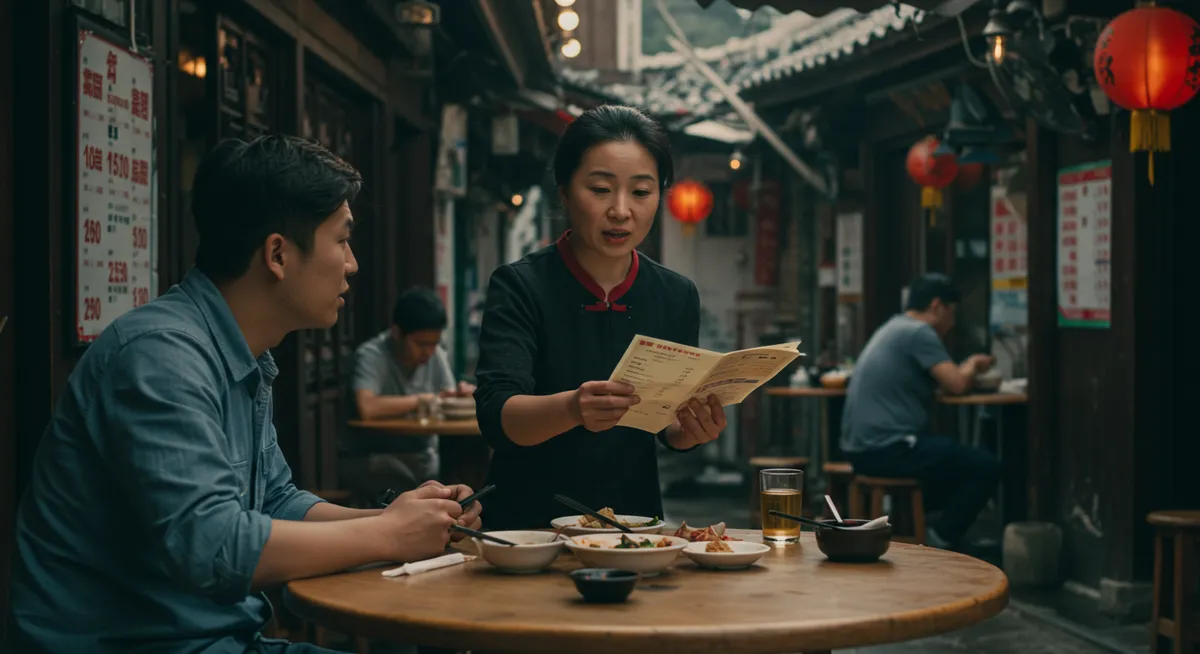
Qingdao Cost Planning in Five Minutes
Turn this guide into a personal route with our free Qingdao itinerary planner.
| Cost | Where to get a current number | How to avoid a surprise |
|---|---|---|
| Accommodation | Final checkout page for the exact dates and room | Include taxes, breakfast, deposit, cancellation terms and extra-bed rules |
| Arrival and departure | Official rail/air booking and current transfer options | Price a late-arrival backup as well as the cheapest route |
| Attractions | Official attraction or ticketing channel | Check whether shuttles, cableways or timed reservations are separate |
| Food | Recent menu with unit and service charges | Confirm seafood weight, preparation method and estimated total before ordering |
| Local transport | Official metro rules plus a live ride-hailing estimate | Group each day geographically to reduce cross-city trips |
Use this formula:
Trip total = room total + intercity travel + airport transfers + tickets + (daily food allowance × days) + (daily local transport allowance × days) + buffer.
Keep the room total separate from the daily figure. Many cost comparisons become misleading because one includes accommodation, another assumes two people share, and a third excludes taxes or festival weekends.
Choose a Budget Style Before Choosing Numbers
Lean, transit-first trip
Stay near a useful metro station rather than the waterfront, build days around free coastal walks, use casual restaurants and select one paid experience at a time. The three-day Qingdao itinerary is easier to keep lean than a scattered checklist because each day limits backtracking.
Comfortable independent trip
Choose a well-connected room, mix metro with occasional ride-hailing, include a planned seafood meal and pay for the attractions that matter. This is the most flexible style: spending more on a central base can reduce transport time without requiring luxury choices.
Convenience-first trip
A sea-view or branded hotel, private transfers, guided Laoshan day, premium dining and flexible transport shift the budget toward time-saving. Verify exactly what a tour or driver quote includes—tickets, tolls, parking, waiting time, meals and overtime should not be assumed.
Accommodation Is the Largest Variable
Price the exact dates before estimating anything else. Qingdao's coastal demand can move sharply around warm-weather weekends, school holidays and major events. A citywide “average hotel price” does not tell you what a suitable room near your route costs.
Use the Qingdao neighborhood guide to compare the old town, May Fourth Square, eastern coast, Taitung and metro-oriented alternatives. Check:
- whether the property accepts and registers international guests;
- the total after taxes and service charges;
- breakfast, child and extra-bed rules;
- deposit amount and refund timing;
- distance to a useful metro entrance, not just a district name;
- cancellation conditions during festivals or weather disruption.
A cheaper room can cost more overall if it creates two long rides every day. Map the first and last activity before booking.
Food Costs: Control the Order, Not Just the Restaurant
Simple breakfasts, noodles, dumplings and set meals can keep routine days economical. Seafood is the category most likely to break a budget because the final charge can depend on species, weight, unit, preparation and add-ons.
Before a live-seafood item is prepared, confirm:
- the displayed price and whether the unit is per jin, per 500 grams, per item or per plate;
- the selected item's weight;
- any cooking or seasoning charge;
- the estimated total for that dish;
- whether tea, tableware or a service charge is added.
Use the Qingdao food and drink guide to choose dishes and dining areas. A busy tourist waterfront is not automatically bad, but a clear menu and confirmed total are more useful signals than a promoter's promise.
Transport Costs: Group the Map Before Pricing Rides
Qingdao's old town, central bay, eastern shore, West Coast and Laoshan are not one compact center. A poorly grouped itinerary creates unnecessary ride-hailing costs and lost time.
- Old-town day: Qingdao Station, Zhanqiao, St. Michael's Cathedral, Signal Hill and nearby heritage streets.
- Central-coast day: Badaguan, beaches, May Fourth Square and the Olympic Sailing Center according to pace.
- Eastern day: Shilaoren or a Laoshan route, not a casual add-on to a full old-town schedule.
- West Coast: treat Golden Beach and nearby stops as a separate geographic decision.
The Qingdao metro, taxi and DiDi guide owns current fare and payment detail. The airport transfer guide compares Line 8, shuttle and road options. Recheck those pages and official channels near the trip instead of carrying copied fares into this money article.
Attractions: Separate Entry From the Complete Visit
Some of Qingdao's strongest experiences—public coastal promenades, heritage streets and city squares—can be enjoyed without a standard admission ticket. Paid outings may combine several components. A Laoshan route, for example, can involve admission, sightseeing transport and an optional cableway depending on the zone and current operation.
Create three columns in the budget:
- Must do: experiences that justify the trip.
- Weather dependent: beaches, viewpoints, mountain routes and sailing.
- Optional backup: museums, food stops or indoor alternatives.
Do not prepay every outdoor activity solely to make a budget look certain. Read refund and rescheduling terms. The Qingdao attraction chooser helps narrow the list before buying.
How Overseas Visitors Can Pay in Qingdao
Mobile payment
China's official payment guide says overseas visitors can use services including Alipay and Weixin Pay and can link eligible international cards, subject to each platform's current onboarding, verification, limits and fees. Install only the official app, use truthful identity information and complete any required verification before the first busy travel day.
Bank cards
International-card acceptance is strongest where the relevant network logo is displayed, but it is not universal. A hotel may accept a card while a small restaurant or ticket window uses another method. Carry cards from separate accounts if possible and keep the issuer's support number offline.
RMB cash
Official guidance includes cash as a valid payment option, and Qingdao's tourism-payment program specifically calls for improving cash acceptance, change availability, ATMs and foreign-currency services at major visitor facilities. Cash remains a useful backup; it should not be described as obsolete.
Exchange only through legitimate channels. The State Council guide says overseas visitors can exchange currency at marked bank or qualified-exchange outlets and can withdraw RMB at compatible ATMs. The home bank and ATM may each apply limits or charges, so check both rather than relying on a fixed fee from a blog.
A Resilient Payment Setup
- Primary: an eligible mobile-payment app with a linked international card.
- Secondary: a second payment app or physical card kept separately.
- Backup: a modest amount of RMB cash in useful denominations.
- Access: reliable mobile data using the China SIM and eSIM guide.
- Power: a charged phone and power bank that complies with current transport rules.
- Offline: bank support details, hotel address and essential booking records.
Do not keep every card and all cash in the same wallet. If a payment fails, avoid repeated rapid attempts that could trigger issuer controls; try the prepared backup and contact the issuer over a trusted connection.
Tipping in Qingdao
Routine tipping is not expected for ordinary restaurant meals, metered taxis, app rides, cafés, shops or standard hotel transactions. Pay the displayed, metered or app-confirmed amount and check whether a service charge is already included.
Private guides, drivers and packaged tours require more care. If a gratuity is stated in the contract, treat it as part of the disclosed tour price. If it is not, do not assume a compulsory amount from a generic online table. Qingdao's 2026 tourism-industry guidance emphasizes written disclosure of itinerary, shopping and optional-item prices and rejects forced consumption or improper solicitation. Ask the operator before booking whether any gratuity is required, suggested or entirely discretionary.
A voluntary thank-you for exceptional personal service may be accepted in some international-facing settings, but it is not a universal Qingdao obligation. Do not pressure someone who declines.
Seasonal Cost Controls
Instead of publishing a permanent percentage increase, use three live checks:
- Compare the same room on a weekday and weekend.
- Check the official event calendar and the Qingdao Beer Festival guide for the exact trip dates.
- Price a refundable room before final event dates or weather-dependent plans are certain.
For summer and public-holiday travel, reserve more of the buffer for accommodation and transport. In quieter periods, wind or reduced outdoor appeal may lower room demand but can make a paid indoor backup more important.
Common Budget Mistakes
- Using a per-person daily number that quietly excludes the hotel.
- Assuming every mobile-payment card link or foreign card will work everywhere.
- Ordering seafood without confirming the unit, weight and preparation charge.
- Booking a low room rate far from every planned day.
- Treating West Coast or Laoshan as short central-city add-ons.
- Buying an outdoor ticket without reading weather and refund rules.
- Accepting an ultra-low tour price without written inclusions and optional costs.
- Carrying only one phone-based payment method and no power or cash backup.
Official Sources to Recheck
- State Council: Guide to Payment Services in China
- State Council: working and living in China guide
- Qingdao tourism authority: payment convenience program
- Qingdao tourism authority: 2026 tour-industry consumer guidance
Frequently Asked Questions
How much should I budget for a Qingdao trip?
Start with the live total for your room, intercity travel, airport transfer and chosen tickets. Add daily meal and local-transport allowances based on your style, then keep a 15–20% buffer. This is more reliable than a universal daily figure.
Can foreign visitors use Alipay or WeChat Pay in Qingdao?
Official guidance says overseas visitors can use mobile-payment services and link eligible international cards, subject to current platform verification, card support, limits and fees. Set up an official app before departure and keep another payment method.
Should I carry cash in Qingdao?
Yes, keep a modest RMB reserve as a backup even if mobile payment is primary. Official national and Qingdao guidance includes cash among supported options, but change and acceptance can still vary by situation.
Do I need to tip in Qingdao?
Routine tipping is not expected for ordinary restaurants, taxis, app rides or standard hotel transactions. For a private guide or packaged tour, ask whether any gratuity is written into the contract rather than treating a generic suggested amount as compulsory.
Why do Qingdao hotel costs change so much?
Coastal season, weekends, school holidays, room location and major events can shift demand. Compare the exact room and dates, including taxes, deposit and cancellation rules, instead of relying on a citywide average.
How can I avoid an unexpectedly expensive seafood meal?
Before cooking, confirm the unit price, selected item's weight, preparation charge and estimated dish total. Also ask whether tableware, tea or service charges are added, and keep the receipt.
Is a foreign credit card enough for Qingdao?
Do not rely on one foreign card. Acceptance depends on the merchant and card network. Prepare mobile payment where eligible, a second card and some RMB cash so one declined transaction does not interrupt the day.
What is the best way to reduce Qingdao transport costs?
Group each day by geography, use the metro for suitable city corridors and reserve ride-hailing for luggage, late hours or awkward transfers. Treat Laoshan and the West Coast as separate route decisions instead of central-city add-ons.
Build a Qingdao Route Before Pricing It
A geographically sensible Qingdao itinerary makes the accommodation and transport budget much easier to control.
Build a Free Qingdao Itinerary