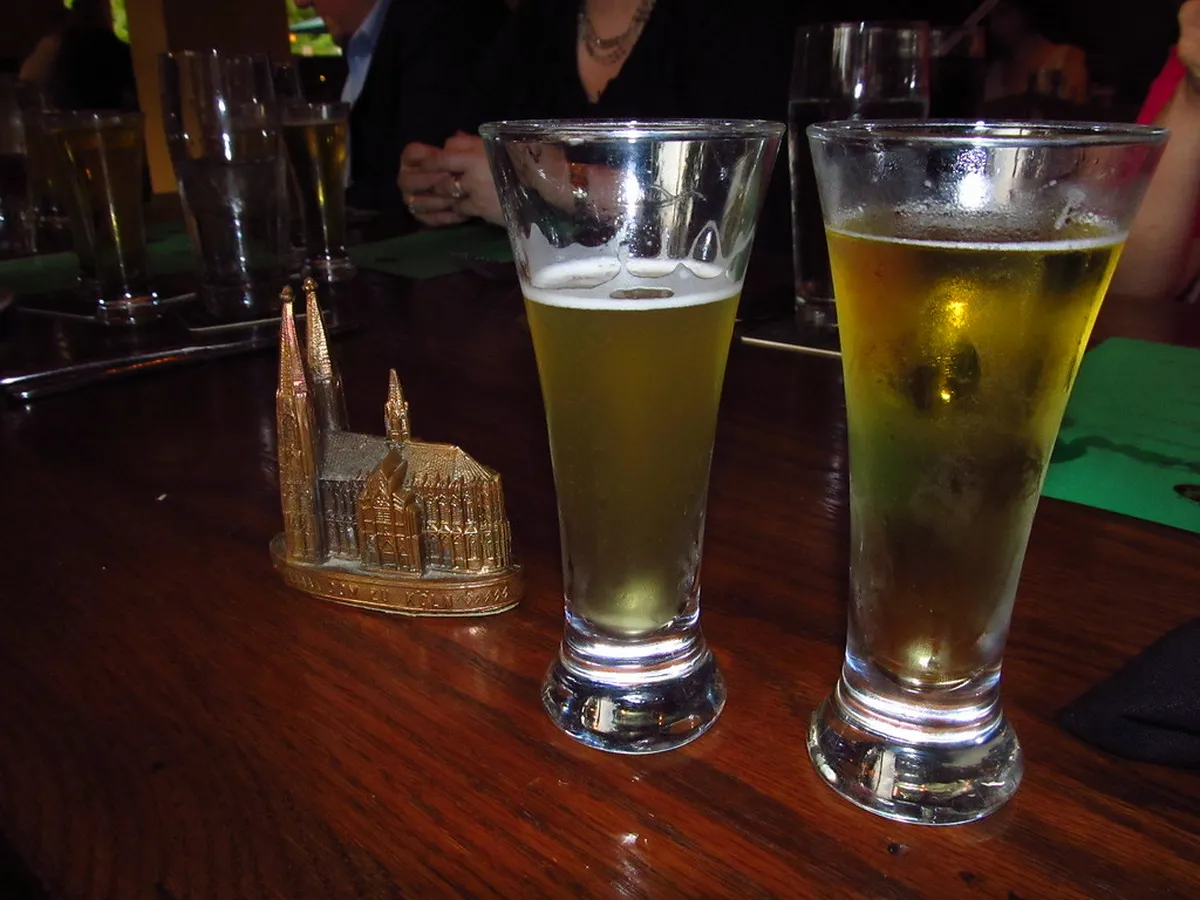
Cologne culture revolves around a small glass of pale beer that flows through every street. This golden ale is more than just a drink for locals in the Rhineland. It represents the city's identity and serves as its primary social heartbeat. Visitors often feel surprised by the unique rules found in a traditional brewhouse.
Navigating these historic halls requires a bit of local knowledge and preparation. This **kolsch beer guide cologne** helps you master the specific service rituals of the city. You will learn how to order like a local and avoid common tourist mistakes. Prepare to experience one of the most vibrant drinking cultures in Europe.
What is Kölsch? (The Beer and the Culture)
Turn this guide into a personal route with our free cologne itinerary planner.
Kölsch is a unique style that bridges the gap between different brewing methods. It is top-fermented like an ale but finished at cold temperatures like a lager. This hybrid process creates a crisp and light flavor profile that is easy to drink. Most people find it incredibly refreshing during a busy day of sightseeing. To understand the brewing science behind this distinctive approach, see the encyclopedic overview of Kölsch brewing.
The beer always appears bright, clear, and straw-colored in the glassware. It typically has a mild hop bitterness and a very dry finish. Local laws dictate that only breweries in or near Cologne can use the name. This strict control ensures quality and historical consistency for every single pour.
The culture surrounding the beer is just as important as the liquid itself. Drinking together in a Brauhaus fosters a sense of community and shared history. You will see people from all walks of life sharing long wooden tables. Conversations flow as easily as the beer in these lively social hubs.
Traditionalists believe the beer must be served as fresh as possible from the barrel. This focus on freshness is why the glasses remain so small. Each serving is meant to be enjoyed quickly before it loses its carbonation. You will rarely see a warm or flat beer in a reputable establishment.
The Kölsch Konvention: Why It’s Protected
In 1986, local brewers signed a formal agreement to protect their liquid heritage. This document is known as the Kölsch Konvention among industry experts. It defines exactly where and how the beer must be produced within the region. This legal protection is similar to how Champagne is regulated in France.
The agreement ensures that every glass meets specific regional and quality standards. You won't find authentic versions brewed outside the designated Cologne area. This geographical status keeps the tradition tied to the city's old streets. It also prevents larger commercial brands from diluting the specific style. For official details on brewery standards, the Cologne Brewery Association maintains the regulatory framework.
Following the cologne local customs tips will help you appreciate this history. The brewers take great pride in maintaining these ancient purity standards. Every brewery must follow the Reinheitsgebot, which is the German Purity Law. This means only water, malt, hops, and yeast go into your glass.
Protecting the name has helped Cologne maintain its unique identity in Germany. While neighboring cities have their own styles, Kölsch remains the undisputed king here. The rivalry with Düsseldorf's Altbier is a famous part of the local lore. Always remember to praise the local brew while you are within the city limits.
How to Drink Kölsch: A Kolsch Beer Guide Cologne Etiquette
Service in a Cologne brewhouse is famously efficient and sometimes a bit blunt. The servers are known as Köbes and they wear traditional blue linen aprons. They do not wait for you to order a second glass of beer. Instead, they replace empty glasses automatically until you signal them to stop.
The Köbes might seem gruff, but it is part of their professional style. They value speed and directness over polite small talk during a busy shift. Do not take their short answers as a sign of personal rudeness. They are simply focused on keeping the beer moving to every thirsty guest.
Expect a lively and loud atmosphere when you enter a popular brewery. You will likely share a table with strangers if the room is crowded. This communal seating is a core part of the local drinking experience. It is the perfect way to meet residents and hear local stories.
When you are ready to pay, you must catch the eye of your specific Köbes. They carry a large leather wallet and handle all transactions at the table. Tipping is appreciated but usually involves rounding up the total bill. A small extra amount shows respect for their hard work and fast service.
Top Brauhaus Picks: Gaffel am Dom and Peters Brauhaus
Many visitors start their journey at the large halls near the central station. Gaffel am Dom offers a massive, energetic space right next to the cathedral. It is a convenient spot for those following a cologne itinerary with limited time. The atmosphere here is very lively and often filled with international travelers.
Peters Brauhaus provides a slightly more intimate feel while staying centrally located. The interior features beautiful woodwork and traditional stained glass windows. It serves a version of the local beer that many newcomers find very smooth. This spot is excellent for groups looking for a classic and comfortable experience.
If you want to dive deeper into the history, consider a guided tour. Booking a Cologne: 3 Old Town Brewery Tour provides expert insights. These walks often include tastings at several legendary locations in the Altstadt. A guide can explain the subtle differences between the various brewery brands.
Brauhaus Sion is another historic choice located in the heart of the old town. It has a long history dating back many centuries to the city's origins. The dining rooms are spacious and offer a great view of the local hustle. It is a reliable place to find a seat during the afternoon hours.
Local Favorites: Brauerei zur Malzmühle and Päffgen
For a more authentic vibe, head toward the Heumarkt area of the city. Brauerei zur Malzmühle is a historic gem that locals truly adore. It feels less like a tourist spot and more like a neighborhood room. The rustic decor has remained largely unchanged for many decades. Another iconic choice is Früh's historic brauhaus, which represents generations of traditional brewing excellence.
Päffgen is another legendary name that every beer lover should visit. This brewery does not bottle its beer for sale in grocery stores. You must drink it on-site to experience its fresh and vibrant taste. Finding a seat here can be a challenge during the busy evening hours.
Brauerei Pfaffen is a smaller option that offers a very cozy atmosphere. It is tucked away from the main tourist paths in the old town. This brewery is perfect for intimate groups who want a quieter experience. The service here often feels a bit more personal than the larger halls.
Schreckenskammer is a must-visit for those who enjoy a bit of local mystery. The name translates to Chamber of Horrors, but the vibe is quite friendly. They serve their beer without any carbonation added during the tapping process. This results in a very smooth and unique drinking experience.
Service Rituals: Stange, Kranz, and the Coaster Rule
The beer arrives in a tall, thin glass called a Stange. These 0.2-liter vessels ensure the beer stays cold until the last sip. Drinking from a larger mug is considered a mistake in Cologne. The small size encourages you to enjoy several rounds in one sitting.
When you are finished, place your coaster on top of your glass. This is the only universal signal that you want the final bill. If you leave the glass open, a fresh one will appear instantly. The server marks each round with a pencil stroke on your coaster.
Using a cologne old town altstadt guide helps you find these traditional spots. Most breweries use a circular tray called a Kranz to carry many glasses. A full Kranz typically holds between eleven and eighteen individual servings. Ordering a full tray is a great way to serve a large group.
Keep track of the marks on your coaster to know your total. The Köbes will add them up quickly when you signal for the check. This simple method has worked for generations in the city's brewhouses. It allows for very fast service even during the busiest festival nights.
- The Automatic Refill Rule
- Rule: Fresh beer arrives automatically
- Signal: Use the coaster to stop
- Benefit: Never have an empty glass
- Note: Köbes work very fast
- The Stange Glass Standard
- Size: Exactly 0.2 liters
- Shape: Tall and very thin
- Purpose: Keeps beer cold
- Tradition: Never use large mugs
- The Coaster Marking System
- Method: Pencil marks on cardboard
- Function: Tracks your total rounds
- Payment: Hand coaster to Köbes
- Tip: Do not lose it
- The Köbes Service Style
- Uniform: Blue apron and wallet
- Attitude: Direct and very efficient
- Humor: Often dry and sarcastic
- Role: Traditional brewery server
- The Kranz Serving Tray
- Capacity: 11 to 18 glasses
- Usage: Ideal for large groups
- Design: Circular with a handle
- Math: Cheaper for big parties
- The Food Pairing Tradition
- Snack: Try the Halver Hahn
- Meal: Order Himmel un Ääd
- Flavor: Salty and very hearty
- Goal: Balance the beer bitterness
- The Unfiltered Wiess Option
- Style: Unfiltered version of Kölsch
- Taste: Cloudier and more yeasty
- Availability: Selected traditional breweries only
- History: The precursor to Kölsch
Beyond the Beer: Food and Non-Alcoholic Options
You should never drink on an empty stomach in the best cologne beer halls. Traditional menus feature very hearty dishes like pork knuckles or sausages. These salty meals pair perfectly with the crispness of the local ale. Even the smallest snacks are designed to complement the drinking culture.
If you prefer something without alcohol, you should ask for a Fassbrause. This local soda is made from fruit and malt and is very refreshing. Most brewhouses also offer standard soft drinks and water for guests. You can still enjoy the historic atmosphere without consuming any alcohol.
Learning about cologne food guide options will improve your dining experience. Try the Halver Hahn, which is a rye roll with thick cheese. It is a classic brewery snack that is both cheap and filling. Locals often eat this between rounds of beer in the afternoon.
Cologne also offers a vibrant evening scene beyond the traditional halls. Check a cologne nightlife guide for modern bars and clubs. However, the Brauhaus remains the most iconic place to spend an evening. The mix of history and hospitality is hard to find anywhere else.
Frequently Asked Questions
What is Kölsch beer exactly?
Kölsch is a pale, highly carbonated beer style native to Cologne. It is unique because it uses top-fermenting yeast but is aged at cold temperatures like a lager. This results in a crisp, clean taste with a dry finish. It is always served in a 0.2-liter Stange glass.
How do I stop the waiter from refilling my Kölsch?
To stop the automatic refills, you must place your cardboard coaster on top of your empty glass. This signal tells the Köbes that you are finished and ready for the bill. If you leave the glass open, they will keep bringing fresh beer until you leave.
Is Kölsch a lager or an ale?
Kölsch is technically a hybrid style that uses elements of both brewing worlds. It is brewed with ale yeast but undergoes a cold conditioning period similar to a lager. This gives it the complex flavors of an ale and the crisp drinkability of a lager. It is a protected regional specialty.
What is the best Kölsch brewery for locals?
Many residents consider Brauerei Päffgen or Malzmühle to be the most authentic local choices. These spots often feel less crowded with tourists and maintain very traditional service standards. You can find more tips in our cologne itinerary 3 days guide for planning your visits.
Why are the beer glasses in Cologne so small?
The 0.2-liter Stange glass is designed to keep the beer fresh and cold. Because Kölsch is highly carbonated, it can lose its lively character quickly in a larger mug. The small size ensures that every sip you take is as crisp as the first one from the tap.
Visiting a Cologne brewhouse is an essential part of any trip to Germany. The combination of unique beer and historic service creates a memorable experience. By following these simple rules, you can drink like a true local. Respect the Köbes and enjoy the lively atmosphere of the old town.
Whether you prefer the energy of the Dom or a quiet neighborhood corner, there is a spot for you. Each brewery offers a slightly different take on the city's famous golden ale. Take your time to explore several locations during your stay in the city. Prost to a wonderful journey through the heart of Cologne's beer culture.