Cologne is best visited between late November and late December for the world-famous Christmas markets. I visited in early December 2024 and found the festive atmosphere truly magical despite the biting chill. Updated May 2024 from my winter 2024 visit, this guide covers everything you need for a cold-weather trip. Late spring and early fall are the traditional shoulder seasons, but winter offers unique cultural rewards.
The city transforms into a cozy wonderland where warm lights reflect off the Rhine River. You might face some damp weather, but the indoor beer halls and thermal baths provide perfect escapes. Planning a 3-day Cologne itinerary allows enough time to see the major sights and hidden gems. Locals embrace the 'nasskalt' or damp-cold weather with thick wool coats and steaming mugs of Glühwein.
Winter temperatures usually hover around 0–6°C / 32–43°F, making proper layering essential for any traveler. Snow is rare but beautiful when it coats the spires of the iconic cathedral. The humidity from the river often makes the air feel sharper than the thermometer suggests. Prepare for a mix of gray skies and brilliant, crisp sunny mornings during your stay.
TLTR: Cologne Winter Travel Summary & Season Comparison
Turn this guide into a personal route with our free cologne itinerary planner.
Cologne offers a distinct experience each season, but winter is arguably the most atmospheric time to visit. December brings the holiday rush, while January and February offer a quieter, more local perspective. According to typical climate data, January is the coldest month with frequent light rain and occasional frost. Expect shorter daylight hours, which actually enhances the beauty of the city's illuminated landmarks.
Visiting during the shoulder months of late October or early November can save you money on hotels. The crowds are significantly thinner before the Christmas market season officially kicks off in late November. Many Rhine river cruises operate on a very limited schedule from January through March. Outdoor beer gardens typically close their terrace seating until the warmer spring months arrive.
During my last trip, the Rhine humidity made 3°C feel much colder than I initially expected. This regional weather quirk means you should prioritize windproof and waterproof outer layers. Most museums and indoor attractions remain open throughout the winter with standard operating hours. Always check the specific holiday closures for December 24th and 25th when planning your visit.
| Season | Weather | Crowds | Prices | Events | Best for |
|---|---|---|---|---|---|
| Spring (Mar-May) | 5-15°C / 41-59°F | Moderate | Mid-range | Frühlingsfest | Sightseeing |
| Summer (Jun-Aug) | 18-25°C / 64-77°F | High | High | Cologne Pride | River cruises |
| Fall (Sep-Oct) | 10-18°C / 50-64°F | Moderate | Mid-range | Museum Night | Photography |
| Winter (Nov-Feb) | 0-6°C / 32-43°F | High (Dec) | Low (Jan) | Karneval | Cozy vibes |
Marvel at the Gothic Cologne Cathedral (Kölner Dom)
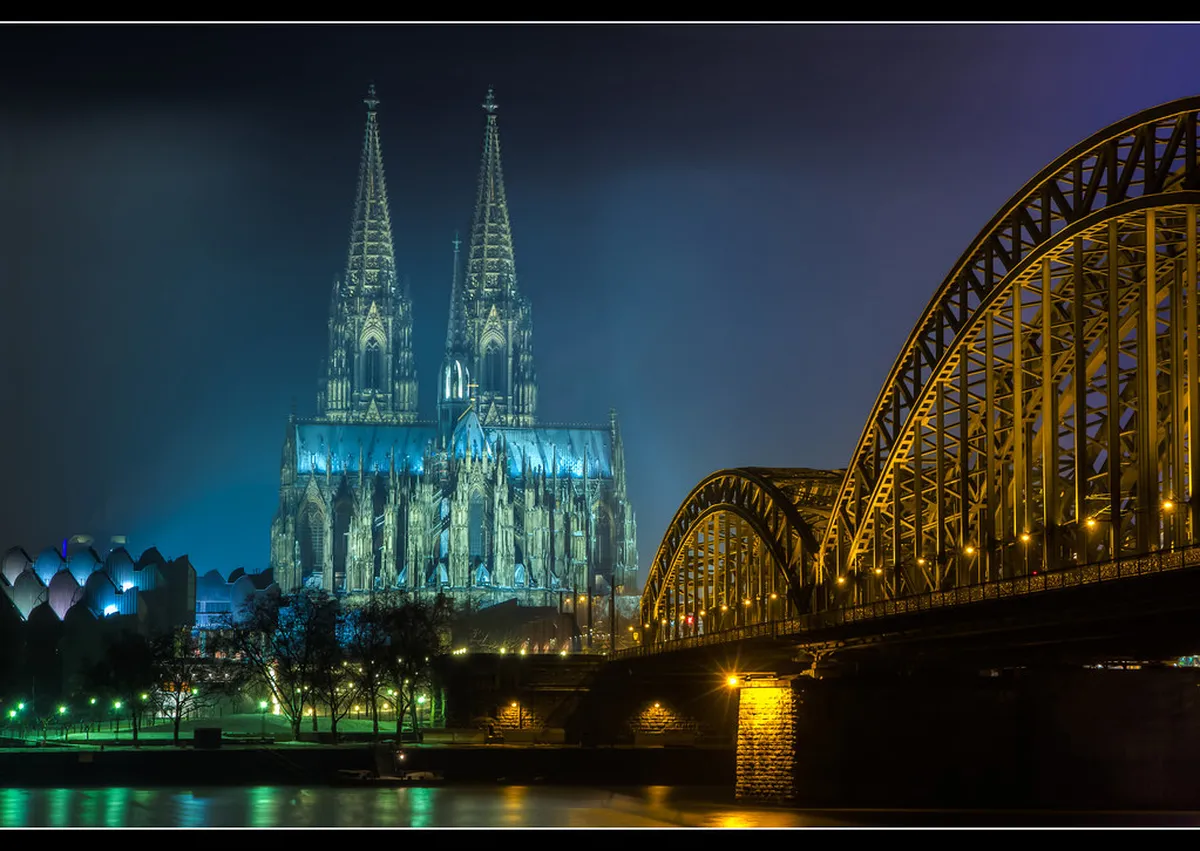
The Gothic spires of the Kölner Dom dominate the skyline during the gray winter months in Germany. This UNESCO World Heritage site is a masterpiece of architecture that took over six centuries to complete. Entry to the main floor is free, though you should remain quiet during active religious services. Check the Cologne Cathedral Official Site for current opening times and special holiday masses.
Climbing the 533 steps to the top of the South Tower is a winter challenge. The wind at the top is incredibly piercing, so keep your hat and gloves firmly on. I recommend visiting early in the morning to avoid the largest groups of tourists. Consult a Cologne Cathedral visitor guide to understand the history of the Shrine of the Three Kings.
The interior remains chilly in winter, so do not plan to remove your heavy coat inside. Be sure to admire the modern pixelated stained-glass window designed by artist Gerhard Richter. The cathedral treasury houses a vast collection of gold and silver artifacts from the Middle Ages. Photography is permitted but please avoid using flash to protect the ancient artworks and atmosphere.
Experience the Magic of Cologne Christmas Markets
Cologne hosts several distinct markets, each with a unique theme and atmosphere for every visitor. The 'Markt der Engel' at Neumarkt is famous for its hundreds of hanging star-shaped lights. Locals often prefer the 'Heinzels Wintermärchen' in the Old Town for its impressive outdoor ice rink. For more details, see our Cologne Christmas markets guide for locations and dates.
Families will love the Cologne Christmas Market Express Train that connects the different sites. This small green train is a fun way to navigate the city without walking in the cold. Try the Reibekuchen, which are crispy potato pancakes served with sweet applesauce at most stalls. Glühwein mugs often require a small deposit, which you get back when you return the cup.
The market at the harbor near the Chocolate Museum offers a nautical theme and seafood snacks. I found the 'Gay Village' market near Rudolfplatz to be particularly vibrant and welcoming for everyone. Most markets open in the last week of November and close just before Christmas Eve. Crowds peak on Saturday evenings, so try visiting on a weekday morning for a calmer experience.
Is it too cold for the Claudius Therme Thermal Baths?
Soaking in the warm mineral waters of the Claudius Therme Official site is a top winter activity. The outdoor pools stay heated to a comfortable temperature despite the freezing air outside. You can swim through a small tunnel from the indoor section directly into the steaming outdoor area. The view of the Cologne Cathedral from the water is especially beautiful as the sun sets.
International visitors should be aware of the strict sauna etiquette practiced throughout most of Germany. The sauna area is strictly FKK, which means 'Freikörperkultur' or 'free body culture' (no clothing allowed). You must use a large towel to sit on so that no sweat touches the wood. If you are modest, stick to the main pool areas where swimsuits are required at all times.
The facility can get very busy on rainy weekends when locals seek indoor warmth and relaxation. I suggest booking a massage or treatment in advance to guarantee your entry during peak times. Bring your own flip-flops and a bathrobe to avoid the extra rental fees at the front desk. The on-site restaurant serves healthy meals and refreshing drinks to enjoy between your sauna sessions.
Pick X If: Enjoying Kölsch at a Traditional Brauhaus
Drinking beer in Cologne is a cultural ritual that follows very specific and traditional local rules. A Kölsch beer guide can help you navigate the many local breweries. The beer is always served in small 0.2-liter glasses called 'Stangen' to keep it fresh and cold. Waiters, known as Köbes, will keep bringing fresh glasses until you place a coaster on top.
The atmosphere in a traditional brauhaus is loud, social, and very warm during the winter months. Expect to share long wooden tables with strangers, as this is a standard practice in Cologne. Local dishes like 'Himmel un Ääd' (mashed potatoes and apples) pair perfectly with the light ale. Be aware that the Köbes can be famously blunt or grumpy as part of their traditional persona.
During my visit to Früh am Dom, I forgot the coaster rule and ended up with three beers. It is a fun mistake to make, but it can lead to a very long afternoon. Tipping is expected but usually involves rounding up the bill to the nearest euro or two. Most traditional beer halls are located in the Altstadt area near the Rhine River bank.
- Pick late November if you want
- The full Christmas market experience
- Pick February if you want
- Wild Karneval street parties
- Pick January if you want
- Lowest prices and fewer tourists
- Pick early December if you want
- Cathedral holiday lights
Explore the Vibrant Culture of Keupstraße in Mülheim
For a break from traditional German food, head across the river to the Mülheim district. Keupstraße is the heart of Cologne's Turkish community and offers incredible culinary diversity for visitors. The street is lined with bakeries selling fresh baklava and restaurants serving charcoal-grilled meats. It provides a warm and lively atmosphere that feels very different from the touristy city center.
Adana Grill is a local favorite known for its authentic spices and generous portions of kebab. The prices here are often much lower than what you will find near the cathedral area. I highly recommend trying the Turkish tea, which is served in small glasses after your meal. This area is easily accessible via the tram system from the main train station.
Walking down this street in winter feels like a sensory journey to another part of the world. The smell of roasting lamb and fresh bread fills the chilly air at all hours. It is a great place to buy unique spices or sweets to take home as gifts. The community is very welcoming and proud of their rich cultural heritage in Cologne.
Join the "Crazy Days" of Cologne Karneval
Karneval is often called the 'fifth season' and is the biggest party in the city. The street festivities reach their peak during the 'Crazy Days' in February each year. In 2026, the main celebrations will take place from February 12th through February 17th. The city essentially shuts down for normal business as the residents take to the streets.
Costumes are absolutely mandatory if you want to blend in with the local crowds. Even a simple wig or a colorful hat will help you feel part of the celebration. The phrase 'Kölle Alaaf' is the traditional greeting you will hear shouted everywhere you go. Be prepared for very crowded public transport and loud music throughout the entire city center.
Rose Monday is the highlight with a massive parade featuring elaborate floats and tons of candy. I found that booking a hotel months in advance is necessary for this specific week. Many bars charge an entry fee during Karneval, so carry plenty of cash with you. It is a wild and unforgettable experience that shows the true spirit of Cologne.
Visit the Chocolate Museum and Museum Ludwig
Indoor museums are the perfect contingency plan for the frequent rainy winter days in Cologne. The Cologne museums guide provides a list of the best galleries and collections. The Chocolate Museum is located right on the river and features a massive chocolate fountain. You can even design your own custom chocolate bar to take home as a souvenir.
Museum Ludwig is a must-visit for fans of modern art and features an extensive Picasso collection. The building itself is an architectural landmark located right next to the cathedral. It offers a quiet and contemplative escape from the busy holiday markets outside. The museum shop is one of the best in the city for unique art-themed gifts.
Most museums offer discounted entry if you have a local tourist discount card. I enjoyed the Roman-Germanic Museum for its incredible mosaics and ancient glass collection. Check for special winter exhibitions that often run from November through February. The cafes inside these museums are excellent spots to warm up with a coffee.
What to Wear: Your Winter Packing List
Dressing for a German winter requires a focus on functional layers rather than just heavy coats. The weather can change from bright sun to cold rain in just a few minutes. A high-quality waterproof jacket is the most important item you can bring on your trip. Make sure your outer layer has a hood to protect you from the Rhine wind.
Footwear should be comfortable for walking several miles on cobblestone streets each day. Waterproof boots with a good grip are essential for navigating wet or icy sidewalks. Wool socks will keep your toes warm while you stand at the outdoor market stalls. I learned the hard way that thin sneakers are not enough for a Cologne winter.
Accessories like a thick scarf and thermal gloves will make your outdoor time much more pleasant. Don't forget to pack a small, sturdy umbrella that can withstand occasional gusts of wind. If you visit during Karneval, leave some room in your suitcase for a fun costume. Most locals dress in dark, practical colors, but the markets are full of festive knitwear.
- Thermal base layers
- For long walks through markets
- Waterproof boots
- To handle Rhine valley rain
- Wool hat and gloves
- Essential for the Cathedral tower
- Festive costumes
- If visiting during Karneval season
Where is the best place to stay in Cologne in winter?
Choosing the right neighborhood is vital for minimizing your time spent in the cold air. When deciding where to stay in Cologne, consider your proximity to the tram lines. The Altstadt (Old Town) is the most convenient for first-time visitors and market lovers. You will be within walking distance of the cathedral and the main train station.
The Belgian Quarter is a trendy alternative with many boutique hotels and independent cafes. It offers a more local vibe and is famous for its vibrant nightlife and shopping. Accommodation prices peak in December, so book early to secure the best winter rates. January often sees significant price drops as the holiday crowds finally head back home.
Staying near the Neumarkt area puts you right in the center of the shopping district. I stayed at the 25Hours Hotel The Circle and loved its unique retro-futuristic design. Check if your hotel offers a 'KölnCard' which provides discounts on transport and attractions. Modern hotels often have better heating systems than the older, traditional guesthouses.
Cologne Winter Map and Transportation
Cologne has an excellent public transport network consisting of trams, buses, and local trains. You can easily purchase Cologne public transport tickets at machines or via a mobile app. The underground stations are a great place to escape a sudden winter rain shower. Trams run frequently until late at night, making it easy to return to your hotel.
Walking is the best way to explore the compact city center and the river banks. Be careful on the Hohenzollern Bridge, as the metal grates can become slippery when wet. A winter map of the city will show you the quickest walking routes between markets. Most major attractions are located within a 20-minute walk of the main train station.
Bike rentals are still available in winter, but I would only recommend them on dry days. The wind along the Rhine can make cycling quite difficult for inexperienced riders. Always validate your paper ticket before boarding to avoid a heavy fine from inspectors. The transport system is generally very reliable, even during light snowfall or frost.
Our Full Winter in Cologne Itinerary
A well-planned itinerary ensures you see the best of the city without getting too cold. Spend your first morning at the Cathedral before heading to the Old Town Christmas market. Afternoon visits to the Chocolate Museum provide a warm and delicious indoor activity for everyone. End your first day with a traditional dinner and Kölsch beer in a cozy brauhaus.
On day two, cross the river to visit the Claudius Therme for a relaxing morning soak. Spend the afternoon exploring the shops and cafes in the trendy Belgian Quarter neighborhood. If the weather is clear, take the cable car for a unique view of the city. The evening is perfect for a second round of glühwein at the Angel Market.
Your third day can be used for a day trip to nearby Bonn or Aachen. Alternatively, dive deeper into the local art scene at the Museum Ludwig or Wallraf-Richartz. I find that three days is the perfect amount of time for a winter visit. This schedule allows for a mix of outdoor festive fun and indoor cultural exploration.
Frequently Asked Questions
Is Cologne worth visiting in January or February?
Yes, Cologne is worth visiting for lower prices and the massive Karneval festival in February. While January is cold and quiet, you can enjoy museums without the crowds. It is the perfect time for a cozy, budget-friendly city break.
How much time should you plan for the Cologne Christmas markets?
You should plan at least two full days to see the main markets properly. Each market has a different theme and signature food to experience. Visiting both during the day and at night is highly recommended for the atmosphere.
What is the best way to experience Karneval as a tourist?
The best way is to wear a costume and head to the Alter Markt early in the morning. Join the singing and dancing in the streets with the locals. Be sure to learn a few basic Kölsch phrases to truly participate.
Cologne in winter is a sensory delight that rewards those who brave the chilly Rhine weather. From the towering cathedral to the steaming mugs of Glühwein, the city offers endless seasonal charm. Whether you seek the wild energy of Karneval or the peace of a thermal bath, Cologne delivers. Pack your warmest layers and prepare for an unforgettable German winter adventure this year.
I hope this guide helps you navigate the magic and the practicalities of a winter visit. Remember to book your accommodation early if you plan to visit during the peak December weeks. The memories of the glowing markets and the friendly brauhaus culture will stay with you forever. Safe travels and enjoy everything that this historic city has to offer during the colder months.