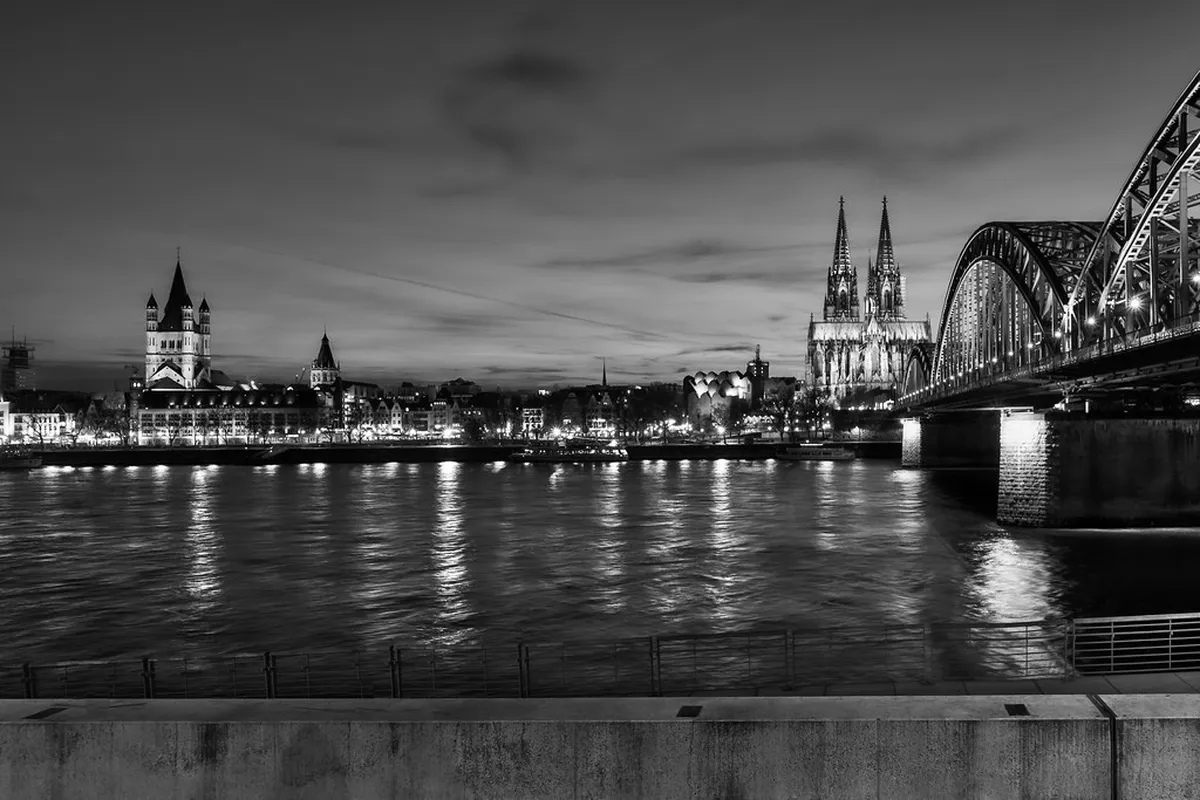
The historic heart of Cologne offers a fascinating blend of ancient Roman roots and medieval German charm. Walking through the narrow alleys of the Altstadt reveals a city that has been carefully rebuilt after 2026 standards of preservation. Most of the original district was destroyed during the heavy bombing raids of the Second World War. Today, the reconstructed colorful houses and cobblestone streets provide a welcoming atmosphere for every traveler.
Visitors often start their journey at the massive Cathedral before wandering toward the scenic Rhine River banks. This district serves as the cultural soul of the city where tradition meets a vibrant modern social scene. You will find lively beer halls, world-class museums, and hidden Roman ruins tucked away in every corner. Our guide helps you navigate the best sights while avoiding common mistakes made by first-time visitors.
Map of Cologne Old Town
Turn this guide into a personal route with our free cologne itinerary planner.
Understanding the layout of the city center is the first step to a successful and stress-free visit. The Altstadt is divided into two primary sections known as Altstadt-Nord and the slightly quieter Altstadt-Süd. Most of the famous landmarks mentioned in this guide are located within the northern section near the station. You can find a detailed Cologne-Tourism.com map to help you navigate the narrow alleys.
The Rhine River acts as a natural border that defines the eastern edge of the historic district. Walking along the riverfront promenade offers great views of the colorful houses and the Great St. Martin church. The area is highly walkable and most major sites sit within a fifteen-minute walk of each other. Keep your eyes on the towering Cathedral spires to maintain your sense of direction while exploring.
Guided Tours of Old Town Cologne
Joining a professional tour is one of the best ways to learn about the city's complex history. Local guides share stories about the Roman Empire, the Hanseatic League, and the massive post-war reconstruction efforts. You can choose between general history walks or specialized routes that focus on local legends and myths. Consider following a proven cologne walking tour route to see the most important highlights efficiently.
Free walking tours depart daily from the square located directly in front of the main Cathedral entrance. These tours operate on a tip-based system and provide a great introduction for budget-conscious travelers. Evening tours often feature a guide dressed as a traditional night watchman to add a historic atmosphere. Brewery tours are also popular for those who want to learn about the local beer culture and history.
Cologne Cathedral (+ Treasury)
The Cologne Cathedral is a masterpiece of Gothic architecture and the most visited landmark in all of Germany. Construction began in the year 1248 but took over six hundred years to finally reach completion. Its twin spires dominate the skyline and serve as a symbol of the city's resilience and faith. Check our detailed cologne cathedral visitor guide for information on opening hours and entry requirements.
Inside the Cathedral, you will find the golden Shrine of the Three Kings behind the high altar. The stained glass windows date back to different eras and create a stunning display of light and color. You can also visit the Cathedral Treasury to see precious religious artifacts and ancient manuscripts. Active travelers should climb the 533 steps of the South Tower for an incredible view of the Rhine.
Great St. Martin Church (Groß St. Martin)
The massive tower of Great St. Martin is a defining feature of the Cologne riverfront skyline. This Romanesque church was built on the site of a former Roman warehouse during the twelfth century. It suffered significant damage during the war but was meticulously restored to its original medieval appearance. The interior offers a quiet and minimalist space that contrasts with the ornate design of the Cathedral.
Archaeological excavations beneath the church floor reveal the remains of the original Roman foundations. Visitors can pay a small fee to explore these ancient ruins and see how the city evolved. The church is surrounded by narrow houses painted in bright pastel colors that are perfect for photography. This area feels particularly magical during the early morning hours before the large tourist crowds arrive.
Germany’s Oldest Town Hall (Rathaus)
The Cologne City Hall is the oldest town hall in Germany with a history spanning over nine hundred years. Its most striking feature is the Renaissance loggia which was added to the facade in the sixteenth century. The tower is decorated with over one hundred stone statues representing famous figures from the city's long history. You can often hear the glockenspiel playing traditional melodies at various times throughout the day.
The historic Hansasaal is a grand meeting hall that once hosted important members of the Hanseatic League. While the building is still used for official business, parts of the interior are open to the public. The square in front of the Town Hall is a popular spot for weddings and local celebrations. Look for the small carved faces on the tower that add a touch of humor to the architecture.
- The Historic Town Hall Loggia
- Style: Renaissance architecture
- Built: Around 1570
- Access: View from outside
- Cost: Free to admire
- The City Hall Tower
- Height: 61 meters tall
- Statues: 124 stone figures
- Music: Glockenspiel daily
- Note: Rebuilt after 1945
Local Breweries Serving Kölsch
Drinking beer in Cologne follows a set of unique cultural rules that every visitor should understand. The local beer is called Kölsch and it is strictly served in tall, thin glasses called Stangen. Traditional waiters, known as Köbes, will bring you a fresh beer as soon as your glass is empty. Read our kolsch beer guide cologne to master the local etiquette before you visit.
The waiter tracks your consumption by marking a cardboard coaster with a pencil for every glass served. Place your coaster on top of your glass when you have finally decided you are finished drinking. Früh am Dom is the most famous brewery in the Old Town and sits near the Cathedral. You can find more local favorites in our list of the best cologne beer halls for an authentic experience.
Museums of the Altstadt: Ludwig and Wallraf
Art lovers will find some of the finest collections in Europe within the streets of the Altstadt. Museum Ludwig houses an impressive collection of modern art including works by Picasso and Andy Warhol. The building itself is an architectural landmark located directly between the Cathedral and the Rhine River. Our cologne museums guide provides tips on ticket prices and the best times to visit.
The Wallraf-Richartz Museum focuses on fine art from the medieval period through the nineteenth century. It is home to the world's most important collection of medieval Cologne paintings and Impressionist masterpieces. The Farina Fragrance Museum is another unique stop where you can learn the history of Eau de Cologne. Most museums in the city offer discounted entry on certain days of the month for local residents.
Historic Squares: Alter Markt and Heumarkt
The Alter Markt and Heumarkt are the two largest and most important squares in the Old Town. During the summer, these squares are filled with outdoor tables where locals enjoy food and drinks. The Heinzelmännchen fountain at Alter Markt tells the legend of the helpful gnomes who once did the city's work. Take a short walk to the hohenzollern bridge cologne love locks for a romantic view of these squares.
These squares become the center of the world during the famous Cologne Carnival season in November. In the winter, they host some of the most beautiful Christmas markets in the entire country. The atmosphere is always lively with street performers and local vendors selling traditional German snacks. Many historic buildings around the squares have been restored to show their original medieval facades.
Roman Ruins and Archaeological Sites
Cologne was founded by the Romans over two thousand years ago and much of that history remains. The Roman-Germanic Museum was built directly over the site of a massive Roman villa discovered in 1941. You can see the famous Dionysus Mosaic through the museum windows even when the building is closed. According to Thetwordtravel.com, the city's Roman heritage is one of its most unique features.
The Ubiermonument is the oldest stone monument in Germany and dates back to the very early Roman era. Parts of the ancient Roman city wall are still visible near the modern shopping districts and squares. Walking through the underground Praetorium allows you to see the foundations of the Roman governor's palace. These sites offer a deep look into the ancient world that exists just beneath the modern pavement.
Practical Logistics: Getting Around and Cash Tips
Navigating Cologne is simple because the Old Town is located right next to the central train station. Most visitors find that walking is the most efficient way to see all the major historic sites. If you need to travel further, the city has an excellent network of trams and underground trains. Make sure to purchase cologne public transport tickets before boarding any vehicle to avoid heavy fines.
Many small shops and traditional breweries in the Altstadt still prefer cash payments over credit cards. Always carry some Euros for smaller purchases like beer, snacks, or souvenirs from local market stalls. Remember that most retail shops are closed on Sundays according to German law and local customs. Expert advice from Auslanderblog.com suggests checking museum hours before planning your Sunday itinerary.
Pair this with our broader main Cologne itinerary for the full city overview. For related Cologne deep-dives, see our Cologne neighborhoods guide and where to stay in Cologne guides.
Frequently Asked Questions
Is Cologne Old Town walkable for seniors?
Yes, the Altstadt is very walkable and mostly flat, making it accessible for seniors and those with limited mobility. Most major landmarks are concentrated in a small area near the central station. However, the cobblestone streets can be uneven, so wearing comfortable shoes is highly recommended for safety.
What is the best time of day to visit the Altstadt?
The best time to visit the Old Town is early in the morning before the large tour groups arrive. You will enjoy a quieter atmosphere and better photo opportunities near the Cathedral and Great St. Martin. Evenings are also wonderful for experiencing the lively beer hall culture and illuminated historic buildings.
Are there public toilets in Cologne Old Town?
Public toilets are available at the central train station and inside major museums like the Museum Ludwig. Many people also use the facilities in the large breweries after purchasing a drink or snack. It is common to leave a small tip of fifty cents for the cleaning staff in these locations.
Can you visit the Old Town Hall interior?
Parts of the historic Town Hall are open to the public during specific hours for guided tours or events. The Renaissance loggia and the exterior tower statues can be viewed for free at any time from the square. Visitors should check the official city website for updates on interior access and special tour schedules.
How much does a Kölsch beer cost in the Altstadt?
A standard 0.2-liter glass of Kölsch beer usually costs between 2.20 and 2.80 Euros in most traditional breweries. Prices may be slightly higher in the immediate vicinity of the Cathedral due to the high tourist demand. Most locals find the beer halls offer excellent value for both drinks and traditional German food.
Cologne's Altstadt is a resilient and beautiful district that rewards travelers who take the time to explore. From the towering heights of the Cathedral to the ancient Roman ruins, there is something for everyone to enjoy. The unique beer culture and friendly atmosphere make it one of the most welcoming cities in Germany. Plan your visit today to experience the perfect mix of history, culture, and local hospitality.