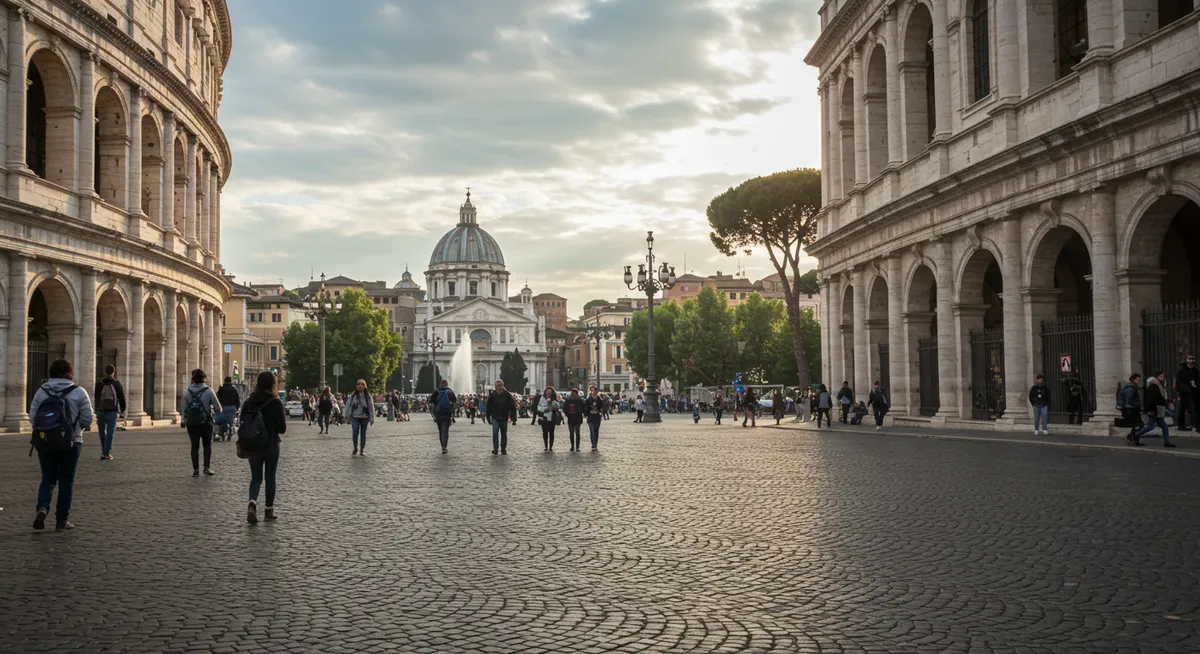
TL;DR: A one-week trip to Rome for two people in 2026 costs roughly $3,000–$5,500 excluding international flights. Budget travelers can manage on around $2,000, while luxury seekers should plan for $7,000 or more. The biggest variables are accommodation (40–50 % of the total), dining style, and how many paid attractions you visit.
Planning a romantic escape to the Eternal City starts with one practical question: how much is a trip to Rome for 2? Whether you are dreaming of candlelit dinners in Trastevere or sunrise photos at the Colosseum, knowing your numbers upfront turns daydreams into boarding passes. Below is a realistic, category-by-category budget guide updated with 2026 prices so you can book with confidence.
Flights to Rome for Two in 2026
Turn this guide into a personal route with our free Rome itinerary planner.
Airfare is often the single largest line item and the one that swings the most. In 2026, round-trip economy flights for two from North America to Rome Fiumicino (FCO) typically run $800–$2,400 total, depending on your departure city, season, and booking lead time. Flights purchased three to four months in advance tend to cost 40–60 % less than last-minute fares. From within Europe, expect $200–$600 for two on a low-cost carrier.
Shoulder-season travel — April to mid-June and September to October — delivers the best combination of pleasant weather and lower fares. Setting price alerts on comparison sites like Google Flights or Skyscanner is one of the simplest ways to lock in a deal. A single layover can sometimes shave $200–$400 off your total, and some travelers find that flying into Milan and taking a high-speed train to Rome opens up cheaper routing options. If you want to plan your time on the ground, check out our first-time Rome itinerary for a day-by-day framework.
Accommodation Costs for Couples
Where you sleep accounts for the biggest chunk of your daily spend — roughly 40–50 % of your on-the-ground budget. Here is what two people can expect in 2026:
- Budget (hostels, guesthouses, outer neighborhoods): $80–$120 per night
- Mid-range (3-star hotels, Airbnb in central areas): $130–$220 per night
- Upscale (4-star boutique hotels near landmarks): $250–$400+ per night
Neighborhoods like Trastevere, Prati, and Monti offer strong value with easy access to major sights. Booking a place with a small kitchenette can trim your food bill noticeably — even making breakfast in the room saves $15–$20 a day for two. Do not forget Rome's city tourist tax, which adds $3–$8 per person per night depending on hotel star rating. Over a week, that is an extra $42–$112 that many budgets overlook.
For couples who want central access without the premium price tag, consider our guide to where to stay in Rome for neighborhood comparisons and value picks.
Food and Dining Expenses
Eating well in Rome does not require a massive budget — it just requires knowing where locals eat. In 2026, a couple can expect the following daily food costs:
- Budget dining: $50–$70 per day (pizza al taglio, market picnics, standing-bar espresso)
- Mid-range dining: $80–$140 per day (trattoria lunches, one nice dinner with wine)
- Fine dining: $150–$250+ per day (multi-course meals at upscale restaurants)
Traditional family-run trattorias and osterias charge around $10–$14 for a pasta course, and many offer weekday lunch specials with multiple courses for $13–$20. Restaurants in residential neighborhoods like Testaccio, San Giovanni, and Pigneto are 20–30 % cheaper than tourist-zone equivalents near the Spanish Steps or Piazza Navona.
A few money-saving habits that add up fast: stand at the bar for your espresso instead of sitting at a table (saves 50–100 % on coffee), shop at local markets like Campo de' Fiori for picnic supplies, and always check whether coperto (cover charge) and service are already on the bill before tipping extra. And of course, budget at least $5–$8 a day for gelato — some expenses are simply non-negotiable. Pair your food adventures with a Rome food tour to discover hidden culinary gems.
Sightseeing and Activities Budget
Rome packs more world-class attractions per square kilometer than almost any other city, and entrance fees add up faster than you might expect. Key 2026 ticket prices for two people:
- Colosseum + Roman Forum + Palatine Hill combo: $40 (€18 each)
- Vatican Museums + Sistine Chapel: $44 (€20 each, standard entry)
- St. Peter's Basilica dome climb: $22–$26 (€10–€12 each, stairs vs. elevator)
- Borghese Gallery: $30 (€13 each, reservation required)
Altogether, a couple visiting the top paid attractions should allocate $50–$150 per day for entry fees. The Roma Pass (€53 for 72 hours) bundles free entry to two sites plus unlimited public transport and can save 20–30 % if you are hitting multiple paid museums.
Free attractions soften the blow considerably. St. Peter's Basilica (interior), the Pantheon, Trevi Fountain, and dozens of ornate churches cost nothing to enter. On the first Sunday of each month, state-run museums including the Colosseum and Borghese Gallery offer free admission — arrive early to beat the crowds. For more no-cost ideas, see our list of free things to do in Rome.
Local Transportation Costs
Rome is wonderfully walkable, but the metro and bus network fills in the gaps. In 2026, public transport prices are:
- Single ride (BIT ticket): €1.50 — valid for 100 minutes on buses/trams and one metro ride
- 24-hour pass: €7
- 48-hour pass: €12.50
- 72-hour pass: €18
- 7-day CIS pass: €24
For a week-long stay, the 7-day pass at €24 per person ($52 total for two) is the best deal. Taxis from Fiumicino airport to the city center run a flat €50, while the Leonardo Express train costs €14 per person. Ride-sharing services like Uber operate in Rome but are generally pricier than public transit.
A comfortable pair of walking shoes remains your single best transportation investment. Most of Rome's iconic sights sit within a surprisingly compact area, and walking between them lets you stumble onto hidden piazzas, street art, and neighborhood bakeries that no bus route covers.
Total Trip Cost Summary: Budget, Mid-Range, and Luxury
Here is the full picture for a 7-night trip to Rome for two people in 2026, excluding international flights:
| Category | Budget | Mid-Range | Luxury |
|---|---|---|---|
| Accommodation (7 nights) | $700 | $1,200 | $2,500 |
| Food & Drink (7 days) | $420 | $770 | $1,400 |
| Activities & Entrance Fees | $150 | $350 | $700 |
| Local Transport | $55 | $80 | $200 |
| Tourist Tax | $45 | $75 | $112 |
| Miscellaneous (souvenirs, SIM) | $80 | $150 | $300 |
| Total (excl. flights) | $1,450 | $2,625 | $5,212 |
| Add flights from N. America | +$800 | +$1,400 | +$2,400 |
| Grand Total | $2,250 | $4,025 | $7,612 |
Most couples traveling at a comfortable mid-range level should plan for $3,500–$5,000 including airfare. That range covers a centrally located hotel, a healthy mix of trattoria meals and one or two splurge dinners, the major sights, and daily gelato — because Rome without gelato is just a history lesson.
Money-Saving Tips for Couples Visiting Rome
Small adjustments create big savings over a week-long trip. Here are strategies that consistently work:
- Travel in shoulder season (April–May, September–October) for lower airfares, cheaper hotels, and fewer crowds.
- Book accommodation with a kitchenette — preparing even one meal a day in your room can save $150+ over a week.
- Buy skip-the-line tickets online in advance to avoid markups from ticket resellers near attractions.
- Eat where locals eat — residential neighborhoods like Testaccio and Pigneto offer better food at lower prices.
- Take advantage of free Sundays — first Sunday of the month means free entry to state museums.
- Use the 7-day transit pass instead of buying single tickets — it pays for itself after just four rides per day.
- Carry a refillable water bottle — Rome's nasoni (public drinking fountains) dispense clean water for free, saving you $5–$8 a day on bottled water.
If you are planning a longer Italian adventure, our 4-day Rome cost guide offers a shorter-stay breakdown, and our 5-day Rome budget guide bridges the gap for mid-length trips.
Best Time to Visit Rome on a Budget
Timing your trip strategically is one of the most effective ways to control costs. Peak season (June through August) drives hotel rates up by 30–50 % and packs every attraction with long queues. The absolute cheapest window is January through mid-March, when hotel prices bottom out and flights are at their lowest — though weather can be cool and rainy.
The sweet spot for most couples is late April through early June or mid-September through October. You get warm, pleasant weather, manageable crowds, and prices that sit 15–25 % below summer peaks. For detailed seasonal guidance, check our best time to visit Rome guide.
Day Trips Worth Adding to Your Rome Budget
Rome makes an excellent base for exploring central Italy. Popular day trips for couples include:
- Florence: 1.5 hours by high-speed train, $50–$80 round trip for two — see our Florence day trip guide
- Naples & Pompeii: 1 hour by train, $40–$60 round trip for two — explore our Naples day trip guide
- Tuscan countryside: Half-day wine tours start around $80 per person — learn more in our Rome to Tuscany guide
Adding one or two day trips typically adds $100–$250 per couple to your overall budget but dramatically expands the scope of your Italian experience.
Frequently Asked Questions
How much does a week in Rome cost for 2 people in 2026?
How can we save money on a trip to Rome for 2?
Is Rome expensive compared to other European cities for couples?
What hidden costs should we budget for in Rome?
Is the Roma Pass worth it for two people?
How much spending money should I bring to Rome per day for two?
Understanding how much is a trip to Rome for 2 comes down to your travel style, timing, and willingness to eat where the Romans eat. With careful planning, a week in the Eternal City is well within reach for most couples — and worth every euro. Start building your perfect itinerary with our free planning tools at ItiMaker.