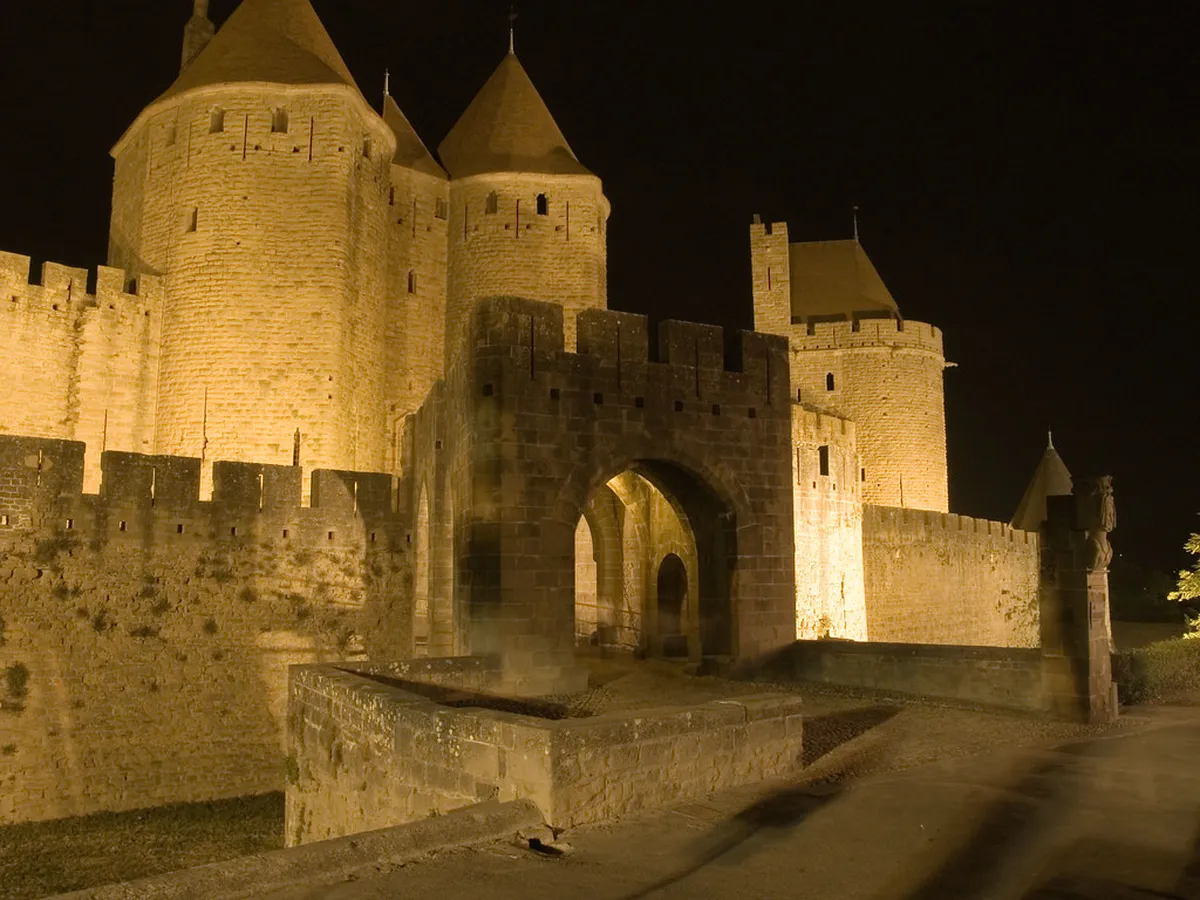
Walking through the Cité de Carcassonne feels like stepping directly into a vibrant medieval storybook. This UNESCO World Heritage walled city dominates the landscape with its massive double enclosure and fifty-two stone towers. Exploring the cobblestone streets offers a deep dive into centuries of French history and military architecture. You will find that every corner of this fortress reveals a new secret about its legendary past.
A walking tour of the Cité de Carcassonne is the best way to experience the scale of this ancient stronghold. The fortress has protected the Aude Valley since the Roman era and remains one of Europe's most complete medieval sites. Visitors often marvel at the complex defensive systems that once repelled powerful armies and legendary crusaders. Understanding the layout of the walls helps you appreciate the strategic genius of the medieval engineers.
This guide provides everything you need to plan a perfect visit to the historic citadel in 2026. We cover the best walking routes, ticketing logistics for the castle, and essential tips for avoiding the largest crowds. Whether you are a solo history buff or a family with young children, these insights will enhance your journey. Prepare to discover the hidden stories behind the stones as you traverse this magnificent French landmark.
Essential Stops on a Carcassonne Walking Tour
Turn this guide into a personal route with our free Carcassonne itinerary planner.
Your walking tour of the Cité de Carcassonne should begin at the impressive Porte Narbonnaise, the city's main eastern entrance. Two massive spur towers flank this gateway, which was built during the late thirteenth century to withstand heavy sieges. Look closely at the defensive features like the double portcullis and the strategic murder holes above the passage.
Just inside the gates, you will find a stone bust of Dame Carcas, the legendary figure who saved the city. Legend says she outsmarted Charlemagne's army by throwing a well-fed pig over the walls to prove they had food. This clever trick supposedly led the frustrated soldiers to retreat, giving the city its famous name.
Continue your stroll toward the Basilique Saint-Nazaire to witness a stunning blend of Romanesque and Gothic architectural styles. The church features some of the most beautiful stained-glass windows in southern France, dating back to the thirteenth century. Entry to the basilica is generally free, though you should remain quiet as it remains an active place of worship.
- Porte Narbonnaise Entrance
- Type: Main gate
- Feature: Double portcullis
- Era: 13th century
- Detail: Massive spur towers
- Basilique Saint-Nazaire
- Type: Historic church
- Style: Gothic-Romanesque
- Highlight: Stained glass
- Cost: Free entry
- The Great Well
- Type: Medieval well
- Depth: 40 meters
- Era: 14th century
- Purpose: Siege survival
Guided vs. Self-Guided: Choosing Your Experience
Deciding between a guided discovery tour and a self-guided walk depends on how much historical detail you want to absorb. Official conference tours usually last about ninety minutes and provide deep insights into the Cathar Crusade and the Trencavel family. These tours cost approximately €13 per person and include access to areas usually closed to the general public.
Travelers on a tighter budget can opt for a self-guided experience by using the official audioguide for about €3. This allows you to explore at your own pace while still learning about the fifty-two towers and double enclosure. You can find more details on expenses in our Carcassonne day trip budget and costs guide.
Private guides offer a more personalized two-hour experience that can be tailored to your specific interests in medieval warfare. These tours often start at the Porte Narbonnaise and cover the hidden corners of the inner and outer ramparts. Expect to pay between €150 and €200 for a private group session with a certified local expert.
If you prefer total freedom, simply wandering the streets for free is a wonderful way to soak in the atmosphere. You can access the main village area without a ticket, though the castle and upper ramparts require a paid entry. Consult our travel blog for more tips on navigating French heritage sites effectively.
Navigating the Ramparts and Château Comtal
The Château Comtal serves as the defensive heart of the fortress and requires a separate ticket for entry. This twelfth-century castle was the former residence of the powerful Trencavel Viscounts before the French crown took control. Visitors can walk through the keep and explore the various archaeological exhibits housed within the historic stone walls.
Purchasing Château Comtal and Ramparts tickets in advance is the best way to skip the long lines. The ticket includes access to the northern and western ramparts, offering breathtaking views of the Aude Valley and the Pyrenees. Check our guide on how to visit Château Comtal and the Ramparts for the best route advice.
Walking along the wooden hoardings provides a unique perspective on how medieval defenders protected the walls from attackers. These reconstructed galleries allow you to see the strategic layout of the double walls and the space between them. Notice the difference between the Roman foundations and the later medieval additions as you traverse the stone walkways.
The ramparts are open daily from 10:00 AM, but closing times vary depending on the season and local events. During the summer months, you might even catch a glimpse of the Carcassonne Festival preparations from the high vantage points. Always verify current hours on the official website before you begin your morning climb.
Stages of the Cité de Carcassonne Tourist Circuit
A logical walking loop begins at the Porte Narbonnaise and leads you through the bustling Rue Cross-Mayrevieille. This narrow street is lined with artisan shops and cafes, though it can become quite crowded by late morning. Try to walk this section early to appreciate the architecture of the timber-framed houses without the heavy foot traffic.
From the main street, head toward the Place du Château to admire the exterior of the Count's Castle. This open square provides a great spot to pause and orient yourself before choosing which wall section to explore first. Many visitors enjoy the contrast between the sunny plaza and the cool, shaded alleys that branch off nearby.
Exit the Cité through the Porte d'Aude on the western side for a dramatically different view of the fortifications. This steep gateway was designed to be easily defended and offers a rugged path down toward the lower town. The descent provides excellent angles for photographing the massive stone bastions against the backdrop of the Aude River.
Following this circuit ensures you see the major landmarks while experiencing the different atmospheres of the upper and lower fortifications. If you have more time, consider following our 1-day itinerary in Carcassonne to maximize your visit. This route balances the popular tourist spots with quieter residential corners of the medieval village.
Practical Planning: Maps, Parking, and Timing
Effective planning is the key to enjoying a stress-free visit to this popular UNESCO World Heritage site. Arriving at the gates by 9:00 AM allows you to beat the largest crowds and find better parking spots. The morning light also provides the best conditions for capturing the golden hue of the ancient sandstone walls.
Finding a place for your car is much easier when you know which lots offer the best access. The Place du Prado Parking is a reliable choice located just a five-minute walk from the main entrance. For a full comparison of rates, read our parking in Carcassonne guide before you arrive.
Wear sturdy walking shoes with good grip, as the medieval cobblestones are famously uneven and can be slippery when wet. Most visitors spend at least three to four hours exploring the various levels and museums within the walls. Carrying a refillable water bottle is also a smart move, especially during the warm summer months in Languedoc.
Checking the weather forecast on Météo-France can help you decide which day is best for your outdoor walking tour. High winds can sometimes lead to the temporary closure of certain rampart sections for safety reasons. Planning around the weather ensures you get the most out of the panoramic views from the towers.
Beyond the Walls: The Old Bridge and Nearby Gems
Some of the most iconic views of the fortress are actually found outside the medieval walls. Walk down the hill from the Porte d'Aude to reach the historic Pont Vieux, or Old Bridge, which spans the Aude River. This fourteenth-century stone bridge provides a perfect vantage point for photographing the entire silhouette of the Cité.
The walk between the medieval city and the Bastide Saint-Louis takes about fifteen to twenty minutes at a leisurely pace. Crossing the bridge connects you to the lower town, where you can find local markets and more affordable dining options. Many travelers overlook this connection, but it offers a more complete picture of the city's urban development.
Spending a full weekend in the area allows you to explore these peripheral gems without feeling rushed. Our 2-day Carcassonne itinerary includes time for both the fortress and the charming streets of the lower town. You will find that the contrast between the medieval heights and the riverside paths is quite refreshing.
Family-Friendly Activities and the Games Book
Traveling with children requires a bit of extra planning to keep them engaged with the long history of the fortress. Stop by the official ticket office to pick up the "Games Book," which is designed for kids aged eight to ten. This activity book costs only €2 and turns the walking tour into a fun scavenger hunt through the towers.
Younger explorers might also enjoy a visit to the Maison Hantée, or Haunted House, located within the medieval streets. This attraction provides a lighthearted break from historical facts and offers a bit of spooky fun for the whole family. Be sure to check the age recommendations, as some parts might be a bit intense for very small children.
Navigating the Cité with a stroller can be difficult due to the steep inclines and very rough cobblestone paths. Consider using a baby carrier instead to make moving through the narrow alleys and climbing the ramparts much easier. Many parents find that the extra mobility allows them to see more of the castle without struggling with wheels.
Taking frequent breaks at the various ice cream shops and shaded squares can help keep energy levels high for everyone. Several small parks near the walls provide space for kids to run around while parents enjoy the view. A well-paced visit ensures that the whole family leaves with happy memories of their medieval adventure.
History and the Cathar Legacy
The history of Carcassonne is deeply tied to the tragic events of the Cathar Crusade in the early thirteenth century. Simon de Montfort led the siege against the city in 1209, eventually forcing the Trencavel family to surrender their stronghold. This period marked a major shift in power as the region was brought under the direct control of the French king.
Much of what you see today is the result of a massive restoration project led by the architect Viollet-le-Duc. During the nineteenth century, he saved the fortress from demolition and reconstructed the iconic pointed slate roofs on the towers. While some historians debate his creative choices, his work undoubtedly preserved the site for future generations to enjoy.
You can learn more about the ancient origins of the site at the Carcassonne Tourism Office history page. The foundations of the inner walls actually date back to the Gallo-Roman period, showing nearly two thousand years of continuous fortification. This layering of Roman, Visigothic, and medieval stonework makes the Cité a unique architectural museum.
Where to Stay and Eat During Your Visit
No visit to this region is complete without tasting a traditional Languedoc cassoulet in one of the local restaurants. This hearty slow-cooked stew features white beans, duck confit, and flavorful pork sausage. Look for establishments that display the "Académie du Cassoulet" seal to ensure you are getting an authentic regional recipe.
Choosing where to stay can significantly impact your experience of the medieval city after the day-trippers leave. Staying at a hotel within the walls allows you to enjoy the quiet, illuminated streets late at night or early in the morning. If you prefer a more modern setting, the Bastide Saint-Louis offers many boutique options within walking distance of the gates.
Planning your visit during the shoulder season can help you find better rates on both food and accommodation. Check our best time to visit Carcassonne guide to see how prices fluctuate throughout the year. Spring and autumn often provide the perfect balance of pleasant weather and more reasonable travel costs.
Make sure to book your dinner reservations in advance, especially if you want a table with a view of the ramparts. Many popular spots fill up quickly during the peak summer months when the city is at its busiest. A little bit of foresight ensures you can relax and enjoy the local flavors after a long day of walking.
Frequently Asked Questions
How long does it take to walk around the Cité de Carcassonne?
A comprehensive walking tour usually takes between three and four hours to complete. This timeframe allows you to explore the main streets, visit the Basilique Saint-Nazaire, and walk the ramparts. If you include a full tour of the Count's Castle, plan for at least five hours.
Can you visit the Cité de Carcassonne for free?
Yes, you can enter the main medieval village and walk through the historic streets without paying an entry fee. However, access to the upper ramparts and the interior of the Château Comtal requires a paid ticket. Many visitors enjoy the free areas while focusing their budget on specific museums.
What is the best entrance for a walking tour?
The Porte Narbonnaise is the best starting point for most walking tours of the fortress. It serves as the primary gateway and provides immediate access to the main tourist circuit and ticket offices. This entrance also offers the most impressive first impression of the massive defensive towers.
Is the walking tour of the ramparts included in the castle ticket?
Yes, your ticket for the Château Comtal typically includes access to the northern and western sections of the ramparts. This allows you to walk along the high walls and enjoy panoramic views of the surrounding countryside. Be sure to keep your ticket handy as you move between different wall sections.
Where is the best place to park for a walking tour?
The Place du Prado parking lot is widely considered the most convenient option for visitors arriving by car. It is located just a short walk from the Porte Narbonnaise and offers reasonable rates for long-term stays. Arrive early in the morning to secure a spot during the busy summer season.
A walking tour of the Cité de Carcassonne offers an unforgettable journey through the heart of French medieval history. From the towering walls of the Château Comtal to the quiet beauty of the Basilique Saint-Nazaire, every step reveals something new. This fortress remains one of the most impressive examples of military architecture in the world today.
Whether you choose a guided tour or explore on your own, the magic of the Cité is sure to leave a lasting impression. Plan your visit carefully to make the most of the history, culture, and stunning views this UNESCO site provides. We hope this guide helps you navigate the ancient streets with confidence and curiosity during your next French adventure.