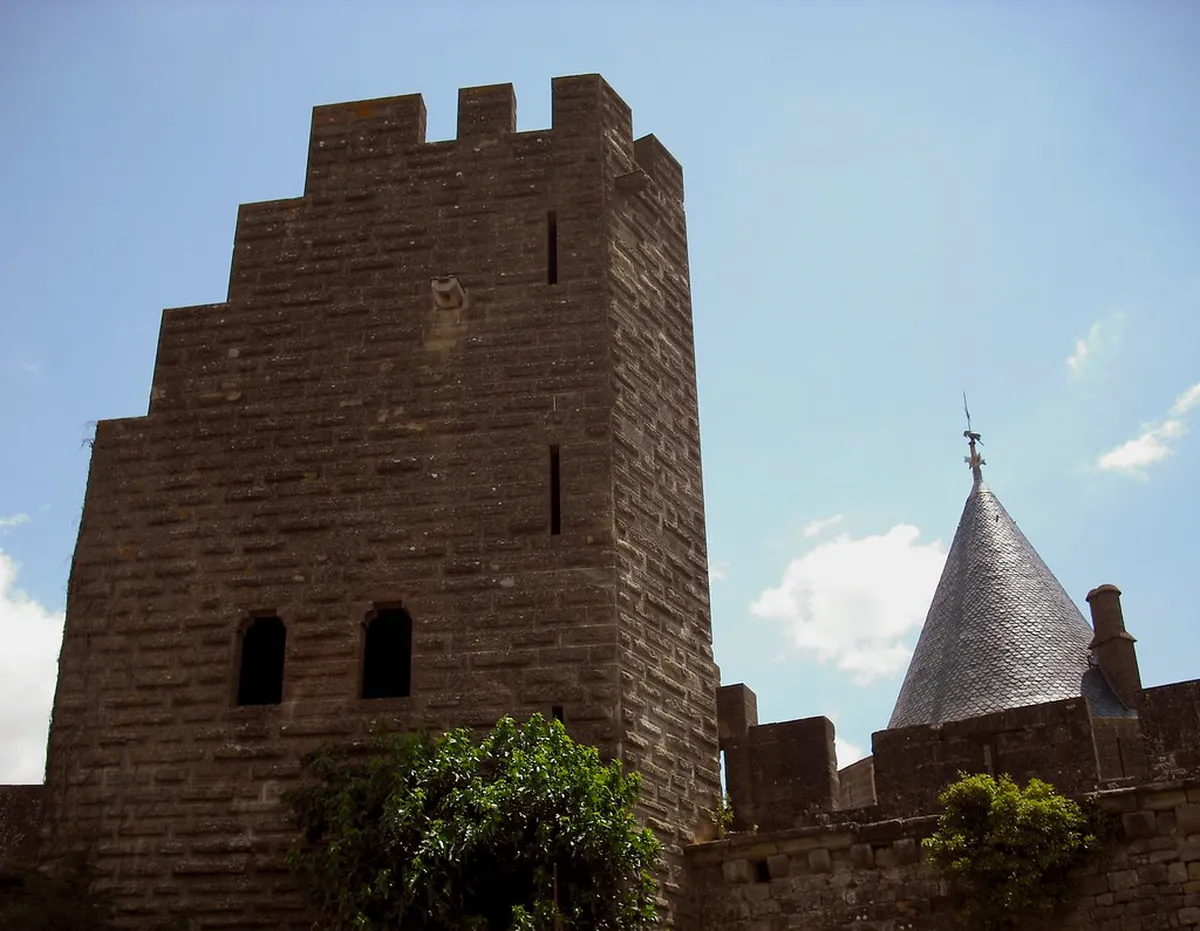
The medieval Cité of Carcassonne stands as a crown jewel of southern France. Exploring Château Comtal and the high ramparts provides a glimpse into centuries of history. This guide covers route choices, museum highlights, and the best photography spots on the walls. Use it to plan a smoother visit to this UNESCO World Heritage site.
Must-See Château Comtal Attractions
The Château Comtal serves as the ultimate fortress within the city walls. Walk through the Courtyard of the Counts to see the original stone masonry from the 12th century. Look up at the wooden hoardings that project from the top of the castle walls. These defensive structures allowed medieval soldiers to drop heavy stones on attackers below.
The Great Keep remains the tallest point of the inner castle and offers commanding views. Visitors can see the massive stone towers that once housed the noble Trencavel family. Each room inside the castle reveals different architectural styles from various historical eras. Take time to examine the barbicans that protected the main entrance from invaders.
The inner courtyards provide a quiet space to admire the scale of the fortifications. You will find detailed information boards explaining the purpose of each defensive feature. Walking through the narrow passages helps you understand the tactical layout of the fortress. Plan to spend at least one hour exploring these central castle highlights.
Museums, Art, and Culture in Château Comtal
Inside the castle, the Lapidary Museum houses a vast collection of medieval sculptures. You can view intricate stone carvings and ancient sarcophagi from the surrounding region. The exhibits showcase the religious and artistic life of the Languedoc area. Most artifacts date back to the Gallo-Roman and medieval periods of the city.
Do not miss the 12-minute 3D immersive film that explains the castle's construction. This video provides a clear visual timeline of how the fortress evolved over time. Check the Official Remparts de Carcassonne (CMN) for daily screening times. The film is usually available in several languages for international visitors.
The museum sections are well-lit and provide plenty of context for the stone ruins. Art lovers will appreciate the preserved frescoes found in the private castle chapel. These paintings offer a rare look at the decorative tastes of the medieval nobility. Each gallery leads naturally into the next part of the castle circuit.
Parks, Gardens, and Outdoor Spots in Château Comtal
The rampart walkway is divided into two main circuits for visitors to explore. The North Rampart offers panoramic views of the Bastide Saint-Louis and the Narbonne Gate. Choosing the West Rampart provides clear sights of the Aude valley and the Pyrenees mountains. Both paths allow you to walk atop the massive double walls of the city.
Consider following a 2 day Carcassonne itinerary to see both sections at a relaxed pace. These outdoor paths are perfect for capturing the scale of the double fortifications. Photographers should wait for natural lulls in foot traffic to avoid motion blur on the walkways. The golden hour before sunset provides the best lighting for the weathered stone walls.
Spring and fall offer the most comfortable temperatures for walking the exposed ramparts. The views change with the seasons, from snow-capped mountains to lush green vineyards. Wear comfortable walking shoes as the stone steps can be uneven and steep. Accessing these high paths is the highlight of any visit to the medieval city.
Family, Accessibility, and Budget Notes
🌟 Local Expert Tip: Get the most out of your Carcassonne visit with guided tours!
Families can request a "Games book" to keep younger children engaged during the tour. This interactive guide turns the historical visit into a fun scavenger hunt for kids. It helps children learn about knights and castle life through simple puzzles and tasks. Most families find this resource makes the visit much more enjoyable for everyone.
Budget-conscious travelers should review the current entry rules before they arrive. Age-based discounts, accessibility concessions, and special free-entry days can change over time, so bring ID and confirm the latest conditions on the official site. Reviewing Carcassonne day trip budget and costs also helps when planning your day.
The ramparts include uneven steps, narrow walkways, and exposed sections in full sun. If anyone in your group has mobility concerns, build in extra time and check accessibility details before booking. Online booking is still the safest way to reduce waiting time at the entrance during busy periods.
How to Plan a Smooth Château Comtal Visit
🌟 Local Expert Tip: Get the most out of your Carcassonne visit with guided tours!
Arriving early in the morning helps you avoid the largest crowds at the entrance. Most visitors cluster around the Narbonne Gate during the middle of the day. Use the P0 or P1 car parks for the shortest walk to the medieval gates. Consult this parking in Carcassonne guide to compare the main lots before you arrive.
Official rates, time slots, and current access conditions are listed on the Official Carcassonne Parking Portal and the monument website. Plan for a total visit time of two to three hours for the full experience. That gives you enough time for the museum spaces, the film, and both rampart circuits without rushing.
- Self-Guided Entry
- Price: Check the official monument site
- Duration: 60 to 90 minutes
- Best for: Independent explorers
- Access: Standard castle and rampart circuit
- Guided Visit or Audio Guide
- Price: Check current add-on fees
- Duration: About 90 minutes
- Best for: More historical context
- Access: Commentary on the route and restoration history
- Longer Planning Option
- Price: Varies by season and tour type
- Duration: Up to 3 hours
- Best for: Travelers combining the museum, film, and both wall sections
- Access: Best when booked in advance
Best Time of Day for Your Visit
The quietest time to enter is usually within the first hour after opening. Early visits give you cooler temperatures, shorter queues, and better photo conditions on the exposed walls. Late afternoon can also be rewarding if you prefer softer light over the Aude valley and Bastide rooftops.
Midday is the hardest time for both crowds and heat, especially from late spring through early autumn. If you cannot avoid the busiest hours, start inside the museum rooms and save the upper walkways for later in the day. This simple shift makes the visit much more comfortable.
What to Pair with the Castle Visit
Beyond the castle, the Aude region offers many other medieval stops worth adding to the same day. A walk through the lower Bastide Saint-Louis gives you a contrast between fortress life and the city's later urban expansion. Crossing the Pont Vieux after your visit is also one of the best ways to see the walls from below.
If you are staying overnight, book a room close enough to return to the Cité after day-trippers leave. Checking the best time to visit Carcassonne can also help you pick a quieter season for a second rampart walk in softer light. Many guesthouses in the Bastide and Rue Trivalle area make a good base for that plan.
Sustainable Tourism at Château Comtal
The management team focuses on preserving the delicate stone structures for future generations. Visitors are encouraged to stay on marked paths to prevent erosion of the ancient masonry. Using public transport like the train reduces the environmental impact of your visit. Check SNCF Connect for train schedules from nearby cities like Toulouse.
Eco-friendly travelers can also use the local bike-sharing system to reach the medieval city. Walking from the train station through the Bastide Saint-Louis is a scenic and sustainable choice. Supporting local artisans inside the Cité helps maintain the traditional economy of the region. Small choices by every visitor help protect this world heritage site for the future.
Visit to the Comtal Castle and ramparts of the Cité de Carcassonne
🌟 Local Expert Tip: Get the most out of your Carcassonne visit with guided tours!
Understanding the layout of the double walls is key to a successful visit. The outer lices are free to walk and sit between the two main defensive walls. Accessing the high inner ramparts requires a paid ticket from the castle entrance. A 1 day itinerary in Carcassonne usually prioritizes this paid section.
Locate the entrance easily using Google Maps: Château Comtal Location on your phone. The main ticket office is situated right next to the castle bridge. Staff members are available to help you choose the best tour for your interests. Keep your ticket handy as you will need to scan it at various checkpoints.
The flow of the visit generally moves from the castle interior to the walls. Most people start with the film and museum before heading up to the ramparts. This logical sequence helps you appreciate the history before seeing the physical defenses. Follow the arrow signs to ensure you do not miss any important sections.
A fortress within a fortress: The Trencavel Legacy
The Trencavel family built the core of the castle during the 12th century. They served as the powerful Viscounts of Carcassonne before the Albigensian Crusade. Their influence shaped the early medieval architecture that visitors see today. The castle was later seized by the French crown and heavily fortified.
The famous architect Viollet-le-Duc restored the walls during the 19th century. His work saved the monument but sparked controversy over the accuracy of the pointed roofs. Modern historians still debate whether the slate tiles reflect the original medieval style. Regardless of the debate, his efforts turned the ruins back into a majestic landmark.
Learning about this restoration adds intellectual depth to your walk along the ramparts. You can see the difference between the original Gallo-Roman foundations and the medieval additions. The layers of stone tell a story of constant change and defensive evolution. This historical complexity is what makes Carcassonne a unique destination in Europe.
Frequently Asked Questions
Which Château Comtal ticket options fit first-time visitors?
First-time visitors should choose the standard self-guided ticket for flexibility. It includes access to the castle, the Lapidary Museum, and the high ramparts. For more depth, the guided discovery tour provides expert context on the Trencavel family and the Viollet-le-Duc restoration. Check the Official Remparts site for current rates.
How much time should you plan for the full Rampart walk?
Plan for at least 90 minutes to walk both the North and West rampart circuits. This allows time for photography and reading the informational plaques. If you also visit the castle interior and watch the 3D film, budget three hours total. Arriving early helps you move through the narrow sections faster.
Can you walk the ramparts for free without a castle ticket?
You can walk the lower lices between the two walls for free at any time. However, accessing the high ramparts and the towers requires a paid ticket. The best views of the Aude valley and the Pyrenees are only available from the paid upper walkway. This ticket also includes the inner castle and museum.
Is the Château Comtal audioguide worth the extra cost?
The audioguide is highly recommended for visitors who prefer a self-paced but informative experience. It provides detailed stories about the siege of Carcassonne and specific architectural features. Most travelers find it adds significant value to the visit for a small additional fee. It is available in multiple languages at the entrance.
Visiting Château Comtal and the ramparts is a journey back into the medieval past. With proper planning, you can avoid the crowds and enjoy the stunning views in peace. The combination of history, architecture, and scenery makes this a must-see French destination. Start planning your trip today to experience the magic of the Cité de Carcassonne.


