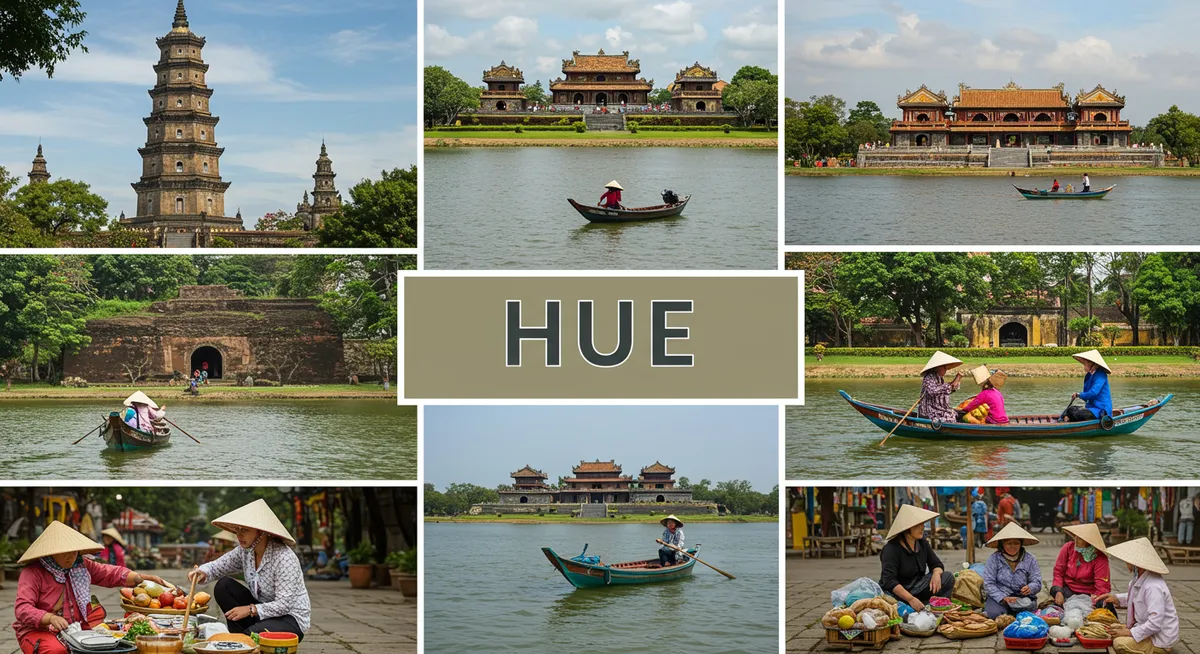
TL;DR: Hue is Vietnam's imperial heart, packed with UNESCO heritage, royal tombs, vibrant street food, and stunning river scenery. Spend two to three days exploring the Citadel, cruising the Perfume River, sampling bun bo Hue, and venturing to Bach Ma National Park. This 2026 guide covers every must-do experience plus practical tips for getting around, the best time to visit, and budget advice.
Hue sits along the banks of the Perfume River in central Vietnam, a city where centuries of imperial history blend with laid-back charm and world-class street food. As the former seat of the Nguyen Dynasty and home to a UNESCO World Heritage complex, it rewards travelers who slow down and look beyond the surface. Whether you are planning a quick stopover or a multi-day deep dive, these are the essential things to do in Hue Vietnam to make the most of your 2026 visit.
Explore the Imperial City and Citadel
Turn this guide into a personal route with our free Hue itinerary planner.
The Imperial City is the crown jewel of any Hue itinerary and the single most important of all things to do in Hue Vietnam. This massive walled complex, built in the early 19th century, served as the political, cultural, and religious hub of the Nguyen Dynasty for over 140 years. Inside its fortified walls you will find the Forbidden Purple City, ornate temples, ceremonial halls, and tranquil lotus ponds spread across more than 500 hectares. Designated a UNESCO World Heritage Site in 1993, the Citadel has undergone significant restoration work, and by 2026 several previously closed pavilions are open to visitors for the first time. Allow at least half a day to explore at a comfortable pace — mornings are cooler and less crowded. For a comprehensive walkthrough of each section, see our Hue Imperial City guide.
Visit the Royal Tombs
Scattered across the hills and countryside south of the city, the royal tombs of former Nguyen emperors are among the most evocative things to do in Hue Vietnam. Each mausoleum is a unique architectural masterpiece reflecting its ruler's personality and taste. The Tomb of Tu Duc is set within a serene pine forest with pavilions and lotus ponds, perfect for quiet reflection. The Tomb of Khai Dinh stands apart with its dramatic hilltop location and fusion of Vietnamese and French decorative elements — the mosaic interiors are breathtaking. The Tomb of Minh Mang feels like a classical Chinese landscape painting brought to life, with symmetrical courtyards, lakes, and gardens. Since the tombs are spread out, hiring a motorbike, renting a car, or joining a guided tour is the most efficient way to visit two or three in a single day. Plan your route with our day trips from Hue guide.
Cruise the Perfume River
A cruise along the Perfume River — named for the fragrant flowers that bloom along its banks each autumn — is one of the most iconic things to do in Hue Vietnam. Traditional dragon boats depart from the riverfront near the Citadel and glide past pagodas, villages, and lush greenery. Sunset cruises are especially popular, offering golden-hour views of Thien Mu Pagoda and the city skyline. Some evening cruises include traditional Hue court music performances on board, creating an atmospheric experience that connects you to the city's royal heritage. For a more personalized trip, negotiate directly with boat operators at the dock for a private charter — prices are reasonable, especially outside peak season. Many of our Hue itinerary options include this scenic river journey.
Savor Hue's Legendary Street Food
Hue is widely considered Vietnam's culinary capital, and tasting its food is one of the most rewarding things to do in Hue Vietnam. The city's cuisine reflects its royal heritage — dishes are refined, complex in flavor, and beautifully presented. Start with bun bo Hue, the iconic spicy beef noodle soup that originated here and rivals pho in popularity. Then work your way through banh beo (delicate steamed rice cakes topped with dried shrimp), banh khoai (crispy turmeric pancakes), com hen (clam rice), and nem lui (grilled pork skewers wrapped in rice paper). Dong Ba Market, Hue's oldest and largest market dating back to 1887, is a fantastic place to graze through stalls selling everything from fresh produce to ready-to-eat local specialties. For a guided deep dive into the food scene, check out our Hue street food tour guide.
Visit Thien Mu Pagoda
Perched on a hillside overlooking the Perfume River, Thien Mu Pagoda is the unofficial symbol of Hue and one of the most photographed landmarks in central Vietnam. The seven-story octagonal tower, built in 1844, rises above the surrounding gardens and offers panoramic river views. The pagoda grounds include a working Buddhist monastery, an ancient bell tower, and immaculately kept gardens filled with frangipani trees. Inside, you can see the famous Austin car that carried monk Thich Quang Duc to his historic self-immolation in Saigon in 1963 — a powerful reminder of Vietnam's turbulent modern history. Thien Mu is easily combined with a Perfume River cruise, as most boats make a stop here. Include it in your Hue 2-day itinerary for the full experience.
Hike Bach Ma National Park
For nature lovers, a day trip to Bach Ma National Park is one of the best outdoor things to do in Hue Vietnam. Located about 60 kilometers south of the city, this 220-square-kilometer park protects one of the most biodiverse stretches of tropical forest in Southeast Asia. Hiking trails wind through dense jungle to waterfalls, mountain pools, and crumbling French colonial villas perched at the summit. The five-tiered Do Quyen Waterfall and the panoramic viewpoint at Hai Vong Dai (1,450 meters elevation) are the top highlights. The park is significantly cooler than Hue itself, making it a refreshing escape during the warmer months. Arrange transport through your hotel or hire a motorbike — the winding mountain road is scenic but requires confidence on two wheels.
Experience Traditional Hue Court Music
Hue is the birthplace of Nha Nhac, Vietnamese court music that UNESCO recognized as an Intangible Cultural Heritage of Humanity in 2003. This refined art form was performed for royal ceremonies and banquets during the Nguyen Dynasty, and you can still hear it today in several settings around the city. The Duyet Thi Duong Royal Theater inside the Imperial City hosts regular performances that recreate the courtly atmosphere with traditional instruments and costumes. Evening Perfume River cruise boats also frequently feature live Nha Nhac sets. Attending a performance adds a memorable cultural layer to your visit and helps you understand why Hue is considered the soul of Vietnamese traditional arts.
Explore Tam Giang Lagoon at Sunrise
Tam Giang Lagoon, the largest lagoon in Southeast Asia, stretches along the coast northeast of Hue and offers one of the region's most serene experiences. Hop on a wooden boat at sunrise to glide through a maze of bamboo fishing stakes and nets as local fishermen haul in their morning catch. The soft light reflecting off the still water creates extraordinary photography opportunities. Nearby fishing villages welcome visitors and offer fresh seafood cooked right at the waterfront. This is an off-the-beaten-path gem that most tourists miss, making it one of the most authentic things to do in Hue Vietnam for travelers seeking something beyond the standard highlights.
Practical Tips for Visiting Hue in 2026
Getting around Hue is straightforward. The city center is compact enough to walk, and the area around the Citadel and riverfront is pleasant on foot. For reaching the royal tombs, Bach Ma National Park, or Tam Giang Lagoon, rent a motorbike, use ride-hailing apps like Grab, or hire a private driver for the day. Two to three full days is the sweet spot for covering the major sights without rushing. Budget travelers will find Hue very affordable — street food meals cost under $1 USD, and entrance fees to major sites range from 150,000 to 200,000 VND (about $6-8 USD). For accommodation recommendations, see our where to stay in Hue guide, and for money-saving strategies, consult our Hue budget travel tips. For getting between attractions efficiently, check our getting around Hue guide.
Frequently Asked Questions
What is the best time of year to visit Hue?
How many days do you need in Hue?
Is Hue worth visiting compared to Hoi An or Da Nang?
How do you get to Hue from Hanoi or Ho Chi Minh City?
What local dishes should you try in Hue?
Is Hue safe for solo travelers?
From its magnificent Imperial City and hauntingly beautiful royal tombs to the tranquil Perfume River and some of the best street food in all of Vietnam, the things to do in Hue Vietnam offer an unforgettable journey into the heart of Vietnamese history and culture. Whether you are drawn by imperial heritage, culinary adventure, or natural beauty, Hue delivers a travel experience unlike anywhere else in the country. Start planning your 2026 trip today and discover why this ancient capital continues to captivate every traveler who visits.