Stavanger, Norway, offers a rich tapestry of architectural styles. The city's buildings tell a fascinating story. You will discover centuries of design evolution here. This guide explores the diverse Stavanger architectural styles you can find in 2026. Prepare for an unforgettable journey through history and innovation. Our comprehensive Stavanger architecture itinerary helps you plan your visit.
Old Stavanger: Charming Wooden Houses
Turn this guide into a personal route with our free Stavanger itinerary planner.
Old Stavanger, or Gamle Stavanger, is a true gem. This historic district features beautifully preserved wooden houses. Most were built in the late 18th and early 19th centuries. They showcase a simple, functional architectural style.
These Stavanger wooden houses are predominantly white. This tradition began to save paint after fires. Visitors can wander narrow cobblestone streets. It feels like stepping back in time to a different era. This area is a must-see for history lovers.
Beyond Gamle Stavanger, you will find other charming areas. The lively Fargegaten, or Color Street, presents a vibrant contrast. Here, houses are painted in bright, cheerful hues. It is a fantastic spot for photos and enjoying local cafes. This unique street revitalized a historic area.
Preserving these buildings is a priority for the city. Many homes are still privately owned residences. Respecting local residents is important when visiting. This commitment to heritage keeps Old Stavanger unique. Explore more about Old Stavanger architecture during your trip.
Stavanger Cathedral: A Medieval Masterpiece
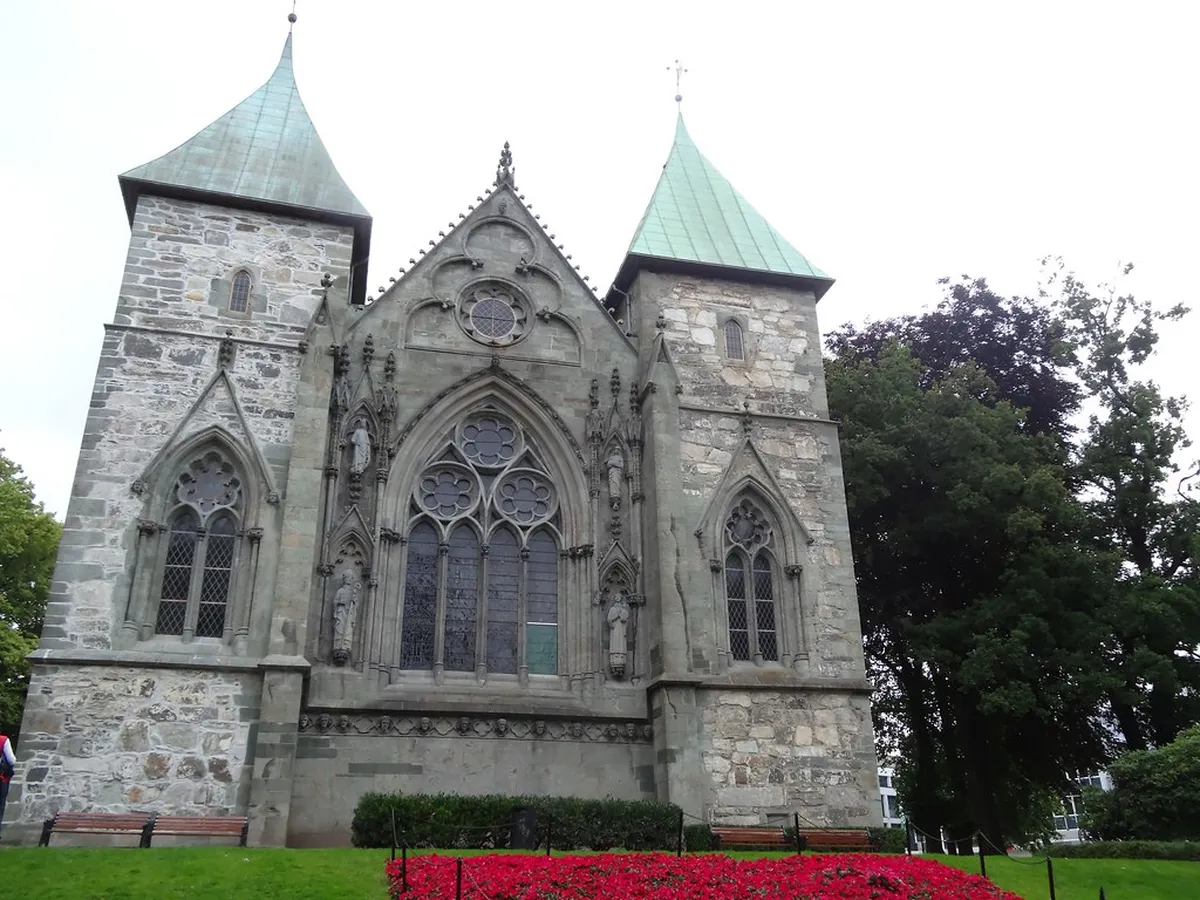
Stavanger Cathedral stands as the city's oldest building. Its construction began around 1100 A.D. This makes it a significant example of medieval architecture. It originally featured Romanesque architectural styles.
Later additions introduced Gothic elements. The choir was rebuilt in the Gothic style after a fire in 1272. You can observe the blend of these distinct periods. The interior boasts intricate wood carvings and stained glass. This demonstrates centuries of craftsmanship and artistry.
Ongoing restoration projects ensure its preservation for future generations. These efforts maintain its structural integrity and beauty. Visiting the cathedral offers insight into Norway's early religious history. Learn more about the Stavanger Cathedral architecture. Discover how the city protects its historical buildings.
Entry fees are typically modest, often around 50-70 NOK in 2026. Check official websites for current opening hours. It is usually open daily, but schedules vary. Allow ample time to appreciate its historical significance.
Art Nouveau & Early Modern Influences
The late 19th and early 20th centuries brought new trends. Stavanger saw the emergence of Art Nouveau architecture. These buildings feature flowing lines and decorative facades. They often include floral motifs and organic shapes.
Many examples are found in the city center. Look for ornate details around windows and doorways. These buildings add an elegant flair to the urban landscape. They represent a period of growth and prosperity. This style contrasts sharply with the older wooden structures.
As the 20th century progressed, simpler designs appeared. Early modern influences emphasized functionality and clean lines. These buildings often used brick and concrete. This marked a shift from earlier decorative styles. Explore more about Stavanger's Art Nouveau buildings during your visit. You can also notice other traditional facades from this era.
You can identify these buildings on streets like Kirkegata or Nygata. Take time to observe the details. Each building tells a part of the city's story. These styles shaped the downtown area's character.
Modern & Sustainable Stavanger Architecture
Stavanger continues to evolve with cutting-edge designs. Contemporary architects focus on sustainability and innovation. Glass, steel, and eco-friendly materials are common. These modern Stavanger buildings often blend with the natural environment.
The city's waterfront development showcases this evolution. New residential and commercial spaces line the harbor. These projects create vibrant public areas. They offer impressive views of the fjord and city. This commitment to urban planning is visible.
The University of Stavanger features remarkable new buildings. Their designs emphasize functionality and aesthetics. The campus integrates green spaces and modern facilities. Discover more about Stavanger University buildings. The city actively promotes sustainable architecture practices.
The Norwegian Petroleum Museum is another prime example. Its unique design reflects the region's oil history. The structure itself is a modern marvel. It stands out prominently along the harbor. Consider visiting for a look at functional modern design.
Industrial Heritage and Urban Transformation
Stavanger's rich industrial heritage also influences its architecture. The city was once a major canning hub. Old factory buildings have found new lives. Many have been converted into apartments or offices. This adaptive reuse is a key trend.
The city has embraced its past while looking forward. Former industrial sites contribute to urban development. They provide unique spaces with historical character. This blends the old and new seamlessly. Learn about industrial heritage in Stavanger. Some former factories now house museums or cultural centers.
The Norwegian Petroleum Museum, mentioned earlier, highlights this. It connects Stavanger's past and present industries. Its building reflects modern industrial aesthetics. The museum itself is a fascinating structure. Explore the Stavanger museum architecture for insights.
Stavanger's waterfront areas show significant transformation. Old warehouses have become trendy eateries and shops. This revitalization enhances the city's appeal. It offers a unique urban experience. The city successfully repurposed many buildings.
Frequently Asked Questions
What defines Old Stavanger's architectural style?
Old Stavanger features well-preserved 18th and 19th-century wooden houses. They are primarily white with simple, functional designs. This style reflects traditional Norwegian building methods. It prioritizes practicality and charm. You can explore these on Stavanger walking tours. These tours offer unique insights.
Are there modern examples of Stavanger architectural styles?
Yes, Stavanger boasts many impressive modern buildings. These include sustainable designs and waterfront developments. The University of Stavanger and the Petroleum Museum are prime examples. Architects use glass, steel, and eco-friendly materials. These new structures blend innovation with urban functionality. They represent the city's commitment to the future.
How can I best explore Stavanger's buildings?
Walking is the best way to experience Stavanger's architecture. The city center is compact and walkable. Consider a guided tour for deeper insights. Many tours cover historical districts and modern areas. Our Stavanger architecture itinerary provides a great starting point. Don't forget your camera for best photo spots!
Stavanger offers a captivating journey through architectural history. From medieval churches to modern, sustainable designs, diversity abounds. Each building tells a unique part of the city's story. Plan your visit to explore these incredible Stavanger architectural styles. Discover the beauty of this Norwegian city. For more travel inspiration, visit our blog.
Key Takeaways
- Old Stavanger's white wooden houses offer a unique historical experience.
- The Stavanger Cathedral blends Romanesque and Gothic architectural styles.
- Modern buildings emphasize sustainability and innovative design.
- The city's industrial heritage is evident in repurposed urban spaces.
- Walking tours are ideal for exploring Stavanger's diverse architectural landscape.