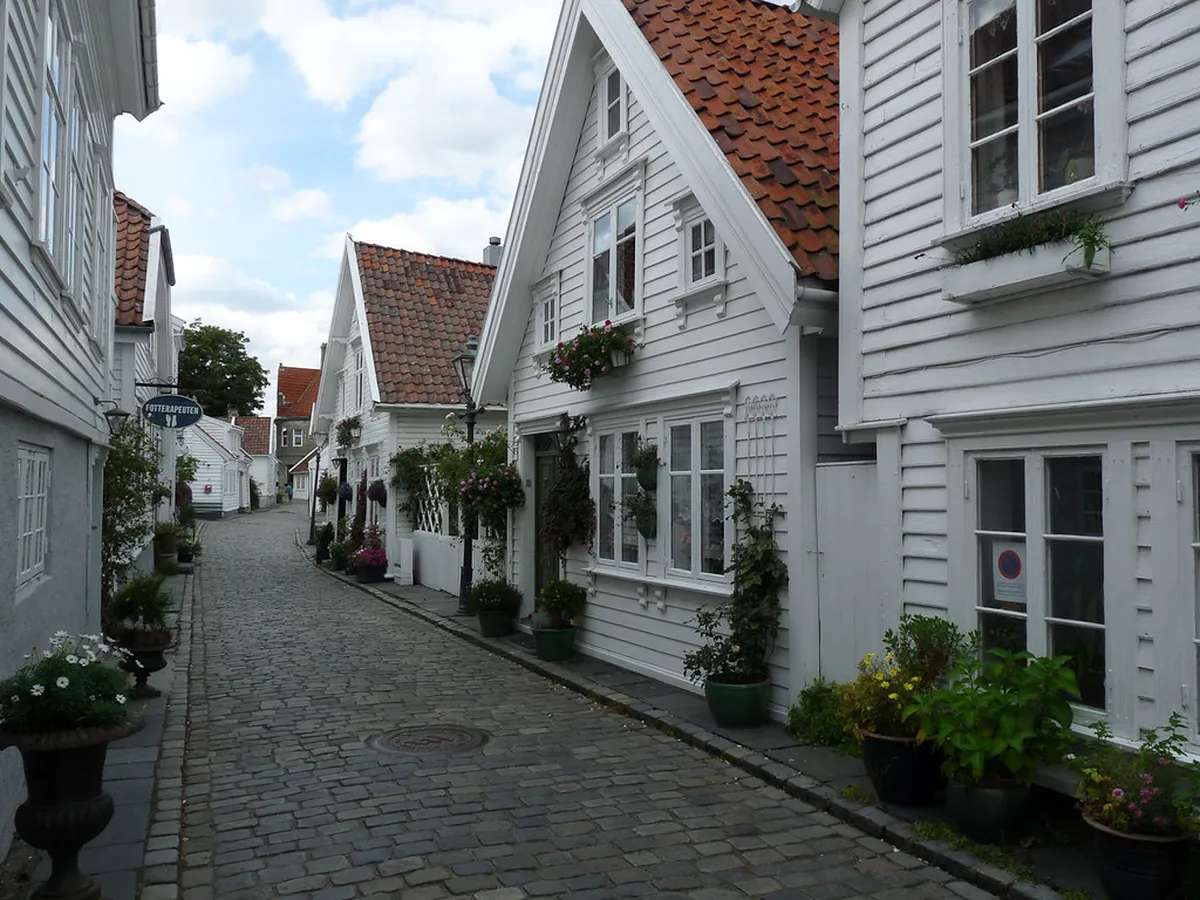
Old Stavanger architecture offers a charming glimpse into Norway's past. This historic district, known as Gamle Stavanger, features beautifully preserved wooden houses. Stroll through cobblestone streets and discover its unique appeal. Many homes date back to the 18th century. Planning your visit in 2026 promises an unforgettable experience.
Explore the rich history and beauty of Gamle Stavanger today. Discover more about Stavanger's architectural past. You can also find excellent tips for architecture walking tours.
Discovering Gamle Stavanger's Historic Charm
Turn this guide into a personal route with our free Stavanger itinerary planner.
Gamle Stavanger, or Old Stavanger, captivates visitors instantly. Its narrow, cobblestone streets wind between rows of pristine white wooden houses. Colorful flowers often adorn window boxes and gardens. This area provides a tranquil escape from the bustling city center.
Walking through Gamle Stavanger feels like stepping back in time. The air carries a sense of peace and history. You can almost hear the echoes of past residents. This unique atmosphere makes it a must-visit destination in 2026.
The district sits on the western side of Vågen harbor. It is easily accessible by foot from the city center. Allow at least one to two hours for a leisurely stroll. You will want time to soak in every detail.
Each house tells its own story through its intricate details. Observe the differing window designs and doorways. Notice the small, well-tended gardens everywhere. This careful preservation maintains the area's authentic character. Discover more about Gamle Stavanger's wooden houses history.
Visiting this area offers more than just sightseeing. It is an immersion into a living historical monument. Many residents still call these charming houses home. This makes the experience even more authentic. Learn about Stavanger's iconic wooden houses and their stories.
The Enduring Legacy of Stavanger's Wooden Houses
Stavanger's reliance on wooden architecture has deep roots. Wood was a plentiful and accessible building material locally. Many houses were rebuilt after significant fires in the 18th and 19th centuries. They replaced older structures with more standardized designs.
The distinctive white color became a tradition over time. White paint was often cheaper and reflected light well. It also symbolized cleanliness and prosperity for residents. This practice continues to define Gamle Stavanger today, preserving its unique look.
A crucial preservation effort began in the 1950s. City authorities debated demolishing the old district. Local activists and architects fought fiercely to save it. Their unwavering efforts ensured these historical buildings survived. Discover more about Stavanger's historical buildings protection.
Today, homeowners maintain strict guidelines for renovations. They must use traditional methods and specific materials. This ensures the architectural integrity remains intact. The characteristic traditional facades are a testament to this commitment. These materials include specific types of timber and paint styles.
These strict rules ensure the district's charm endures. Visitors in 2026 will see the same beauty. This careful stewardship passes history to future generations. The legacy of wooden architecture thrives here. It is a model for urban conservation.
Planning Your Perfect Old Stavanger Walking Tour
A self-guided walk offers the best way to experience Old Stavanger. Start your journey near the Norwegian Canning Museum. This location is within Gamle Stavanger itself. The museum offers insights into local history, costing around NOK 100 for adults.
Wander down Øvre Strandgate, one of the main streets. Explore its charming side alleys and hidden courtyards. Look for unique details like antique lampposts. Many small art galleries and craft shops are tucked away. These offer local souvenirs.
For stunning photographs, visit in the early morning or late afternoon. The softer light enhances the white houses' beauty. It also avoids larger tour groups during peak times. Capture the essence of this picturesque area perfectly. Find the best photo spots in Old Stavanger.
Consider combining your visit with other nearby attractions. Stavanger Cathedral is only a short walk away. This medieval stone church provides a striking contrast. Explore its rich history and intricate Stavanger Cathedral architecture. Its construction dates back to the 12th century.
Wear comfortable shoes for walking on cobblestones. The terrain can be uneven in places. Allow at least two hours to fully appreciate the area. You can get an excellent walking tour guide for Old Stavanger. This will enhance your exploration of Gamle Stavanger.
Beyond the White: Other Stavanger Architectural Gems
While Gamle Stavanger is iconic, other areas offer architectural interest. Fargegaten, or "The Colourful Street," presents a vibrant contrast. This street features brightly painted wooden buildings. It is a lively hub of cafes and boutiques, perfect for a break.
Stavanger's industrial heritage also showcases unique structures. The city's oil history led to distinct developments. Explore areas around the harbor for these elements. They reflect a different, yet significant, part of the city's growth. Discover more about Stavanger's industrial heritage.
The blend of old and new defines Stavanger's urban landscape. Modern buildings stand alongside historic ones seamlessly. This creates a dynamic and interesting environment. Visitors can observe centuries of design evolution. Look for these diverse styles during your 2026 visit.
For a different perspective, visit the waterfront development areas. These showcase contemporary Scandinavian design principles. Clean lines and functional spaces are common themes. They often integrate public art installations. The Stavanger waterfront development is a great example. These modern additions complement the historic core.
Don't miss the city's various museums and public buildings. They often feature compelling designs. From traditional to contemporary, Stavanger truly offers it all. Each structure tells a piece of the city's fascinating story. Explore the wider context of Stavanger architectural styles.
Preservation Efforts and Future of Old Stavanger
The preservation of Old Stavanger is a remarkable success story. It stands as a testament to community dedication. Local residents actively participate in maintaining its charm. Their commitment ensures the area remains pristine for 2026 visitors.
Strict architectural guidelines protect the wooden houses. These rules cover everything from paint colors to window styles. Renovation projects must adhere to these historical standards. This approach prevents inappropriate modernization. The goal is to retain authentic character.
Organizations like the Stavanger Heritage Foundation play a vital role. They provide resources and guidance to homeowners. Their work supports the careful restoration of properties. This ensures the district's long-term survival. Learn more about Stavanger's historical buildings protection policies.
Looking ahead, Old Stavanger serves as an inspiration. It shows how cities can honor their past. Balancing tourism with local living is a key focus. Sustainable practices guide future development decisions. Explore how Stavanger embraces sustainable architecture.
Visitors can support these efforts by respecting the area. Stay on designated paths and avoid littering. Appreciate the beauty without disturbing residents. Your thoughtful visit helps preserve this special place. It contributes to its ongoing legacy.
Frequently Asked Questions
What is the best time to visit Old Stavanger in 2026?
Spring (April-May) and early autumn (September-October) are ideal. The weather is mild and pleasant during these months. Crowds are also typically smaller than in summer. You can enjoy the charm without heavy tourism. These conditions are perfect for finding best Stavanger photo spots.
Are the houses in Gamle Stavanger residential?
Yes, most houses in Gamle Stavanger are private residences. Some are home to small shops or museums. Respect residents' privacy when exploring the area. It is a living, breathing community. Learn about Gamle Stavanger's wooden houses history.
What makes Old Stavanger architecture unique?
Its unique character comes from uniformly white wooden houses. They are incredibly well-preserved. The narrow cobblestone streets add to the historic feel. This creates a distinctive and picturesque environment. Discover other Stavanger architectural styles.
Is there an entrance fee for Gamle Stavanger?
No, there is no entrance fee to walk around Gamle Stavanger. It is a public district open to all visitors. You only pay if you enter specific museums or shops. Enjoy this beautiful area freely in 2026.
Old Stavanger architecture offers a truly captivating journey through history. Its pristine white wooden houses create an unforgettable scene. This unique district showcases Norway's rich architectural heritage. Plan your visit to this charming Norwegian treasure in 2026.
Experience the historical beauty and peaceful atmosphere. We encourage you to explore every cobblestone street. Start planning your Stavanger architecture itinerary today. This will be a highlight of your trip.
Key Takeaways
- Wander Gamle Stavanger's cobblestone streets for historic charm.
- Admire the unique, well-preserved white wooden houses from the 18th century.
- Plan your visit during spring or fall for mild weather and fewer crowds in 2026.