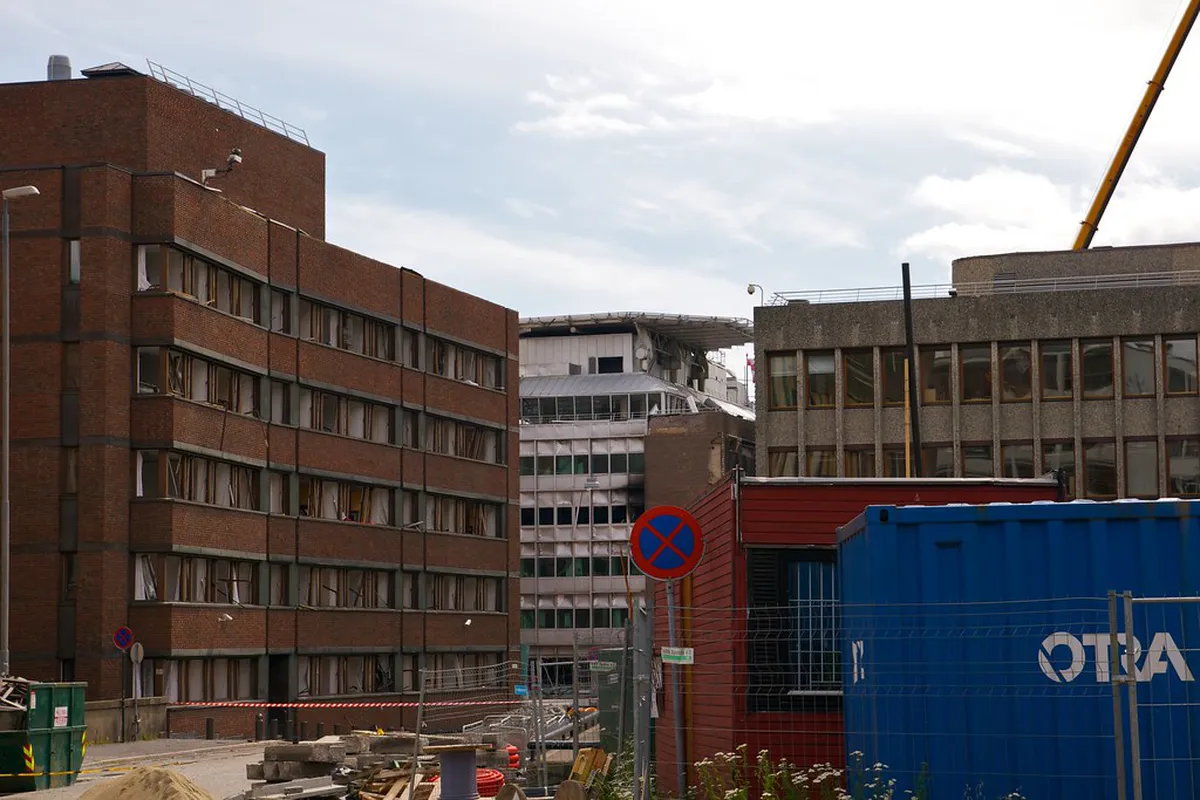
Oslo’s Government Quarter, or Regjeringskvartalet, is undergoing a major transformation. This ambitious project reshapes the heart of Norway’s capital. The Oslo Regjeringskvartalet development blends history with modern design. It creates a secure and open public space for all. Learn about its journey and what to expect.
This guide explores the past, present, and future vision. It highlights the architecture and public accessibility. Prepare to understand this significant urban renewal. Explore more about the Government Quarter Oslo's history.
The Historical Heart of Norway's Governance
Turn this guide into a personal route with our free Oslo itinerary planner.
Norway’s Government Quarter held immense historical significance. It served as the central hub for national administration. Key ministries and offices were located here. These buildings embodied the nation’s democratic spirit.
Before 2011, the area featured distinct architectural styles. Some buildings dated back to the early 20th century. Others showcased post-war modernist design. This mix reflected Oslo's rich architectural evolution. Many structures were beloved landmarks.
The quarter was a vibrant, accessible part of the city. Citizens could easily walk through its spaces. It represented an open, transparent government. Understanding its past context is crucial for its future. This legacy informs the current development plans.
Reconstruction After the 2011 Attack
The tragic events of July 22, 2011, devastated the Regjeringskvartalet. A terrorist bombing caused widespread destruction. Many buildings were severely damaged. The attack left an indelible mark on Norway.
The nation faced a critical decision: rebuild or relocate. The choice was made to reconstruct the Government Quarter. This decision symbolized resilience and continuity. It reaffirmed Oslo's role as the capital.
This reconstruction aims to create a safer environment. It also seeks to maintain public accessibility. The post-bombing reconstruction prioritizes both security and openness. This balance is central to the entire project.
Vision and Design of the New Regjeringskvartalet
The new Oslo Regjeringskvartalet development embraces a forward-looking vision. It plans for increased security measures. However, it also emphasizes urban integration. The goal is to create a vibrant, safe, and accessible area.
Architectural competitions guided the design process. Renowned firms contributed their expertise. The designs focus on sustainability and functionality. New public spaces are also being integrated. This includes plazas and green areas.
The project incorporates a blend of new construction and renovated buildings. Existing structures deemed safe are being preserved. This approach respects the quarter's heritage. It also introduces innovative contemporary architecture. Expect some buildings to be completed by 2026.
Sustainability is a core principle of the development. Energy efficiency and environmentally friendly materials are key. The project aims to be a model for urban renewal. It reflects Norway's commitment to green solutions. Learn more about Oslo's sustainable architecture.
Visiting the Reimagined Government Quarter in 2026
The Regjeringskvartalet will be a significant destination by 2026. While parts will still be under construction, some areas will be accessible. Visitors can observe the ongoing transformation firsthand. The new design emphasizes a more pedestrian-friendly environment.
Public art installations will enhance the area. These works often reflect Norwegian culture and values. The new public spaces will invite contemplation. You can easily include this area in an Oslo architecture itinerary. Plan for a morning or afternoon visit.
The development integrates seamlessly with surrounding areas. It connects to Karl Johans gate and other city landmarks. Consider a guided architectural walking tour. This offers deeper insights into the complex project. Check official sources for the latest access information before your trip.
Frequently Asked Questions
Will the Oslo Regjeringskvartalet development be fully open to the public by 2026?
Parts of the Regjeringskvartalet will be open by 2026. The entire development is a long-term project. Some buildings and public spaces will be accessible. Construction will continue in other sections. Check official Norwegian government websites for specific details closer to your visit. Exploring the Oslo architecture map can help plan your route.
What is the primary goal of the new Government Quarter in Oslo?
The main goal is creating a secure and functional administrative hub. It aims to foster a strong sense of community. The design also prioritizes environmental sustainability. It will be a transparent and accessible space for all citizens. This commitment is central to the entire project.
How does the new Regjeringskvartalet address security concerns?
Security is a fundamental component of the new design. It integrates advanced security measures. These features are often subtly incorporated into the architecture. The goal is to enhance safety without creating an isolated fortress. This balanced approach prioritizes public interaction. Integrating public art also adds to the open feel.
The Oslo Regjeringskvartalet development marks a new chapter for Norway. It symbolizes resilience, democracy, and forward-thinking design. Visiting this evolving quarter offers unique insights into urban planning. It showcases how a city rebuilds with purpose. Plan your trip to witness this remarkable transformation firsthand.
This ambitious project will redefine Oslo’s cityscape for generations. Its blend of security, sustainability, and openness is truly inspiring. Explore more architectural wonders on our blog. Discover the heart of Norway's capital in 2026.
Key Takeaways
- The Regjeringskvartalet development is a long-term project balancing security and public access.
- Sustainability and modern design principles are core to its architectural vision.
- Expect to see ongoing construction alongside newly opened public spaces in 2026.