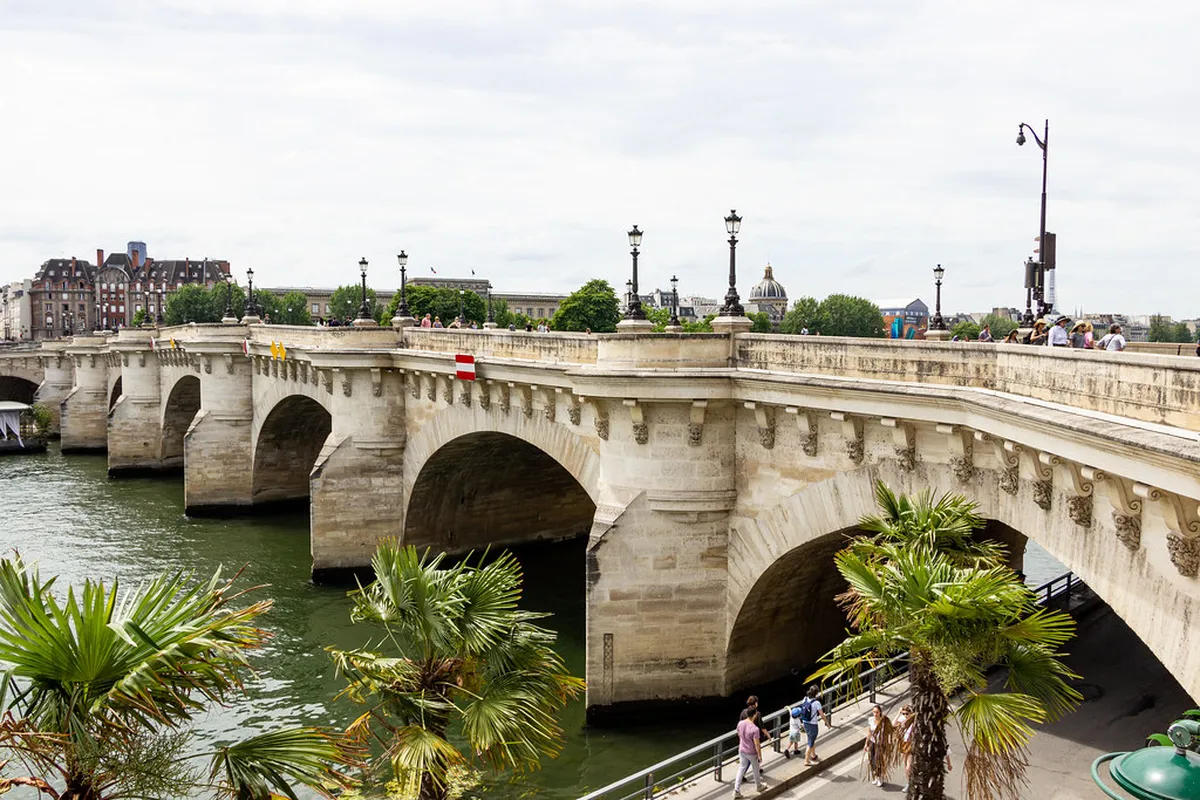
Oslo offers a stunning blend of old and new architecture. This makes it a dream destination for photographers. Learning Oslo architectural photography tips can greatly enhance your shots. You will capture the city's unique charm beautifully.
From historic fortresses to modern marvels, Oslo has it all. This guide provides essential advice for 2026. You will learn to highlight every building's character. Prepare to explore Oslo's incredible design landscape.
Mastering Composition for Architectural Photography
Turn this guide into a personal route with our free Oslo itinerary planner.
Good composition is key to compelling architectural shots. Start by using leading lines to draw the viewer's eye. Look for repeating patterns and strong geometric shapes. These elements add depth and visual interest.
The rule of thirds is a powerful compositional tool. Place key elements at intersection points or along the lines. This creates more dynamic and balanced images. Experiment with different angles to find unique perspectives.
Consider framing your subject with surrounding elements. A tree branch or another building can create a natural frame. This technique adds context and visual appeal. It helps to isolate your main subject effectively.
Symmetry often works well with modern buildings. Many contemporary structures in Oslo's Barcode Project feature strong symmetrical designs. Stand directly in front of the building. This captures its balanced and harmonious lines.
Think about negative space around your buildings. Too much clutter can distract from your subject. Use clear skies or simple backgrounds to make the architecture stand out. This ensures your subject remains the focal point.
Essential Camera Settings for Oslo's Buildings
Choosing the right camera settings is crucial for architecture. Use a low ISO (100-200) for clean, noise-free images. This is especially important for detailed architectural textures. Avoid higher ISOs unless absolutely necessary.
A small aperture (f/8 to f/16) ensures maximum sharpness. This depth of field keeps the entire building in focus. For expansive shots, f/11 often provides optimal results. This setting is perfect for large structures like the Oslo Opera House.
Shutter speed depends on your light conditions. Use a tripod for slower shutter speeds to prevent blur. This is vital for sunrise or sunset photography. It ensures crisp details in challenging light.
Shoot in RAW format for greater flexibility. RAW files capture more image data than JPEGs. This gives you more control during post-processing. You can adjust exposure, white balance, and colors effectively.
Experiment with exposure bracketing for difficult lighting. This involves taking multiple shots at different exposures. Later, you can merge these into a single HDR image. This technique captures details in both shadows and highlights.
Leveraging Light and Time of Day in Photography
Light dramatically impacts your architectural photos. The golden hour (shortly after sunrise or before sunset) is ideal. It casts warm, soft light that highlights textures beautifully. This time adds a magical glow to buildings.
Blue hour, just after sunset or before sunrise, offers another unique look. The sky turns a deep blue, contrasting with artificial lights. This creates a dramatic and sophisticated mood. Try it at the Deichman Library for stunning results.
Midday sun can create harsh shadows. Use this to your advantage to create strong contrasts. Look for geometric patterns formed by shadows. This technique works well with modern, clean-lined structures.
Overcast days provide soft, diffused light. This reduces harsh shadows and provides even illumination. It is perfect for capturing intricate details without distraction. This light is also great for black and white conversions.
Night photography transforms buildings entirely. Use long exposures to capture light trails from traffic. Artificial lights illuminate the architecture dramatically. Always use a tripod for clear night shots of Oslo's landmarks. Explore the waterfront at night for brilliant reflections.
Finding the Best Spots for Architectural Shots
Oslo boasts many photogenic architectural sites. The Aker Brygge area offers sleek, modern designs. Its waterfront location provides excellent reflection opportunities. Visit during blue hour for stunning contrasts.
Bjørvika is home to contemporary masterpieces. The Oslo Opera House is a must-see for its unique sloping roof. The Munch Museum and Deichman Library also feature striking designs. These structures offer endless photographic possibilities.
For historical architecture, explore Kvadraturen. This area features charming 17th-century buildings. The Akershus Fortress provides a stark contrast. It showcases centuries of Norwegian design and history.
Don't miss the Stortinget (Parliament House) for grand, classical architecture. Its detailed facade and imposing presence are impressive. The Royal Palace also offers elegant lines and beautiful surroundings. These spots are perfect for capturing grandeur.
Discover more hidden gems by taking an Oslo architectural walking tour. Local guides can point out unique angles. They also share interesting facts about the city's design. This enhances both your experience and your photographs.
Frequently Asked Questions
What lens is best for architectural photography in Oslo?
A wide-angle lens (16-35mm) is excellent for capturing large buildings. It helps fit tall structures into your frame. A prime lens (50mm or 85mm) is also useful for details. Consider a tilt-shift lens for correcting perspective distortion, especially in contemporary Oslo architecture. This specialized lens keeps vertical lines straight.
How can I avoid distortion when photographing tall buildings?
To minimize distortion, shoot at eye level or slightly above the midpoint. Using a tilt-shift lens is the most effective method. If you don't have one, correct perspective in post-processing. Software like Lightroom can easily fix converging lines. Always try to keep your camera level when possible.
Are there any permits needed for architectural photography in Oslo?
Generally, no permits are needed for personal photography. This applies to most public spaces in Oslo. For commercial projects or extensive gear, check local regulations. Always be respectful of private property and public access. For more insights, consult with local Oslo architectural photographers.
Oslo truly is an architectural photographer's paradise. By applying these Oslo architectural photography tips, your images will shine. Focus on composition, lighting, and camera settings. Explore the city's diverse buildings in 2026.
Plan your shoots around the best light for dramatic results. Don't forget to visit iconic spots and hidden gems. Share your stunning Oslo architecture photos with the world. Continue learning and experimenting with your craft.
Key Takeaways
- Prioritize strong composition, like leading lines and the rule of thirds.
- Use a low ISO, small aperture, and RAW format for sharp, detailed shots.
- Capitalize on golden and blue hours for magical, dramatic lighting.
- Explore diverse locations from modern Bjørvika to historic Kvadraturen.