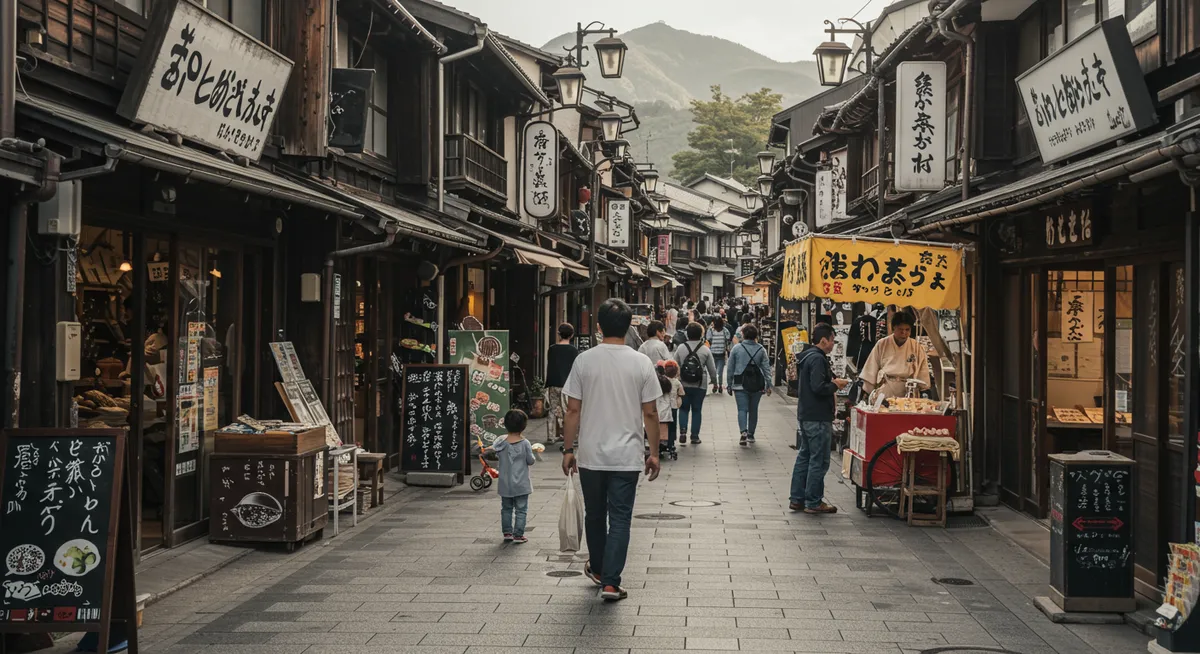
TL;DR: Nakamachi Street is Matsumoto's historic merchant quarter, lined with beautifully preserved kura (storehouse) buildings dating back to the Edo Period. In 2026 you will find craft shops selling lacquerware, Matsumoto temari, and indigo-dyed textiles alongside excellent soba restaurants and specialty cafes. Allow two to three hours, bring cash for smaller vendors, and pair your visit with nearby Matsumoto Castle and Nawate Frog Street for a full day out.
Nakamachi Street sits at the heart of Matsumoto's old castle town in Nagano Prefecture. Since the 17th century this four-block stretch between Honmachi Street and Ohashi Street served as the main commercial district where wholesalers traded sake, kimono, and household goods along the old Zenkoji Kaido route connecting Nagano's Zenkoji Temple to Kyoto. Today the street is one of the best-preserved merchant quarters in all of Japan, and a must-visit destination for anyone exploring the Japanese Alps region in 2026. This Nakamachi Street Matsumoto shopping guide covers every detail you need, from the best craft shops and restaurants to seasonal events and practical visitor tips.
History and Architecture of Nakamachi Street
Turn this guide into a personal route with our free Matsumoto itinerary planner.
What makes Nakamachi Street instantly recognizable is its rows of kura-zukuri storehouses. These traditional buildings feature thick white plaster walls with distinctive black-and-white namako (sea cucumber) patterning created by raised mortar joints over square tiles. The kura design was not purely decorative; the heavy plaster walls protected valuable merchandise from fires that frequently swept through Edo-period towns. Walking down Nakamachi in 2026 you can still see original Meiji and Taisho-era structures standing alongside carefully restored buildings. The landmark Kurassic-kan, a restored sake brewery completed in the early 1900s, now serves as a free public cultural space hosting exhibitions and community events throughout the year. Next door you will find the Scale Museum, housed in a former scale shop that opened in 1902, displaying an impressive collection of historical weights and measuring instruments inside a beautifully maintained kura interior. Together these buildings offer a tangible window into the commercial life that shaped Matsumoto for centuries. For more background on the city's heritage, see our guide to Matsumoto cultural experiences.
Best Shops and What to Buy on Nakamachi Street
Shopping on Nakamachi Street in 2026 remains an authentic experience because most stores are small, owner-operated businesses rather than chain outlets. Here are the standout categories and specific shops worth seeking out.
Traditional Crafts and Folk Art
Matsumoto has a deep craft heritage, and Nakamachi is the best place to find it concentrated in one walkable area. Look for Matsumoto temari, the colorful thread-wrapped balls that are a regional folk art symbol, and Matsumoto tansu, traditional wooden chests prized for their joinery and durability. Handicraft Shop Suguri, tucked into a small alley off the main street, stocks handmade ceramics, accessories, and textiles from local artists, making it an excellent one-stop destination for unique souvenirs. Several shops specialize in indigo-dyed fabrics (aizome), offering everything from noren curtains to tote bags. If you appreciate lacquerware, Matsumoto-nuri pieces make elegant gifts with deep roots in the region's artisan tradition.
Food Souvenirs and Local Products
Ichi no Kura is a must-visit specialty shop for dried fruits and vegetables housed in a traditional building completed in 1907, the first structure registered as a Matsumoto city cultural property. The street also has dedicated sake and miso shops where you can sample before buying. Nagano Prefecture produces some of Japan's finest miso, and bringing home a packet of locally fermented shinshu miso is one of the most affordable and authentic edible souvenirs available. For a deeper dive into regional flavors, check out our Matsumoto food guide.
Pottery and Ceramics
Several galleries along Nakamachi display work by Nagano-based potters. Styles range from rustic wabi-sabi tea bowls to contemporary tableware. Prices are fair compared to Tokyo galleries, and many pieces are exclusive to these shops.
Where to Eat and Drink on Nakamachi Street
No Nakamachi Street Matsumoto shopping guide is complete without covering the dining scene. The street and its immediate side alleys contain a surprising variety of eateries for such a compact area.
Soba Noodles
Nagano Prefecture is Japan's soba heartland, and Matsumoto's buckwheat noodles benefit from pristine Alpine water and locally grown grain. Kura-ya on Nakamachi serves excellent tempura soba in a traditional kura setting. Arrive before noon on weekends to avoid queues.
Cafes and Sweets
Nakamachi Cafe is famous for its fluffy souffle pancakes available in flavors like salted caramel, chocolate, and strawberry, plus savory options for those who prefer a lighter lunch. Cafe Maimu draws locals with its acclaimed apple pie, made with Nagano-grown apples. In summer, Nakamachi Hyouka Ten serves shaved ice (kakigori) made from natural ice harvested in Yamanashi Prefecture, a perfect refreshment during the warm months.
Hearty Local Meals
Nomugi is popular for sanzokuyaki, a Nagano specialty of large fried chicken thigh marinated in garlic and soy. You will also find oyaki (stuffed dumplings) vendors along the street, a quintessential Nagano snack filled with nozawana greens, pumpkin, or red bean paste. For a broader culinary itinerary, pair Nakamachi dining with stops from our complete Matsumoto itinerary.
Seasonal Events and Festivals Near Nakamachi
Timing your 2026 visit around a local festival adds another dimension to the Nakamachi experience.
- Matsumoto Frog Festival (June): Held annually on nearby Nawate (Frog) Street, this family-friendly event celebrates Matsumoto's unofficial mascot. Children dress in frog costumes, and vendors sell frog-themed goods. The name stems from a Japanese wordplay: kaeru means both "frog" and "to return home," reflecting the street's origin as an approach to Yohashira Shrine where people would buy goods and return home after worship.
- Tenjin Matsuri (July): Fukashi Shrine's annual summer festival features traditional wooden floats from Nakamachi parading through the streets, with tens of thousands of participants dancing through downtown Matsumoto.
- Craft Fairs (Spring and Autumn): Matsumoto hosts popular craft fairs that spill into the Nakamachi area, drawing artisans from across Japan. Check the Matsumoto city tourism website for 2026 dates.
Even outside festival season, the street transforms with the seasons. Cherry blossoms frame the kura facades in April, while autumn leaves add warm tones in October and November.
Nawate Street: The Perfect Companion Walk
Running parallel to Nakamachi just across the Metoba River, Nawate Street (also called Frog Street) is a car-free pedestrian lane lined with quirky shops and small eateries. A large frog statue marks the entrance. The atmosphere is more playful than Nakamachi's refined merchant character, and you can easily walk between the two streets in under five minutes. Together they form the core of Matsumoto's historic downtown shopping district. For more ideas on how to fill your day, see our list of things to do in Matsumoto.
Practical Tips for Visiting Nakamachi Street in 2026
Planning ahead ensures you get the most from your Nakamachi visit. Here are the key details.
- Hours: Most shops open from 10:00 to 19:00. Some restaurants stay open until around 22:00. Many smaller independent stores close on Wednesdays, so plan accordingly.
- Time needed: Allow two to three hours for a thorough visit including shopping and a meal. If you add Nawate Street, budget an additional hour.
- Payment: Larger shops accept credit cards, but carry cash (Japanese yen) for smaller vendors, street food stalls, and traditional craft shops.
- Access from Matsumoto Station: Nakamachi Street is a 15-minute walk south from Matsumoto Station. From Matsumoto Castle, it is a five to ten minute walk south.
- Getting to Matsumoto: The Limited Express Azusa from Shinjuku takes about 2.5 hours. Our guide on getting to Matsumoto from Tokyo covers all transport options.
- Budget tips: Window shopping is free, and many of the cultural attractions along the street like Kurassic-kan charge no admission. For more ways to save, see our Matsumoto budget travel tips.
- Accommodation: Staying near the station puts you within easy walking distance. Check our picks for the best hotels in Matsumoto.
Frequently Asked Questions
Is Nakamachi Street open daily in 2026?
How long does it take to explore Nakamachi Street?
What is Nakamachi Street best known for?
What should I buy on Nakamachi Street?
How do I get to Nakamachi Street from Matsumoto Station?
Is Nakamachi Street good for families with children?
Can I visit Nakamachi Street and Matsumoto Castle in one day?
Nakamachi Street remains one of the most rewarding shopping destinations in the Japanese Alps for 2026. Whether you are hunting for a one-of-a-kind Matsumoto temari, savoring handmade soba in a converted storehouse, or simply soaking in the atmosphere of a centuries-old merchant quarter, this compact district delivers an experience that feels both timeless and alive. Combine it with Matsumoto Castle, the dining stops in our food guide, and a day trip from Matsumoto for a well-rounded visit to one of Japan's most underrated cities.