TL;DR: The Hoi An Lantern Festival happens on the 14th day of each lunar month when electricity is switched off across the Ancient Town. In 2026, the dates are January 2, February 1, March 2, April 1, May 30, June 28, July 27, August 26, September 24, October 23, November 22, and December 22. Arrive by 6:30 PM, head to the Thu Bon Riverbank, and bring cash for floating lanterns (around VND 5,000 each).
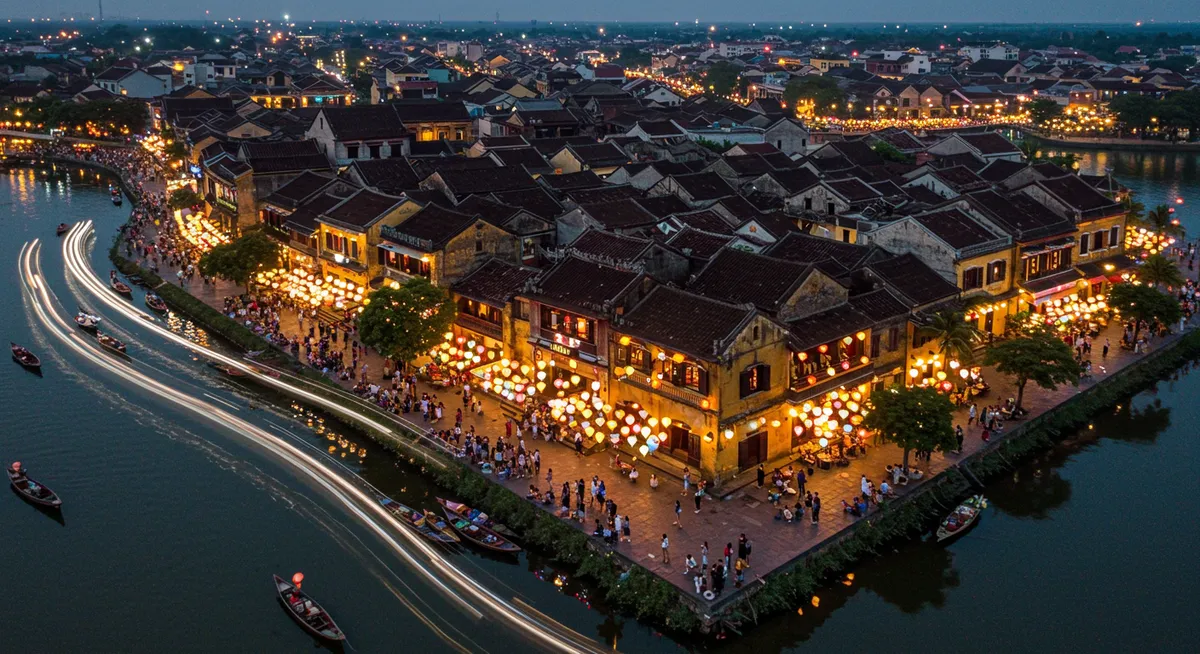
The Hoi An Lantern Festival is one of Vietnam's most enchanting cultural events, transforming the UNESCO-listed Ancient Town into a glowing wonderland of silk lanterns, candlelight, and river reflections every single month. Also known as the Full Moon Festival (Hoi An dem ram), this centuries-old tradition draws travelers from around the world who come to watch electric lights go dark and thousands of handcrafted lanterns illuminate the narrow streets and waterways of one of Southeast Asia's most photogenic towns.
Whether you are planning your first trip or returning for another look, knowing the exact Hoi An Lantern Festival schedule for 2026 ensures you time your visit perfectly. This guide covers every monthly date, what happens during the festival, the best spots to watch from, and practical tips so you can make the most of the experience. If you are still deciding on travel dates, our best time to visit Hoi An guide can help you weigh weather, crowds, and festival timing together.
Complete 2026 Hoi An Lantern Festival Dates
Turn this guide into a personal route with our free Hoi An itinerary planner.
The Hoi An Lantern Festival follows the lunar calendar, falling on the 14th day of each lunar month when the moon is fullest. Because the lunar and Gregorian calendars do not align, the Western date shifts each month. Here is the complete Hoi An Lantern Festival schedule for 2026:
| Lunar Month | 2026 Gregorian Date | Notes |
|---|---|---|
| 12th (prev. year) | January 2 | Quieter winter festival |
| 1st | February 1 | Near Tet — festive atmosphere |
| 2nd | March 2 | First full moon after Lunar New Year — grandest celebration of the year |
| 3rd | April 1 | Pleasant spring weather |
| 4th | May 30 | Warm evenings, fewer crowds |
| 5th | June 28 | Start of summer season |
| 6th | July 27 | Peak summer |
| 7th | August 26 | Hot but vibrant |
| 8th | September 24 | Mid-Autumn Festival — second grandest celebration |
| 9th | October 23 | Cooler evenings return |
| 10th | November 22 | Low season — intimate experience |
| 11th | December 22 | Year-end, holiday travelers |
The two biggest celebrations each year are the March 2 festival (first full moon of the lunar new year) and the September 24 Mid-Autumn Festival. If you want the most spectacular experience, aim for one of those dates — but book accommodation two to three months ahead, as hotels fill up quickly.
What Happens During the Hoi An Lantern Festival
Starting around 6:00 PM, the Ancient Town begins its transformation. Street vendors set up along the Thu Bon River, selling handmade paper lanterns, incense, and local snacks. Musicians tune traditional instruments, and the atmosphere shifts from the everyday bustle of a tourist town to something far more contemplative.
The defining moment arrives around 8:00 PM when the electricity is switched off throughout the Old Quarter. Suddenly, the only light comes from silk lanterns strung between buildings, candles placed along doorsteps, and the paper lanterns floating on the river. The effect is immediate and powerful — the Ancient Town feels as though it has stepped back several centuries.
Key activities during the festival include:
- Floating lanterns on the Thu Bon River: Buy a small paper lantern (around VND 5,000), make a wish, and set it adrift. Watching hundreds of glowing lanterns drift downstream is the signature image of the festival.
- Bai Choi performances: A traditional Vietnamese musical game recognized by UNESCO, featuring call-and-response singing that draws crowds in the town square.
- Folk music and lion dances: Live performances of traditional instruments like the dan bau (monochord) and occasional lion dance troupes, especially during the March and September festivals.
- Night market browsing: The Nguyen Hoang Night Market expands on festival nights, selling everything from handcrafted lanterns to lacquerware and local street food.
- Incense and prayer offerings: Many locals visit the Assembly Halls and pagodas to burn incense and make offerings, a reminder that this is a living tradition, not just a tourist attraction.
The festival typically winds down around 10:00 PM, though the lanterns strung along the streets stay lit well into the night. For a deeper dive into the broader Hoi An nightlife scene beyond the festival, check our Hoi An nightlife guide.
Best Spots to Watch the Lantern Festival
Where you position yourself matters. The Ancient Town is compact, but some vantage points are dramatically better than others for experiencing the Hoi An Lantern Festival schedule events.
- Thu Bon Riverbank (An Hoi side): Cross the bridge to An Hoi Island for the best panoramic view of floating lanterns against the Ancient Town skyline. This is the top photography spot.
- Japanese Covered Bridge (Chua Cau): The iconic 18th-century bridge becomes even more photogenic framed by lantern light. Arrive early as it gets congested after 7:30 PM.
- Nguyen Phuc Chu Street: A less crowded riverside stretch where you can release lanterns without the intense crowds near the main bridge.
- Bach Dang Street cafes: Grab a table at a riverside cafe on Bach Dang Street for an elevated view of the river lanterns while enjoying a Vietnamese coffee or local Bia Hoi.
- Boat ride on the Thu Bon: Small wooden boats offer 20-to-30-minute rides along the river during the festival. Being on the water surrounded by floating lanterns is the most immersive way to experience the event — negotiate the price before boarding (expect around VND 50,000-100,000 per person).
Practical Tips for Visiting the 2026 Lantern Festival
A few practical considerations will make your festival night significantly more enjoyable:
- Arrive early: Get to the Ancient Town by 6:30 PM to secure a good riverside spot before the lights go out. The streets become very crowded after 7:30 PM.
- Bring cash: Most street vendors, lantern sellers, and small food stalls accept only Vietnamese dong. ATMs are available near the market, but lines can be long on festival nights.
- Wear comfortable shoes: The Ancient Town becomes pedestrian-only during the festival, and you will walk extensively on uneven surfaces. Leave the heels at the hotel.
- Negotiate lantern prices: Vendors often quote higher prices to tourists. A floating lantern should cost around VND 5,000 (roughly USD 0.20). Decorative take-home lanterns range from VND 30,000 to VND 200,000 depending on size and craftsmanship.
- Book accommodation early: Hotels within walking distance of the Ancient Town fill up fast for festival dates. For accommodation options and neighborhood advice, see our Hoi An accommodation guide.
- Protect your phone: If you plan to release lanterns from a boat, keep your phone in a waterproof pouch. The river is calm but splashing does happen.
- Use the Hoi An Ancient Town ticket: While the festival itself is free, some historical sites within the town (Assembly Halls, museums, the Japanese Bridge interior) require the 120,000 VND Ancient Town ticket, valid for 24 hours and covering five sites.
For budgeting your overall trip, our Hoi An budget guide breaks down costs for accommodation, food, and activities so you can plan accordingly.
How to Build a Full Day Around the Festival
Since the Lantern Festival runs only in the evening, you have the entire day to explore Hoi An's other attractions. Here is a suggested itinerary that builds toward the evening spectacle:
- Morning (8:00–11:00 AM): Join a Hoi An cooking class to learn how to make cao lau, white rose dumplings, and banh mi from local chefs.
- Midday (11:30 AM–1:00 PM): Explore Hoi An's legendary street food scene. Our Hoi An street food guide maps out the best stalls and local favorites.
- Afternoon (2:00–5:00 PM): Visit the Ancient Town's historic sites — the Assembly Halls, old merchant houses, and the Japanese Covered Bridge — before the evening crowds arrive.
- Late afternoon (5:00–6:30 PM): Get fitted at a tailor shop (Hoi An is famous for its bespoke tailoring) or rest at your hotel before the festival.
- Evening (6:30–10:00 PM): Head to the riverfront for the Lantern Festival.
If you have multiple days, our 3-day Hoi An itinerary and 5-day Hoi An itinerary both incorporate the festival alongside day trips and deeper cultural exploration.
Day Trips to Pair with the Lantern Festival
Many travelers build a longer Central Vietnam trip around the festival date. Hoi An's location makes it an excellent base for day trips:
- My Son Sanctuary: The ancient Cham temple complex is a UNESCO World Heritage Site about 40 km from Hoi An. Our My Son Sanctuary guide covers transport options and tour recommendations.
- Hue: The former imperial capital is roughly 2.5 hours north by car. See our Hue itinerary and Imperial City guide for planning.
- Other day trips: Cham Islands for snorkeling, Marble Mountains, or Ba Na Hills are all reachable from Hoi An. Our Hoi An day trips guide covers the best options.
For getting between these destinations, our Hoi An transport guide explains motorbike rentals, grab cars, and shuttle buses.