Haiphong Market Shopping Guide 2026: Best Markets, Tips & Local Finds
Plan your Haiphong market shopping trip in 2026 with this in-depth guide. Discover the best markets, must-buy items, bargaining strategies, and insider tips for an authentic experience.
ItiMaker Team12 min read
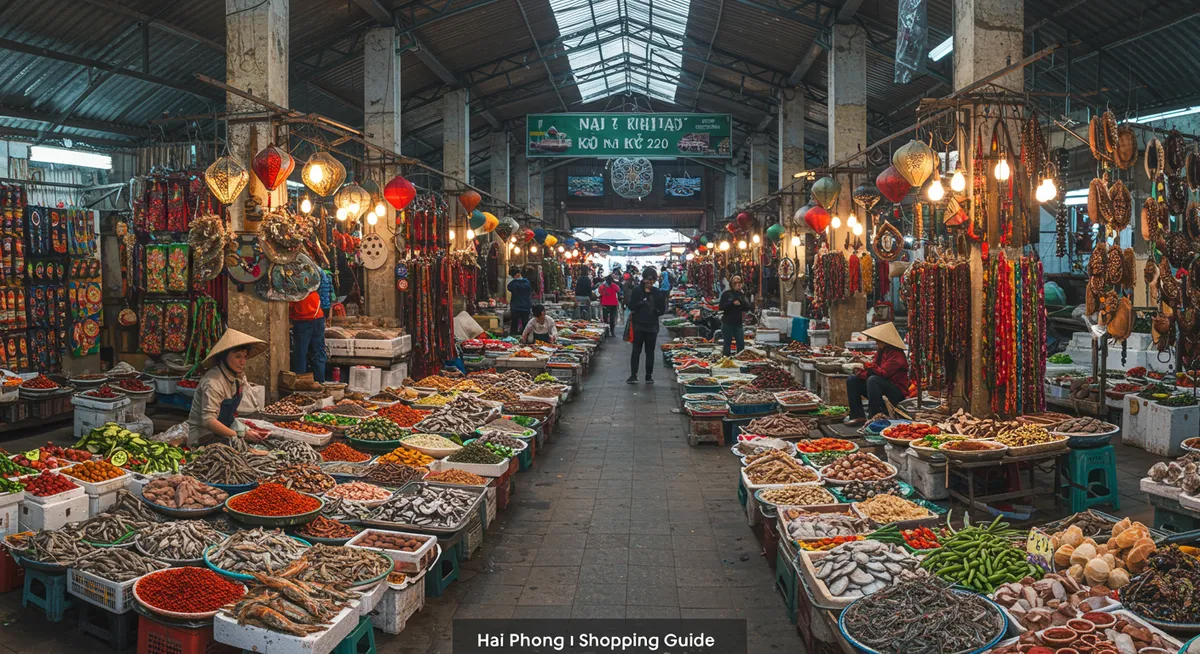
<p><strong>TL;DR:</strong> Haiphong's markets are among northern Vietnam's most rewarding shopping destinations in 2026. Cho Sat (Iron Market) is the city's largest all-purpose market, Cho Ga (Chicken Market) is best for fresh produce and spices, and the emerging An Duong night market offers evening street food and souvenirs. Arrive before 8 AM for the freshest goods, carry small-denomination Vietnamese Dong, and bargain confidently by starting at 50-60% of the asking price.</p>
<h1>Haiphong Market Shopping Guide 2026: Best Markets, Tips & Local Finds</h1>
<aside class="affiliate-slot" data-nosnippet
data-affiliate-unit="experience_finder"
data-affiliate-provider="getyourguide"
data-affiliate-widget="getyourguide_city"
data-affiliate-format="widget"
data-affiliate-placement="primary"
data-affiliate-campaign="itimaker-com-unit-gcity-haiphong-market-shopping-guide"
data-affiliate-city="Haiphong"
data-affiliate-location-id="1208"
style="min-height:400px">
<span class="affiliate-badge">Sponsored</span>
<div class="affiliate-skeleton" aria-hidden="true"></div>
<p class="affiliate-unit__loading" role="status">Loading live activities…</p>
<div class="affiliate-inner"><div
data-gyg-href="https://widget.getyourguide.com/default/city.frame"
data-gyg-location-id="1208"
data-gyg-locale-code="en-US"
data-gyg-widget="city"
data-gyg-partner-id="26CH4CT"
data-gyg-campaign="itimaker-com-unit-gcity-haiphong-market-shopping-guide"
data-gyg-cmp="itimaker-com-unit-gcity-haiphong-market-shopping-guide"
loading="lazy"></div></div>
</aside>
<p>Haiphong is Vietnam's third-largest city and a major northern port, yet its markets remain refreshingly untouched by mass tourism. While Hanoi's Old Quarter markets cater heavily to visitors, Haiphong's trading hubs still serve predominantly local shoppers, which means better prices, more authentic interactions, and products you simply cannot find in tourist-oriented stalls. Whether you are hunting for dried seafood specialties, handwoven textiles, or the city's legendary Banh Da Cua, this 2026 Haiphong market shopping guide covers everything you need to navigate the city's vibrant commercial scene with confidence.</p>
<h2>Top Markets to Visit in Haiphong in 2026</h2>
<p>Haiphong has several distinct markets, each with its own character and specialty. Knowing which market to visit for what you want saves time and leads to better finds.</p>
<aside class="affiliate-slot" data-nosnippet
data-affiliate-unit="experience_finder"
data-affiliate-provider="viator"
data-affiliate-widget="viator_widget"
data-affiliate-format="widget"
data-affiliate-placement="secondary"
data-affiliate-campaign="itimaker-com-unit-vauto-haiphong-market-shopping-guide"
data-affiliate-city="Haiphong"
data-affiliate-location-id=""
style="min-height:600px">
<span class="affiliate-badge">Sponsored</span>
<div class="affiliate-skeleton" aria-hidden="true"></div>
<p class="affiliate-unit__loading" role="status">Loading live activities…</p>
<div class="affiliate-inner"><div
data-vi-partner-id="P00271059"
data-vi-widget-ref="W-d5dc59c4-3a04-417e-8a46-7be440461eba"
data-vi-search-term="Haiphong"
data-vi-campaign="itimaker-com-unit-vauto-haiphong-market-shopping-guide"
data-campaign="itimaker-com-unit-vauto-haiphong-market-shopping-guide"></div></div>
</aside>
<h3>Cho Sat (Iron Market)</h3>
<p>Built in the French colonial era and named after its iron-frame architecture, Cho Sat is Haiphong's most iconic market and the largest indoor trading hub in the city. Spread across two floors and a sprawling outdoor section, it stocks everything from electronics and household goods on the upper level to textiles, clothing, and accessories on the ground floor. The surrounding streets host dried seafood vendors who sell shrimp paste, dried squid, and various fish products that make excellent culinary souvenirs. In 2026, the market has expanded its ground-floor textile section, making it an even better destination for fabric shopping.</p>
<h3>Cho Ga (Chicken Market)</h3>
<p>Located near the city center, Cho Ga is Haiphong's go-to destination for fresh produce, live poultry, aromatic spices, and traditional ingredients. The market opens as early as 5 AM, and the freshest goods are typically gone by mid-morning. Cho Ga is particularly famous for its selection of local herbs and spice blends used in Haiphong's signature dishes. If you want an unfiltered look at daily Vietnamese commerce, this market delivers the most authentic atmosphere in the city.</p>
<h3>An Duong Night Market</h3>
<p>For evening shoppers, the An Duong night market has grown significantly through 2025 and into 2026. Operating from around 6 PM until late, it features street food stalls, affordable clothing, accessories, and handmade souvenirs. The relaxed pace and cooler temperatures make it a pleasant alternative to the intense morning markets, and it pairs well with exploring <a href="https://itimaker.com/blog/haiphong-nightlife-guide">Haiphong's nightlife scene</a> afterward.</p>
<h3>Tam Bac Market Area</h3>
<p>Situated along the Tam Bac River, this market area combines a traditional wet market with a cluster of specialty shops selling ceramics, lacquerware, and imported goods. The riverfront setting makes it one of the more picturesque shopping spots in Haiphong. Vendors here tend to be slightly more accustomed to visitors, so prices may start higher, but the quality of ceramics and lacquerware is consistently good.</p>
<h2>Le Chan District and City Center: Haiphong's Everyday Local Markets</h2>
<p>Two additional markets round out Haiphong's shopping scene, both worth a stop if you have more than a day to explore beyond Cho Sat and Cho Ga.</p>
<aside class="affiliate-slot" data-nosnippet
data-affiliate-unit="experience_finder"
data-affiliate-provider="getyourguide"
data-affiliate-widget="getyourguide_activities"
data-affiliate-format="widget"
data-affiliate-placement="tertiary"
data-affiliate-campaign="itimaker-com-unit-gact-haiphong-market-shopping-guide"
data-affiliate-city="Haiphong"
data-affiliate-location-id="1208"
style="min-height:420px">
<span class="affiliate-badge">Sponsored</span>
<div class="affiliate-skeleton" aria-hidden="true"></div>
<p class="affiliate-unit__loading" role="status">Loading live activities…</p>
<div class="affiliate-inner"><div
data-gyg-href="https://widget.getyourguide.com/default/activities.frame"
data-gyg-location-id="1208"
data-gyg-locale-code="en-US"
data-gyg-widget="activities"
data-gyg-partner-id="26CH4CT"
data-gyg-campaign="itimaker-com-unit-gact-haiphong-market-shopping-guide"
data-gyg-cmp="itimaker-com-unit-gact-haiphong-market-shopping-guide" data-gyg-number-of-items="4"
loading="lazy"></div></div>
</aside>
<h3>Le Chan Market</h3><p>Sitting south of the Cam River in Le Chan district, this daily wet market serves mostly local residents rather than visitors. It opens around 5:30 AM and winds down by early afternoon, with stalls selling fresh produce, meat, household goods, and inexpensive clothing. Because tourists rarely shop here, vendors rarely inflate opening prices, so the aggressive bargaining tactics needed at Cho Sat are less necessary. It sits roughly 3 kilometers south of Cho Sat, about a 10-minute Grab ride.</p><h3>City Center Market</h3><p>A smaller indoor market near the downtown business district, City Center Market is a convenient stop for clothing, snacks, and everyday household items if you are staying near Dien Bien Phu Street. It stays open later than most Haiphong markets, typically until 6 PM, making it a useful backup if you miss the morning rush at Cho Ga. Combine a visit with nearby hotels and attractions covered in our <a href="/haiphong-itinerary-3-days">Haiphong 3-day itinerary</a> to build an efficient shopping route.</p>
<h2>What to Buy: Must-Have Items from Haiphong Markets</h2>
<p>Haiphong's markets are packed with goods, but certain items stand out as particularly worth seeking out for their quality, value, or uniqueness.</p>
<ul>
<li><strong>Dried seafood:</strong> Haiphong is a port city, and its dried seafood is among the best in Vietnam. Shrimp paste (mam tom), dried squid, and salted fish are local specialties that travel well and make distinctive gifts.</li>
<li><strong>Banh Da Cua ingredients:</strong> The city's signature crab noodle soup starts with flat red rice noodles (banh da do) that are difficult to find outside Haiphong. Pick up dried noodles along with crab paste for an authentic home-cooked version.</li>
<li><strong>Nem Cua Be (crab spring rolls):</strong> Sold fresh or frozen at many market stalls, these are a Haiphong delicacy. Frozen packs are available for travelers who want to bring them home. For more on the city's signature dishes, explore our <a href="https://itimaker.com/blog/haiphong-local-food-guide">Haiphong local food guide</a>.</li>
<li><strong>Textiles and fabrics:</strong> Cho Sat's ground floor has a wide selection of Vietnamese silk, cotton, and synthetic fabrics at prices significantly lower than Hanoi or Ho Chi Minh City.</li>
<li><strong>Ceramics and lacquerware:</strong> Available primarily around the Tam Bac area, these range from everyday tableware to ornate decorative pieces suitable for gifts.</li>
<li><strong>Fresh tropical fruit:</strong> Mangosteen, rambutan, dragon fruit, and jackfruit are available at remarkably low prices, especially at Cho Ga during peak season (May through September).</li>
</ul>
<h2>Typical Prices to Expect at Haiphong's Markets in 2026</h2>
<p>Prices at Haiphong's markets vary by vendor and season, but the ranges below reflect what most shoppers pay after a round of light bargaining.</p><table><thead><tr><th>Item</th><th>Typical Price (VND)</th><th>Best Market</th></tr></thead><tbody><tr><td>Dried squid (100g)</td><td>45,000-60,000</td><td>Cho Sat</td></tr><tr><td>Shrimp paste, mam tom (500ml jar)</td><td>25,000-35,000</td><td>Cho Sat or Cho Ga</td></tr><tr><td>Banh da do noodles, dried (1kg)</td><td>30,000-40,000</td><td>Cho Sat</td></tr><tr><td>Raw silk fabric (per meter)</td><td>80,000-150,000</td><td>Cho Sat ground floor</td></tr><tr><td>Ceramic tea set (4-piece)</td><td>150,000-300,000</td><td>Tam Bac Market Area</td></tr><tr><td>Fresh mangosteen (1kg, May-September)</td><td>25,000-40,000</td><td>Cho Ga</td></tr></tbody></table><p>These figures assume you start negotiations at roughly half the initial quote, as outlined above. Dried seafood and textiles offer the best per-unit savings when purchased in bulk, while fresh fruit prices fluctuate with the season and are lowest at the height of harvest. Carry small notes, since vendors at every price point above rarely have change for anything larger than a 100,000 VND bill.</p>
<h2>Bargaining Strategies That Actually Work</h2>
<p>Bargaining is expected and even enjoyed by vendors in Haiphong's markets, but doing it well requires understanding local etiquette. Unlike tourist-heavy markets in other Vietnamese cities, Haiphong vendors typically start with more reasonable opening prices, so aggressive lowballing can come across as disrespectful.</p>
<ul>
<li><strong>Start at 50-60% of the asking price.</strong> In Haiphong, vendors usually quote prices only 30-50% above their target, so starting at half is a reasonable anchor.</li>
<li><strong>Use a calculator or write numbers.</strong> If your Vietnamese is limited, typing numbers on your phone bridges the language gap efficiently and avoids misunderstandings.</li>
<li><strong>Buy in bulk for better deals.</strong> Purchasing multiple items from the same vendor almost always unlocks a lower per-unit price. This works especially well for dried seafood and textiles.</li>
<li><strong>Walk away politely.</strong> The classic move still works. If a vendor calls you back, you know there is more room to negotiate. If they do not, the price was likely already fair.</li>
<li><strong>Shop where locals shop.</strong> Stalls deeper inside the market, away from main entrances, generally offer lower prices because they rely on repeat local customers rather than passing foot traffic.</li>
<li><strong>Learn a few Vietnamese phrases.</strong> Saying "Bao nhieu?" (how much?) and "Dat qua" (too expensive) with a smile creates goodwill and often results in better prices than remaining silent.</li>
</ul>
<h2>Practical Tips for Market Shopping in 2026</h2>
<p>A few practical considerations will make your Haiphong market experience smoother and more enjoyable.</p>
<ul>
<li><strong>Arrive early.</strong> Most markets are busiest and freshest between 6 AM and 9 AM. By late morning, the best produce is gone and the heat becomes oppressive.</li>
<li><strong>Carry cash in small bills.</strong> Vietnamese Dong in denominations of 10,000 to 100,000 VND is ideal. Most vendors cannot break large notes, and card payments are virtually nonexistent at traditional stalls.</li>
<li><strong>Wear comfortable, closed-toe shoes.</strong> Market floors can be wet and slippery, especially in the fresh produce and seafood sections.</li>
<li><strong>Bring your own bags.</strong> While plastic bags are freely offered, bringing a reusable tote is both environmentally responsible and more practical for carrying heavy items like ceramics or dried goods.</li>
<li><strong>Watch your belongings.</strong> Haiphong markets are generally safe, but crowded aisles create opportunities for pickpockets. Keep valuables in a front pocket or cross-body bag. For broader safety advice, check our <a href="https://itimaker.com/blog/haiphong-travel-safety-tips-2025">Haiphong travel safety tips</a>.</li>
<li><strong>Stay hydrated.</strong> Indoor markets lack air conditioning and can get extremely humid, particularly from April through October. Carry water and take breaks.</li>
<li><strong>Plan your transport.</strong> Markets are scattered across the city. Grab or local xe om (motorbike taxis) are the most efficient way to hop between them. Check our <a href="https://itimaker.com/blog/haiphong-transportation-tips">Haiphong transportation guide</a> for detailed options.</li>
</ul>
<h2>Best Time to Visit Haiphong Markets</h2>
<p>Timing your market visits right can significantly improve your experience. In terms of daily timing, early morning (6-9 AM) is optimal for fresh food markets like Cho Ga, while Cho Sat and other dry-goods markets are comfortable to browse from mid-morning through early afternoon.</p>
<p>Seasonally, the period from October through March offers the most pleasant shopping weather, with lower humidity and cooler temperatures. The weeks leading up to Tet (Vietnamese Lunar New Year, typically late January or early February) transform markets into spectacular displays of flowers, decorations, and festive foods, making it one of the most visually exciting times to visit. However, expect higher prices and larger crowds during this period.</p>
<p>The summer months (June through August) bring rain, but morning showers usually clear by midday. Indoor markets like Cho Sat remain comfortable year-round. For help planning your overall trip timing, see our <a href="https://itimaker.com/blog/best-time-to-visit-haiphong-2025">best time to visit Haiphong</a> guide.</p>
<h2>How to Get to Haiphong's Markets</h2>
<p>Most of Haiphong's major markets are clustered within the city center, making them accessible by various transport options. From downtown hotels, Cho Sat and Cho Ga are typically within a 10-15 minute walk or a short Grab ride. If you are arriving from Hanoi specifically for a market day trip, the journey takes around two hours by expressway. Our detailed guide on <a href="https://itimaker.com/blog/how-to-get-to-haiphong-from-hanoi">how to get to Haiphong from Hanoi</a> covers all transport options and current 2026 pricing.</p>
<p>For visitors staying overnight, choosing accommodation near the city center puts you within walking distance of multiple markets. Our <a href="https://itimaker.com/blog/where-to-stay-in-haiphong-vietnam">where to stay in Haiphong</a> guide recommends the best areas and hotels for easy market access.</p>
<h2>Frequently Asked Questions</h2>
<div itemscope="" itemtype="https://schema.org/FAQPage">
<div class="faq-item" itemprop="mainEntity" itemscope="" itemtype="https://schema.org/Question">
<h3 itemprop="name">Is bargaining common in Haiphong markets?</h3>
<div itemprop="acceptedAnswer" itemscope="" itemtype="https://schema.org/Answer">
<div itemprop="text">Yes, bargaining is standard practice at most Haiphong market stalls in 2026. Vendors expect negotiation, especially for clothing, textiles, and souvenirs. Start at 50-60% of the quoted price and negotiate from there. Fixed-price shops within market buildings are the exception and will have prices clearly marked.</div>
</div>
</div>
<div class="faq-item" itemprop="mainEntity" itemscope="" itemtype="https://schema.org/Question">
<h3 itemprop="name">What currency is accepted at Haiphong markets?</h3>
<div itemprop="acceptedAnswer" itemscope="" itemtype="https://schema.org/Answer">
<div itemprop="text">Vietnamese Dong (VND) is the only widely accepted currency at Haiphong markets. Unlike tourist-heavy areas in Hanoi or Ho Chi Minh City, USD and other foreign currencies are rarely accepted. ATMs are available near major markets, but it is best to arrive with cash already in hand. Carry small denominations (10,000-100,000 VND) for easier transactions.</div>
</div>
</div>
<div class="faq-item" itemprop="mainEntity" itemscope="" itemtype="https://schema.org/Question">
<h3 itemprop="name">What are the typical operating hours for Haiphong markets?</h3>
<div itemprop="acceptedAnswer" itemscope="" itemtype="https://schema.org/Answer">
<div itemprop="text">Most Haiphong markets open between 5 AM and 6 AM and close by 5 PM to 6 PM. Fresh food sections (meat, seafood, produce) are busiest before 9 AM and may sell out by noon. Dry goods and textile sections remain stocked throughout the day. The An Duong night market operates from approximately 6 PM until 10 PM or later.</div>
</div>
</div>
<div class="faq-item" itemprop="mainEntity" itemscope="" itemtype="https://schema.org/Question">
<h3 itemprop="name">Are Haiphong markets safe for tourists?</h3>
<div itemprop="acceptedAnswer" itemscope="" itemtype="https://schema.org/Answer">
<div itemprop="text">Haiphong markets are generally very safe for visitors. Petty theft like pickpocketing can occur in crowded areas, so keep valuables secure in a front pocket or cross-body bag. Scams are uncommon compared to more tourist-oriented cities. Vendors are typically friendly and honest, though you should always confirm prices before completing a purchase.</div>
</div>
</div>
<div class="faq-item" itemprop="mainEntity" itemscope="" itemtype="https://schema.org/Question">
<h3 itemprop="name">Can I ship market purchases back home from Haiphong?</h3>
<div itemprop="acceptedAnswer" itemscope="" itemtype="https://schema.org/Answer">
<div itemprop="text">Yes, several shipping services operate in Haiphong. Vietnam Post and private couriers like Viettel Post can handle international shipments. For fragile items like ceramics, vendors at Tam Bac market often offer packing services. Dried seafood products may face customs restrictions in some countries, so check your home country's import regulations before purchasing large quantities.</div>
</div>
</div>
<div class="faq-item" itemprop="mainEntity" itemscope="" itemtype="https://schema.org/Question">
<h3 itemprop="name">What food should I try at Haiphong markets?</h3>
<div itemprop="acceptedAnswer" itemscope="" itemtype="https://schema.org/Answer">
<div itemprop="text">The must-try items include Banh Da Cua (crab noodle soup with distinctive red rice noodles), Nem Cua Be (crab spring rolls), and fresh seafood prepared at market-adjacent stalls. Many vendors offer samples, so do not hesitate to taste before buying. The dried seafood section at Cho Sat is also worth exploring for shrimp paste and dried squid snacks.</div>
</div>
</div>
</div>
<p>Haiphong's markets offer one of the most authentic shopping experiences in northern Vietnam in 2026. From the grand colonial architecture of Cho Sat to the earthy bustle of Cho Ga and the evening energy of An Duong night market, each trading hub reveals a different facet of this underrated port city. Equip yourself with cash, comfortable shoes, and a willingness to haggle, and you will discover that Haiphong's markets reward curious travelers with genuine local treasures at fair prices. For a complete trip plan, browse our <a href="https://itimaker.com/blog/best-things-to-do-in-haiphong">best things to do in Haiphong</a> or build a full <a href="https://itimaker.com/blog/haiphong-itinerary">Haiphong itinerary</a> around your market adventures.</p>
Make this guide part of your trip.
Turn the ideas you like into a personal day-by-day route, then edit every detail.
Build my itinerary