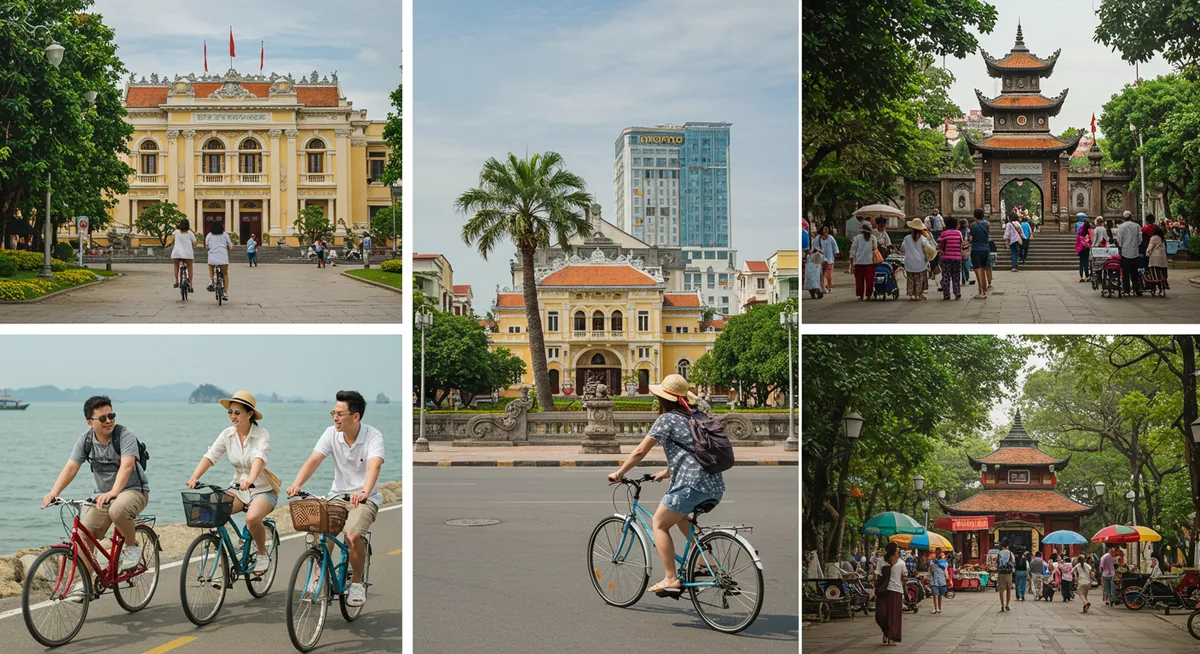
TL;DR: Haiphong is Northern Vietnam's underrated port city packed with French colonial architecture, legendary crab noodle soup (Banh Da Cua), lush day-trip destinations like Cat Ba Island, and a buzzing local nightlife scene. This 2026 guide covers every must-do experience — historical landmarks, food adventures, nature escapes, cultural immersion, and practical tips — so you can plan a memorable Haiphong visit.
Most travelers racing between Hanoi and Ha Long Bay barely give Haiphong a second glance — and that is exactly what makes this city so rewarding. As Vietnam's third-largest city and busiest northern port, Haiphong blends crumbling French-era facades with neon-lit seafood streets and a genuinely warm local atmosphere that bigger tourist hubs lost years ago. Whether you have one afternoon or a full week, these are the best things to do in Haiphong in 2026. If you are coming from the capital, start by reading our guide on how to get to Haiphong from Hanoi so you can hit the ground running.
Explore Haiphong's French Colonial Landmarks
Turn this guide into a personal route with our free Haiphong itinerary planner.
Haiphong's city center is an open-air museum of early-20th-century architecture — and unlike Hanoi's Old Quarter, you can often enjoy it without crowds. The Haiphong Opera House (Nha Hat Lon) anchors the downtown district with its grand Neoclassical facade, ornate balconies, and regular cultural performances that run through 2026. Walk east along Dien Bien Phu Street and you will pass the colonial-era post office, the Haiphong Museum housed in a 1919 Gothic-style building, and a string of yellow-walled shophouses that look straight out of a French provincial town.
Beyond the city center, Du Hang Pagoda offers a serene counterpoint — one of the oldest Buddhist temples in the region, dating to the 17th century, with layered wooden gates and manicured bonsai gardens. Another hidden gem is Hang Kenh Communal House, famous for its 500+ dragon carvings that rank among the finest wood-carving examples in Northern Vietnam. Allow at least half a day to wander these landmarks at a relaxed pace, ideally in the cooler morning hours. For accommodation near the historic district, check our guide on where to stay in Haiphong.
Feast on Haiphong's Legendary Street Food
Haiphong's culinary identity revolves around seafood and bold northern flavors, and two dishes tower above the rest. Banh Da Cua — wide red-tinged rice noodles swimming in a deeply savory crab-tomato broth topped with fried crab patties, morning glory, and herbs — is the city's signature dish. You will find stalls serving it on nearly every block, but locals swear by the shops clustered along Hoang Van Thu Street. Prices in 2026 hover around 30,000-50,000 VND per bowl.
The second must-eat is Nem Cua Be, square-shaped crab spring rolls with a shatteringly crispy shell and a filling of real crab meat, glass noodles, and mushrooms. Other highlights include Bun Ca (fish noodle soup), Banh Mi Cay (spicy pork-filled baguettes unique to Haiphong), and Oc (snails stir-fried in butter, lemongrass, and chili). For a deep-dive into every neighborhood specialty, read our comprehensive Haiphong local food guide. The best strategy is to eat your way through Ga Market (Cho Ga) in the morning and the seafood street stalls near Lach Tray Road in the evening.
Take a Day Trip to Cat Ba Island and Lan Ha Bay
If you do only one thing outside Haiphong proper, make it Cat Ba Island. Reachable by high-speed ferry in about 45 minutes from Got Pier, Cat Ba is the largest island in the UNESCO-recognized Ha Long Bay archipelago and the gateway to the less-crowded Lan Ha Bay. In 2026, improved ferry schedules make day-tripping easier than ever, with departures running from 7 AM to 3 PM.
On Cat Ba, the top activities include kayaking through Lan Ha Bay's jade-green karst corridors, trekking through Cat Ba National Park to the Ngu Lam viewpoint, relaxing on Cat Co 1 and Cat Co 3 beaches, and joining a floating-village tour. If you prefer something closer to the city, Do Son Beach — a 20-kilometer peninsula southeast of Haiphong — offers a more low-key coastal escape with seafood restaurants lining the shore. For a full list of excursion options, see our Haiphong day trips guide, or plan an extended itinerary with our 5-day Haiphong itinerary.
Immerse Yourself in Local Markets and Culture
Haiphong's markets are where the city truly comes alive. Sat Market (Cho Sat), the largest covered market in the city, sprawls across two floors of textiles, dried seafood, spices, and household goods — arrive before 8 AM for the most energetic atmosphere. Tam Bac Market, flanking the lake of the same name, is better for flowers, fresh fruit, and people-watching.
In the evenings, the pedestrian zone around Tam Bac Lake transforms into a lively promenade. Families stroll the lakeside path, vendors sell grilled corn and banh trang (rice paper snacks), and pop-up performers occasionally draw small crowds. For deeper cultural insight, time your visit with the Do Son Buffalo Fighting Festival (typically held on the 9th day of the 8th lunar month) or the annual Haiphong Flower Festival that takes over the city center each spring. These authentic experiences separate a superficial transit stop from a genuinely rewarding Haiphong visit. Browse our Haiphong market and shopping guide for more tips.
Experience Haiphong After Dark
Haiphong's nightlife does not rival Saigon's, but it has a charm all its own. The Lach Tray seafood strip is the go-to evening destination — dozens of open-air restaurants and beer halls line both sides of the road, serving fresh crab, prawns, and clams alongside towers of Bia Hai Phong, the local draft beer that costs as little as 8,000 VND per glass in 2026. The atmosphere is boisterous, communal, and quintessentially Vietnamese.
For a more polished experience, rooftop bars at hotels near the Opera House serve cocktails with views over the illuminated colonial district. Karaoke lounges remain hugely popular with locals and make for a fun cross-cultural experience if you are traveling in a group. Our Haiphong nightlife guide covers the best bars, live-music venues, and late-night eateries in detail.
Practical Tips for Visiting Haiphong in 2026
A few logistics to smooth your trip. Best time to visit: September through November offers the most comfortable weather — warm days, low humidity, and minimal rain. Avoid July-August if you dislike heat and heavy downpours. Check our best time to visit Haiphong page for a month-by-month breakdown.
Getting around: Grab is widely available and the most convenient option for tourists. Motorbike rentals cost around 120,000-150,000 VND per day. The city's public bus network covers key routes but signage is in Vietnamese only. See our Haiphong transportation tips for detailed guidance.
Safety: Haiphong is generally very safe for tourists. Standard precautions apply — watch your belongings in crowded markets, negotiate taxi fares in advance if not using an app, and avoid swimming at Do Son Beach during rough weather. For more advice, read our Haiphong travel safety tips.
Frequently Asked Questions
Is Haiphong worth visiting in 2026?
What is Haiphong most famous for?
How many days should I spend in Haiphong?
What is the best time to visit Haiphong?
How do I get from Hanoi to Haiphong?
Is Haiphong safe for tourists?
Haiphong rewards travelers who look beyond the obvious. From savoring a steaming bowl of Banh Da Cua at a sidewalk stall to kayaking through the emerald karsts of Lan Ha Bay, this port city delivers experiences you simply will not find elsewhere in Vietnam. Use this 2026 guide to plan your visit, and do not rush — the best things to do in Haiphong reveal themselves when you slow down and let the city's rhythm carry you.