ItiMaker
10 Best Grosse Cloche Bordeaux Photography Guide Tips

10 Best Grosse Cloche Bordeaux Photography Guide Tips

By
1403 words8 min read

About the Author

Travel Expert & Content Creator

Our travel experts have visited hundreds of destinations worldwide and are passionate about sharing authentic, practical travel advice. With years of experience in travel planning and content creation, we help travelers make informed decisions and create unforgettable journeys.

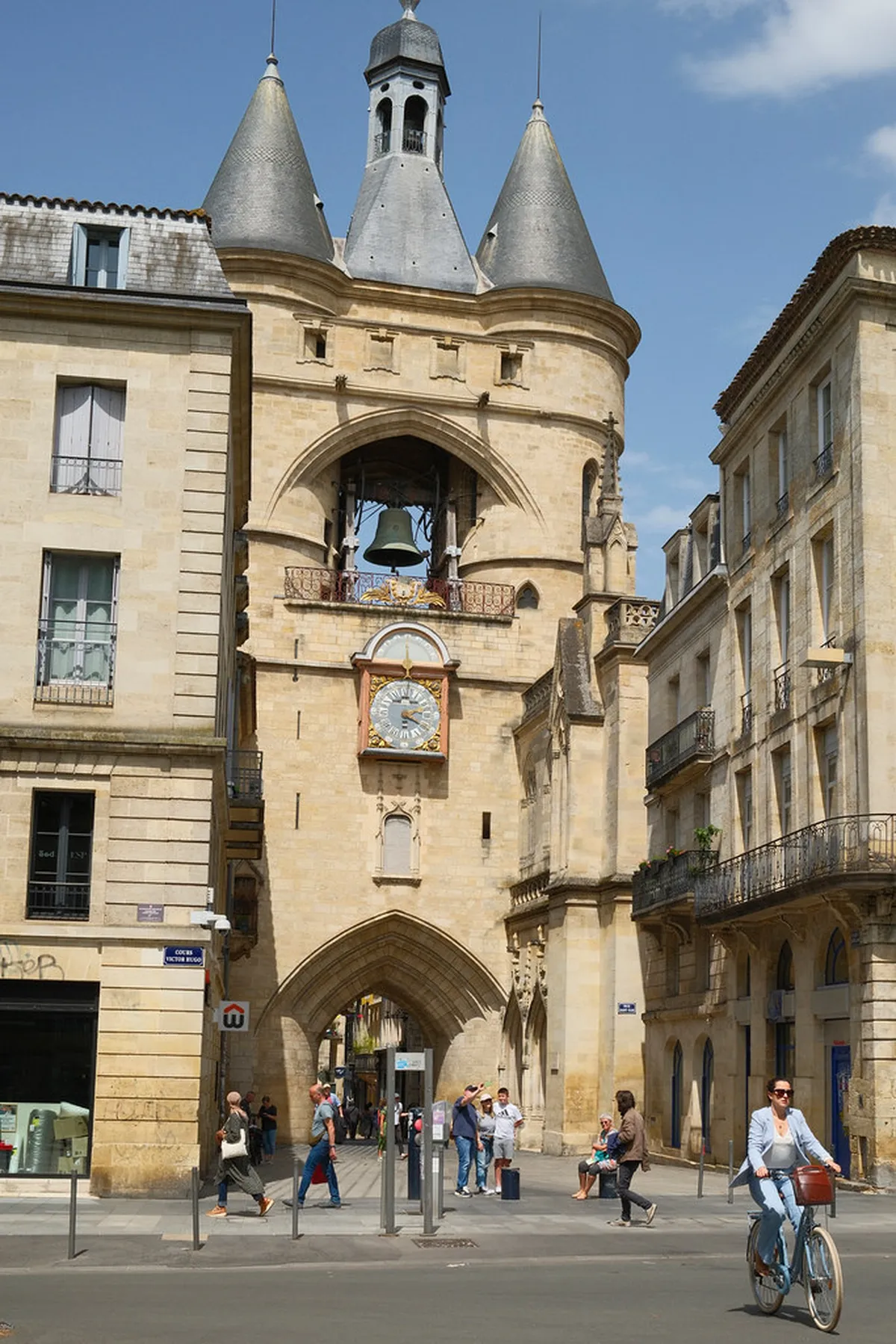
The Grosse Cloche is a stunning medieval gateway in the heart of Bordeaux. It is a favorite spot for photographers visiting the city. This Grosse Cloche Bordeaux photography guide helps you find the best shooting locations. You can capture the bell tower from many different angles.

The surrounding streets offer unique perspectives of this historic monument. Planning your visit in 2026 ensures you get the perfect lighting. Follow our expert tips to create a professional travel portfolio.

History of the Grosse Cloche Monument

The Grosse Cloche served as a defensive gate and a bell tower. It was built on the remains of the old Saint-Eloi gate. The current structure dates back to the fifteenth century. It is one of the few remaining medieval monuments here.

The massive bell inside weighs nearly eight thousand kilograms. It only rings on special occasions throughout the year. You can see the golden leopard on top of the tower. This symbol represents the English rule over the region.

The architecture features twin circular towers with conical roofs. A central archway connects these two impressive stone structures. It is a masterpiece of Gothic design in southern France. Photographers love the intricate stonework and historical textures.

10 Essential Spots for Your Grosse Cloche Bordeaux Photography Guide

Finding the right spot is key for your Grosse Cloche Bordeaux photography guide. There are many streets that lead toward this iconic landmark. Each street offers a different mood and composition for your shots. You should explore the area on foot to find hidden gems.

Start your morning with a walk down Rue Saint-James. This narrow street provides a perfect leading line toward the arch. You can also check out our 1-day itinerary in Bordeaux for more photo ideas. It covers several nearby highlights in a single afternoon.

Don't forget to look up at the clock face. The astronomical clock was added in the eighteenth century. It adds a scientific and artistic element to your architectural photos. Capturing these details requires a steady hand or a tripod.

  1. Rue Saint-James Street Level View
    • Type: outdoor historic sight
    • Why go: iconic medieval gateway view
    • Best for: classic postcard shots
    • Where: Rue Saint-James entrance
    • Time: thirty minutes needed
    • Cost: free to view
    • Getting there: walk from tram A
    • Tip: arrive before eight am
  2. Cours Victor Hugo Wide Perspective
    • Type: architectural wide shot
    • Why go: captures the tower height
    • Best for: urban landscape photos
    • Where: Cours Victor Hugo crossing
    • Time: fifteen minutes needed
    • Cost: free to view
    • Getting there: use tram stop Sainte-Catherine
    • Tip: use a wide lens
  3. The Golden Leopard Detail Shot
    • Type: macro architectural detail
    • Why go: unique historical symbol
    • Best for: telephoto zoom practice
    • Where: top of the tower
    • Time: ten minutes needed
    • Cost: free to view
    • Getting there: look up from street
    • Tip: wait for blue skies
  4. Evening Blue Hour Tower Glow
    • Type: nighttime city experience
    • Why go: beautiful golden lighting
    • Best for: long exposure shots
    • Where: Rue Saint-James north
    • Time: one hour needed
    • Cost: free to view
    • Getting there: walk from city center
    • Tip: use a sturdy tripod
  5. View from a Nearby Sidewalk Cafe
    • Type: lifestyle photography spot
    • Why go: relaxed local atmosphere
    • Best for: candid street shots
    • Where: Cafe Books terrace
    • Time: forty-five minutes needed
    • Cost: price of a coffee
    • Getting there: located on Rue Saint-James
    • Tip: focus on the foreground
  6. Rue de la Rousselle Side Angle
    • Type: alternative street view
    • Why go: less crowded perspective
    • Best for: quiet morning shoots
    • Where: Rue de la Rousselle
    • Time: twenty minutes needed
    • Cost: free to view
    • Getting there: short walk from tower
    • Tip: watch for leading lines
  7. Rainy Day Puddle Reflection Shot
    • Type: creative nature experience
    • Why go: unique mirror effects
    • Best for: artistic photography fans
    • Where: cobblestones near arch
    • Time: thirty minutes needed
    • Cost: free to view
    • Getting there: walk during light rain
    • Tip: get your camera low
  8. Nighttime Illumination and City Lights
    • Type: night architectural sight
    • Why go: dramatic shadows and light
    • Best for: high ISO testing
    • Where: directly under the arch
    • Time: twenty minutes needed
    • Cost: free to view
    • Getting there: safe evening walk
    • Tip: check lighting schedule
  9. Saint-Michel Spire in the Distance
    • Type: panoramic day trip
    • Why go: dual monument composition
    • Best for: layering different landmarks
    • Where: Rue des Faures junction
    • Time: twenty minutes needed
    • Cost: free to view
    • Getting there: five minute walk away
    • Tip: use a medium zoom
  10. Porte de Bourgogne Arched View
    • Type: nearby historic gateway
    • Why go: compare different gates
    • Best for: historical contrast shots
    • Where: Place de Bir-Hakeim
    • Time: fifteen minutes needed
    • Cost: free to view
    • Getting there: walk toward the river
    • Tip: shoot at sunset

Best Time and Lighting for Photos

Timing is everything when you want to avoid busy tourist crowds. The streets around the bell tower are very popular with locals. Early morning light hits the stone beautifully from the east. This creates a soft glow that enhances the medieval features.

Blue hour is another fantastic time for capturing the city lights. The tower is often illuminated after the sun goes down. This contrast between the dark sky and warm stone is striking. You might read our climbing the Pey-Berland Tower guide for sunset views.

Summer months bring longer days but also more people. Spring and autumn offer a better balance of light and space. Winter mornings can be misty and atmospheric for moody street photography. Check the local weather forecast before you head out.

Recommendation: Don't miss out on amazing Bordeaux tours - book now!

A wide-angle lens is essential for capturing the entire tower. The streets are narrow, so you need a broad field of view. A 16mm or 24mm lens works best for these tight spaces. This gear helps you include the surrounding historic buildings.

Bring a telephoto lens to zoom in on the golden leopard. You can also capture the details of the astronomical clock. A tripod is useful for long exposures during the evening hours. Consider using the Bordeaux City Pass prices and benefits for transport.

High-resolution sensors will help you crop your images later. Keep your ISO low to maintain the texture of the old stone. Fast apertures are helpful if you are shooting handheld in low light. Always carry an extra battery for long shooting sessions.

Exploring the Saint-James Neighborhood

The Saint-James neighborhood is full of character and charm. It is one of the most vibrant areas in the city center. You will find many independent boutiques and cozy coffee shops here. It is a great place for lifestyle and street photography.

Walk toward the river to see other famous landmarks nearby. You can find the top things to see at Place de la Bourse easily. These two locations are within walking distance of each other. The path takes you through beautiful eighteenth-century architecture.

Look for local artisans working in their small workshops. These scenes add a human element to your travel photo collection. The contrast between old traditions and modern life is very photogenic. Take your time to soak in the local atmosphere.

Practical Travel Tips for Bordeaux

Reaching the Grosse Cloche is simple using the local tram system. Line A stops at Sainte-Catherine, which is a short walk away. You can also use Line B to reach the nearby museum district. Walking is the best way to explore the historic center.

Most areas around the monument are pedestrian-friendly and safe. Be mindful of your camera gear in crowded shopping streets. Wear comfortable shoes as the cobblestones can be uneven. You can find more tips on our blog for planning.

Public restrooms and water fountains are available in nearby squares. There are many benches where you can rest between photo sessions. Respect the privacy of residents living in the historic buildings. Always follow local rules regarding photography in public spaces.

Frequently Asked Questions

When is the best time to photograph the Grosse Cloche?

The best time is early morning during the golden hour for soft light. You will avoid large crowds and enjoy beautiful warm tones on the historic stone. This timing creates a professional look for your 2026 travel photos.

Do I need a tripod for photos of the Grosse Cloche?

A tripod is highly recommended for night shots or long exposures during blue hour. It ensures your images remain sharp when using low shutter speeds. During the day, you can easily shoot handheld with most modern cameras.

Is it free to take photos of the Grosse Cloche?

Yes, taking photos of the exterior from the public streets is completely free. You can spend as much time as you like finding the perfect angle. Please be respectful of pedestrians and local businesses while you are shooting.

The Grosse Cloche is a must-see for any photographer in Bordeaux. Its rich history and stunning architecture provide endless creative opportunities. We hope this guide helps you capture the spirit of the city.

Pack your bags and get ready for an amazing visual journey. Bordeaux is waiting to be discovered through your camera lens. Enjoy every moment of your 2026 French adventure.

Prefer AI to do the work? Try our free online itinerary maker to plan this trip in minutes.

Share this article