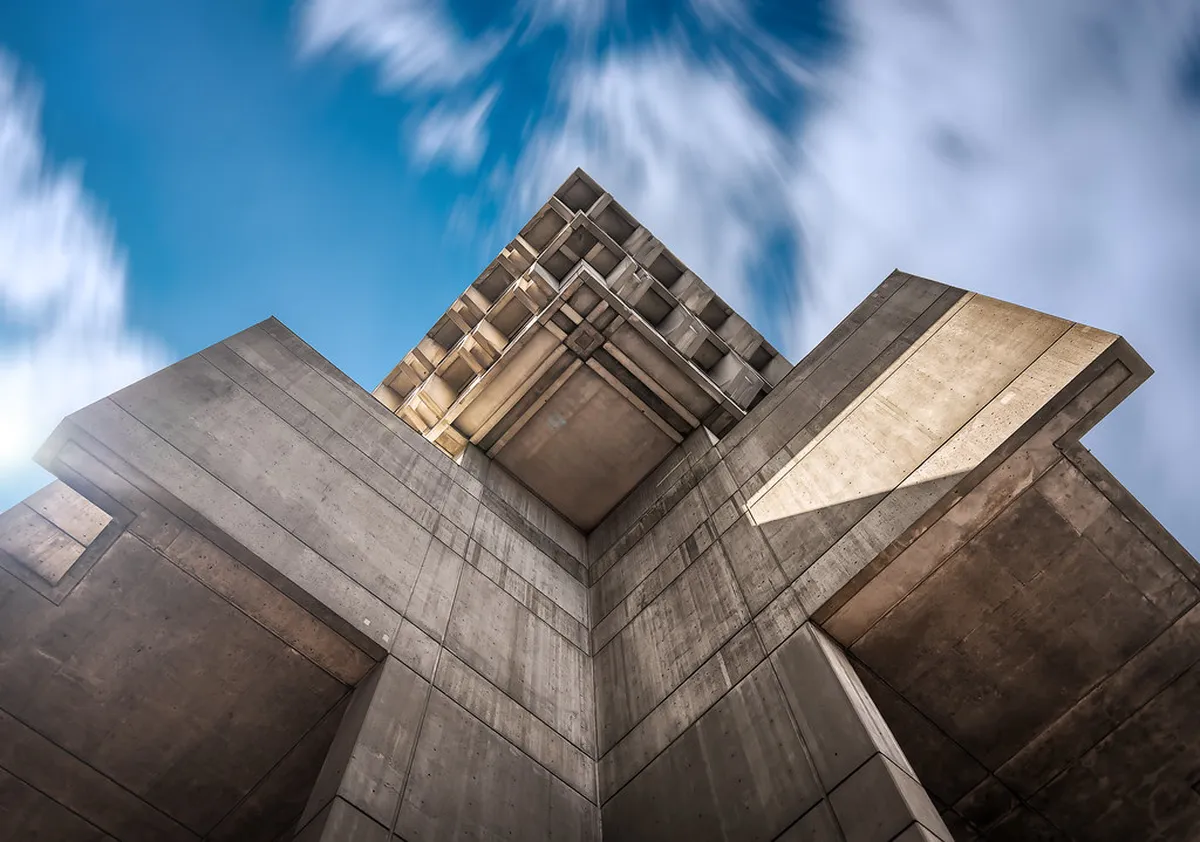
Stavanger, Norway, boasts a rich architectural tapestry. Beyond its charming wooden houses, discover bold Brutalist architecture. These imposing concrete structures tell a unique story. They represent a significant post-war design movement. This guide explores key examples across Stavanger.
Brutalism offers a striking contrast to older styles. Its raw concrete aesthetic defines many important buildings. Explore Stavanger's distinct architectural styles on your next visit. Prepare to uncover the robust beauty of this unique design movement.
Understanding Stavanger's Brutalist Style
Turn this guide into a personal route with our free Stavanger itinerary planner.
Brutalist architecture emerged in the mid-20th century. It emphasizes raw concrete, blocky forms, and functional design. This style often highlights structural elements directly. Stavanger adopted Brutalism during a period of urban expansion. The 1960s and 70s saw many new public buildings.
Architects favored honest expression of materials. Exposed concrete, or 'béton brut,' was a hallmark. This gave buildings a formidable, sculptural presence. They often featured repetitive modular elements. This approach created a sense of strength and permanence.
The style also reflected post-war optimism and public ambition. Many Brutalist structures served civic functions. Think of schools, universities, and government offices. Learn more about Stavanger's architecture history. You will appreciate these powerful statements of design.
Key Brutalist Examples at University of Stavanger
The University of Stavanger campus showcases prominent Brutalist designs. The original buildings, completed in the 1970s, exemplify the style. They feature large concrete facades and strong geometric shapes. These structures were built for durability and expansion.
The university library is a notable example. Its design incorporates robust concrete elements throughout. It creates a sense of academic gravitas. The building's interior also uses raw materials. This offers a consistent architectural experience. Explore more about Stavanger University buildings. You will see their unique contributions to the city's modern landscape.
Many buildings on campus share these Brutalist characteristics. They include lecture halls and administrative blocks. Their scale and material choices are very impactful. These buildings continue to serve thousands of students daily. Consider visiting the campus during your 2026 trip. You can observe these significant designs firsthand.
The overall campus layout reflects Brutalist planning principles. It prioritizes function and efficient movement. The large, interconnected blocks feel very purposeful. This thoughtful design supports a busy university environment. Discover the specific university library design details. It is a true local architectural gem.
Exploring Stavanger Brutalism Beyond the Campus
While the university is a major hub, other examples exist. Certain residential blocks exhibit Brutalist influences. They often feature repetitive concrete panels. These buildings provide sturdy, functional housing. Their design prioritizes efficiency over ornamentation.
Public buildings from the same era also contribute. Some former government offices display Brutalist traits. Look for imposing concrete forms and minimal decor. These structures often command attention in their surroundings. They stand as monuments to their construction period.
To find these hidden gems, explore the city's mid-century areas. A good Stavanger architecture itinerary can help. You might uncover some surprising examples. Many are integrated into daily life. This makes them easy to overlook.
Some buildings near the city center might also feature Brutalist elements. They blend into the urban fabric. These might include functional structures like parking garages. Often, these pragmatic buildings embrace raw concrete. This highlights the practical side of Brutalist design. Check out our guide to modern Stavanger buildings for more. It offers a broader perspective on the city's evolving urban landscape.
The Future and Preservation of Brutalism
Brutalist architecture often sparks strong opinions. Some view these buildings as stark and uninviting. Others appreciate their monumental scale and honesty of materials. Debates around their preservation are common globally. Stavanger is no exception to these discussions.
Many Brutalist buildings face demolition threats. Their maintenance can be costly. Public perception also plays a role in their fate. However, there is growing interest in their historical value. Architects and historians advocate for their protection. They represent a distinct period of design.
Preserving these structures ensures architectural diversity. It also tells the story of Stavanger's development. Future generations can appreciate this unique style. Learn about preservation debates in Stavanger. Understanding them offers valuable context. It highlights the cultural significance of these structures.
In 2026, efforts continue to document and protect these sites. Some buildings might undergo renovation. These projects often balance modernization with historical integrity. This allows Brutalist structures to adapt. They continue to serve the community in new ways. Consider how city planning influences these decisions. It impacts the urban environment for years to come.
Frequently Asked Questions
What are the best examples of Brutalist architecture in Stavanger?
The University of Stavanger campus offers prime examples. Its main buildings show classic Brutalist features. You will find robust concrete and strong geometric forms. Explore the university library for a deeper understanding.
Why is Brutalist architecture found in Stavanger?
Stavanger experienced significant growth post-WWII. This led to a boom in construction. Brutalism was a popular, cost-effective style then. It suited the city's need for functional public buildings. The oil boom also spurred new development.
Can I take a walking tour to see Stavanger's Brutalist buildings?
While no dedicated Brutalist tour exists, you can create one. Focus on the University of Stavanger area. You can also consult a general architecture walking tour for ideas. Many guides highlight modern structures. Use a map to plot your route efficiently.
Stavanger's Brutalist architecture stands as a powerful statement. These concrete giants reflect a pivotal era. They offer a striking contrast to other city styles. Embrace their unique aesthetic on your next visit. This style is a vital part of Stavanger's architectural story.
Plan your 2026 trip to discover these strong, honest buildings. Appreciate their history and design principles. Delve deeper into Stavanger Brutalist architecture. It offers a truly distinctive urban experience.
Key Takeaways
- Stavanger features significant Brutalist architecture, especially at its university.
- Brutalist buildings use raw concrete, blocky forms, and functional designs.
- Many structures date from the mid-20th century urban expansion.
- Preservation debates highlight their historical and architectural importance.