ItiMaker
12 Essential Carcassonne Photography Spots and Tips

12 Essential Carcassonne Photography Spots and Tips

By
1796 words9 min read

About the Author

Travel Expert & Content Creator

Our travel experts have visited hundreds of destinations worldwide and are passionate about sharing authentic, practical travel advice. With years of experience in travel planning and content creation, we help travelers make informed decisions and create unforgettable journeys.

The medieval citadel of Carcassonne stands as a crown jewel of southern France, offering photographers endless opportunities to capture history through a lens.

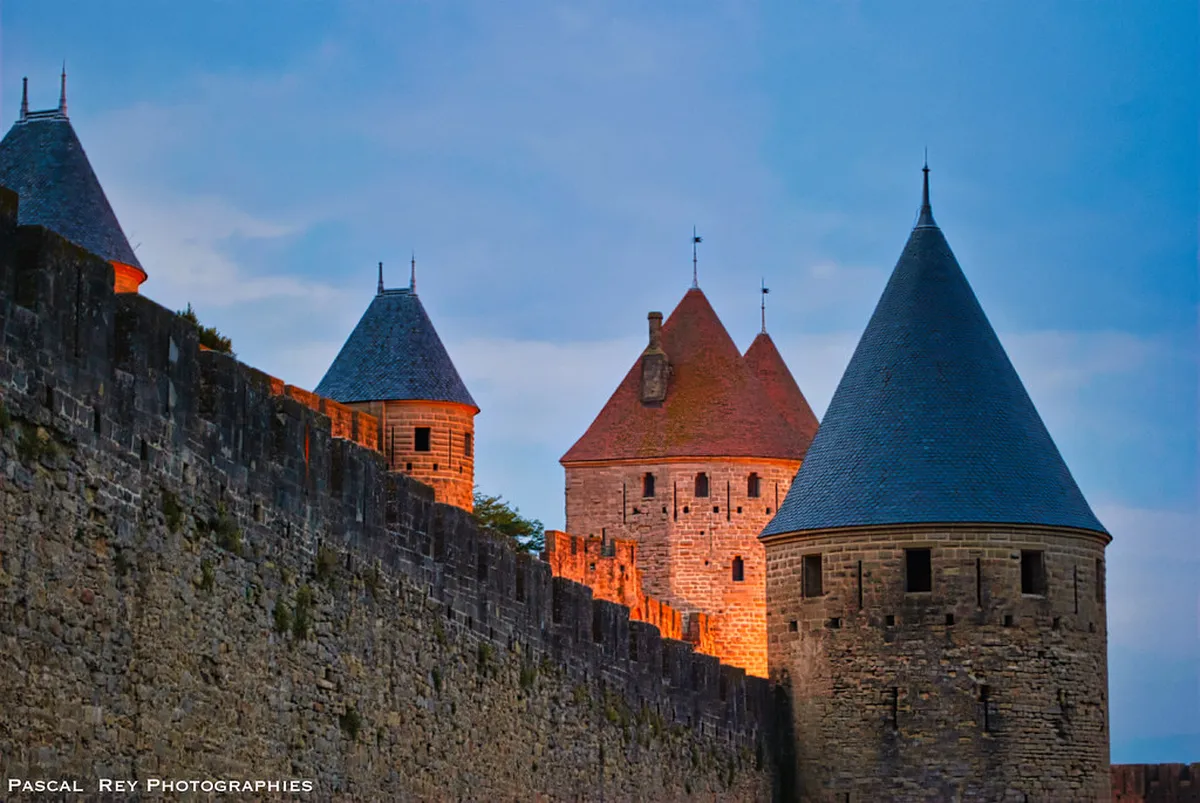
This UNESCO World Heritage site features double-walled fortifications and 52 massive stone towers that dominate the skyline.

Finding the perfect angle requires a mix of patience and local knowledge of the Occitanie landscape.

Whether you are a professional or a hobbyist, this Carcassonne photography guide will help you locate the most iconic castle viewpoints.

Iconic Skyline Views from Pont Vieux and Pont Neuf

Pont Vieux provides the most famous postcard view of the medieval city. The bridge itself dates back to the 14th century and offers a sturdy platform for long exposures.

You should aim to arrive here just before sunset to catch the golden light hitting the western walls. Early mornings are also excellent for capturing the citadel without heavy pedestrian traffic.

Pont Neuf sits slightly further away but offers a broader perspective of the entire citadel. Using a telephoto lens from this distance helps compress the towers against the backdrop of the Montagne Noire.

Reflections are often visible in the water during calm mornings or late evenings. Try to find a low-angle spot near the riverbank to maximize the symmetry in your composition.

Capturing the Porte Narbonnaise and Outer Defenses

The Porte Narbonnaise serves as the grand entrance to the Upper City and is a masterpiece of medieval engineering. Its twin spur-shaped towers create a powerful symmetrical frame for wide-angle shots.

Look for the bust of Dame Carcas near the drawbridge to add a historical narrative to your images. You can learn more about this figure through the Grand Carcassonne Tourism - Legend of Dame Carcas resources.

The outer defenses offer a rugged texture that looks particularly striking during the blue hour. Position your tripod near the moat area to capture the height of the walls against the darkening sky.

Avoid shooting directly at noon when the sun creates harsh shadows on the stone facades. Late afternoon light brings out the warm, golden hues of the sandstone blocks.

Inside the Cité: Château Comtal and the Inner Ramparts

The Château Comtal is the fortress within the fortress, offering a concentrated dose of architectural beauty. Its inner courtyards provide intimate angles of the wooden galleries and stone masonry.

Walking the elevated ramparts allows you to photograph the city from a unique high-vantage point. Check the Centre des Monuments Nationaux (Château Comtal Tickets) for current access hours and photography policies.

Planning your visit around a how to visit Château Comtal and the Ramparts guide ensures you reach the best spots before they get crowded.

Focus on the contrast between the circular towers and the straight lines of the curtain walls. These geometric patterns are ideal for black and white photography enthusiasts.

Architectural Details of Basilica of Saints Nazaire and Celsus

🌟 Local Expert Tip: Get the most out of your Carcassonne visit with guided tours!

The Basilica of Saints Nazaire and Celsus is renowned for its stunning blend of Romanesque and Gothic styles. Its stained-glass windows are among the most beautiful in southern France, requiring a steady hand or high ISO.

Capture the intricate gargoyles and stone carvings that adorn the exterior of the church. The Official Carcassonne Tourism Office provides detailed maps to help you find every hidden corner.

Interior shots are best taken during the morning when the sun illuminates the choir and the transept. Be mindful of ongoing services and maintain a respectful distance from worshippers while shooting.

Use a wide-angle lens to capture the soaring height of the vaulted ceilings. This perspective emphasizes the spiritual and architectural grandeur of the medieval era.

The Lices: Shooting Between the Double Walls

🌟 Local Expert Tip: Get the most out of your Carcassonne visit with guided tours!

The Lices refers to the flat space located between the inner and outer defensive walls. This area provides a dramatic sense of scale that is difficult to find elsewhere in the city.

Leading lines are abundant here, as the walls stretch out toward the horizon in a gentle curve. This is an excellent location for capturing the depth and complexity of the fortification system.

Early morning light often filters through the towers, creating long shadows across the gravel paths. These conditions add a sense of mystery and drama to your medieval street photography.

Travelers often find that the Lices are less crowded than the main interior streets. This extra space makes it much easier to set up a tripod for precision framing.

Night Photography: The Illuminated Medieval Citadel

Night photography in Carcassonne transforms the ancient stone into a glowing beacon. The floodlights are typically turned on shortly after sunset, marking the beginning of the blue hour.

This window of time offers a perfect balance between the artificial warm lights and the deep blue of the sky. A tripod is essential for these long exposures to keep the details sharp and the noise low.

Experiment with different white balance settings to manage the yellow glow of the sodium lamps. Many photographers prefer a cooler setting to create a more cinematic and moody atmosphere.

The view from the banks of the Aude River is particularly spectacular at night. You can see the entire citadel reflected in the water, doubling the visual impact of the lights.

Street Photography in the Bastide Saint-Louis (Lower City)

The Bastide Saint-Louis offers a different aesthetic compared to the medieval heights of the Cité. Its grid-like streets are filled with local life, colorful shutters, and charming French cafes.

Place Carnot is the heart of the lower city and a prime spot for candid street photography. You can capture the energy of the local market or the relaxed pace of afternoon coffee culture.

Finding a spot in the parking in Carcassonne: P0 vs P1 vs Gambetta guide will help you transition easily between the two parts of the city.

Look for the 18th-century mansions and the decorative facades that line the main boulevards. These details provide a wonderful contrast to the military architecture found in the Upper City.

Riverside Perspectives along the Canal du Midi

The Canal du Midi is another UNESCO site that offers serene photography opportunities. The tree-lined banks and slow-moving canal boats create a peaceful, pastoral atmosphere.

Capture the engineering marvels of the lock systems as boats pass through the historical waterways. You might consider taking one of the Canal du Midi Boat Trips to get unique shots from the water.

The bridges over the canal provide elevated viewpoints for capturing the symmetry of the plane trees. These paths are also popular for cycling and walking, offering plenty of human-interest subjects.

Autumn is a particularly beautiful time to visit the canal for photography. The changing leaves create a vibrant frame of reds and golds around the green canal water.

Panoramic Vistas from Lac de la Cavayère

🌟 Local Expert Tip: Get the most out of your Carcassonne visit with guided tours!

Lac de la Cavayère is located just a short drive from the city center and offers a natural escape. From certain points along the lake trail, you can see the Cité silhouette rising in the distance.

Morning mist over the water can add a dreamlike quality to your landscape compositions. The lake provides a soft, natural foreground that contrasts beautifully with the distant stone towers.

This location is ideal for photographers who want to capture the citadel within the context of the wider Aude landscape. The surrounding hills and forests provide a variety of framing options.

Sunset here can be quite spectacular, as the sky turns orange behind the medieval skyline. It is a quiet alternative to the more popular bridge locations closer to town.

Hidden Gems: The Cemetery and Vineyard Viewpoints

The Cimetière de la Cité offers a unique perspective that most generic travel guides miss. Position yourself so the ornate stone crosses serve as a dramatic foreground to the towering ramparts.

Heading to the western side of the Cité reveals lush vineyards that offer a rural medieval aesthetic. These fields provide a soft green contrast to the harsh grey stone of the fortifications.

Accessing these spots often requires a short walk away from the main tourist paths. The peace and quiet here allow for a much more relaxed and creative shooting experience.

  • Hidden Vantage Points Near the Citadel
    • Location: Cimetière de la Cité
    • Vibe: Gothic and dramatic
    • Location: Western Vineyards
    • Vibe: Rural and scenic

Essential Photography Tips: Timing and Gear

Lighting conditions vary throughout the year, impacting how the shadows fall across the ramparts. Consult a best time to visit Carcassonne seasonal guide to align your trip with the optimal weather.

Crowd management is a major challenge for those seeking empty medieval streets. Tour groups typically arrive around 10:30 AM and begin to dissipate after 4:00 PM in the afternoon.

Bring a variety of lenses to cover the diverse architectural scales found within the city. A wide-angle lens is essential for the narrow alleys, while a telephoto is better for distant views.

  1. Recommended Focal Lengths for Castle Views
    • Wide-angle: 16-35mm
    • Mid-range: 24-70mm
    • Telephoto: 70-200mm
    • Tripod: Carbon fiber

Frequently Asked Questions

What is the best time of day to photograph Carcassonne?

The best time for photography is during the golden hour, just before sunset or after sunrise. This light highlights the textures of the stone walls without creating harsh shadows. Night photography is also popular during the blue hour when the citadel floodlights turn on.

Can I fly a drone over the Carcassonne castle?

Drone flight is strictly regulated over the UNESCO site and generally prohibited without specific professional permits. You should check the latest local aviation rules for 2026 before attempting to fly. Always respect the privacy and safety of the many visitors on the ramparts.

Is the Château Comtal worth the entry fee for photographers?

Yes, the entry fee is worth it for access to the inner ramparts and the highest towers. These areas provide unique vantage points that are not accessible from the public streets. You can find current pricing on the Château Comtal and Ramparts Official Site.

Where can I get a unique, less crowded shot of Carcassonne?

The Cimetière de la Cité and the western vineyards offer excellent, less-crowded perspectives. These spots provide unique foreground elements like stone crosses or grapevines. Planning a Carcassonne day trip budget and costs helps you manage your time for these extra walks.

Carcassonne is a dream destination for photographers looking to capture the spirit of medieval Europe. From the iconic bridges to the hidden vineyards, every angle tells a story of ancient defense and architectural beauty.

Following this guide will ensure you return home with a diverse and professional portfolio of this UNESCO site. Consider a 2 day Carcassonne itinerary to give yourself enough time for both the Cité and the Bastide.

Remember to pack the right gear and time your visits to avoid the heaviest tourist crowds. Your patience will be rewarded with stunning images of one of the world's most impressive fortresses.

Prefer AI to do the work? Try our free online itinerary maker to plan this trip in minutes.

Share this article