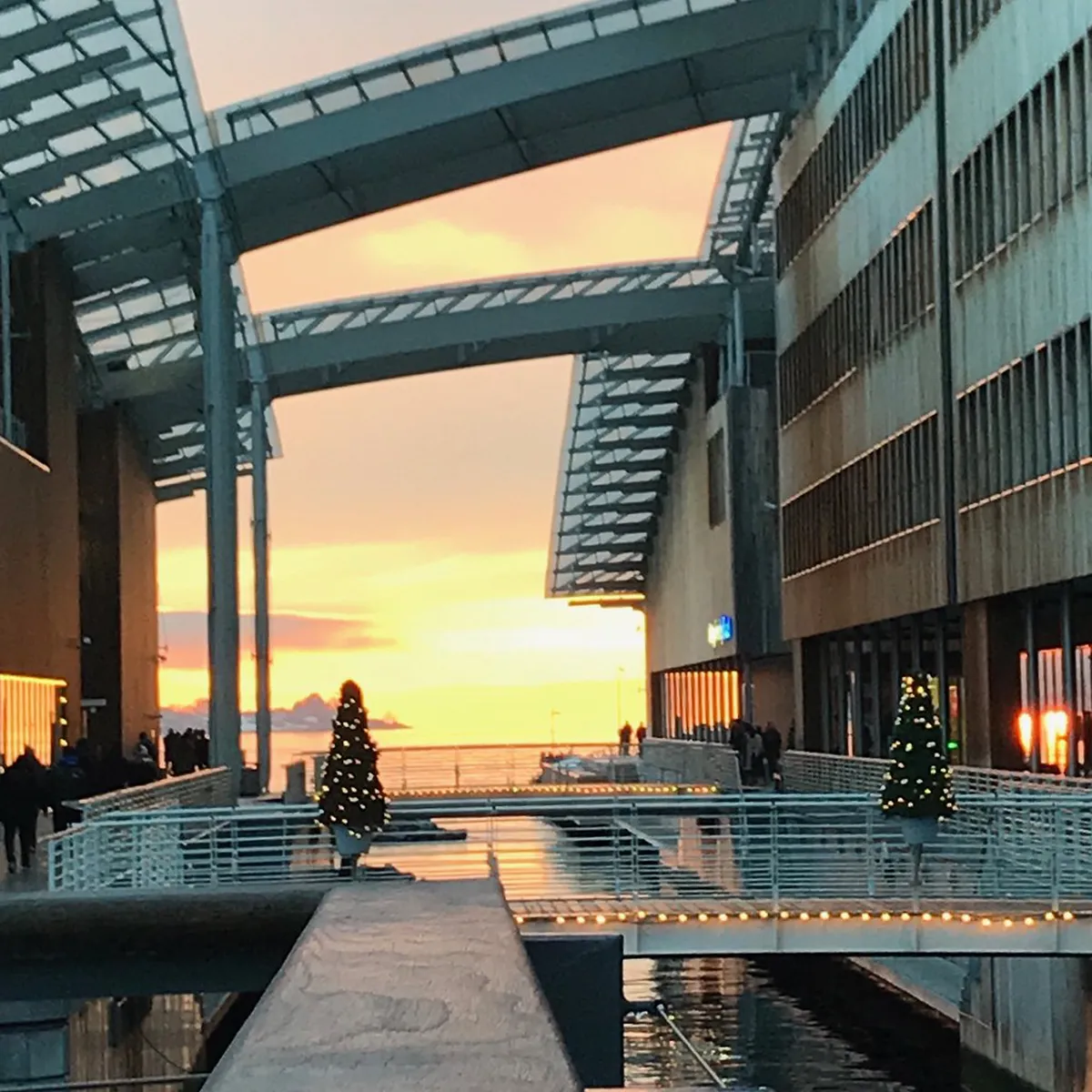
The Astrup Fearnley Museum boasts captivating modern architecture. It stands proudly in Oslo's vibrant Tjuvholmen district. This museum is a beacon of contemporary design. It showcases stunning art within an equally impressive structure.
Renzo Piano, a world-renowned architect, designed this masterpiece. His vision connects art with the natural environment. Explore this architectural gem on your Oslo architecture itinerary in 2026. Prepare to be amazed by its unique features.
Renzo Piano's Vision for Oslo's Waterfront
Turn this guide into a personal route with our free Oslo itinerary planner.
Renzo Piano is famous for innovative designs. He envisioned the Astrup Fearnley Museum architecture as a collection of structures. These buildings unite under a single glass roof. This design creates a seamless indoor-outdoor experience.
His architectural style often blends with nature. The museum perfectly reflects its waterfront setting. It invites visitors to interact with art and the fjord. Piano's work enhances Oslo's cultural landscape significantly.
The entire complex comprises three distinct buildings. They house the permanent collection and temporary exhibitions. A footbridge connects these elements gracefully. This thoughtful design emphasizes connection and flow for contemporary Oslo architecture.
Architectural Elements and Materials Used
The Astrup Fearnley Museum architecture uses striking materials. Its most prominent feature is the curved glass roof. This roof resembles a giant sailboat's sails. It allows abundant natural light to flood the interiors.
Solid wood forms much of the exterior cladding. Brazilian hardwood creates warmth and texture. This choice complements the surrounding natural elements. It also adds a tactile quality to the structure.
Internal spaces feature exposed concrete and steel. These industrial elements balance the warmth of the wood. Large windows offer breathtaking views of the Oslo Fjord. The architecture itself becomes part of the art experience.
Sustainability was a key consideration in its construction. The design maximizes natural light and ventilation. This approach reduces energy consumption significantly. It reflects modern Norwegian building principles.
Seamless Integration with Tjuvholmen District
The Astrup Fearnley Museum sits on the Tjuvholmen peninsula. This area was once a bustling shipyard. Now it is a vibrant cultural and residential hub. The museum anchors this impressive urban development.
Piano's design integrates beautifully with the surroundings. It extends the public promenade along the waterfront. Visitors can walk around the museum freely. This creates a welcoming public space for everyone.
The museum shares the peninsula with other modern buildings. These include hotels, galleries, and restaurants. It contributes significantly to Oslo's design district identity. The area truly embodies thoughtful urban planning.
Enjoy public art installations nearby as well. The sculpture park offers outdoor artistic exploration. It complements the indoor museum experience perfectly. Tjuvholmen is an example of thoughtful city renewal.
Visiting Astrup Fearnley: Tips for 2026
Plan your visit to fully appreciate its architecture. The museum is located at Strandpromenaden 2, Oslo. It is easily accessible by public transport. Buses and trams stop nearby in Aker Brygge.
Tickets cost approximately NOK 150 for adults in 2026. Concessions are available for students and seniors. Check the official Astrup Fearnley Museum website for current opening hours. Hours typically vary by season.
Allow at least two hours to explore both art and architecture. Consider taking an Oslo architectural walking tour. Many tours include Tjuvholmen and the museum. This offers deeper insights into its design.
After your visit, enjoy the surrounding area. Tjuvholmen offers many excellent dining options. Relax by the fjord with stunning views. It’s a perfect way to end your cultural excursion.
Frequently Asked Questions
Who designed the Astrup Fearnley Museum architecture in Oslo?
Renzo Piano, a renowned Italian architect, designed the museum. He is famous for his innovative and contextual designs. His work often integrates buildings seamlessly with their surroundings. The museum stands as a testament to his vision.
Where is the Astrup Fearnley Museum located in Oslo?
It is located on the Tjuvholmen peninsula. This area is a former industrial port transformed into a modern district. You can find it at Strandpromenaden 2, 0252 Oslo. It's easily reachable from Oslo Central Station.
What makes the Astrup Fearnley Museum building unique?
Its most unique feature is the striking glass roof. This roof unifies three separate buildings. It also uses warm Brazilian hardwood alongside industrial elements. The design offers stunning views of the fjord. This blend of elements creates a distinct visual identity.
The Astrup Fearnley Museum architecture offers a truly unique experience. Renzo Piano's design blends art, nature, and urban life. Its glass roof and wooden facade create a striking landmark. This museum is a must-see for design enthusiasts.
Visit Tjuvholmen to explore this modern masterpiece in 2026. Discover more Oslo architectural landmarks. Immerse yourself in Norway's vibrant art and design scene. Plan your trip to this inspiring destination today.
Key Takeaways
- Renzo Piano designed the iconic Astrup Fearnley Museum.
- Its glass roof and wooden facade blend with the Oslo Fjord.
- Located in Tjuvholmen, it's a hub for art and urban design.