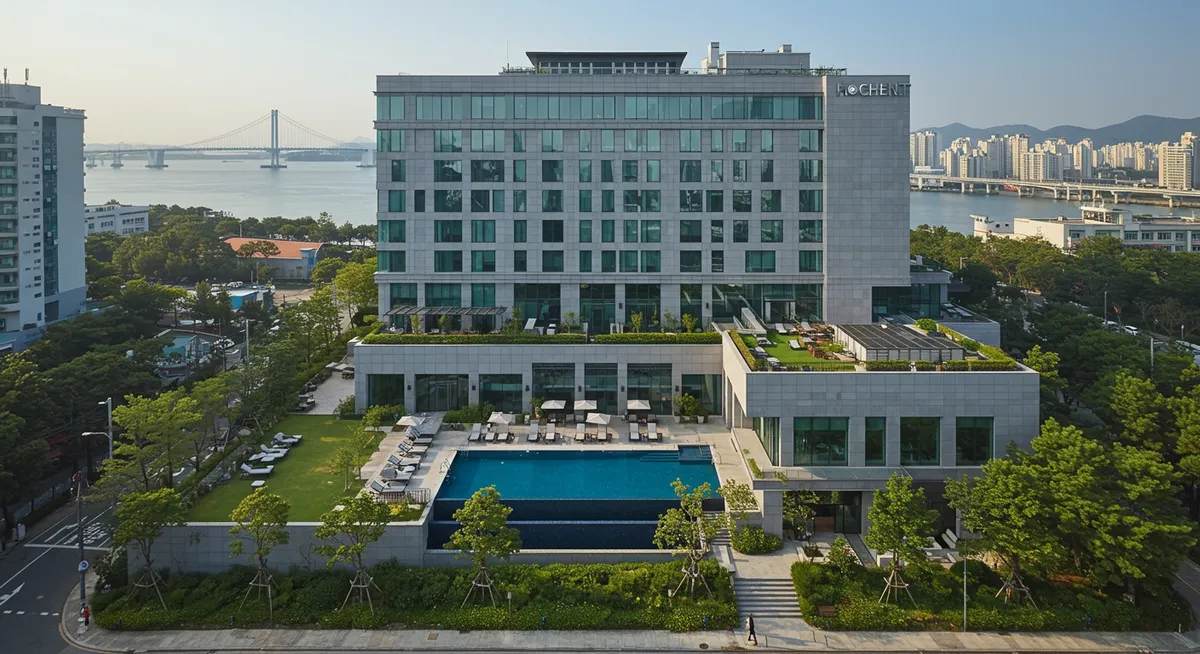
TL;DR: The best areas to stay in Incheon for tourists in 2026 are Songdo International City for modern comforts and families, Chinatown and the Open Port district for culture seekers, the ICN Airport zone for layovers, Guwol-dong for urban nightlife and shopping, and Wolmi Island and Yeonsu for quieter coastal vibes. Read on for neighborhood breakdowns, hotel picks at every price point, and practical booking tips.
Why Your Incheon Neighborhood Choice Matters in 2026
Turn this guide into a personal route with our free Incheon itinerary planner.
Incheon is far more than just the city attached to South Korea's main international airport. With a metropolitan population exceeding three million and ongoing expansion of the GTX express rail network in 2026, the city offers distinct neighborhoods that cater to vastly different travel goals. Picking the right base determines how much time you spend commuting versus exploring, how much you pay per night, and whether the vibe around your hotel matches what you actually want from the trip. A transit traveler who books in Chinatown wastes precious layover hours on transfers, while a culture-focused visitor stranded near the airport misses the historic heart of the city entirely. This guide breaks down every major area so you can match your accommodation to your priorities, whether that means proximity to the airport, access to street food, family-friendly parks, or lively nightlife.
Incheon Airport Area: Best for Layovers and Late Arrivals
If your flight lands after midnight or you have a tight connection under 24 hours, staying within the Incheon International Airport zone is the most practical decision. Several hotels sit directly inside or adjacent to the terminals, eliminating the need for ground transport altogether. The Grand Hyatt Incheon remains the flagship option, connected to Terminal 1 by an enclosed walkway and offering rooms from around 180,000 KRW per night. Paradise City, a resort and entertainment complex near Terminal 1, adds a casino, spa, and art exhibitions for travelers who want to make the most of a short stopover. Budget travelers can book capsule-style transit hotels inside the terminals for under 50,000 KRW.
Free inter-terminal shuttles run 24 hours, and the Airport Railroad Express (AREX) connects the airport to Seoul Station in 43 minutes, making this zone viable even for travelers who plan a quick day trip into the capital. The downside is limited authentic dining and nightlife; you are essentially in an airport district. For a full breakdown of what to do during a stopover, see our Incheon airport layover guide.
Songdo International City: Modern, Green, and Family-Friendly
Songdo is a purpose-built smart city on reclaimed land, and it consistently ranks as the top Incheon neighborhood for families and first-time visitors in 2026. The centerpiece is Songdo Central Park, a 100-acre green space modeled after New York's Central Park, complete with a canal where you can rent kayaks. Wide pedestrian boulevards, the Tri-Bowl cultural center, and the massive Hyundai Premium Outlet make the area feel clean, safe, and walkable.
Mid-range hotels like the Oakwood Premier and Gyeongwonjae Ambassador dominate the accommodation scene, with rates typically between 120,000 and 200,000 KRW. Serviced apartments are popular for families staying longer than three nights. The Incheon Metro Line 1 connects Songdo to Bupyeong and the broader subway network, while the Incheon BRT (Bus Rapid Transit) links directly to the airport in about 50 minutes.
The trade-off is that Songdo feels somewhat sterile compared to older districts. Nightlife is limited to hotel bars and a handful of craft beer spots, and the area lacks the historic character found in Chinatown. Still, for travelers who value modern amenities, green space, and easy navigation, Songdo is hard to beat. Explore more activities across the city with our Incheon attractions map and highlights.
Chinatown and Open Port District: History, Culture, and Street Food
Incheon's Chinatown is the oldest and only official Chinatown in South Korea, dating back to 1884 when the port opened to international trade. Today this compact district delivers the richest cultural experience in the city. Colorful murals line the streets, traditional Chinese-Korean architecture frames narrow alleys, and the aroma of freshly made jajangmyeon (black bean noodles) drifts from dozens of restaurants. The dish was literally invented here, and no visit is complete without trying it at one of the original establishments.
Accommodation in this area leans toward guesthouses and boutique hotels, with nightly rates often under 80,000 KRW. The Harbor Park Hotel offers solid mid-range value with port views. Beyond Chinatown itself, the adjacent Open Port district includes Jayu Park (Freedom Park), the Incheon Art Platform, and the fairy-tale-themed Songwol-dong neighborhood, all within a 15-minute walk.
The area connects to Incheon Station (Line 1), giving you direct subway access to Seoul in about 70 minutes. For food lovers, the concentration of authentic Korean-Chinese fusion street food here is unmatched. Dive deeper into the culinary scene with our Incheon street food and local eats guide.
Guwol-dong: Urban Energy, Shopping, and Nightlife
Guwol-dong is downtown Incheon, and it buzzes with the kind of energy you expect from a major Korean city center. Shinsegae department store, the Lotte shopping complex, and a sprawling underground shopping arcade make this the retail capital of the Incheon metro area. After dark, streets fill with neon-lit bars, Korean BBQ joints, and noraebang (karaoke) venues. If your idea of a great evening involves soju, grilled pork belly, and late-night shopping, Guwol-dong delivers.
Hotel options range from budget motels around 40,000 KRW to business hotels in the 100,000-150,000 KRW range. The area sits at the convergence of Incheon Metro Lines 1 and 2, making it exceptionally well connected to every other neighborhood on this list. You can reach the airport in about 55 minutes by train and bus combination, or roughly 40 minutes by taxi.
The main drawback is that Guwol-dong lacks standout tourist attractions within walking distance. It is a living, working district rather than a sightseeing zone. However, its central location and excellent transit links make it a strong base for travelers who want to explore multiple areas without overpaying for accommodation. Check our guide to getting around Incheon to plan your routes from here.
Wolmi Island and Yeonsu: Coastal Calm and Local Charm
For travelers who prefer a quieter, more scenic setting, the Wolmi Island area and the broader Yeonsu district offer waterfront views without the premium pricing of resort hotels. Wolmi Island is connected to the mainland by a causeway and features a theme park, a lighthouse observatory, and a seafood restaurant row along the waterfront. Yeonsu, slightly south, is a residential district with a growing number of clean, affordable hotels that cater to domestic travelers and increasingly to international visitors seeking value.
Nightly rates in Yeonsu typically fall between 50,000 and 100,000 KRW. The area is quieter at night, which suits couples and solo travelers looking for rest. Yeonsu Station on Line 1 provides subway access, and buses connect to both Songdo and the airport. If you want beach and island day trips, this location puts you closest to departure points for Muuido, Yeongjongdo, and other nearby islands. See our guide to Incheon's best beaches and islands for day trip ideas.
Practical Tips for Booking Accommodation in Incheon
Timing your booking matters. Hotel rates in Incheon spike during Chuseok (Korean Thanksgiving, late September or early October in 2026) and during cherry blossom season in April. Booking three to four weeks ahead typically secures the best rates on platforms like Agoda, Booking.com, and Naver Travel. For the best seasonal advice, check our best time to visit Incheon in 2026 guide.
A few practical pointers to keep in mind for 2026:
- T-money card: Load a T-money transit card at any convenience store. It works on all Incheon Metro lines, buses, and the AREX airport express, saving roughly 100 KRW per ride versus cash fares.
- Airport transfers: The AREX all-stop train costs 4,750 KRW to Incheon Station and around 5,000 KRW to Seoul Station. Airport limousine buses serve Songdo, Guwol-dong, and Bupyeong directly.
- Budget range: Expect 40,000-80,000 KRW per night for guesthouses and motels, 100,000-200,000 KRW for mid-range hotels, and 200,000+ KRW for luxury and resort properties.
- Wi-Fi: Nearly every hotel and guesthouse in Incheon provides free high-speed Wi-Fi. Pocket Wi-Fi devices can be rented at the airport for around 5,000 KRW per day.
- Language: English signage is strong in Songdo and the airport zone but limited in Guwol-dong and residential areas. Download Papago or Google Translate offline before arriving.
Frequently Asked Questions
Which Incheon neighborhood is best for first-time visitors in 2026?
Is Incheon a good base for day trips to Seoul?
What is the cheapest area to stay in Incheon?
How far is Incheon Airport from the main tourist areas?
Are there beachfront hotels in Incheon?
Choosing where to stay in Incheon comes down to what kind of trip you are planning in 2026. Airport-zone hotels solve the layover problem. Songdo delivers polish and parks for families. Chinatown rewards curiosity with history and food. Guwol-dong puts you at the center of urban Korean life. And the coastal fringes around Wolmi and Yeonsu offer calm at a lower price. Whatever you choose, Incheon's compact metro system ensures you are never more than an hour from any other district on this list. For help budgeting your entire visit, see our Incheon trip cost guide for 2026.