TL;DR: The best area to stay in Gyeongju depends on your travel style. Choose Hwanglidan-gil and the Historic District to walk to Silla-era tombs and trendy cafes, Bomun Lake Resort for family-friendly pools and lake views, the Bulguksa Temple area for a peaceful retreat near UNESCO sites, or Gyeongju City Center for budget-friendly hotels close to transit. Below we break down each neighborhood with specific hotel recommendations for 2026.
Gyeongju served as the capital of the Silla Kingdom for nearly a millennium, and today the entire city reads like an open-air museum. With royal tombs, ancient temples, and cherry-blossom-lined lakes, choosing where to stay in Gyeongju shapes your entire experience. Whether you want to wake up in a traditional hanok courtyard, gaze at Bomun Lake from a modern resort balcony, or roll your suitcase straight off the KTX into a budget hotel, this 2026 guide covers every option. Plan the rest of your trip with our full Gyeongju itinerary.
Hwanglidan-gil & the Gyeongju Historic District — Best for First-Time Visitors
Turn this guide into a personal route with our free Gyeongju itinerary planner.
If you are visiting Gyeongju for the first time, staying in the historic Old Town near Hwanglidan-gil puts you within walking distance of every major Silla landmark. The Gyeongju must-see attractions — Daereungwon Tomb Complex, Cheomseongdae Observatory, and Anapji Pond — are all within a 15-minute stroll. Hwanglidan-gil itself has evolved into Gyeongju's trendiest street, lined with craft cafes, boutique shops, and hanok-converted restaurants.
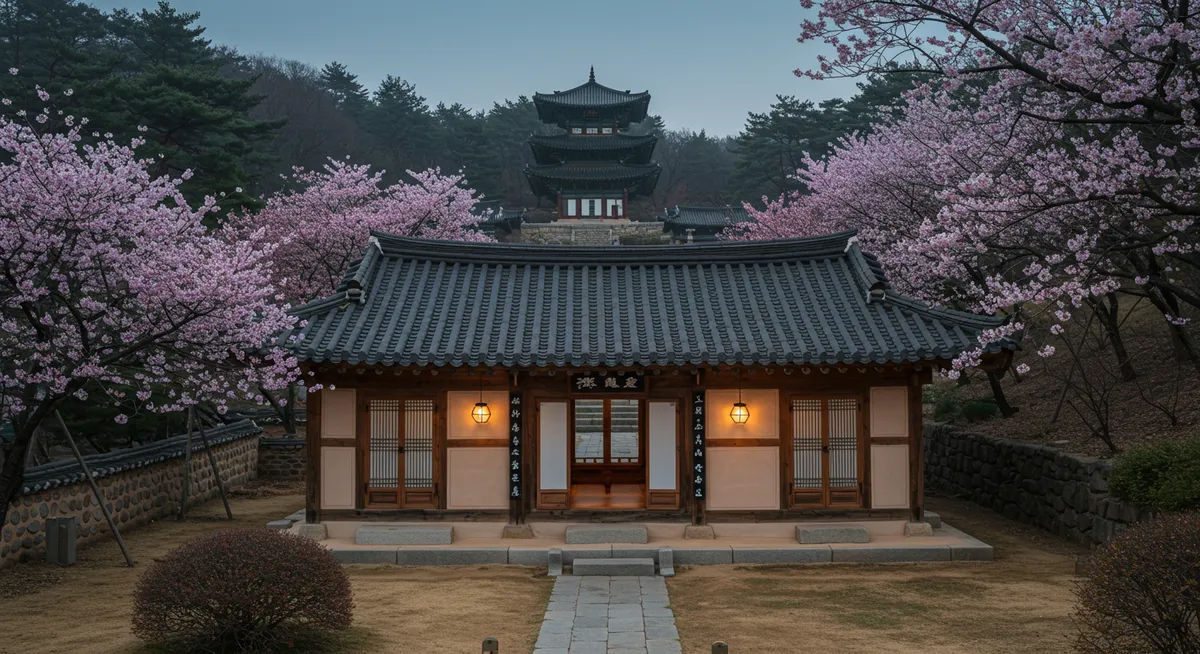
This neighborhood is also the richest area for hanok guesthouses, which let you sleep on heated ondol floors inside a traditional Korean courtyard home. Top picks for 2026 include Hwangnamkwan Hanok Hotel, prized for its meticulously restored rooms and prime location near Daereungwon, and Yettle Hanok Stay, known for sunlight-filled rooms with large windows and a shared kitchen. Budget travelers can try Dorandoran Guesthouse, a no-frills hanok with affordable rates and a welcoming communal atmosphere.
Evening is when this district truly shines — the royal tombs are illuminated after dark, making a Gyeongju nighttime itinerary unforgettable from this home base. The only downside is limited parking, so this area works best for visitors arriving by train or bus.
Bomun Lake Resort Area — Best for Families & Resort Lovers
About 20 minutes east of the Old Town, the Bomun Lake tourism complex is Gyeongju's purpose-built resort zone. International-brand hotels ring the lake — Hilton Gyeongju offers full-service luxury with an outdoor pool, while Lahan Select Gyeongju is a popular mid-range resort with a water park that kids adore. Sono Calm Gyeongju rounds out the family options with spacious suites and lakeside dining.
Beyond the hotels, the area features cycling paths around the lake, paddle-boat rentals, Gyeongju World theme park, and a championship golf course. If you are building a Gyeongju 2-day itinerary, devoting one afternoon to Bomun Lake's outdoor activities is a classic approach. Spring visitors in particular benefit from the famous cherry-blossom canopy that arches over the lakeside road every April — check our best time to visit Gyeongju guide for exact bloom dates.
The trade-off is distance: you will need a car, taxi, or the 700-series bus to reach the historic core. However, the peaceful lakeside atmosphere makes it worthwhile for travelers who prefer to unwind after a day of sightseeing.
Bulguksa Temple Area — Best for Serenity & Nature
Tucked into the eastern foothills of Tohamsan Mountain, the Bulguksa Temple area is the quietest accommodation zone in Gyeongju. Staying here means waking to birdsong and being first in line when the UNESCO-listed Bulguksa Temple opens each morning. It is also the closest base for hiking to the Seokguram Grotto, one of Korea's most celebrated Buddhist sculptures.
Accommodation options lean toward small pensions, traditional inns, and newer boutique guesthouses. The atmosphere is more rural and reflective — ideal for solo travelers, couples, or anyone wanting to disconnect from the busier tourist strips. Restaurants are fewer, so plan to eat at guesthouse-provided meals or drive to the Old Town for dinner.
This area is best reached by car or the 10/11 bus from Gyeongju Station. If you are splitting your stay, consider two nights here followed by two in the Old Town for a balanced Gyeongju 5-day itinerary.
Gyeongju City Center — Best for Budget Travelers & Transit Access
Clustered around Gyeongju Station (KTX and Mugunghwa lines) and the intercity bus terminal, the city center delivers the widest selection of budget hotels, motels, and guesthouses. Room rates here can be 30-50% lower than Bomun Lake resorts, especially on weekdays. You will also find the densest concentration of local restaurants — pair your stay with our Gyeongju food guide to track down the best ssambap, Gyeongju bread (hwangnam-ppang), and soy-milk noodle joints.
The city center is not as scenic or historically atmospheric as the Old Town, but it is only a 10-minute taxi ride or short bus hop to Hwanglidan-gil. For travelers who arrive late or depart early, the proximity to the station eliminates the stress of rush-hour transfers. Recommended picks include Rivertain Hotel Gyeongju for reliable mid-range comfort and 141 Mini Hotel for a clean, minimalist budget stay within walking distance of Hwangridan-gil.
Hanok Stays vs. Modern Hotels — How to Choose
One of the most common questions about where to stay in Gyeongju is whether to book a traditional hanok guesthouse or a standard hotel. Here is a quick comparison to help you decide for your 2026 trip:
- Hanok guesthouses offer heated ondol floors, courtyard gardens, and an authentic Silla-era ambiance. Many now include private bathrooms, Wi-Fi, and air conditioning. They work best for couples and cultural enthusiasts. Be aware that sleeping is typically on a futon (yo) on the floor — if you need a Western bed, confirm availability before booking.
- Modern hotels and resorts provide standard beds, room service, on-site pools, and consistent amenities. They suit families with young children, accessibility needs, or travelers who prioritize predictable comfort.
- Boutique pensions split the difference — small, design-forward properties that blend Korean aesthetics with modern fixtures. Look for these in the Bulguksa foothills and along quieter streets near the Old Town.
Many repeat visitors choose one night in a hanok for the experience and then switch to a hotel for the remaining nights. Read practical logistics in our Gyeongju travel tips guide.
Booking Tips & Best Times for Deals in 2026
Gyeongju's hotel prices swing sharply with the seasons. Cherry-blossom season (late March to mid-April) and autumn foliage (late October to mid-November) command peak rates — book at least six weeks ahead. The most budget-friendly months are February, early March, and late November, when room prices drop 20-40% across all areas.
Additional tips for scoring the best rates:
- Weekday stays are significantly cheaper than Friday-Saturday nights, especially at Bomun Lake resorts.
- Direct hanok bookings through Korean platforms like Naver or the property's own website often beat international OTA prices.
- Package deals at Bomun Lake hotels frequently bundle theme-park tickets or spa access — ask at check-in even if you booked elsewhere.
- Getting to Gyeongju: If you are coming from the capital, our Seoul to Gyeongju transport guide covers KTX, bus, and driving options with 2026 schedules.
Frequently Asked Questions
What is the best area to stay in Gyeongju for first-time visitors?
Are hanok guesthouses in Gyeongju comfortable for Western travelers?
How much does a hotel in Gyeongju cost per night in 2026?
Is Bomun Lake or the Old Town better for families with kids?
How do I get around Gyeongju from my hotel?
Should I stay near Bulguksa Temple or in the city?
When is the cheapest time to book a hotel in Gyeongju?
Final Thoughts
Choosing where to stay in Gyeongju in 2026 comes down to matching your travel style with the right neighborhood. Culture seekers belong in the Old Town's hanok-lined streets, families thrive at Bomun Lake's resort complex, nature lovers find peace near Bulguksa Temple, and budget travelers save money in the efficient city center. Whichever area you pick, Gyeongju's compact size means every ancient wonder is never more than a short ride away. Browse our Gyeongju historical sites guide to plan what to see once you have settled in, and check our 3-day Gyeongju itinerary for a day-by-day plan that ties all four neighborhoods together.